I am often complimented (by the Spanish) on my extensive and capillar knowledge of Spain in general and the surroundings of the capital in particular, an inevitable result of having cycled on every paved road in the region. As mentioned elsewhere, for me cycling (or hikling) is not just a way to burn calories, it is a mean of discovery. In this post, however, I will share some tips for interesting day trips from Madrid, but you will probably need to drive. All of these places are reachable on the bike, and many of them are situated along positively breathtaking roads, but if you opt for cycling, maybe plan an overnight stay somewhere, and bring a change of shoes. You don’t want to be wandering among medieval ruins wearing cycling cleats.
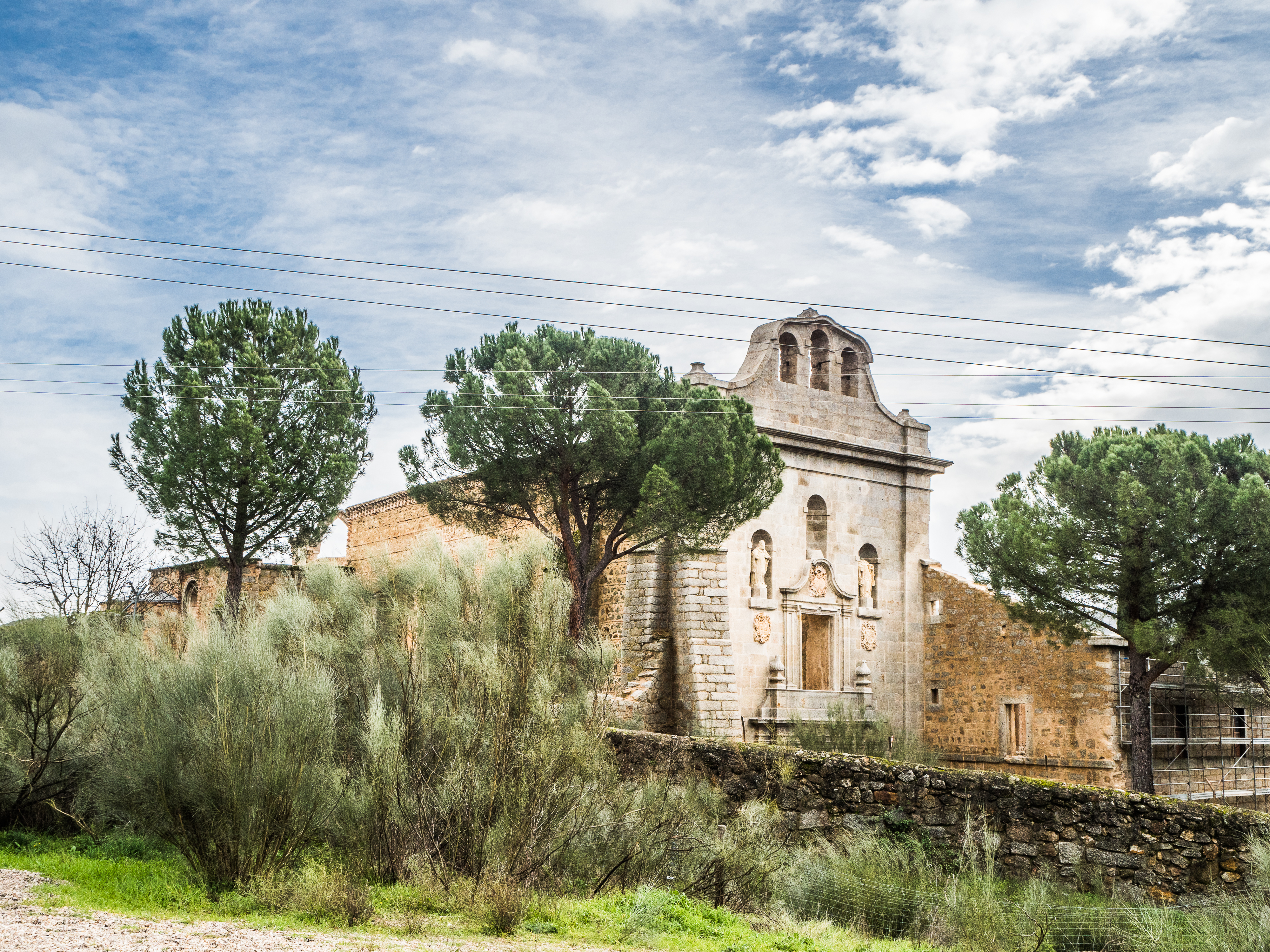
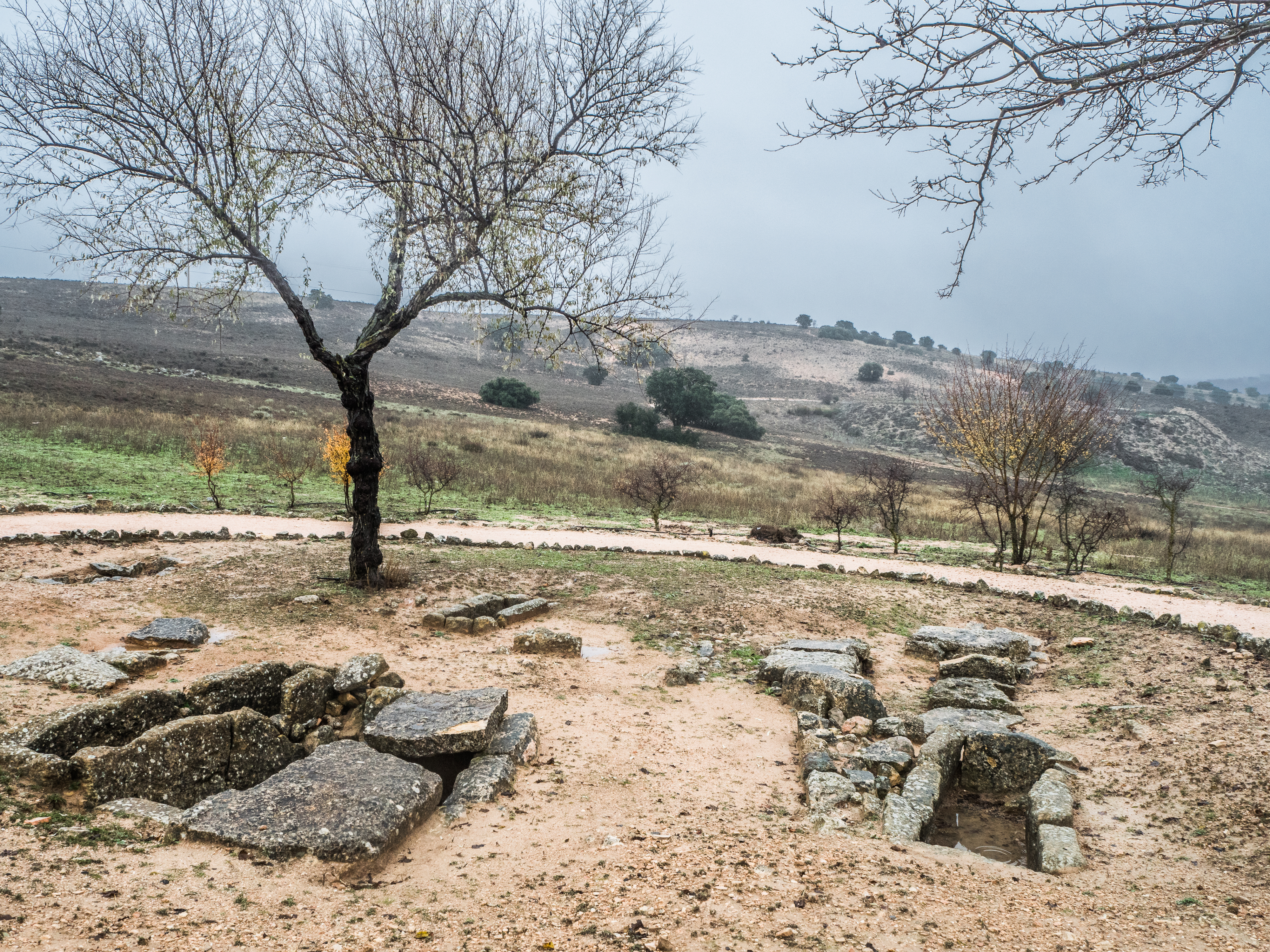
Monastery of Santa María la Real, in Pelayos de la Presa (close to San Martín Valdeiglesias, just under an hour drive west from Madrid), is the oldest monastery in the Autonomous Community of Madrid. Founded in the XII century during the Reconquista (as a way of marking the Christian territory: “we put a church here, it’s ours”) and in service for seven centuries until the Ecclesiastical confiscations of prime minister Juan Álvarez Mendizábal between 1835 and 1837. The expropriation of the land and properties of the clergy was aimed to encourage small farmers to acquire the confiscated land for their own enterprise. Needless to say, this turned out to be a disaster (mainly for the aspiring middle-class, but eventually for the entire country). The division and sale of the land was entrusted to local committees, who thought it was a good idea (upon reward, no doubt) to auction vast lots only available to few rich families, thus effectively preventing the establishment of a strong, land-owning middle-class that Spain so desperately needed. Not much has really changed, but shhhh, I’m a foreigner here and I am not supposed to say that. As another result of Mendizábal’s decrees, Spain is now littered by ruins of once majestic monasteries, abandoned and partly reclaimed by vegetation. Very romantic. And photogenetic (or at least I tried).
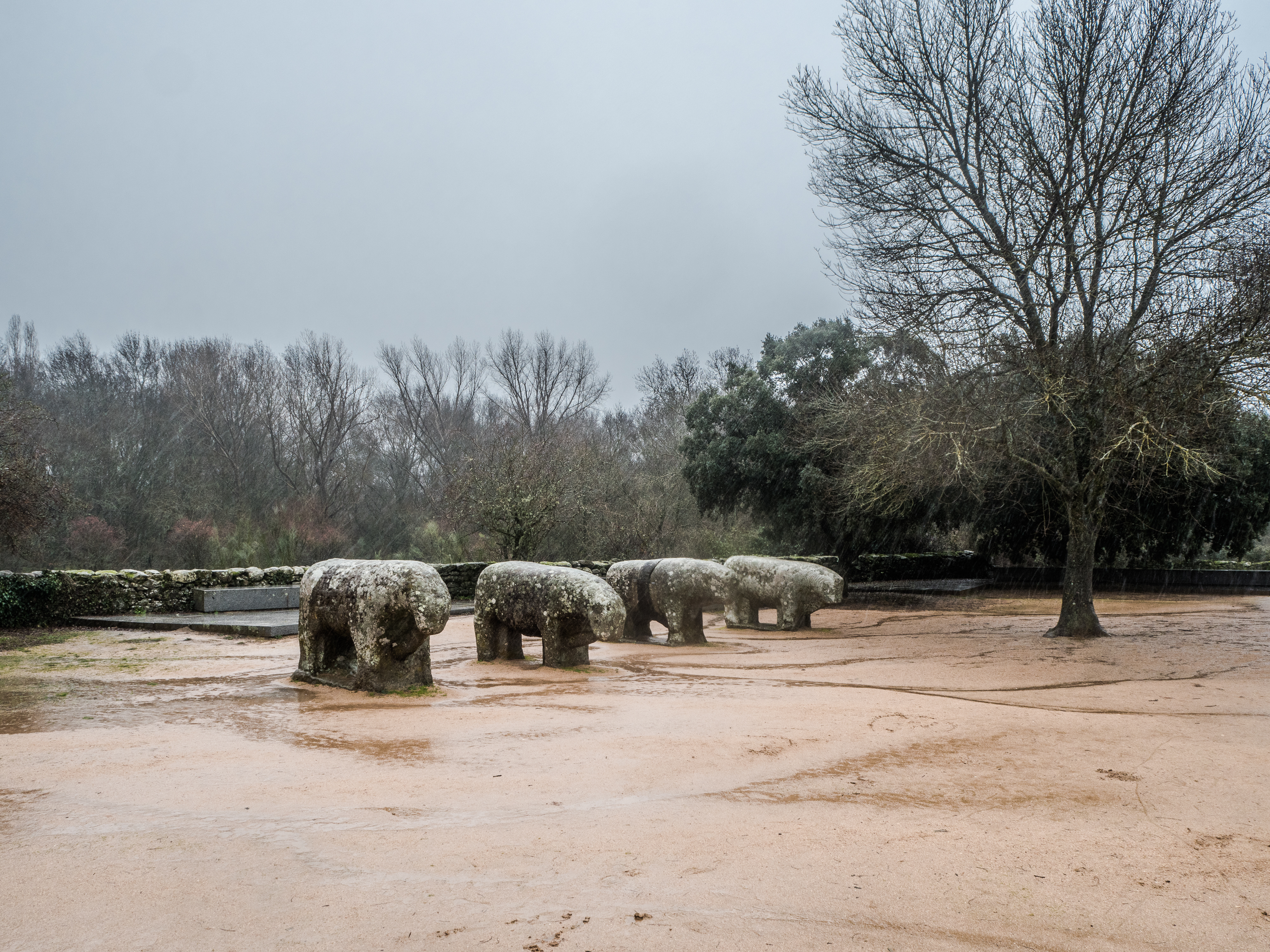
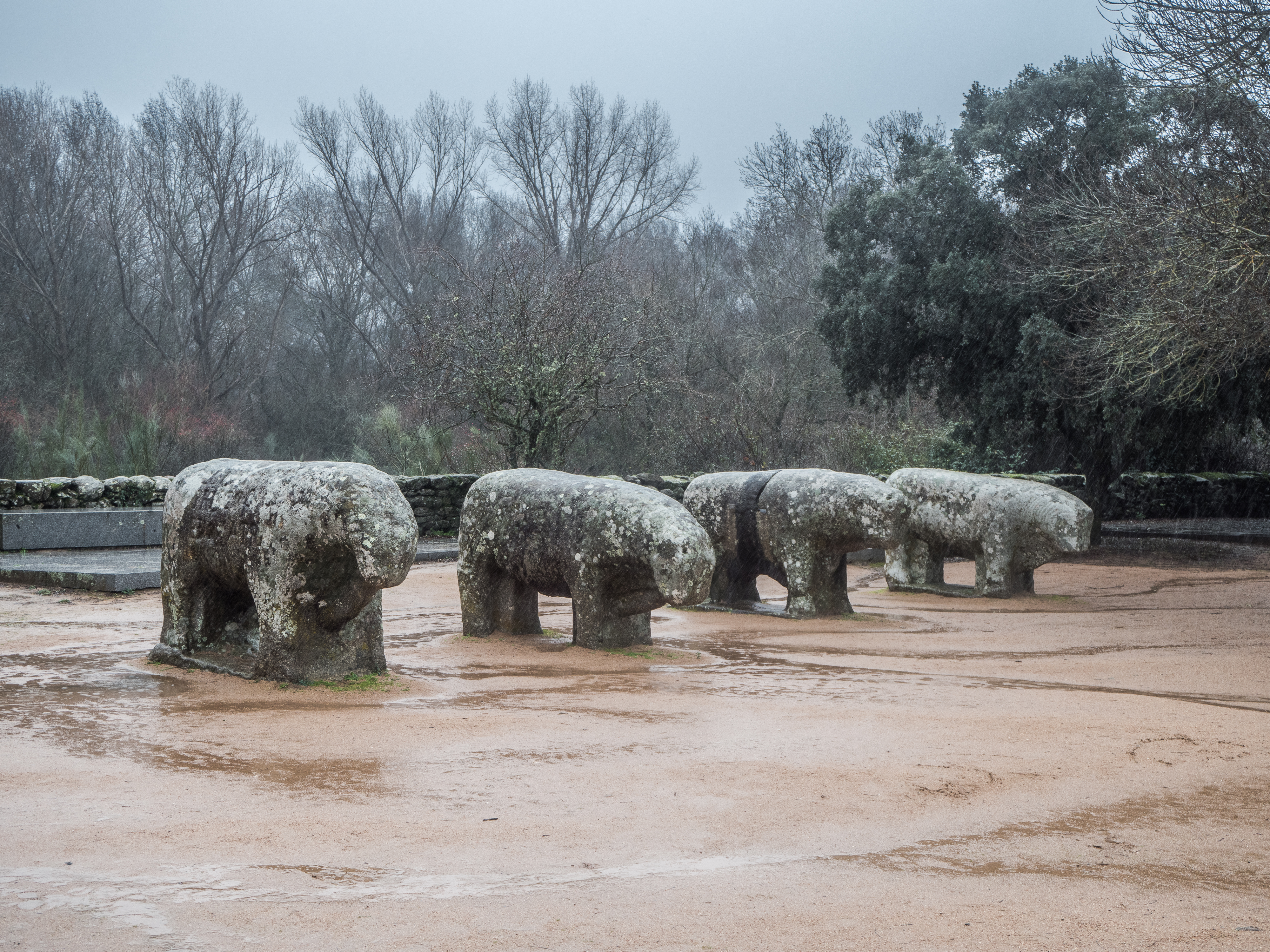
Toros de Guisando, just after San Martín Valdeiglesias in direction of Ávila, is a set of four pre-historic granite monoliths representing bulls (or pigs, but the consensus favours bulls). The statues are of Vettón origin (a Celtiberian culture that populated parts of the Iberian Peninsula in pre-Roman times), dated between IV and III century AC and their meaning is uncertain. The location was witness to the signature of the The Treaty of the Bulls of Guisando in 1468 between King Henry IV of Castille and his half-sister Isabel (later Isabel la Católica), where Isabel was granted the title of Princess of Asturias, a title of the heir apparent of the throne of Castille.


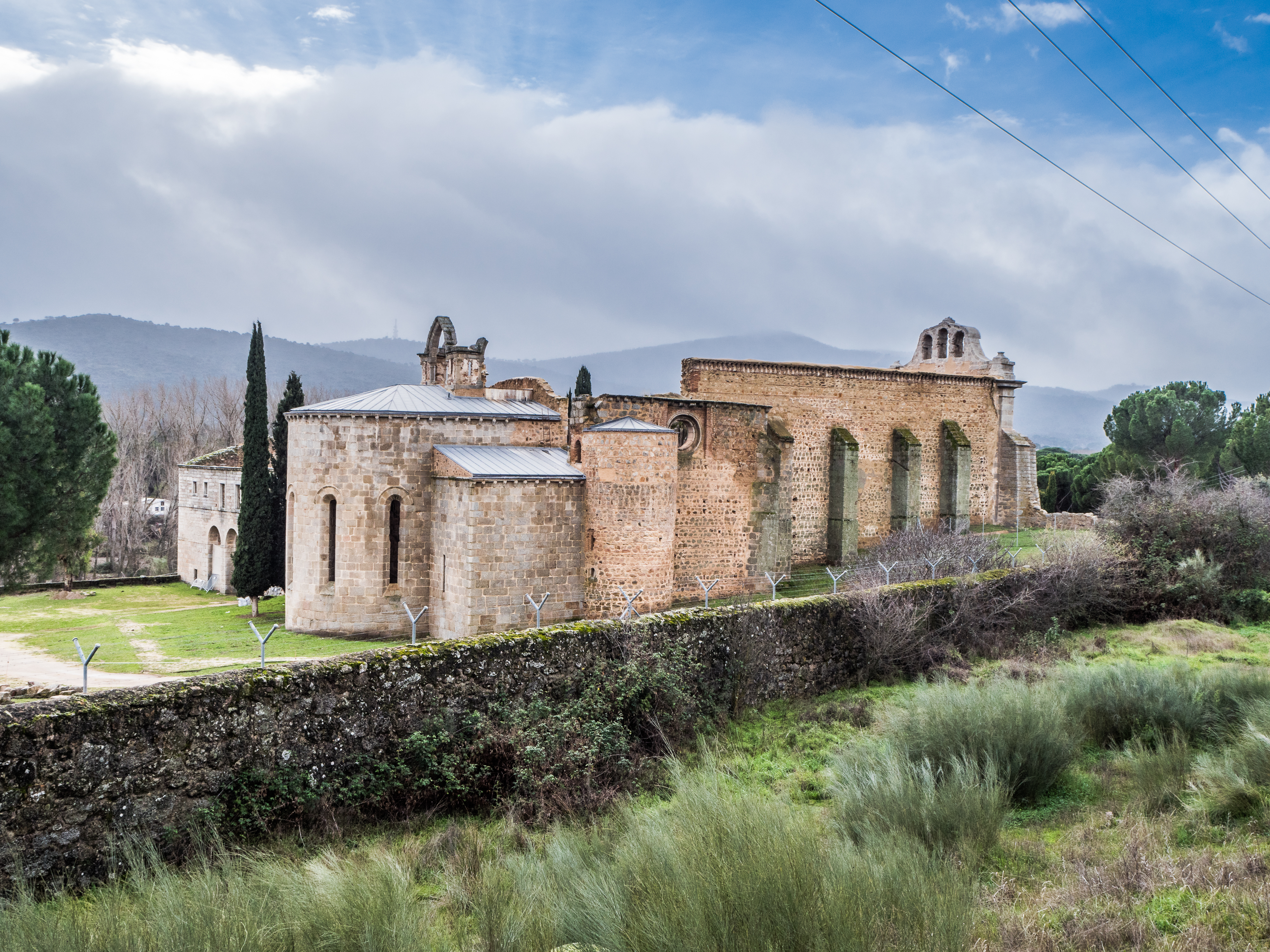
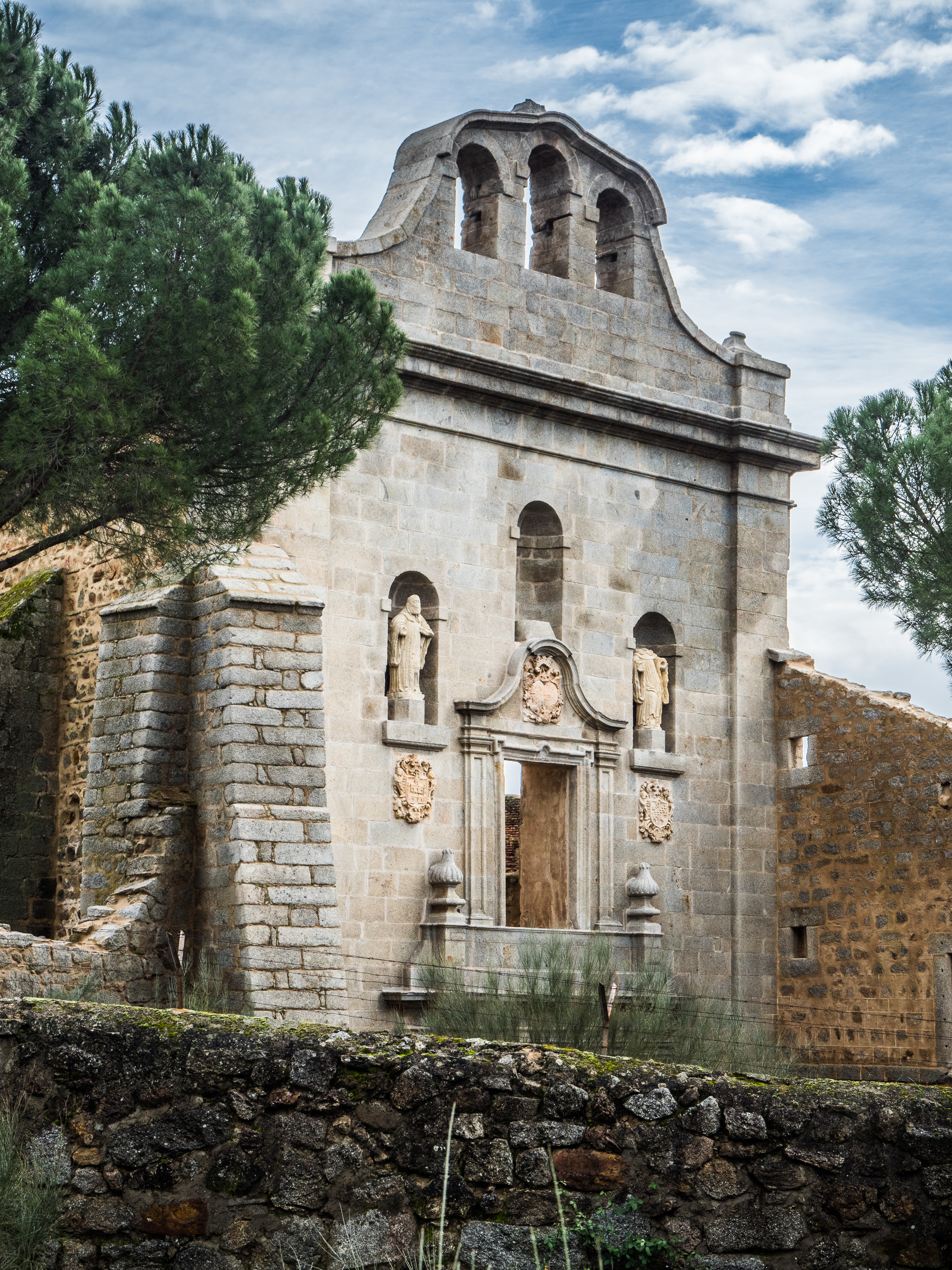
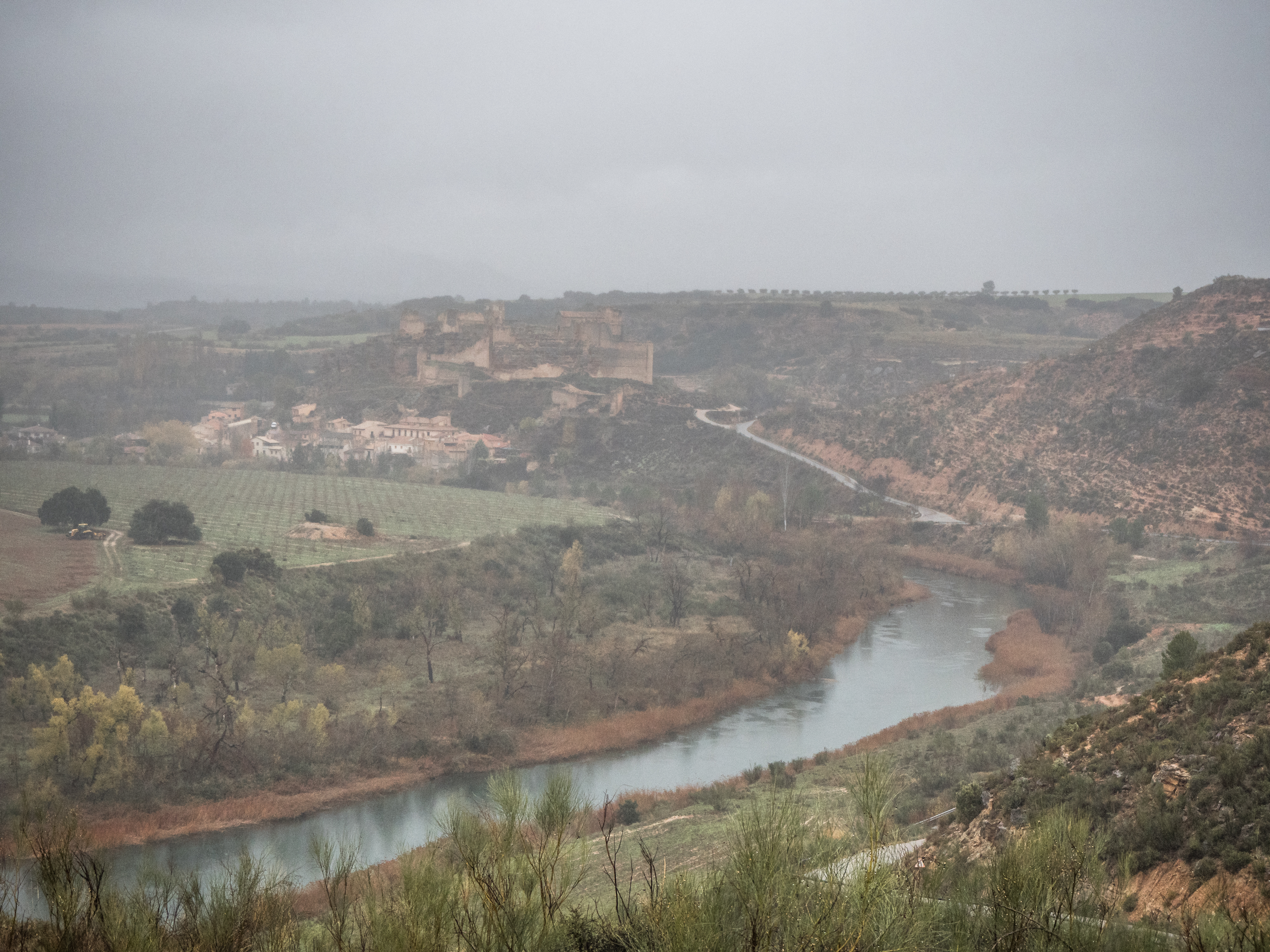
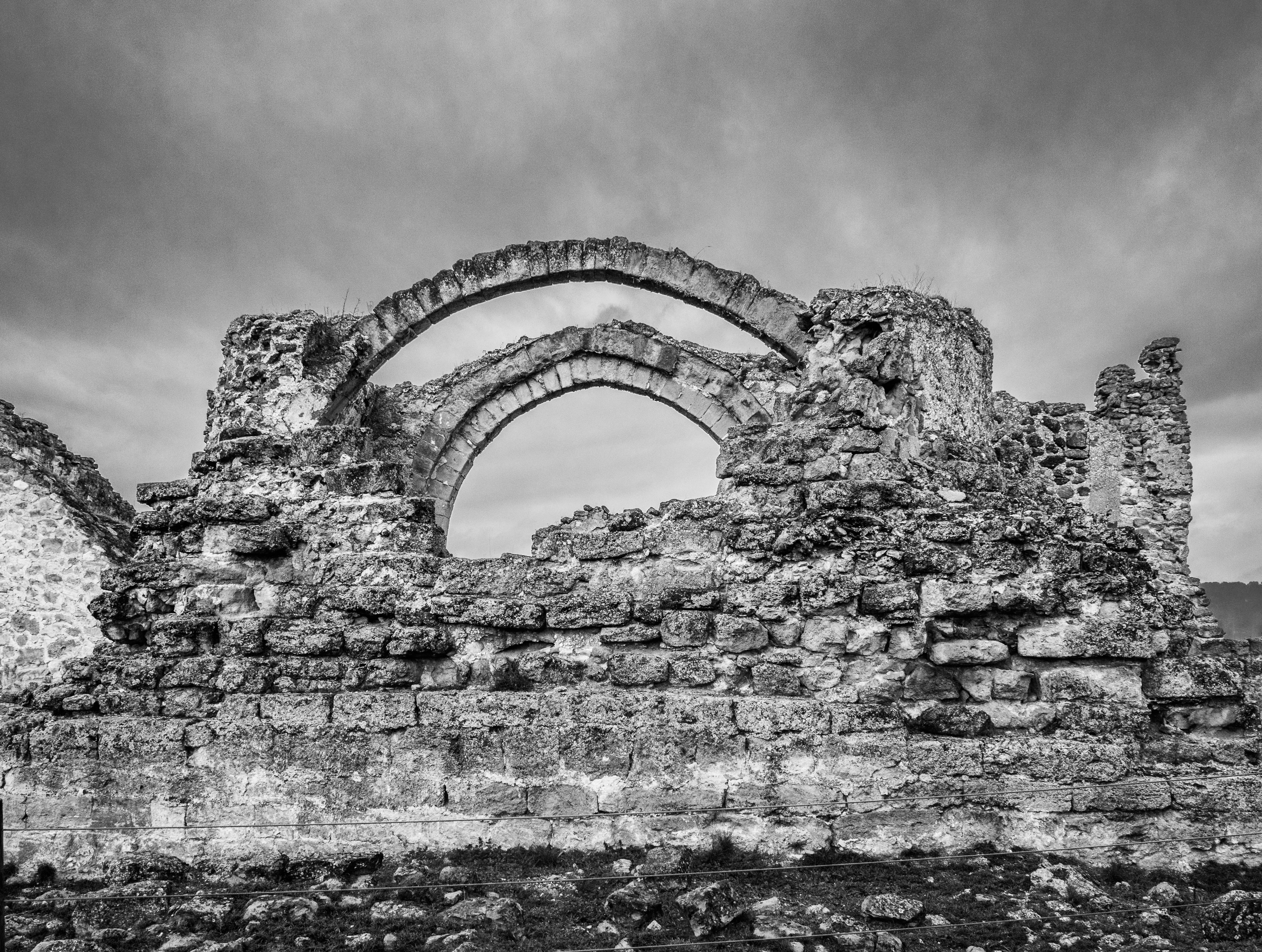
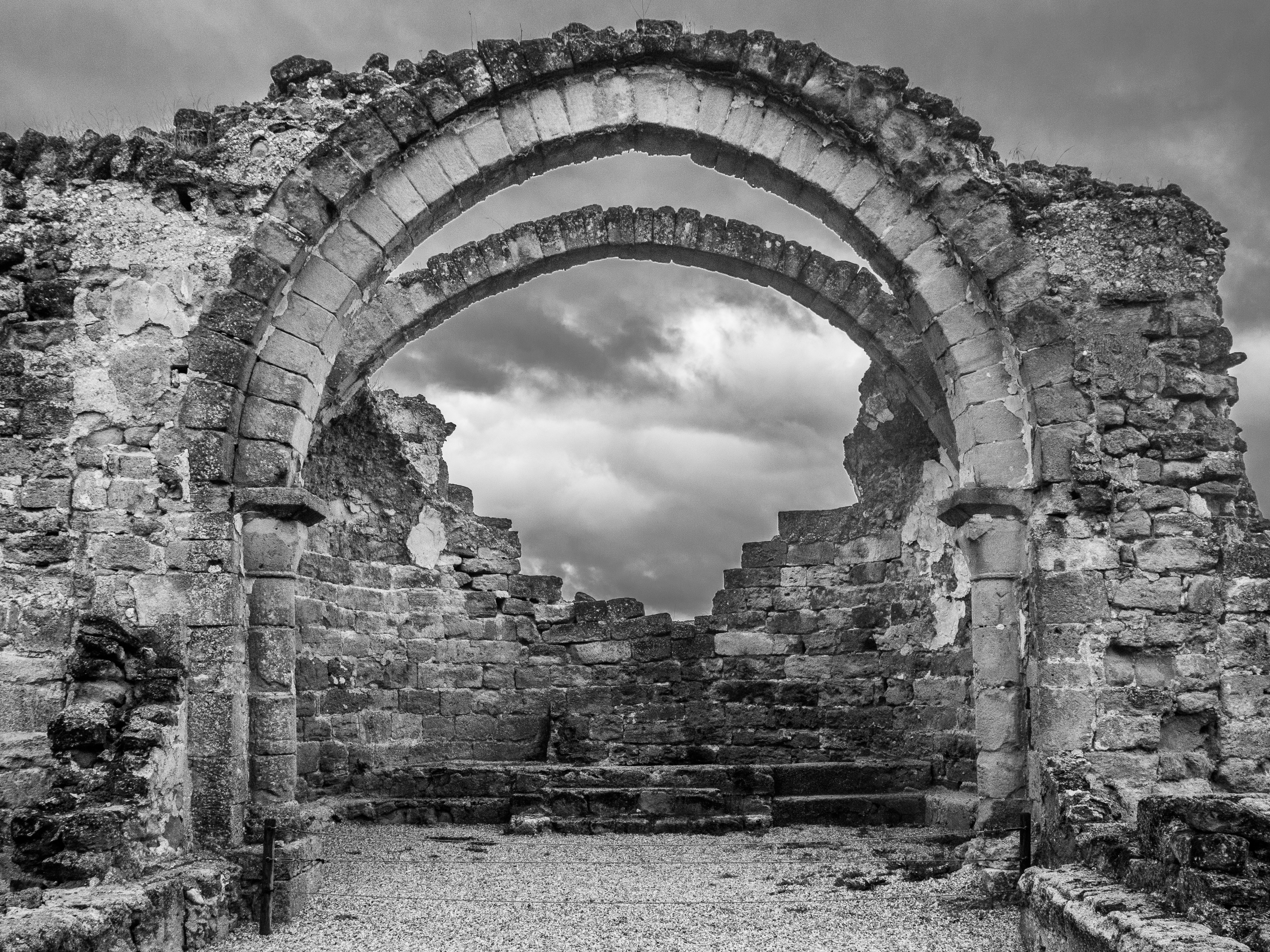
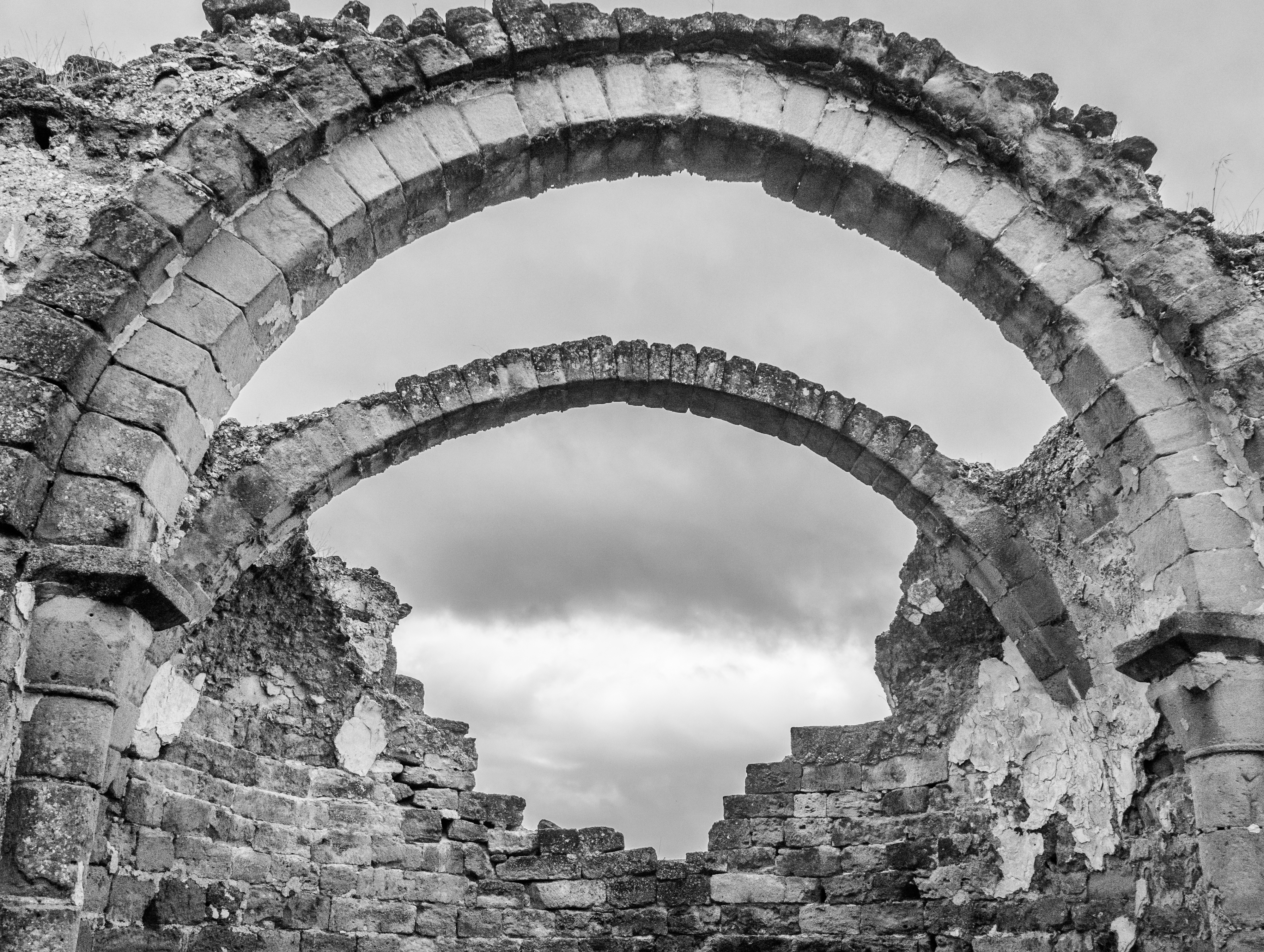
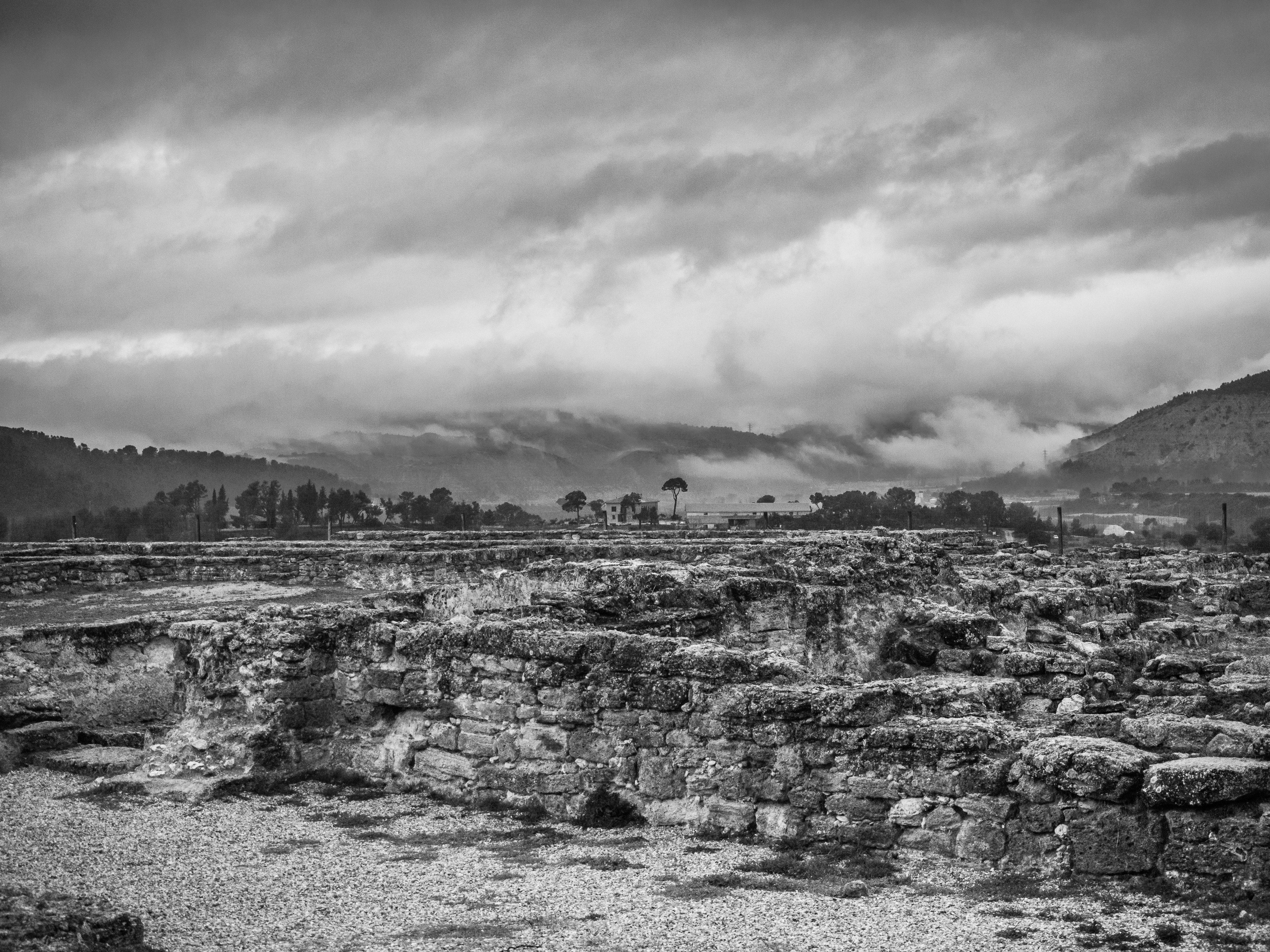
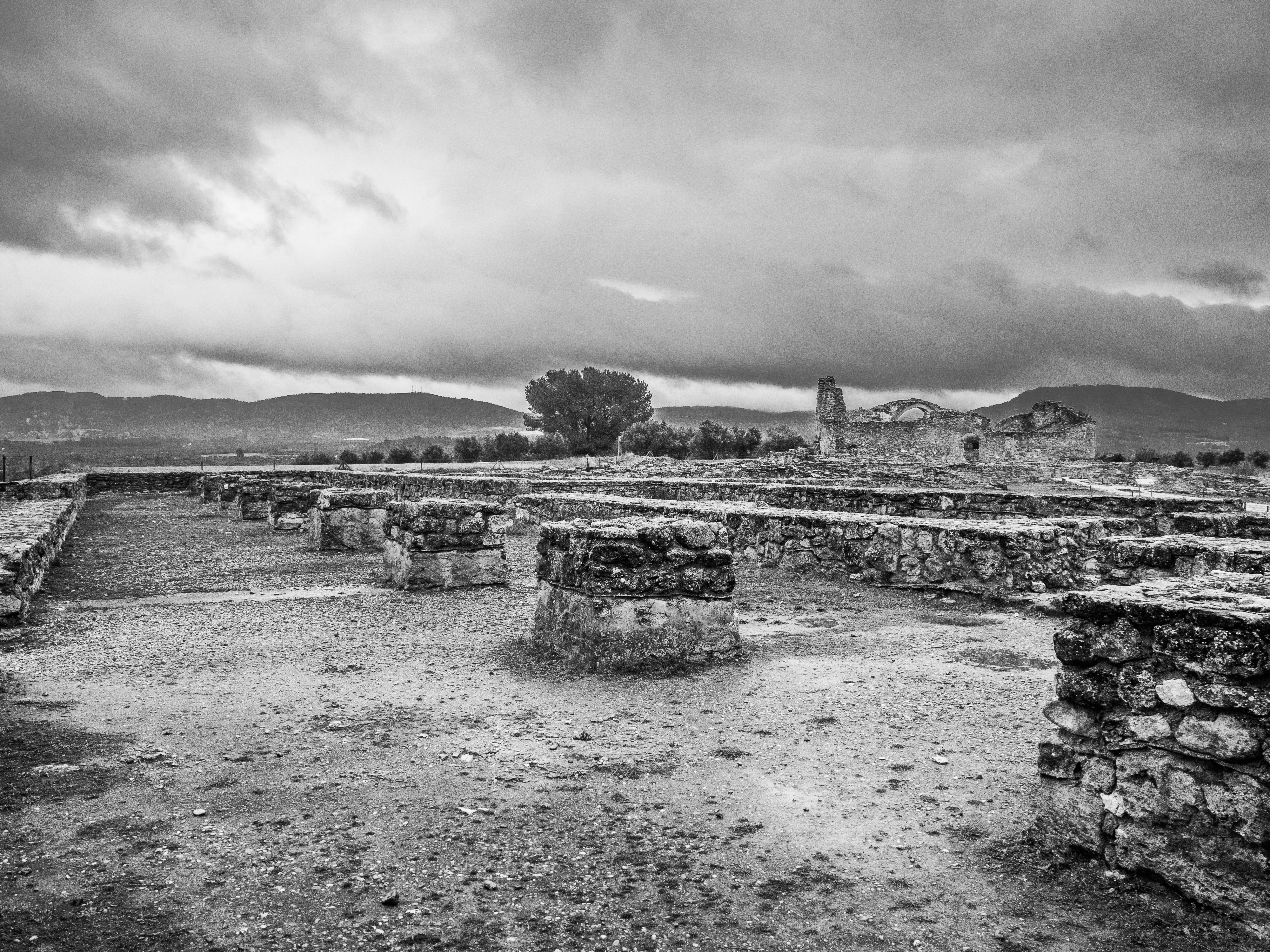
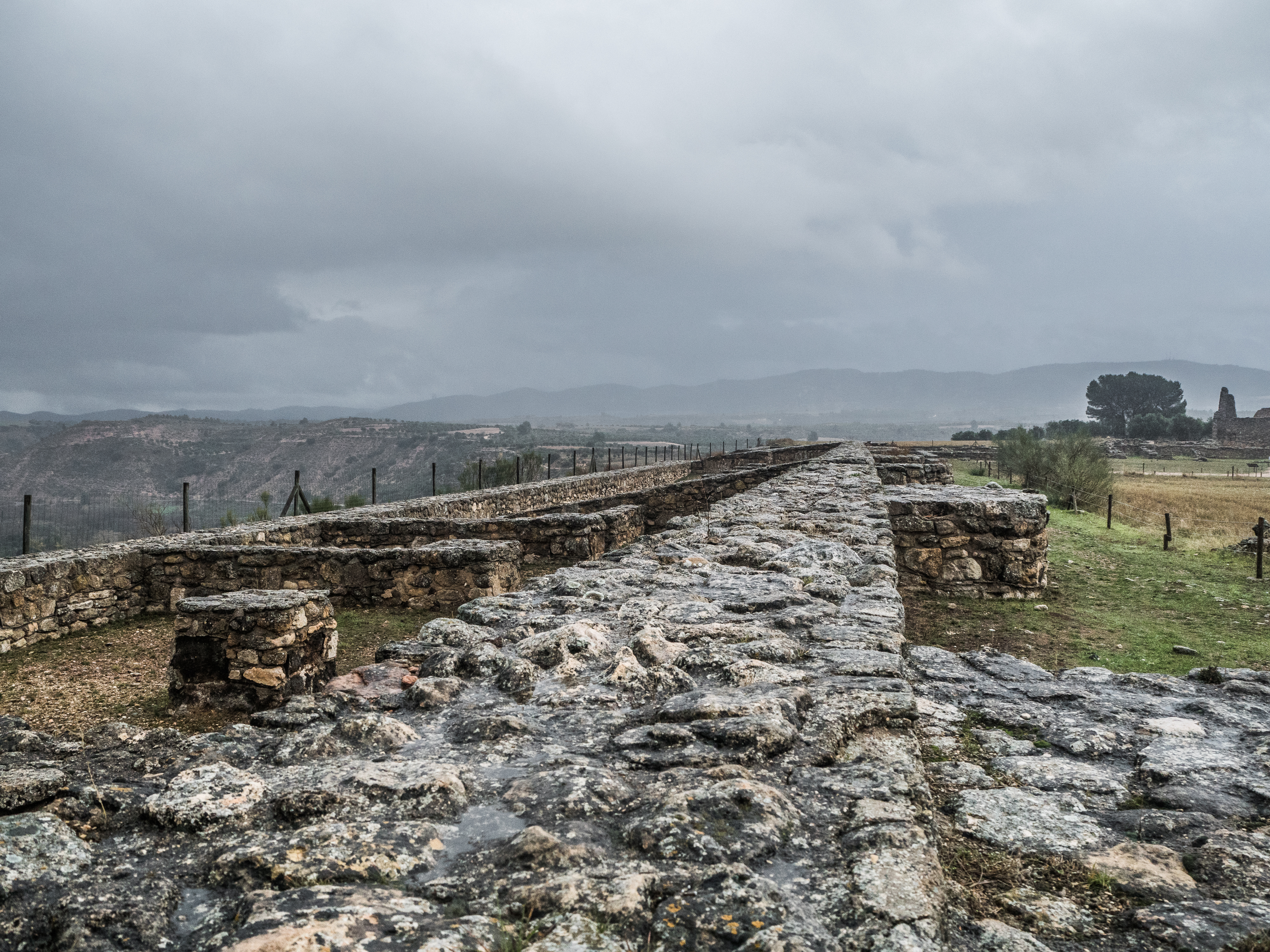
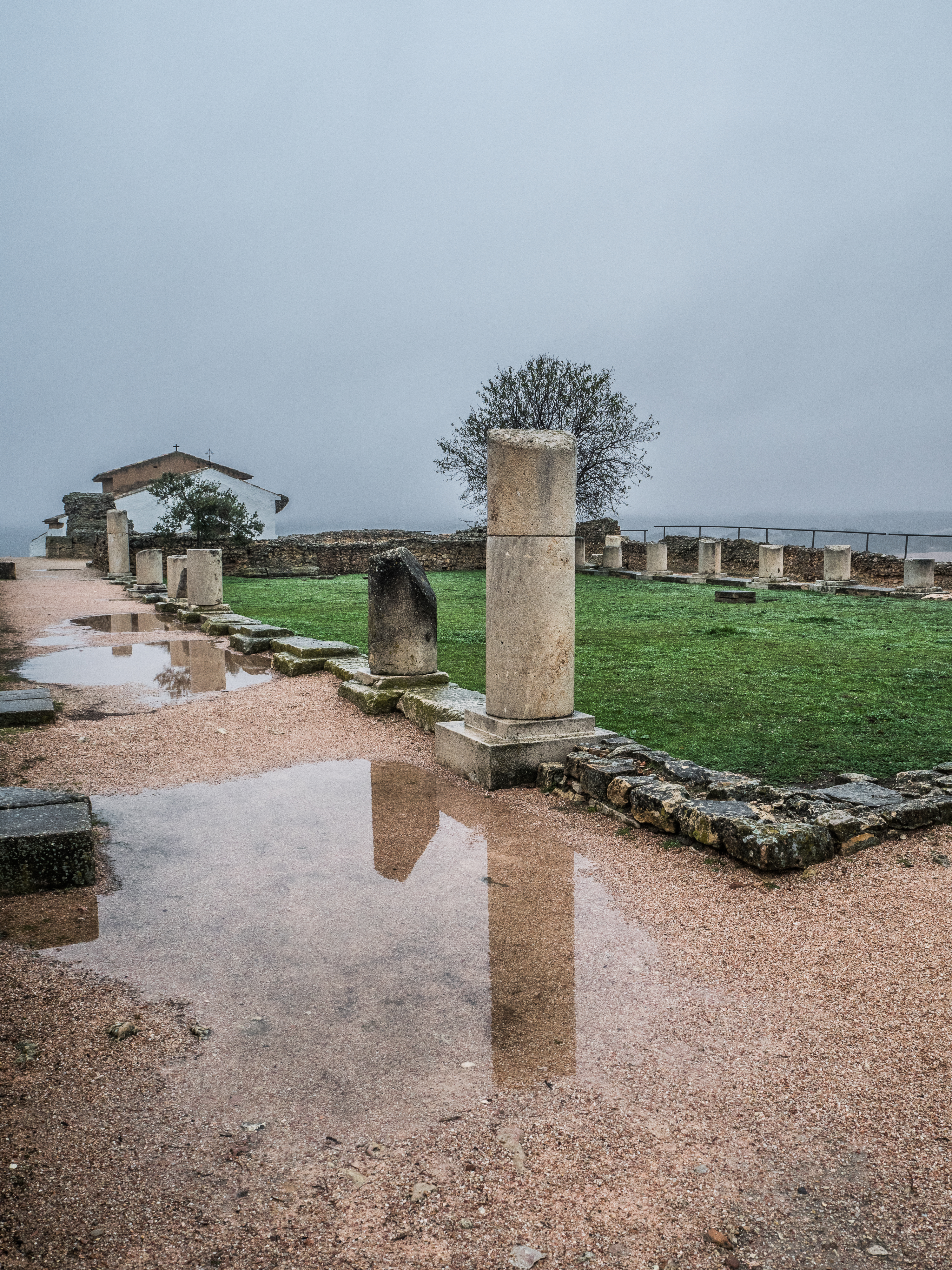
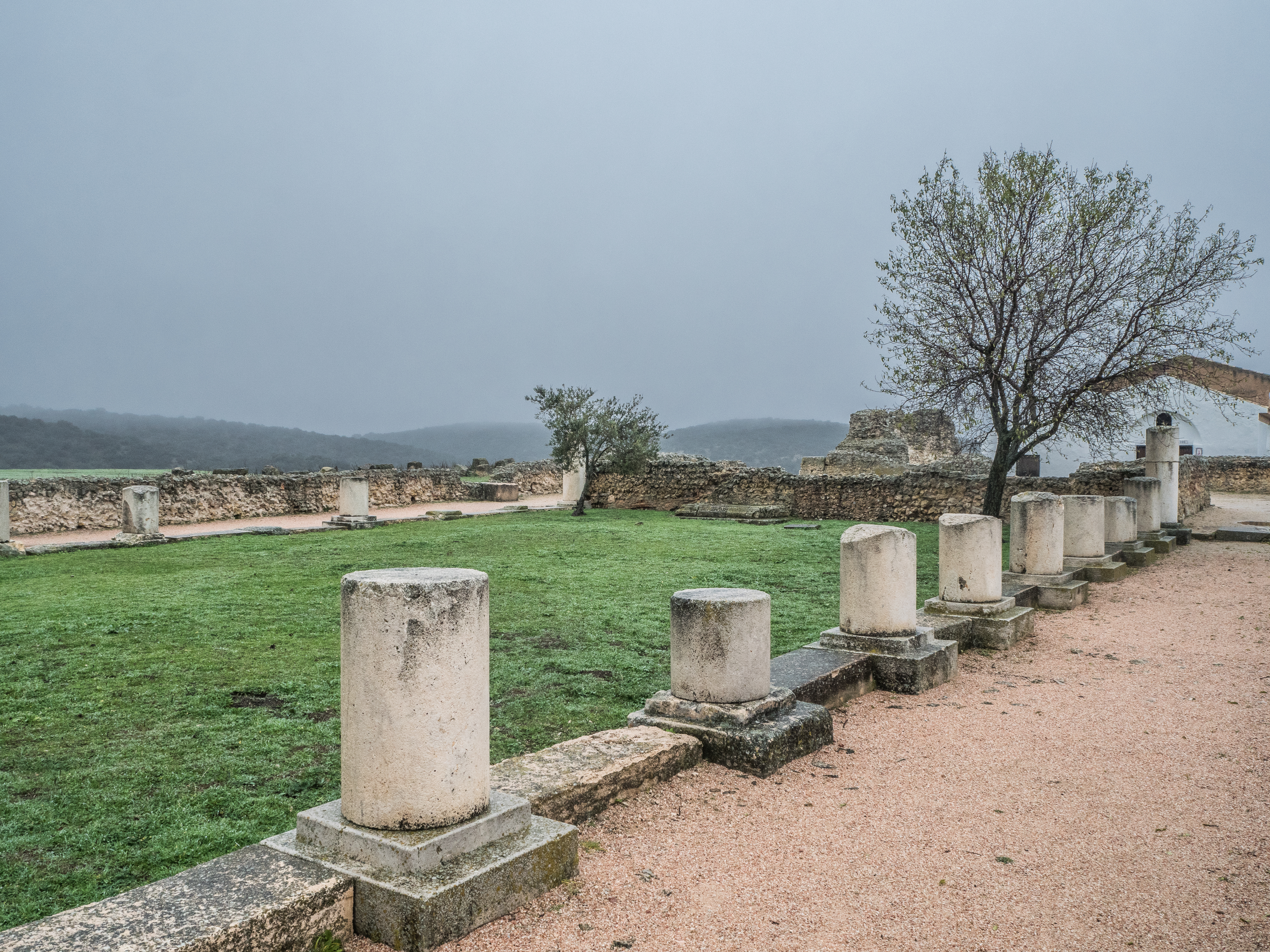
Recópolis – situated in the valley of Tajo in the province of Guadalajara, is a ruined Visigoth city founded between 580 and 583 AD, abandoned in the X century and rediscovered in 1893. It is one of the only two cities founded in western Europe between the IV and the VIII century after the fall of Roman Empire. Recópolis had a large royal palace, a church, a monumental gate and an active mint. The only structure still standing (partly) is a small XII century church dedicated to Virgén de la Oliva.





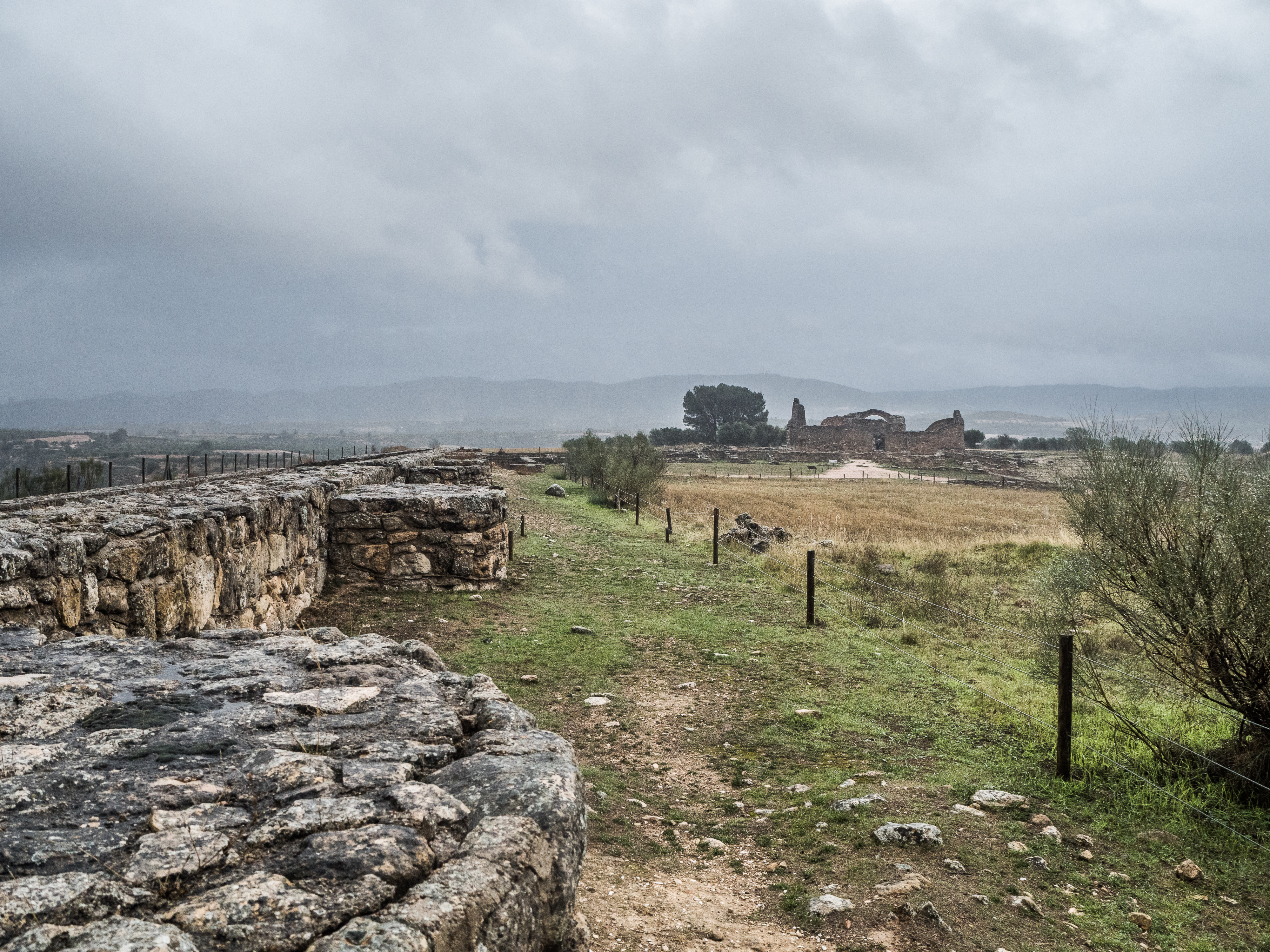
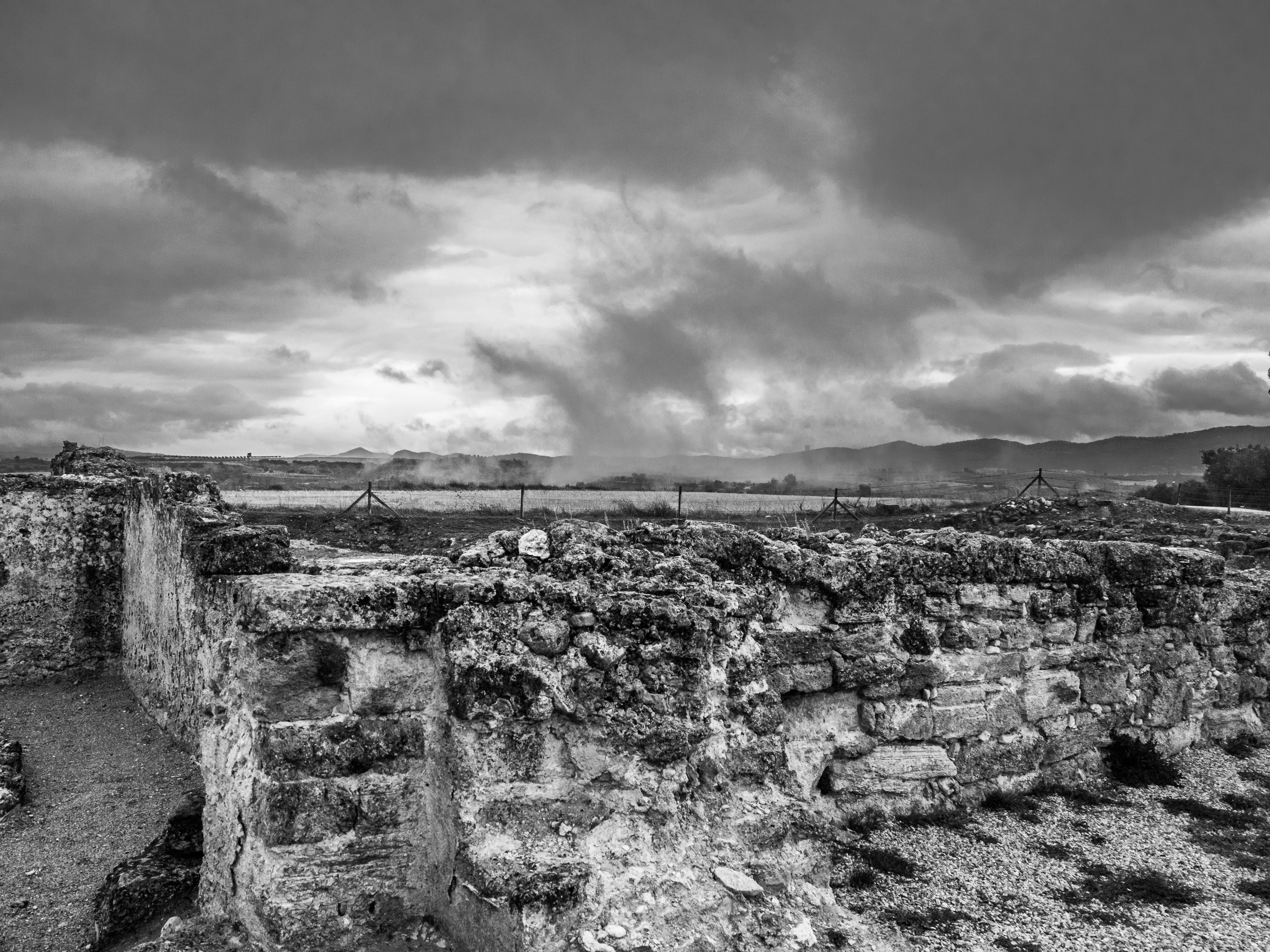
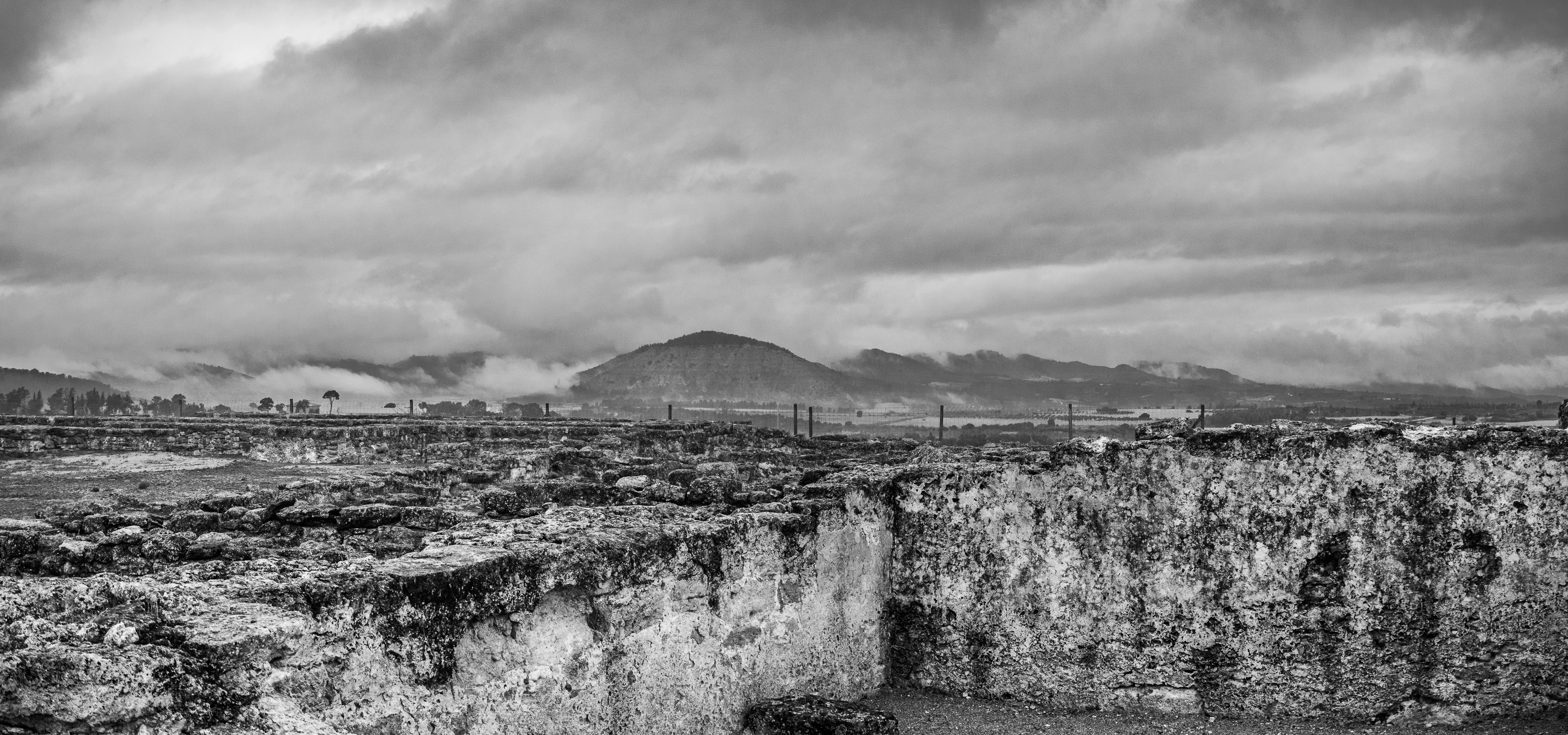
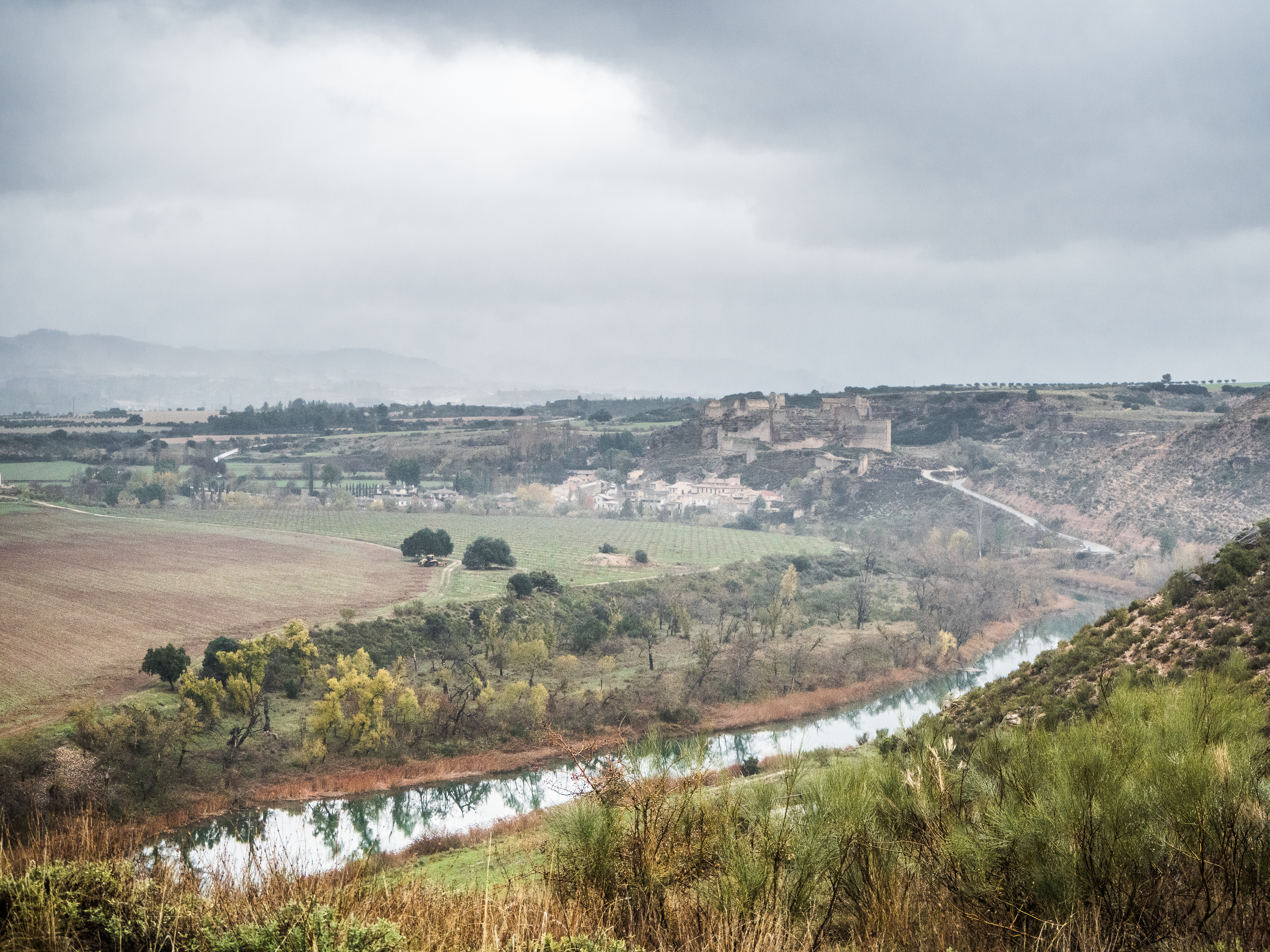
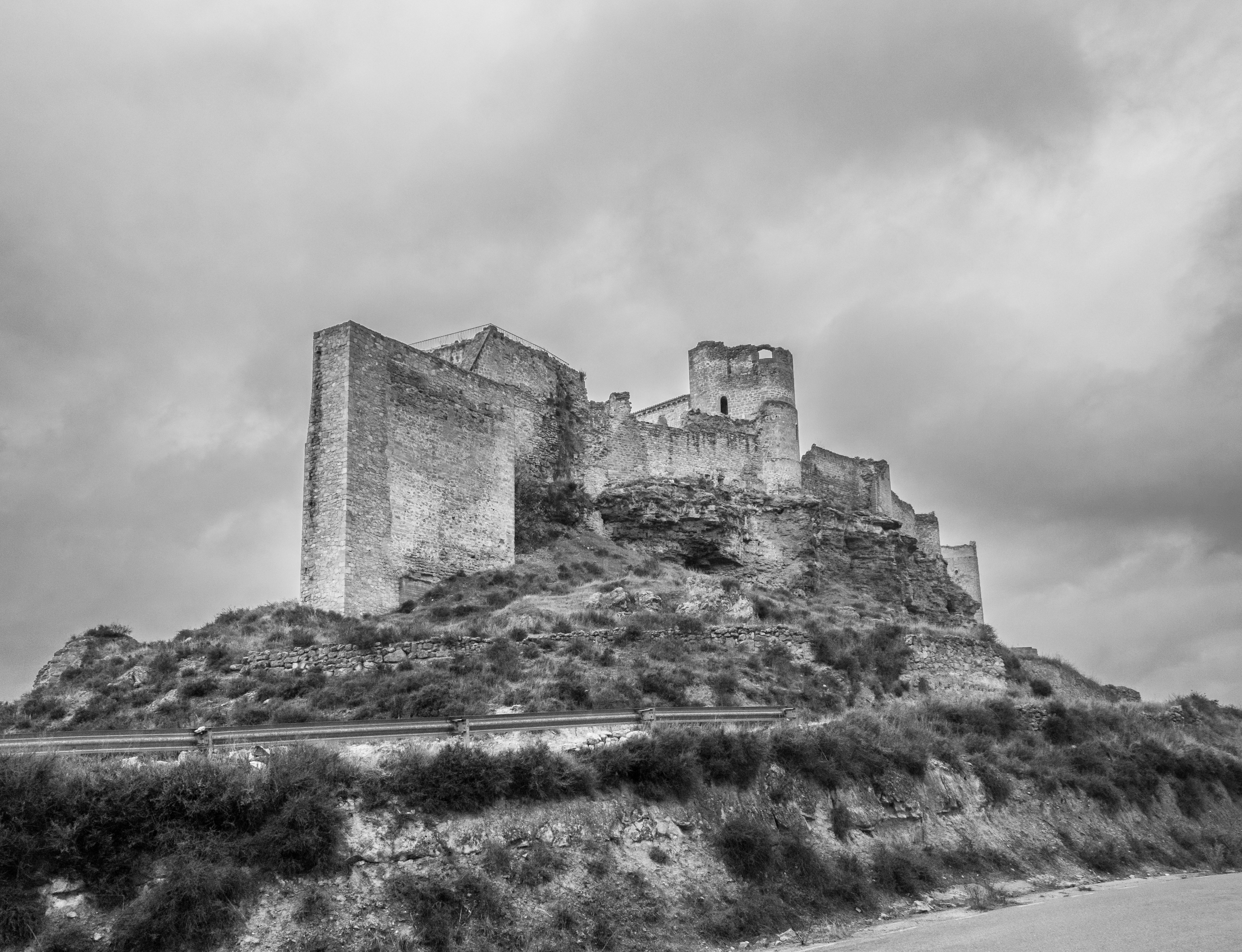
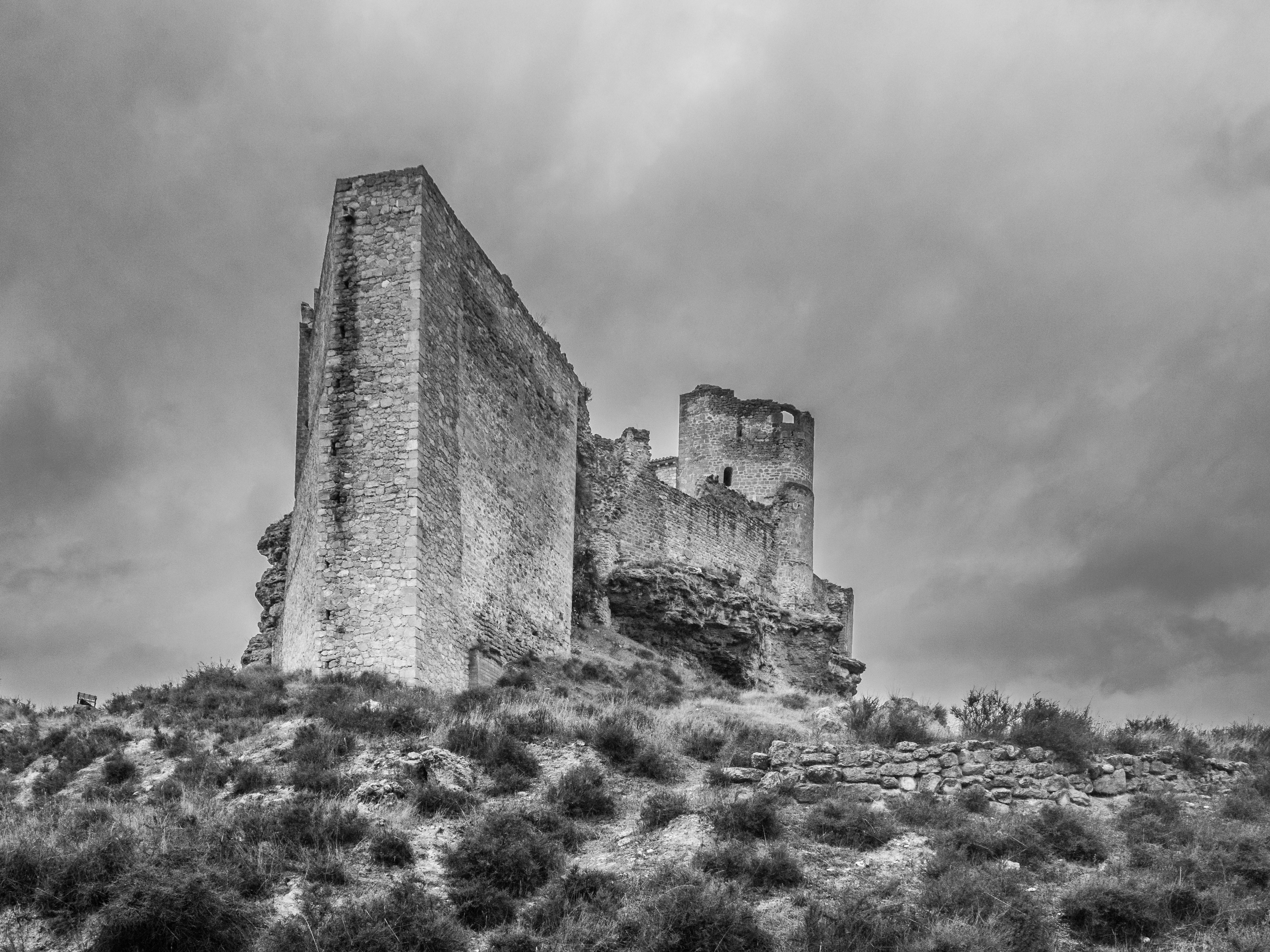
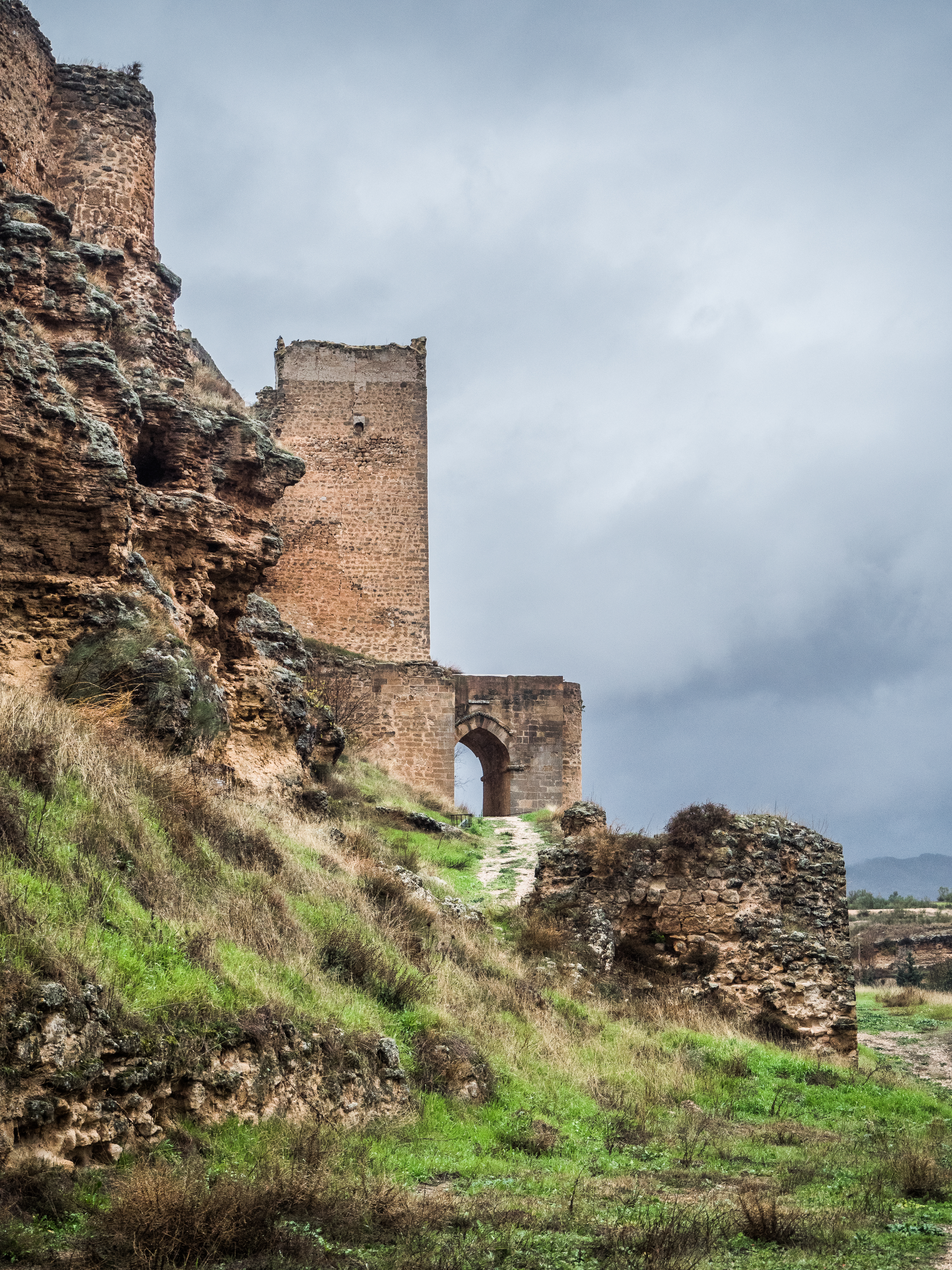
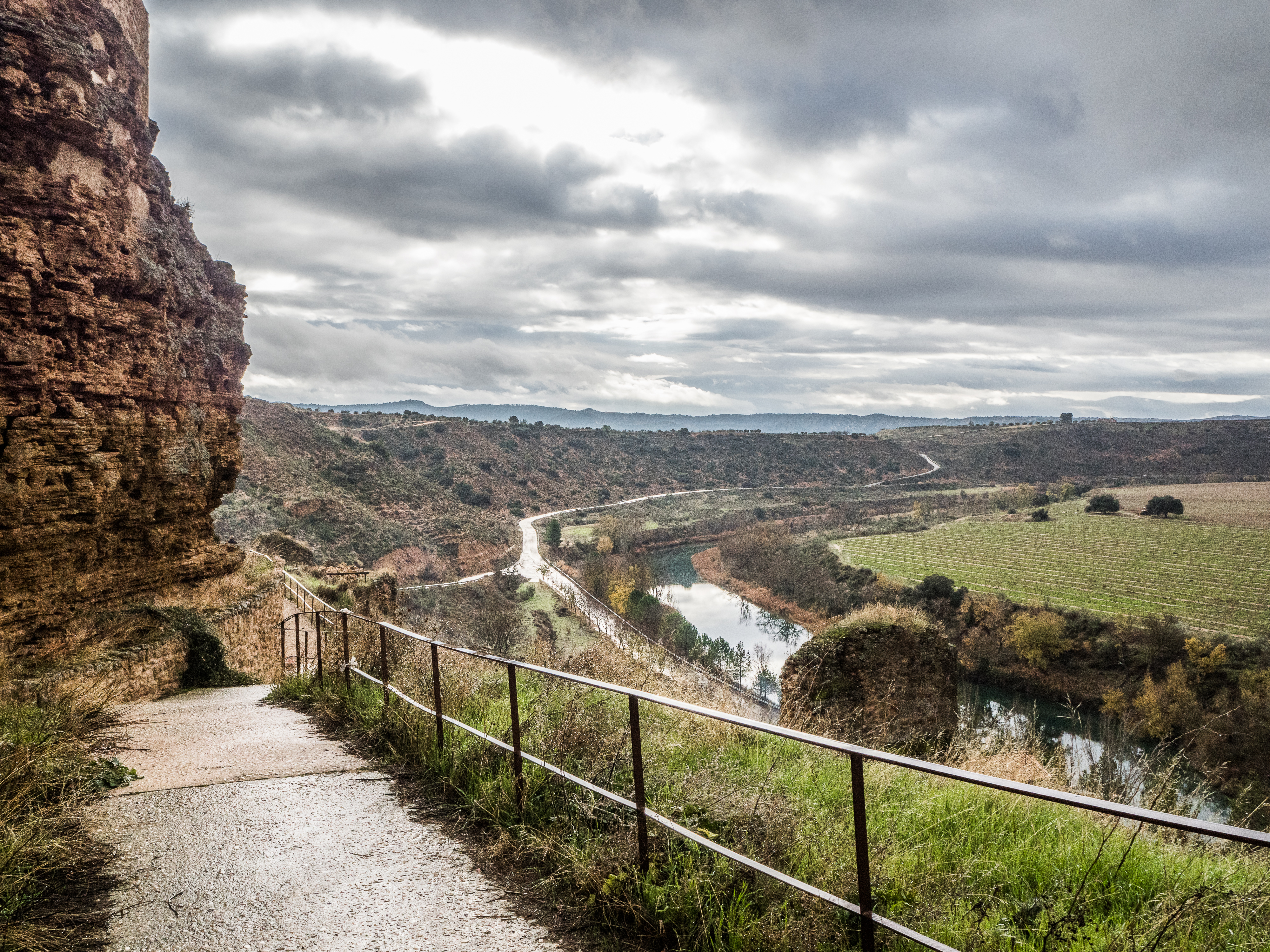
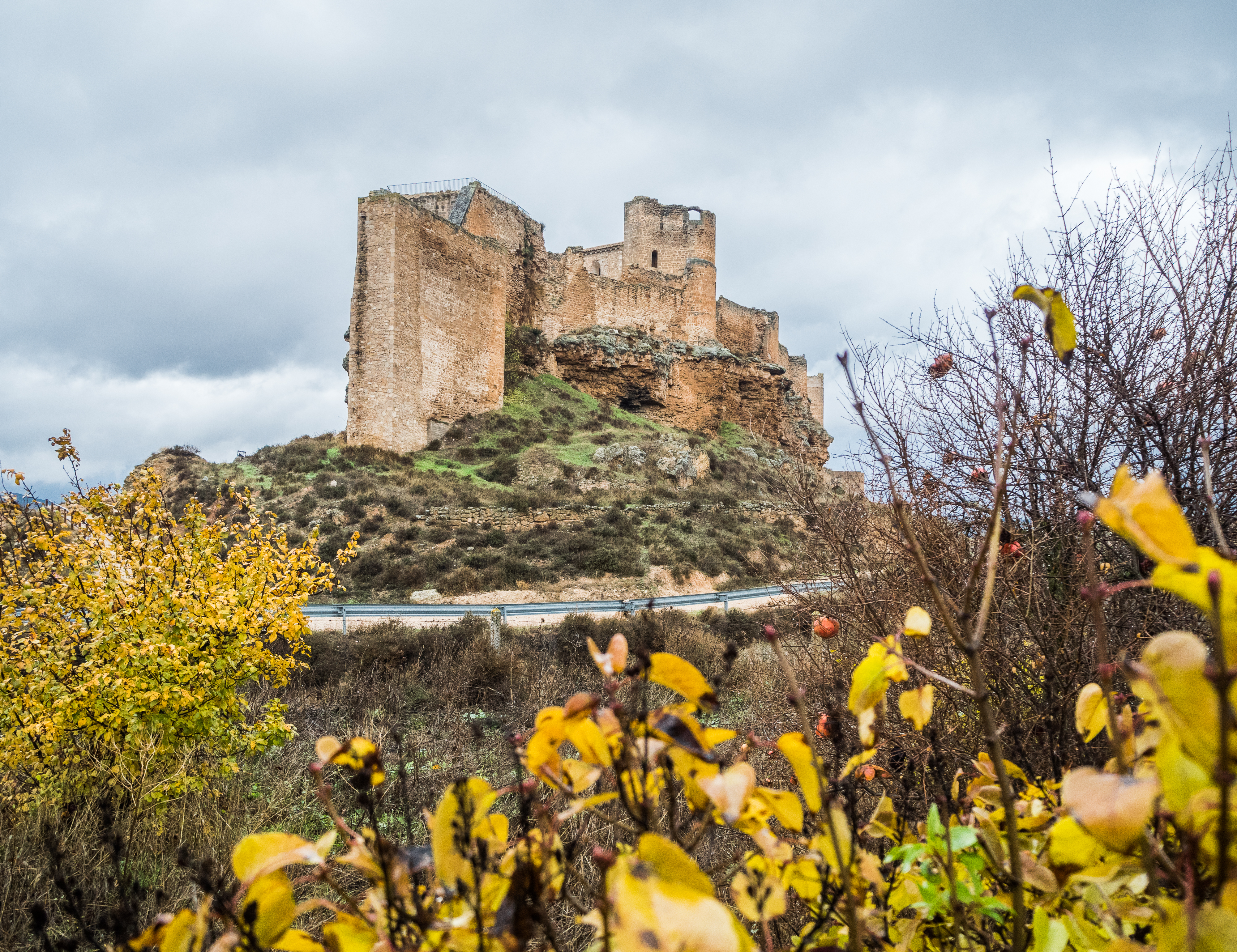
Castillo de Zorita de los Canes – originally a fortress founded in 853 by Emir Muhammad I of Córdoba to guard the passage on river Tajo (the gate and the citadel are still preserved from this period), later served as a base to the military order of Calatrava until the XVI century, and abandoned since then. It has been closed long-term for restauration (as it’s built on sandstone, so while this was probably a risk worth taking if you decided to dedicate your life to defending Christendom, it may become a problem once the first sunday tourist gets hit by a loose stone). Still, the castle is located only a few minutes drive from Recópolis and worth a stop and a wander.


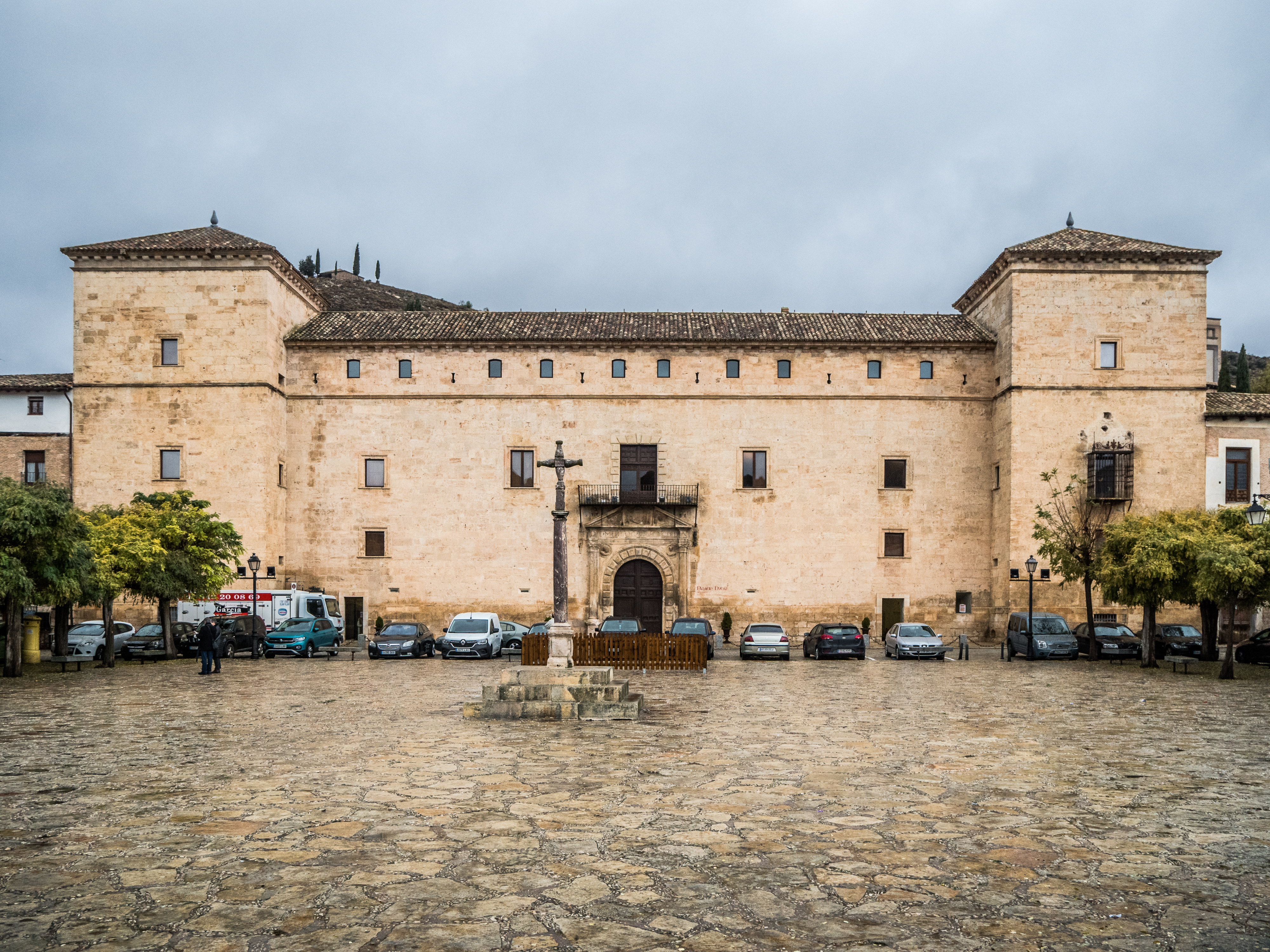
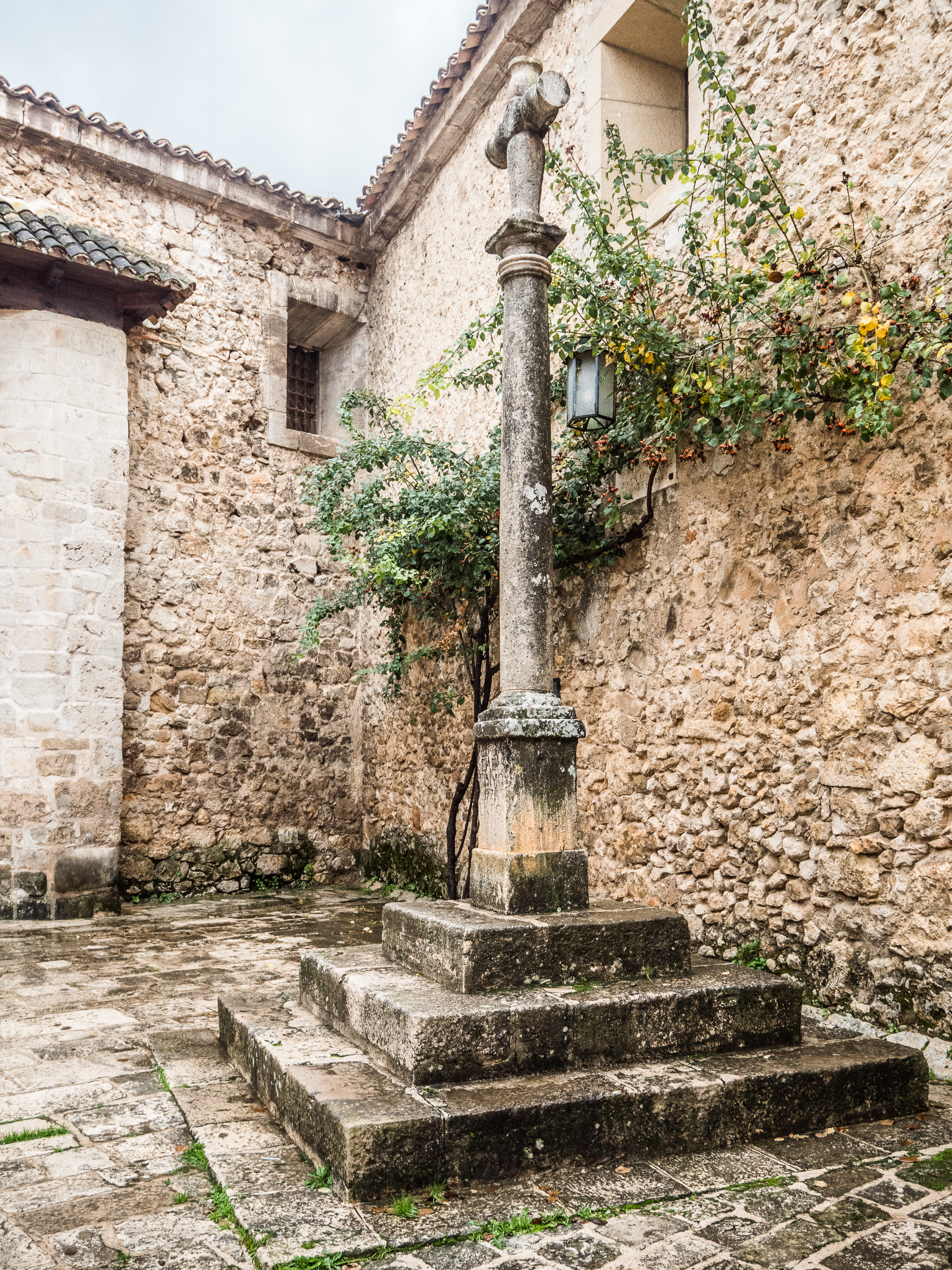
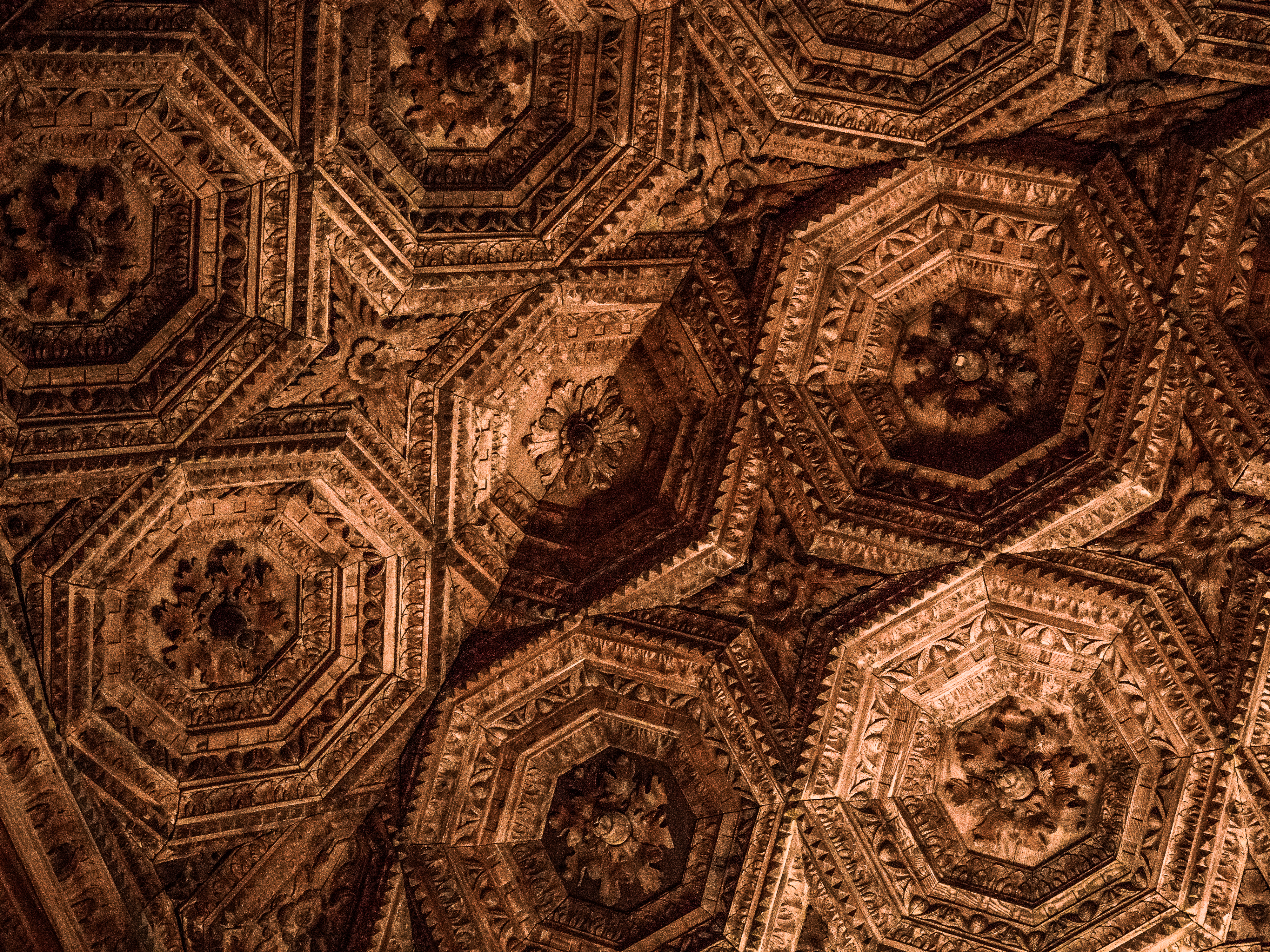
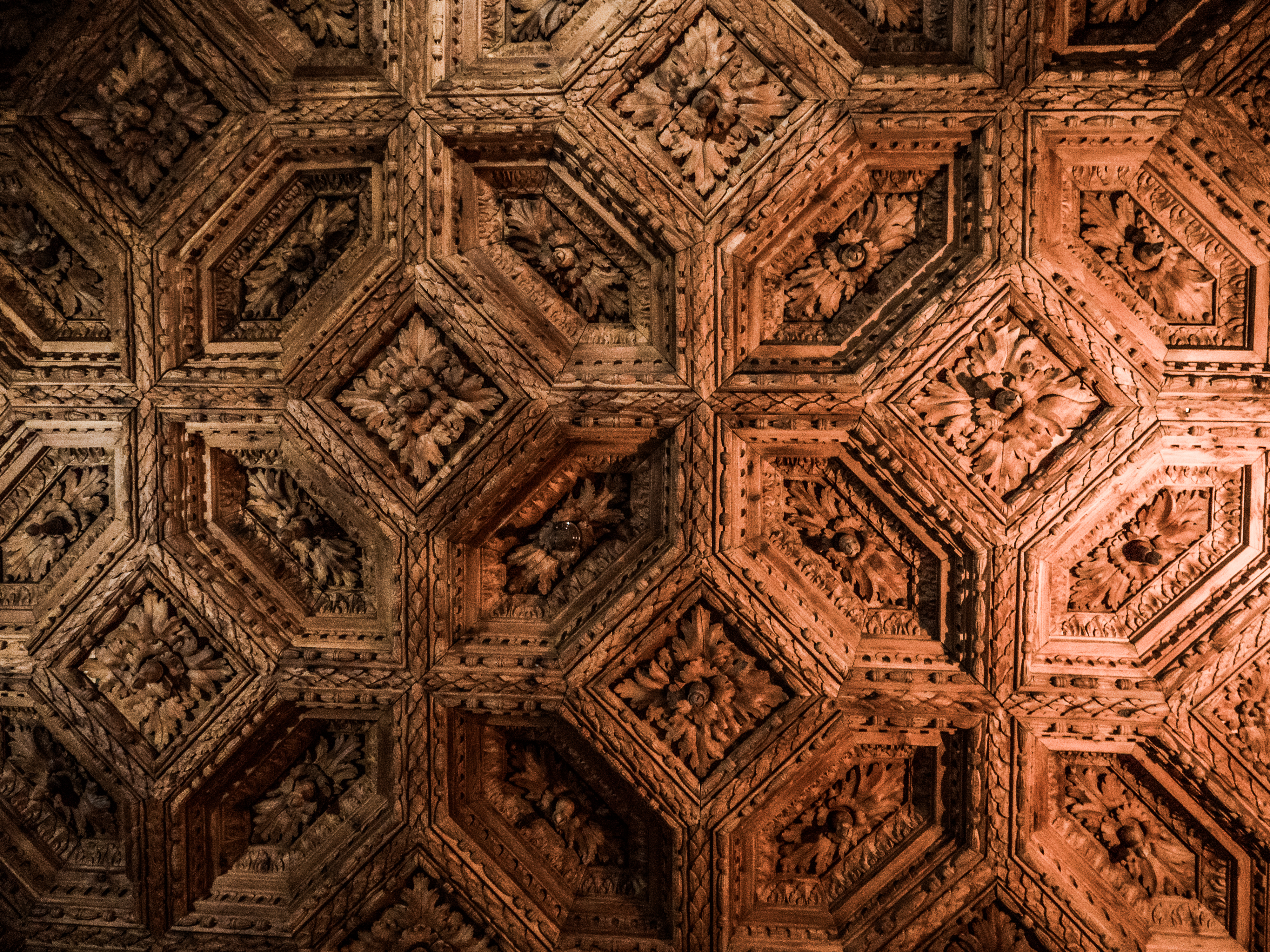
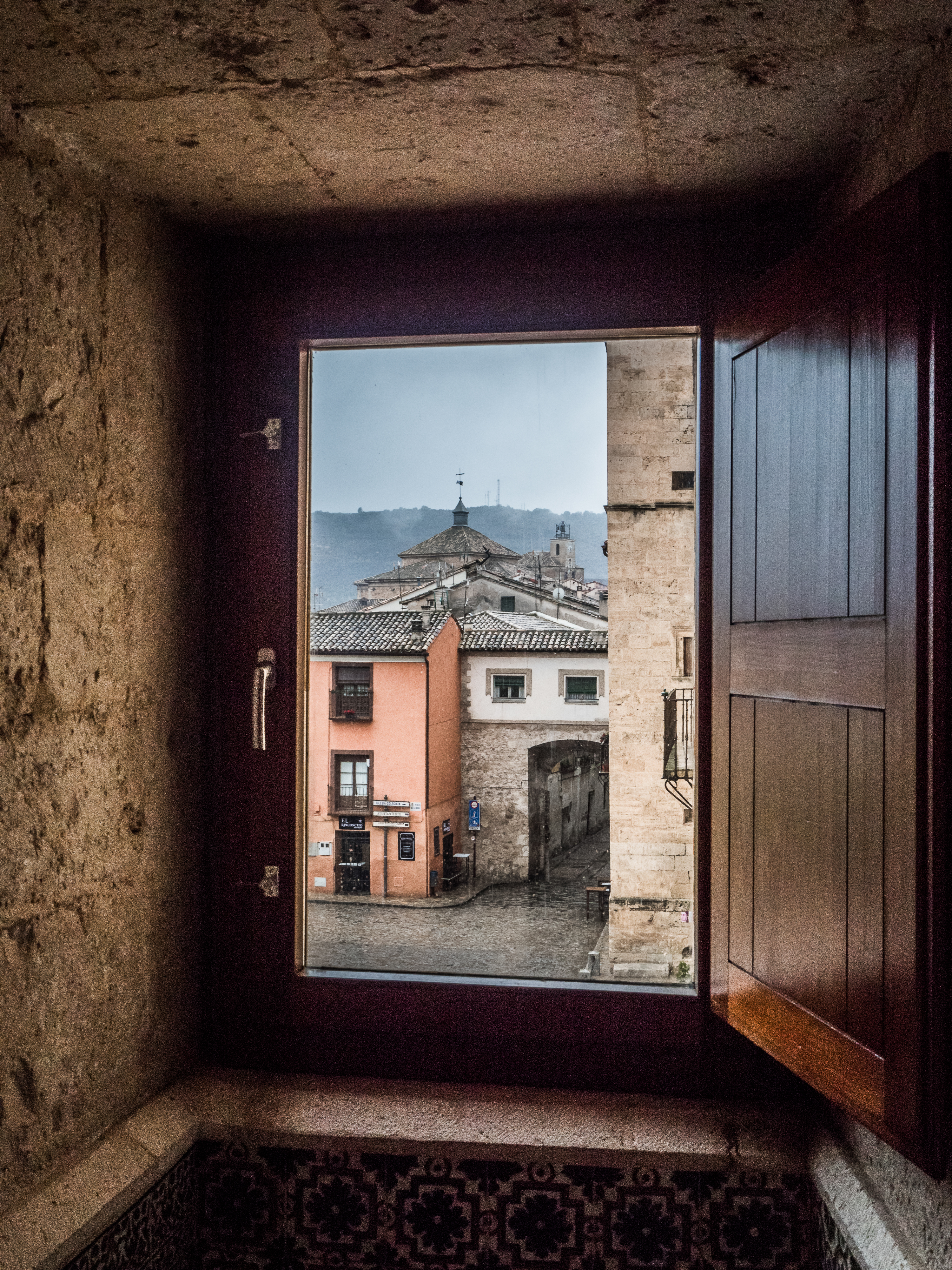
Pastrana – a beautiful medieval town located in the same area, some 15 km from Recópolis. You should not miss the visit to the Palacio Ducal, which hosts a large collection of XVI century artesonados, carved wooden cassette ceilings assembled into complicated patterns (the english term is Spanish ceiling). Ana de Mendoza, princess of Éboli, was imprisoned in the palace (her family home) for the last 13 years of her life, by order of King Felipe II, for reasons unclear. Ana de Mendoza was one of the most influential and richest women of her times, reportedly a great beauty, regardless the eyepatch (it is said that she lost the eye in a fencing accident when she was a young girl, which is why you should always wear the mask). It is not known what she’s done to piss off the king, who referred to her in private correspondence as “the mare”, but I think it is a safe bet to assume that she was guilty of the same thing that any woman to this day who dares to sin of ambition and skill: She was competition. Ana was allowed to spend one hour a day on the barred balcony that faces the central square of Pastrana, now called Plaza de la Hora (Square of the Hour), instead of “plaza Mayor” as in every other town in Spain.





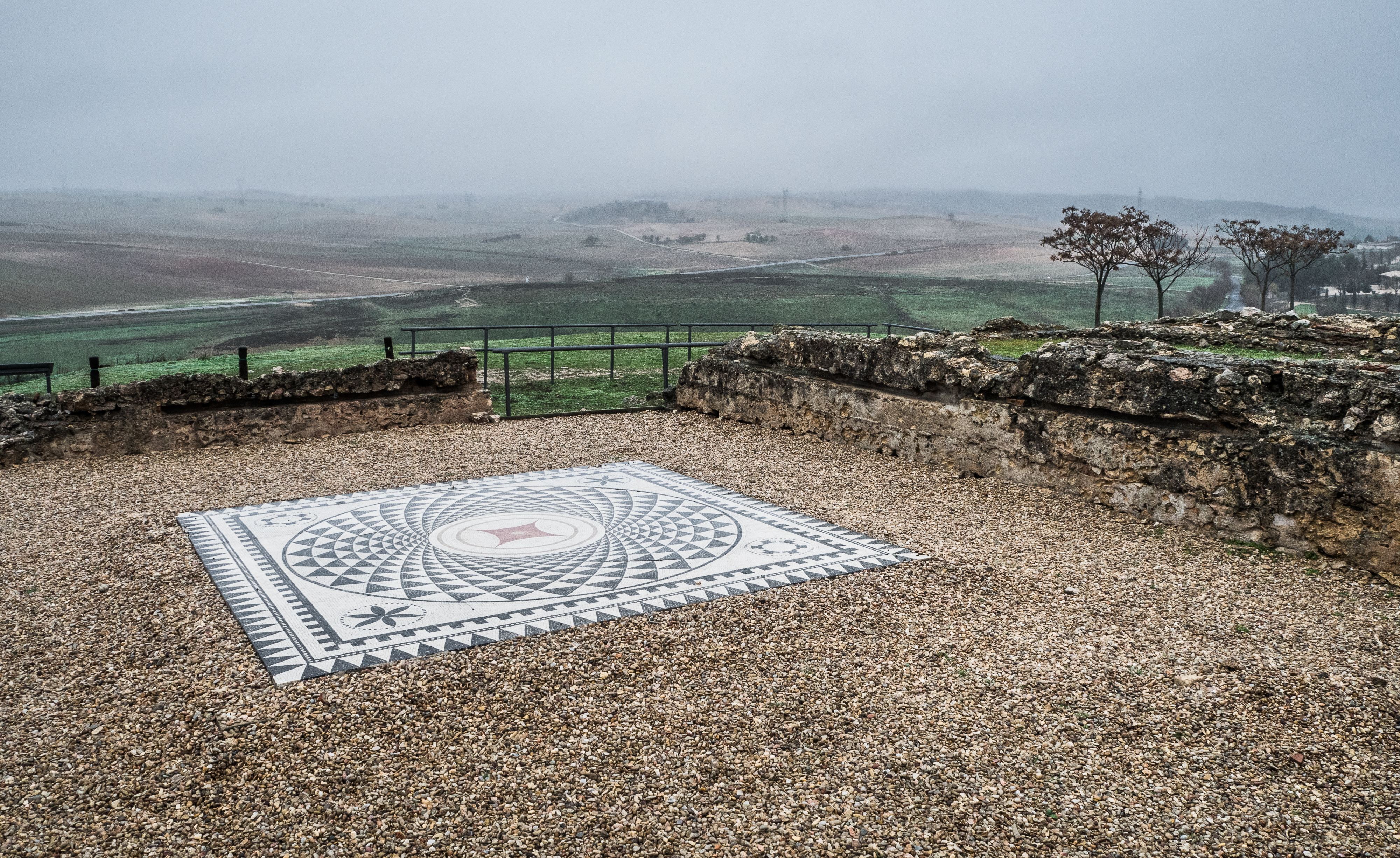
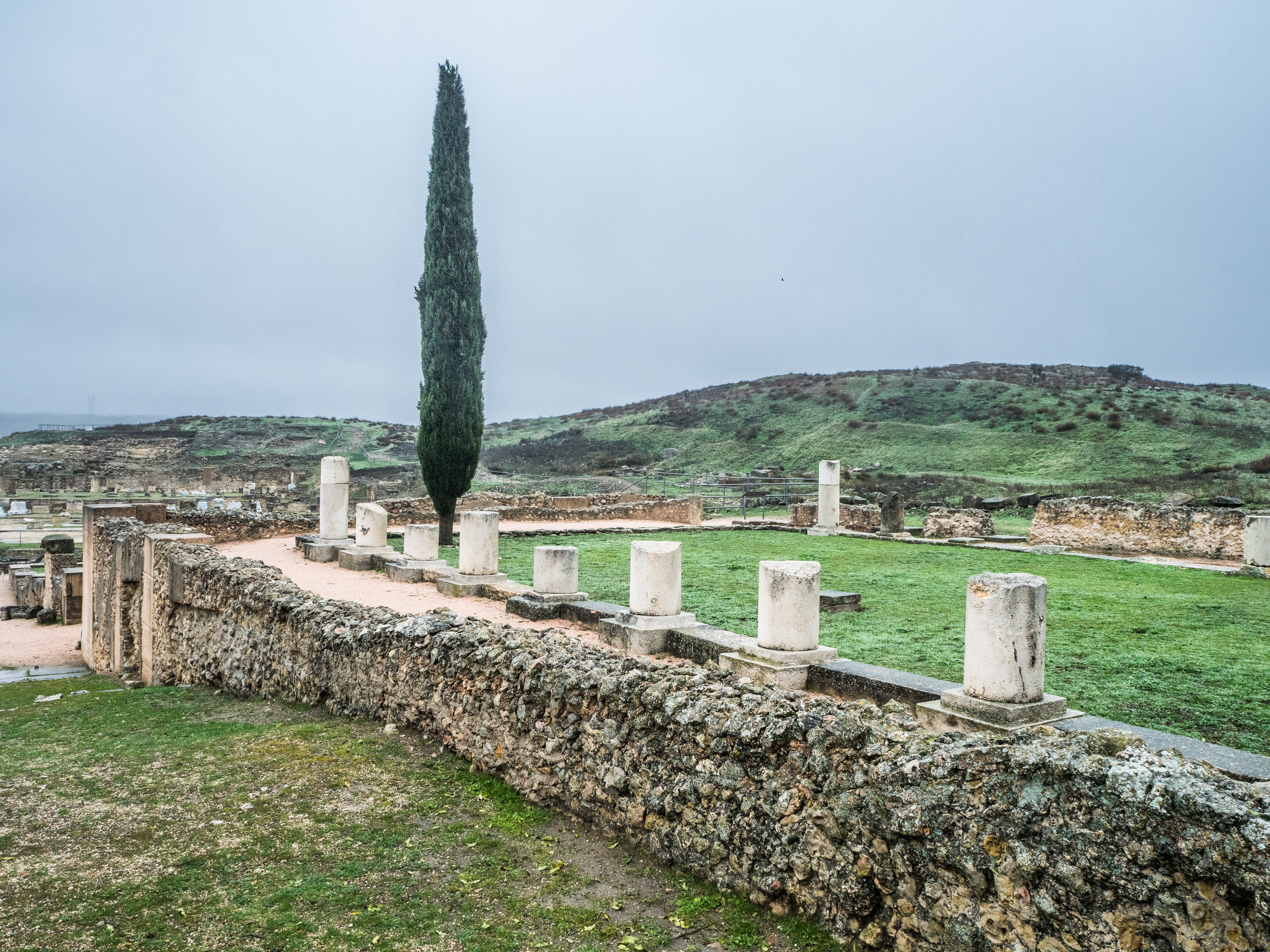
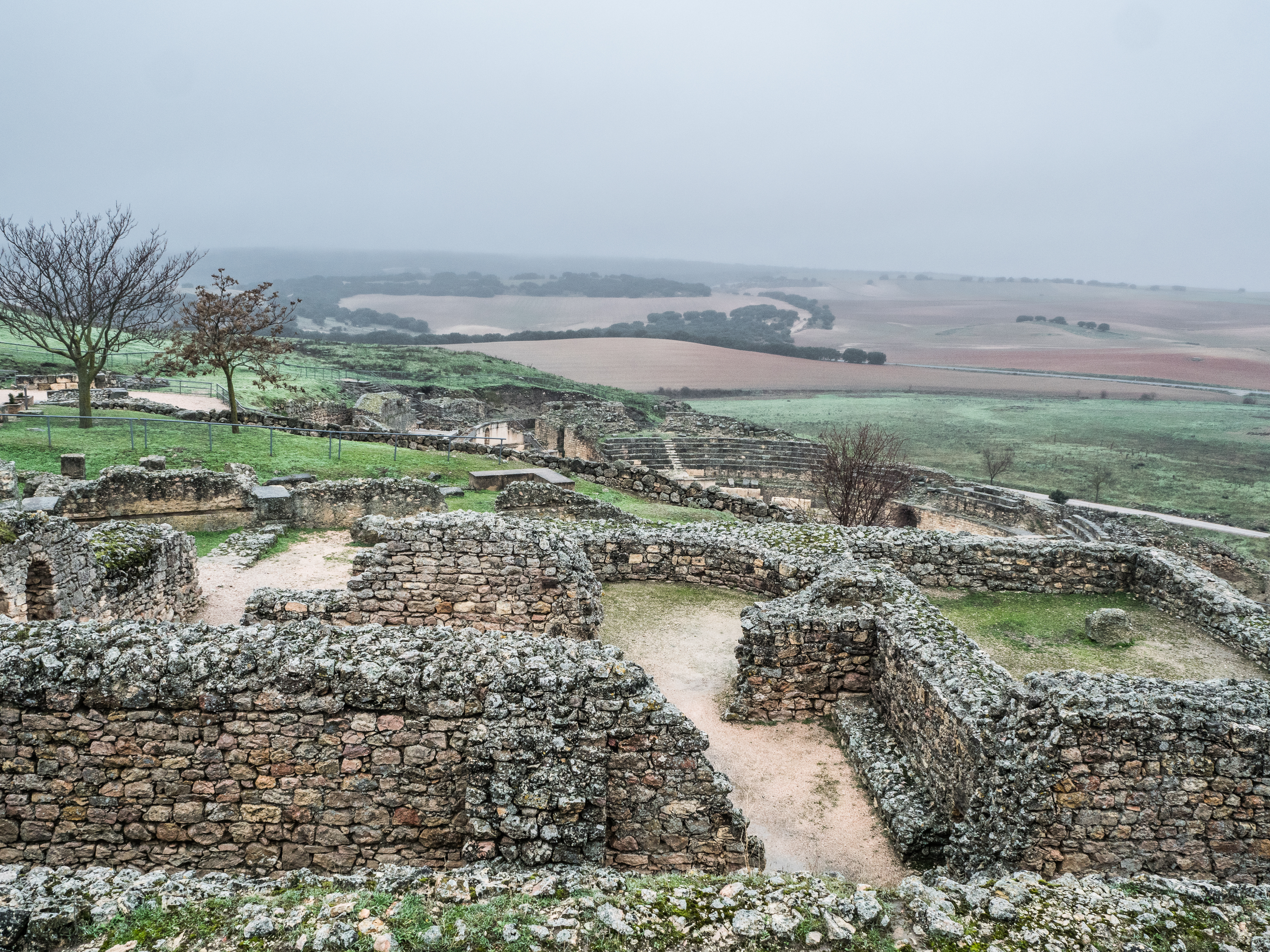
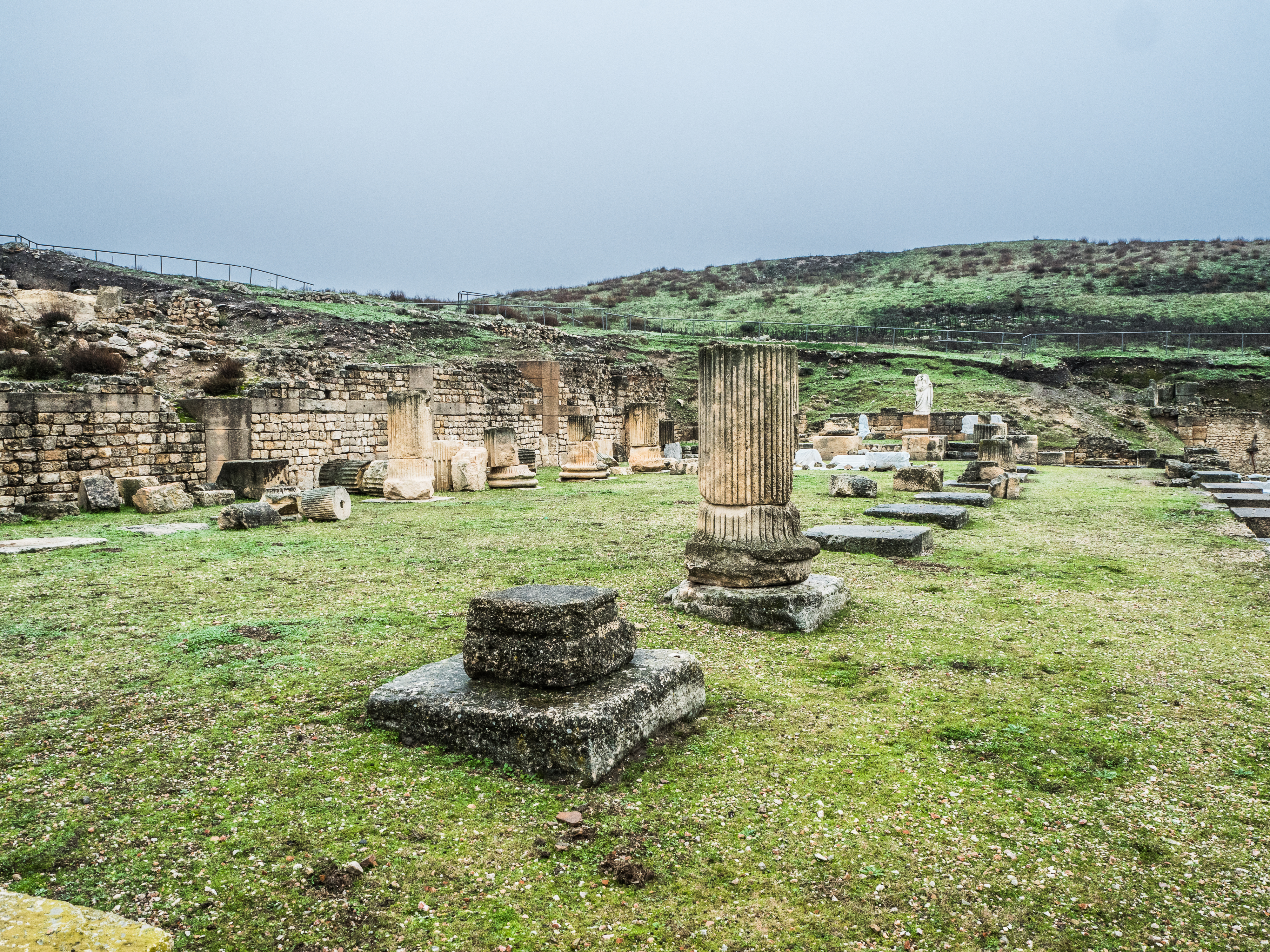
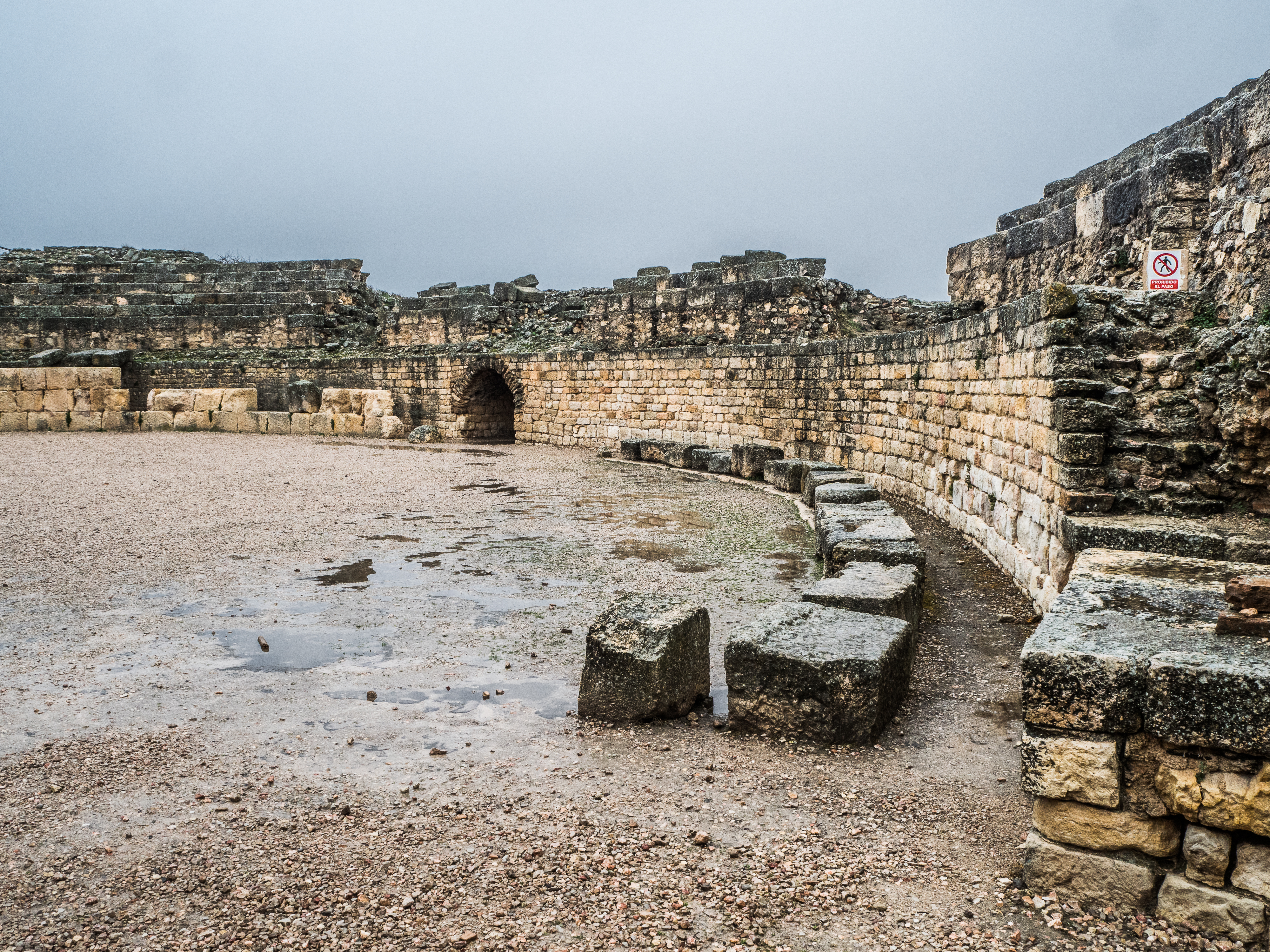
Segóbriga – a spectacular archeological site just an hour drive from Madrid towards Valencia. Segóbriga was originally a Celtiberian settlement, later conquered by the Romans, thus becoming a stipendiary city (meaning paying taxes to Rome). Around 12 BC, Segóbriga became a municipium, ruled by Roman citizens, which notably increased the city’s status and fuelled its economic boom. The city was completely walled, it had everything you would expect from roman urbanism: a theatre, an amphitheatre, monumental thermaes, smaller thermaes and a gymnasium as part of the theatre, a basilica, temples, a forum and a circus. It sort of seems that the Romans dedicated their lives to leisure. Clearly, Segóbriga must have been a holiday resort. At its peak splendour, Segóbriga hosted a population of around 6.000. It was still an important centre in the Visigoth period, as proved by rests of a V century christian basilica.








Hope this was useful to someone. More to come. Thanks for reading.


Dear Kacenka
Thank you for sending this interesting piece. I’m currently on Eurostar on my way home from the Paris Criterium. It wasn’t my best result… certainly not as good as Madrid. 😂
Etienne (and Simon, of course!) fence tomorrow . I hope they do a bit better. Simon comes up my age group next year, that’ll be interesting as the ‘good‘ people in 60-69 are now closer to the 69 end.
Might see you again one day, I haven’t yet discussed with my coach our plans from September, we’ll have to see. I’m making a few changes to my fencing which could give some long term benefits, we’ll have to see
Thank you very much again, and kind regards
Pete
x
LikeLike