As I already said elsewhere on this blog, one of the best features of fencing in the veteran circuit in Spain are the competition destinations. The timing is not always well thought through: we had Córdoba during Patios weekend (flower festival and the major tourist event of the year, you can imagine the accommodation situation), or Valencia during Fallas (the city celebrates their patron saint by staging a massive fireworks show, impossible to get a decent hotel without booking roughly two years ahead), and we regularly have events in Barcelona, which oscillates between expensive all the time and horribly expensive whenever Barca plays at home. This year’s national finals were fought in Donostia, or San Sebastian, in the Basque Country, and true enough, I think I spent more in pintxos and txakoli in 4 days than I would have spent for 2 weeks all-inclusive in Maldives (including the flights). There is a reason why there are 16 Michelin stars in Donostia.
Although Spain operates the longest high-speed train network in Europe, the railway progress hasn’t reached this far north yet. The project to connect the Basque Country with the rest of Spain and French TGV network exists since 1980s, but for many reasons (ETA assassinating the owner of the construction company being one, complicated landscape and chaotic jurisdiction being others) hasn’t moved forward. Long story short, I drove. I rented a little Fiat 500 (the only thing I am more or less able to park), took a couple of days off on top of the weekend and went for a road trip. I was considering taking the bike, too, after all Euskadi is the most cycling-friendly province in already very cycling-friendly Spain, but I can either fit my fencing bag or my bike into the 500, not both.
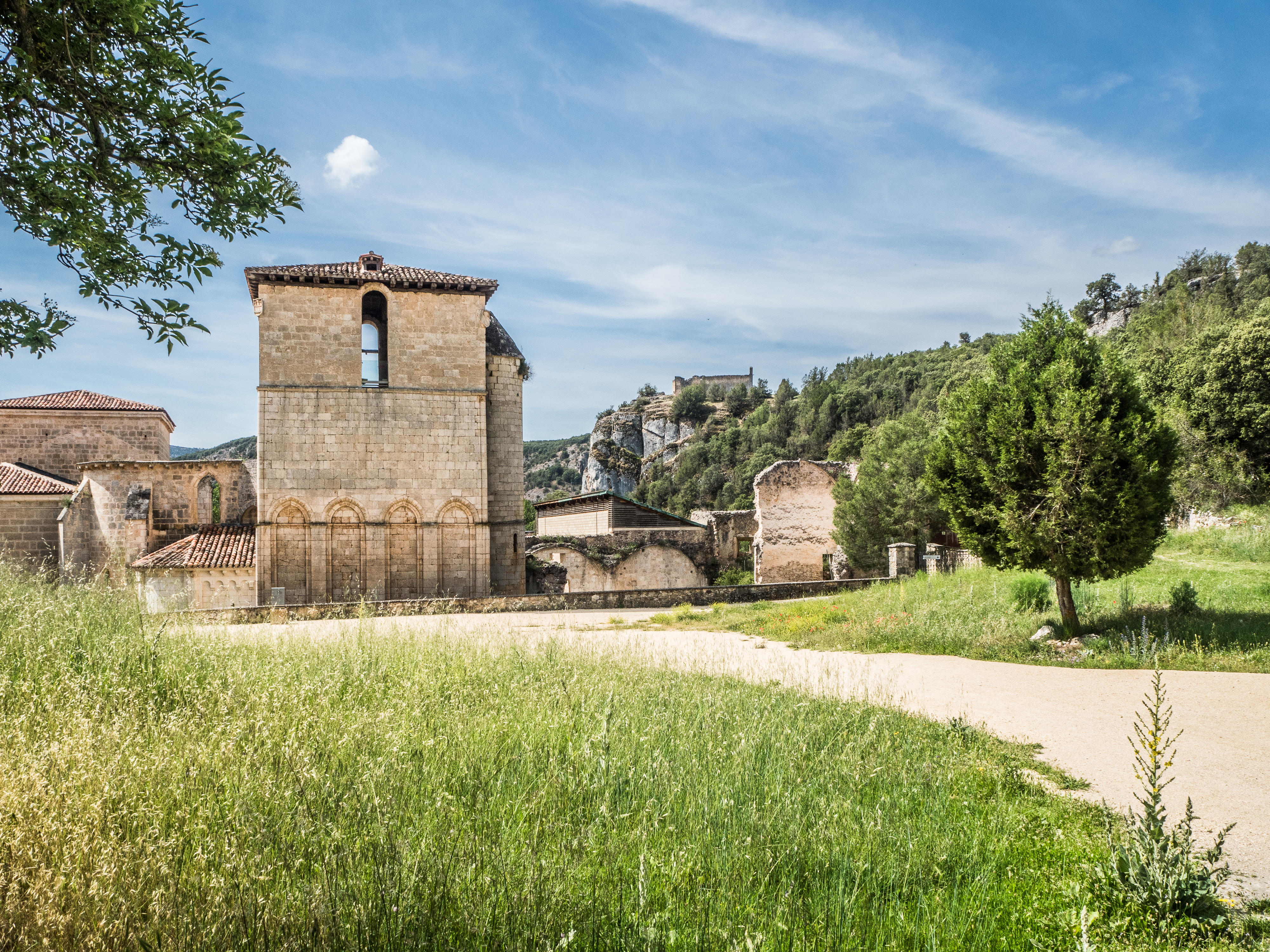
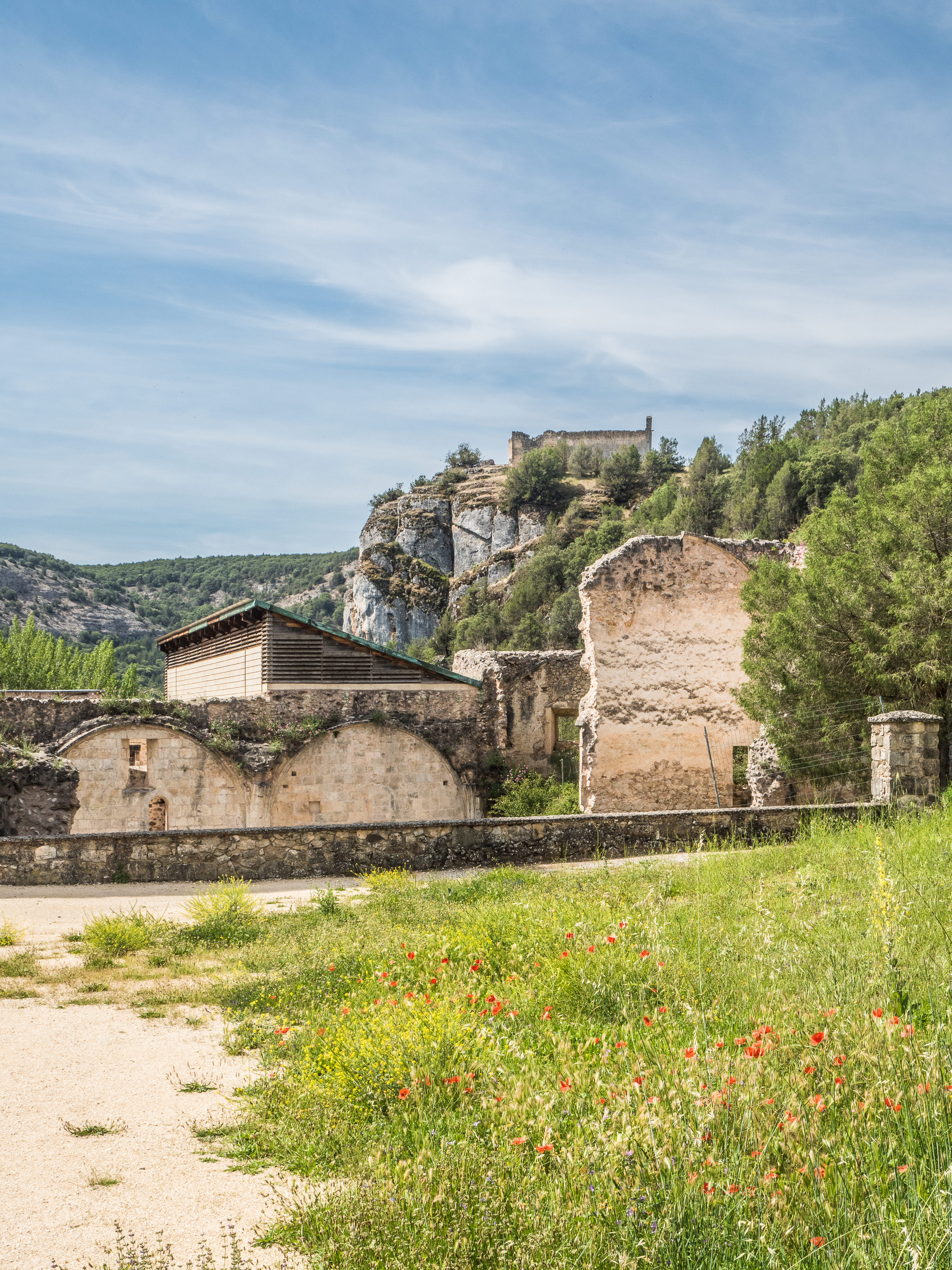
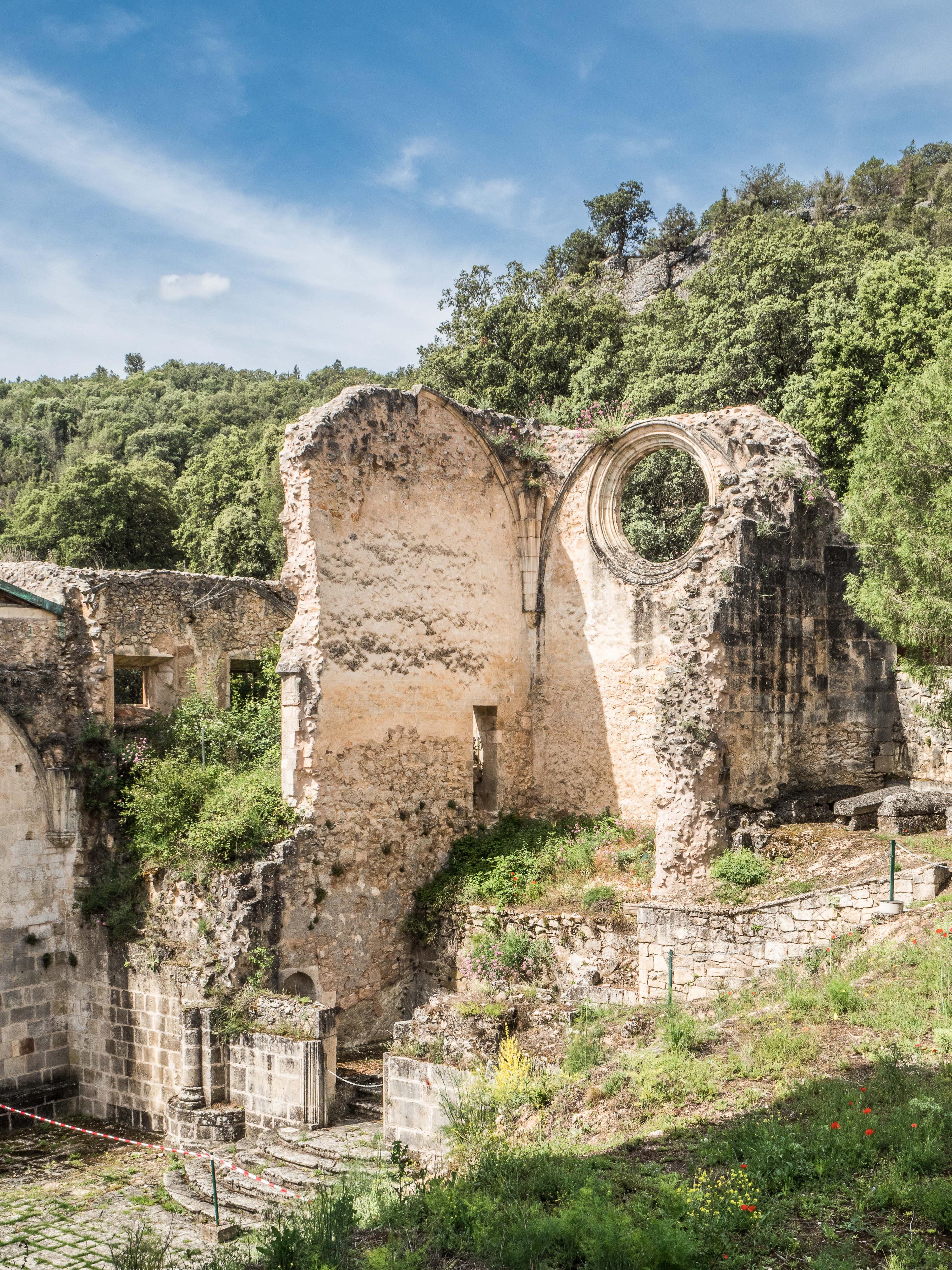
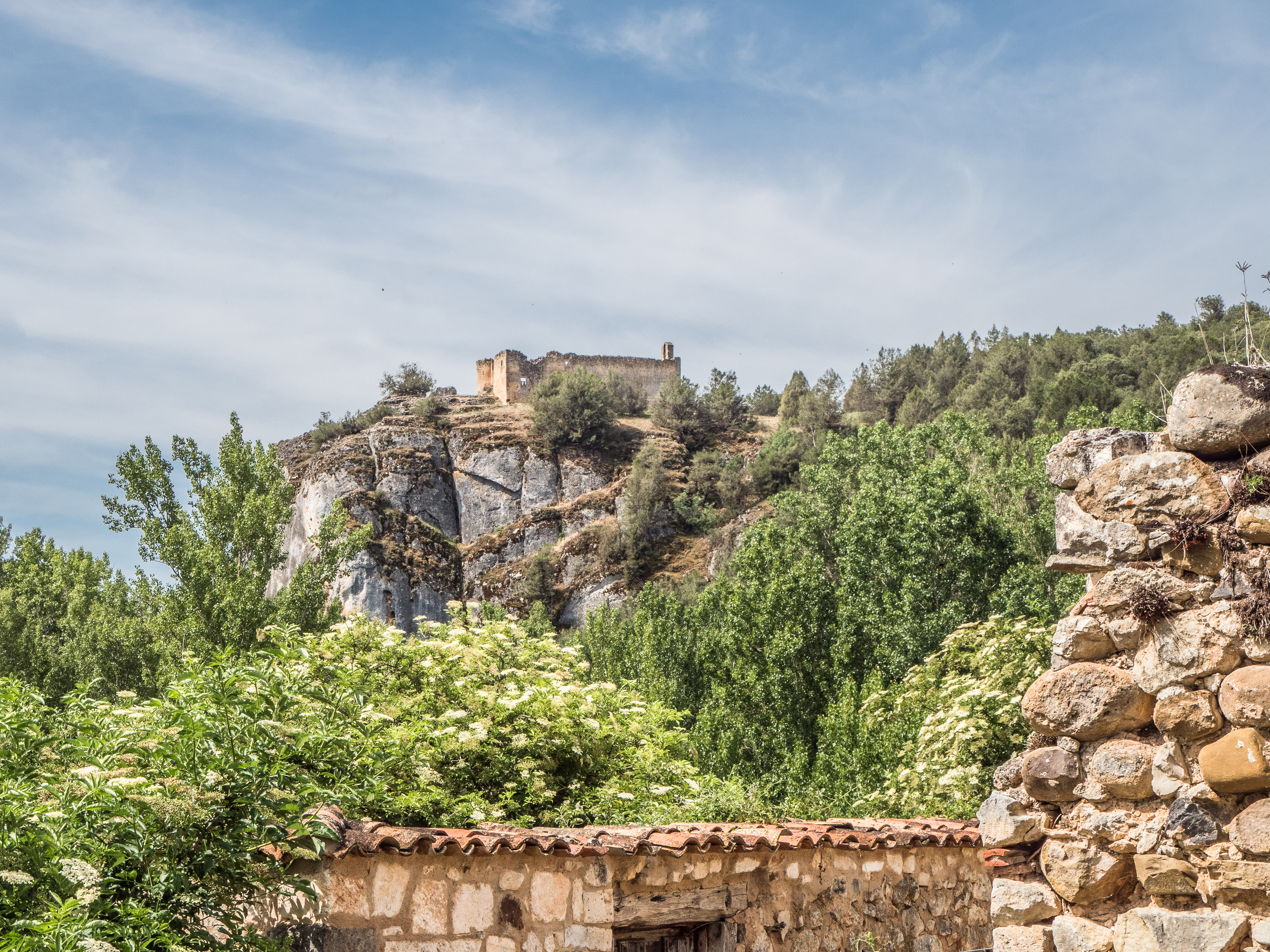
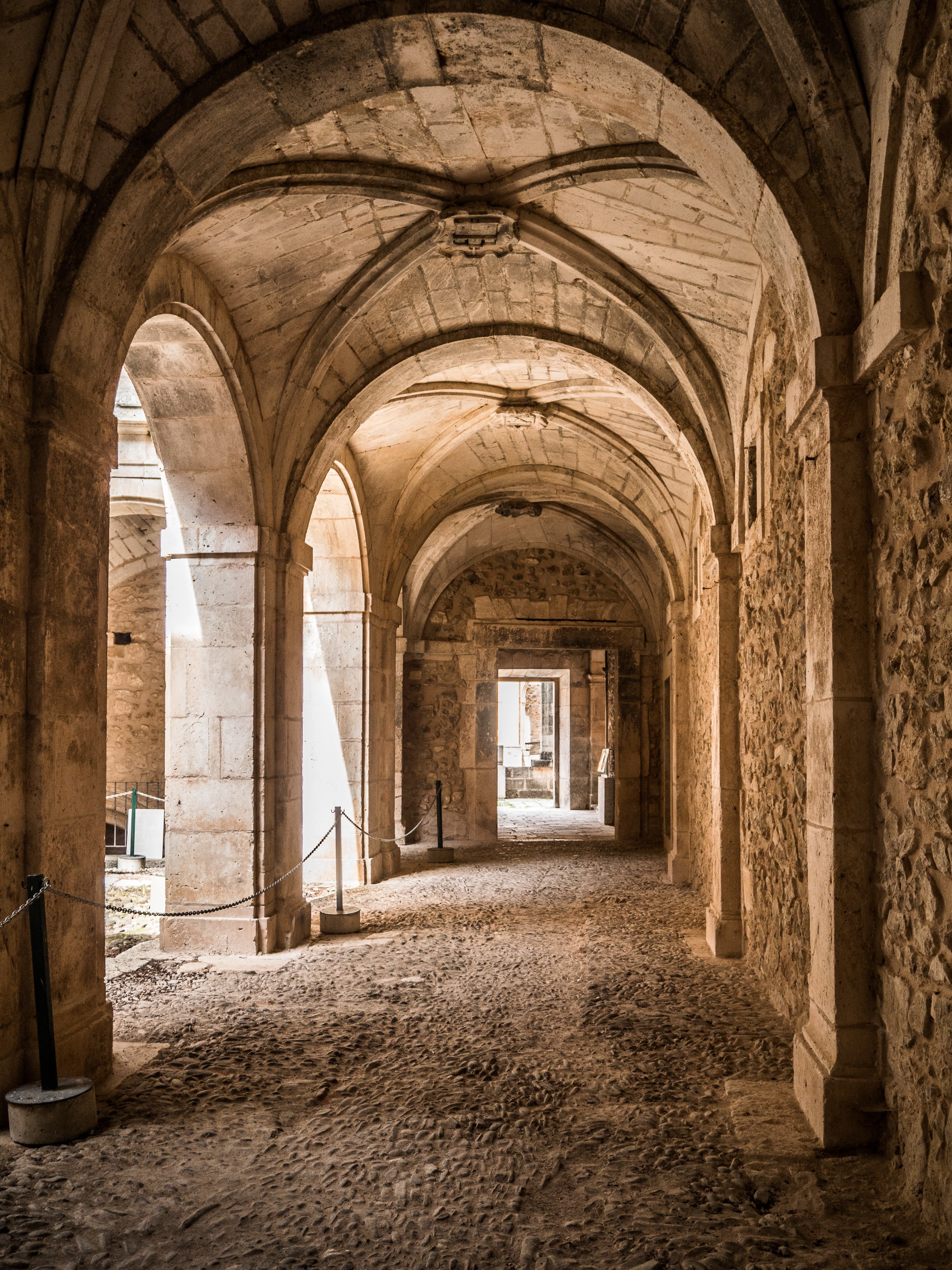
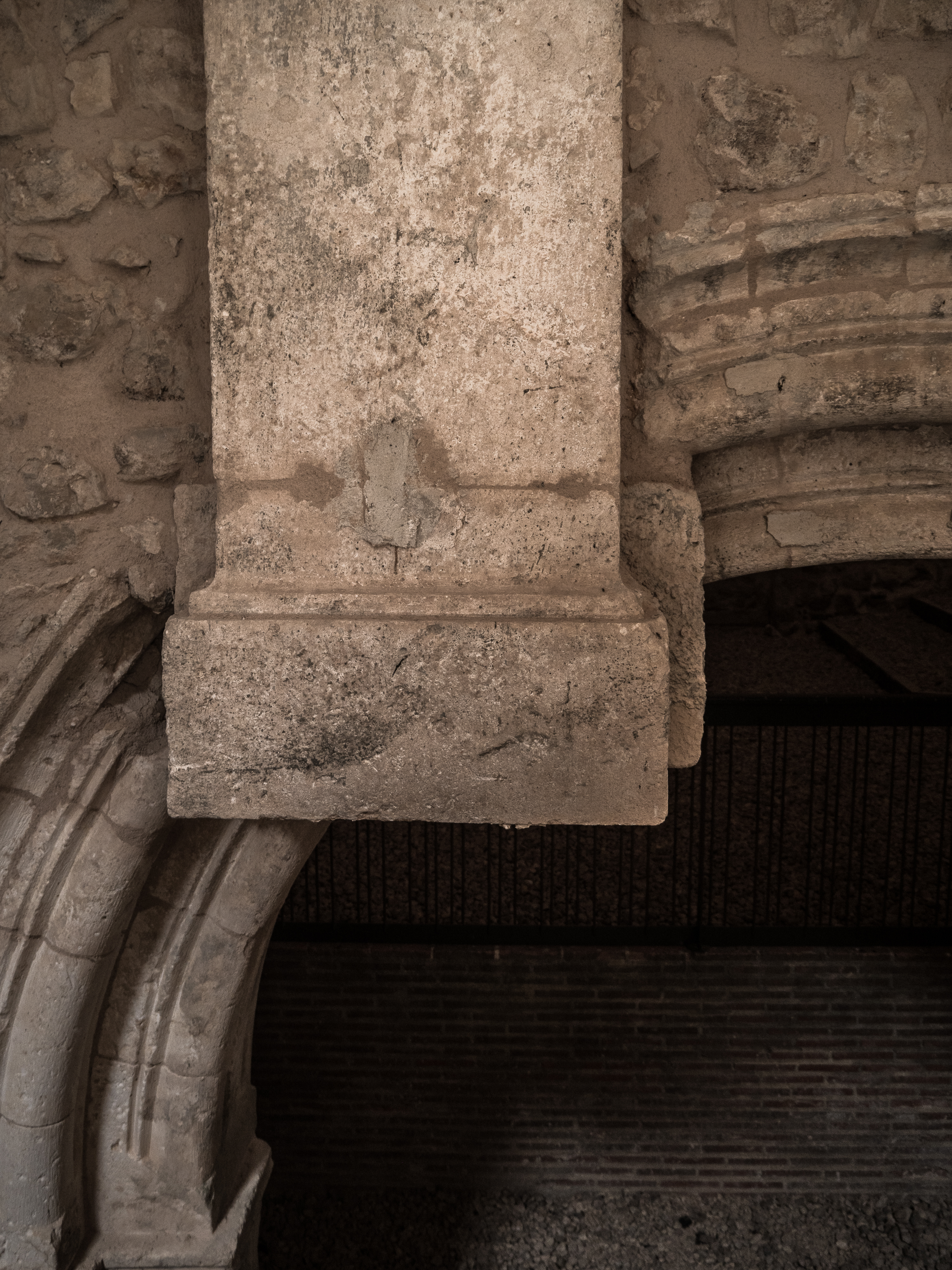
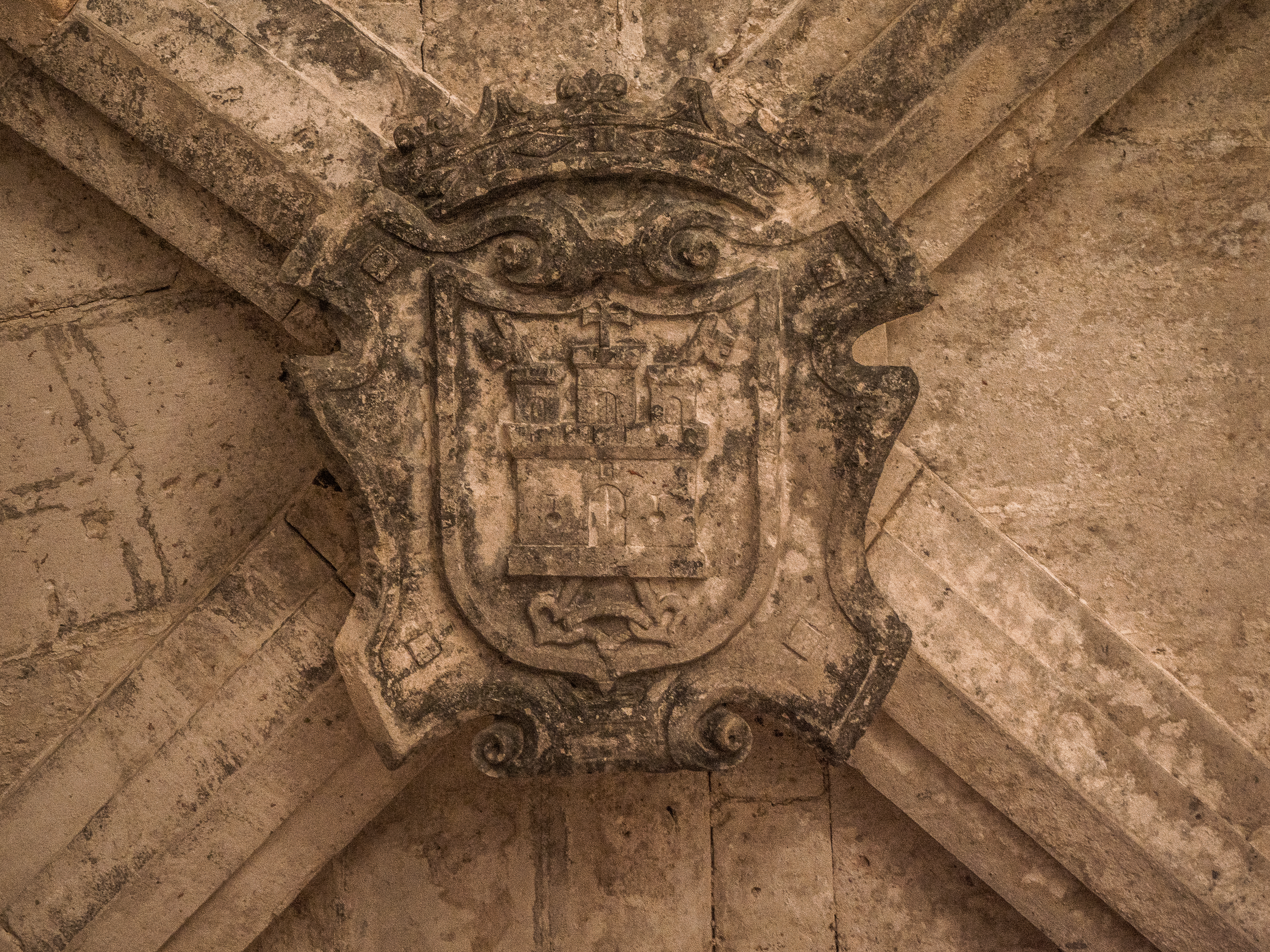
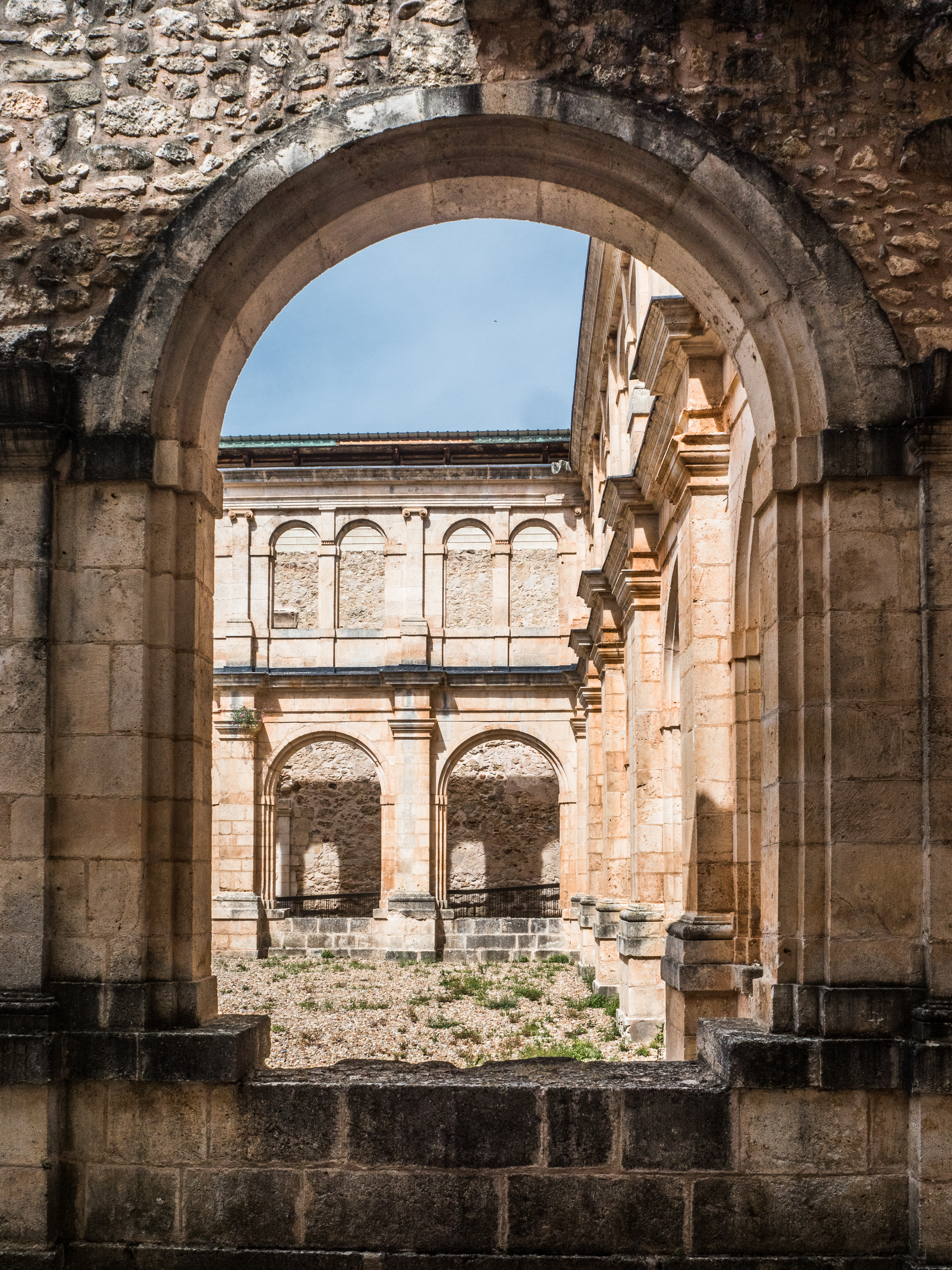
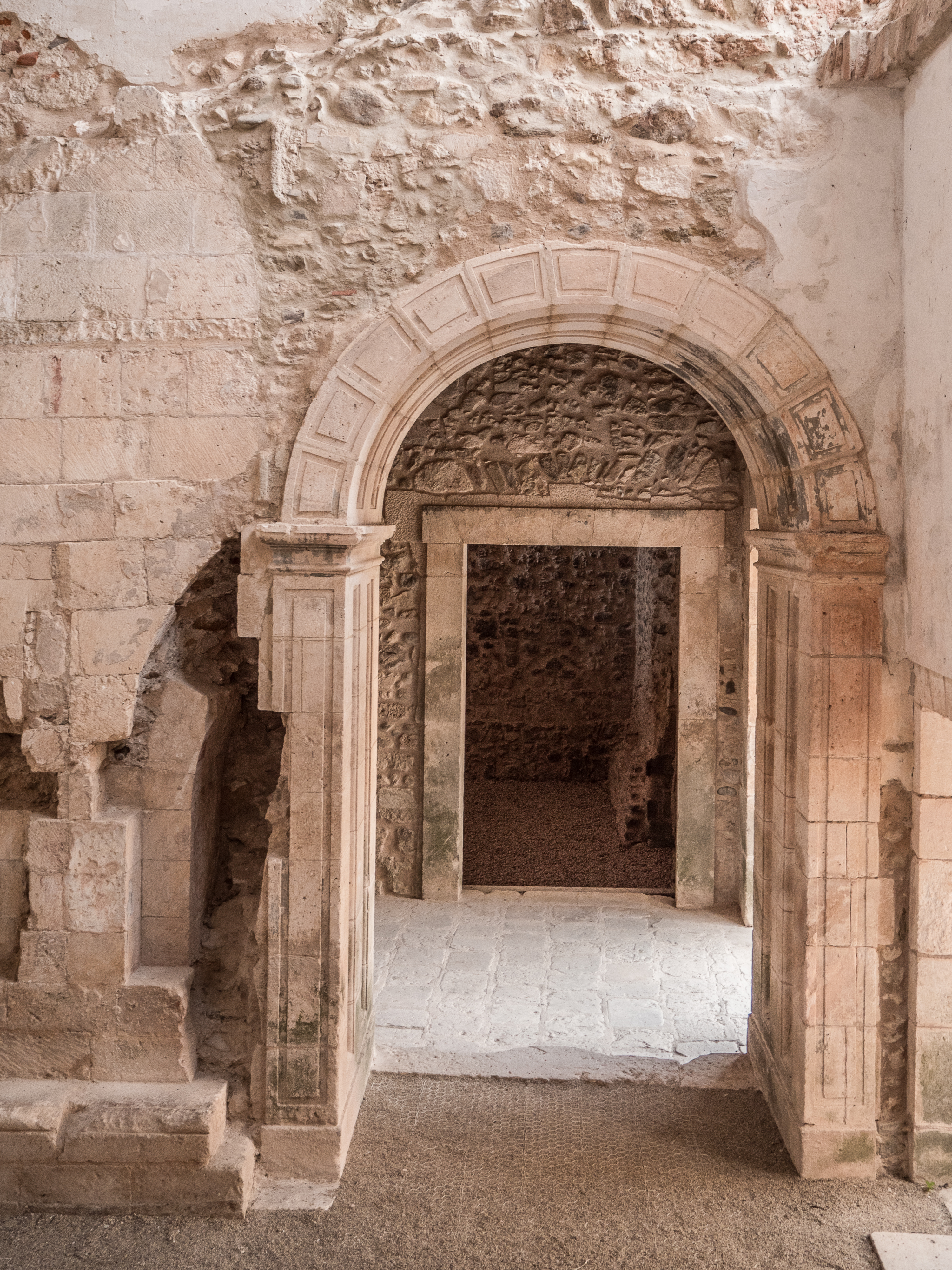
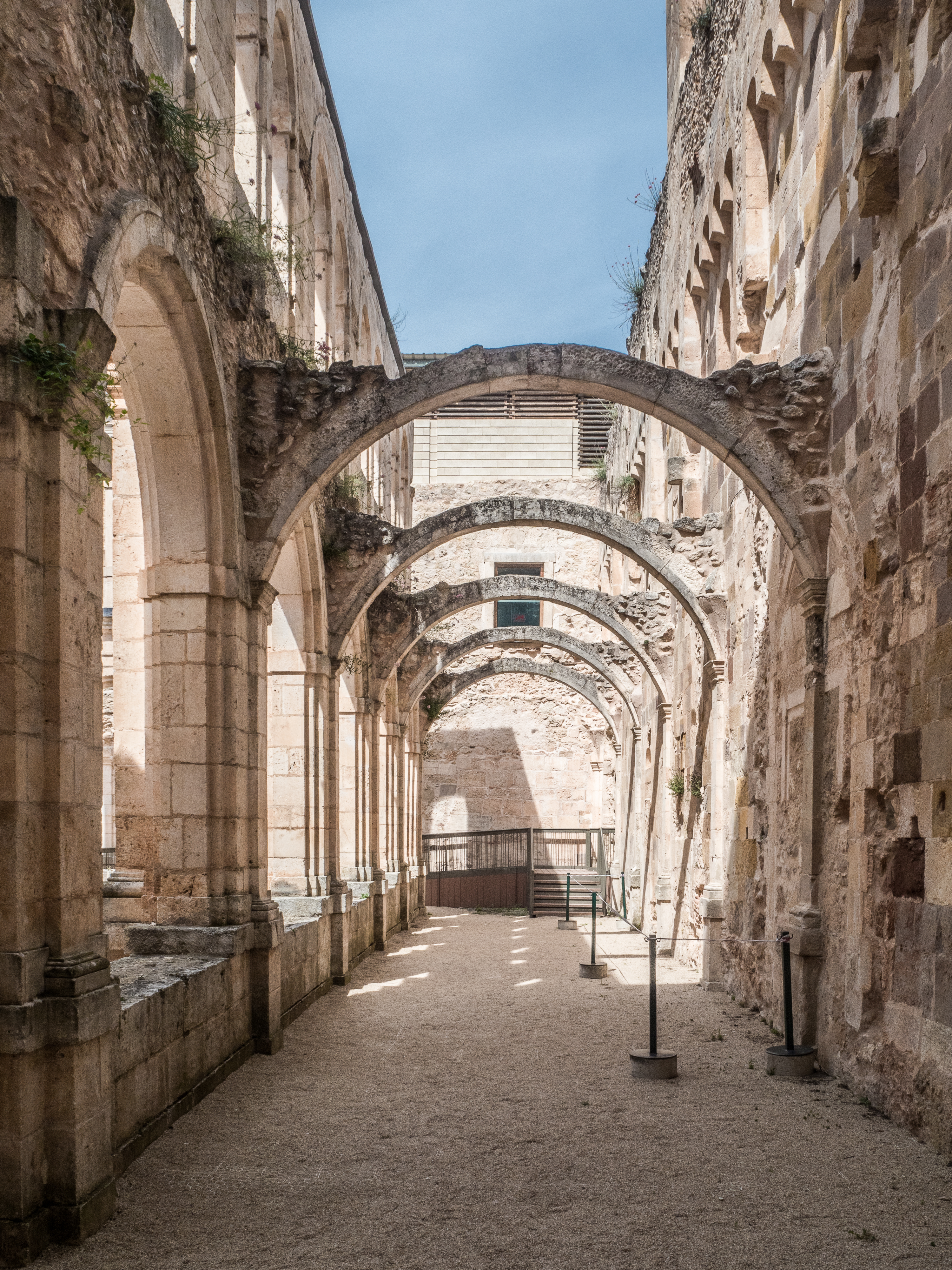
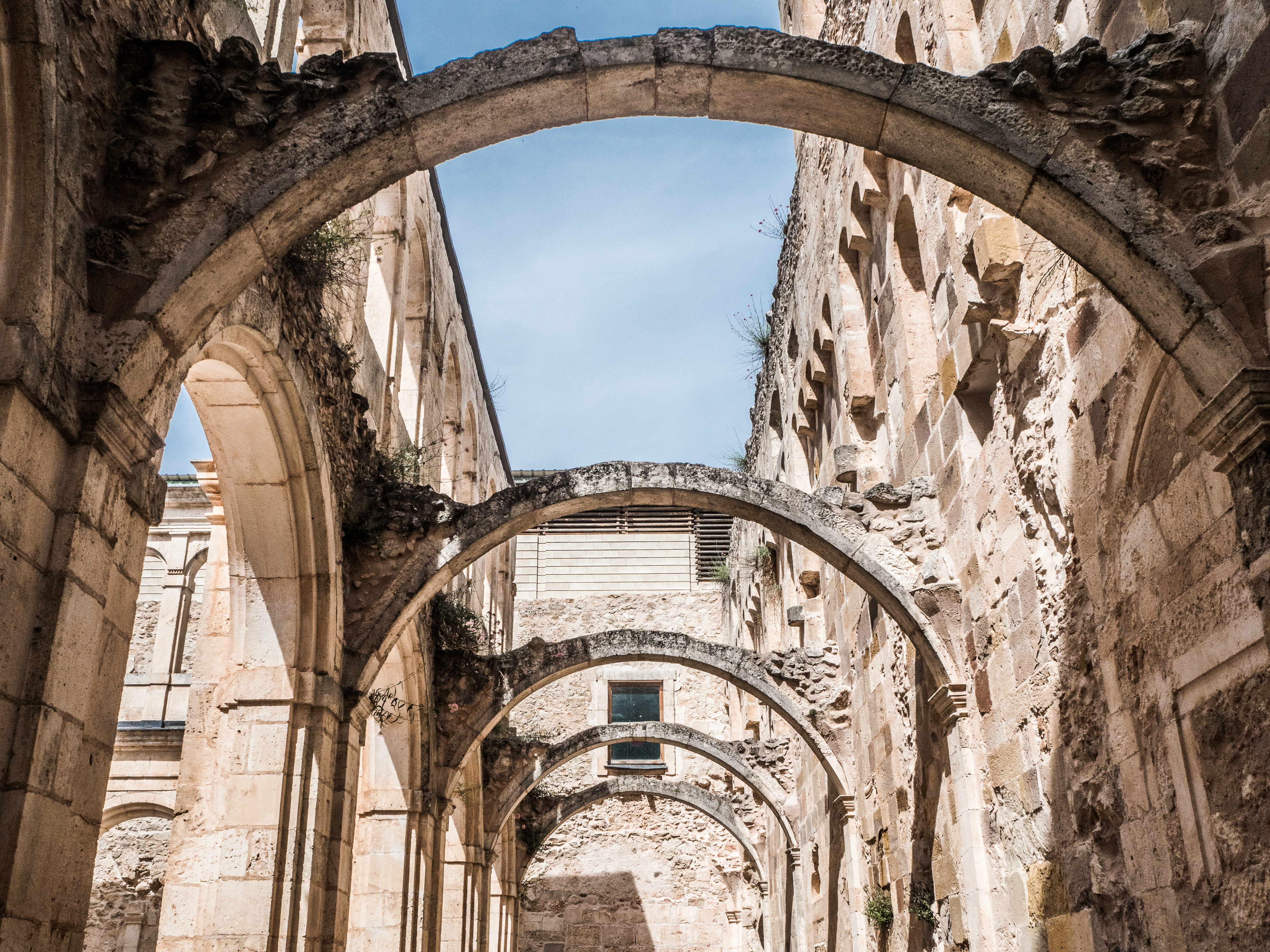
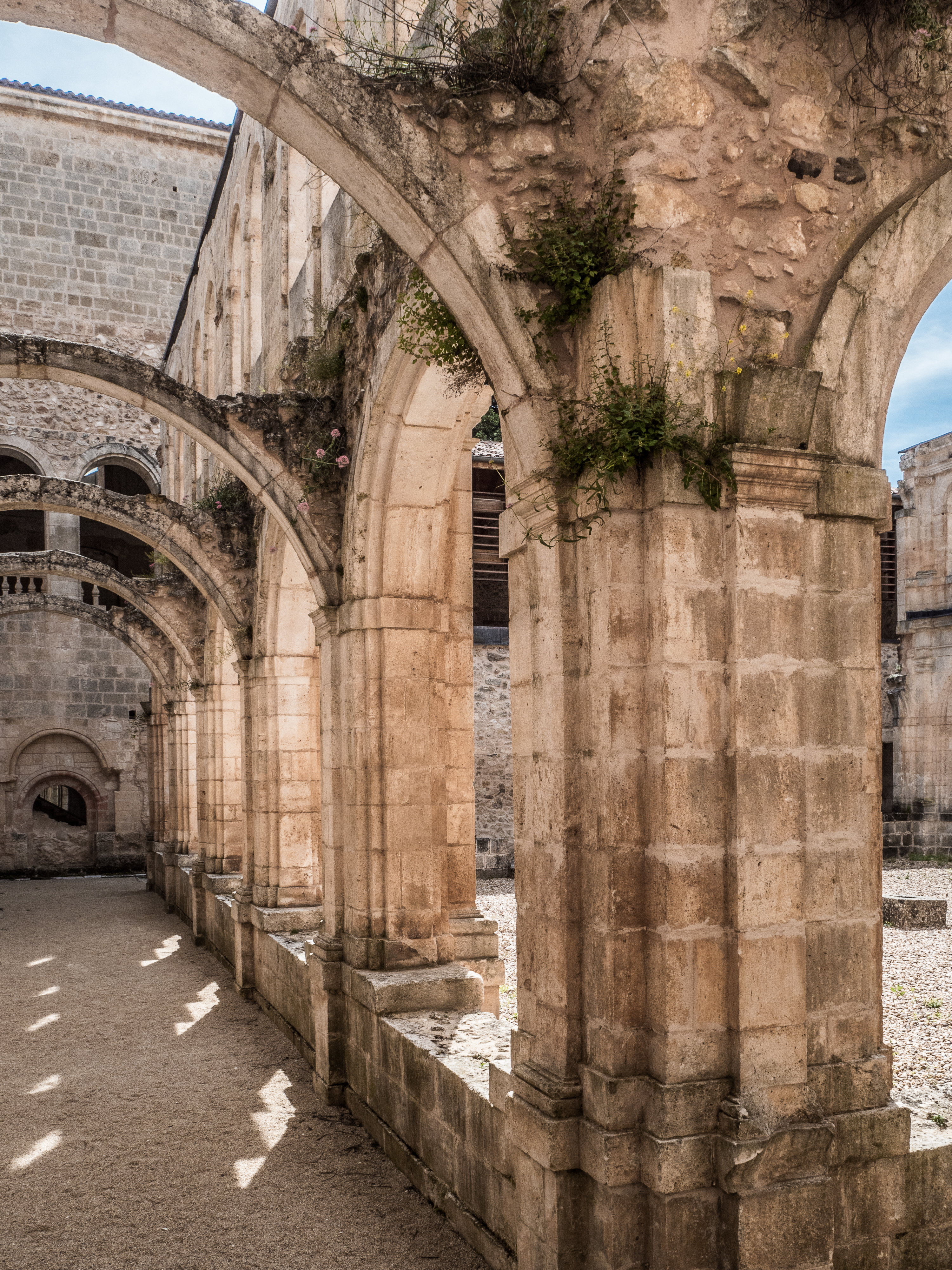
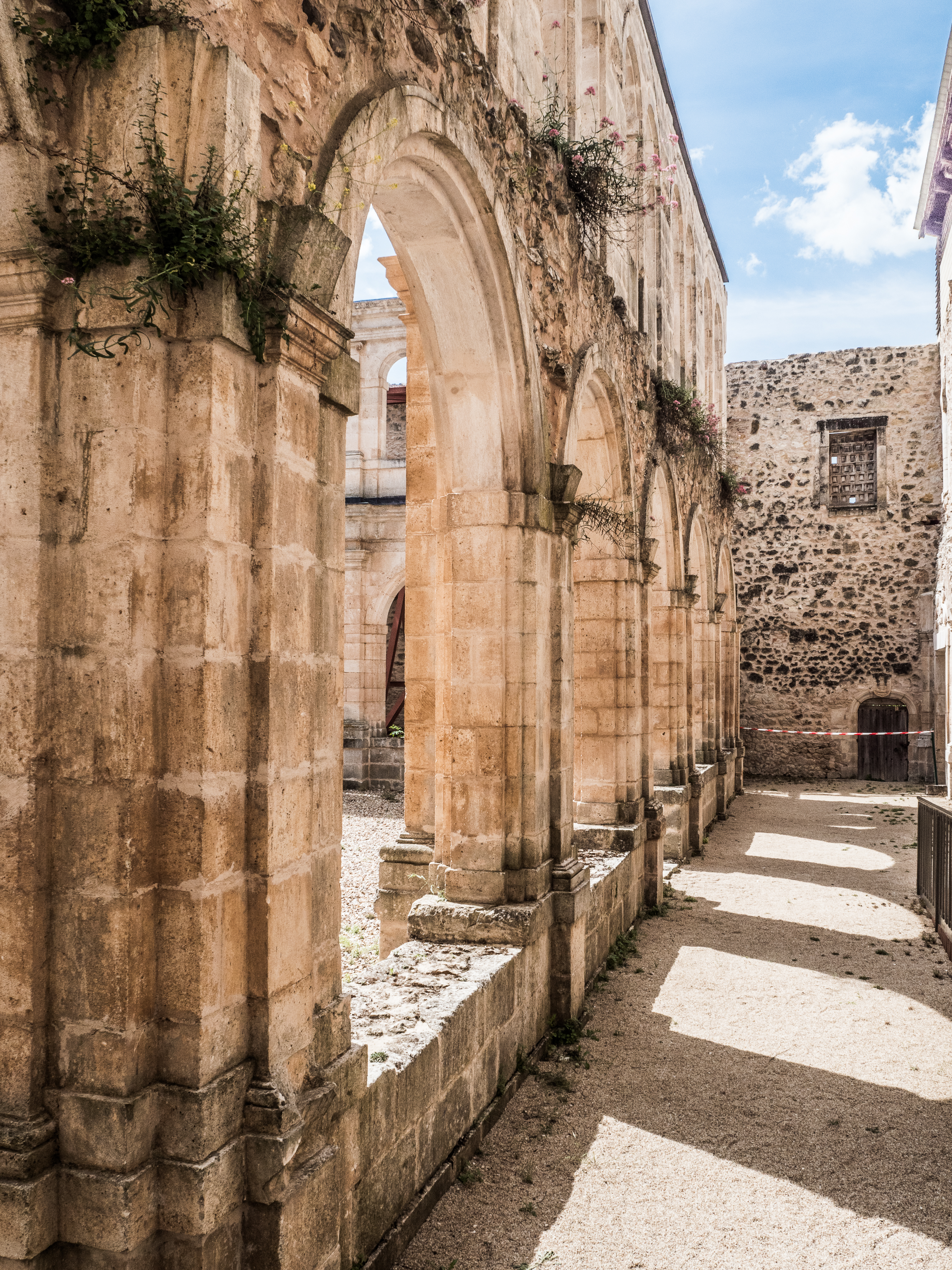
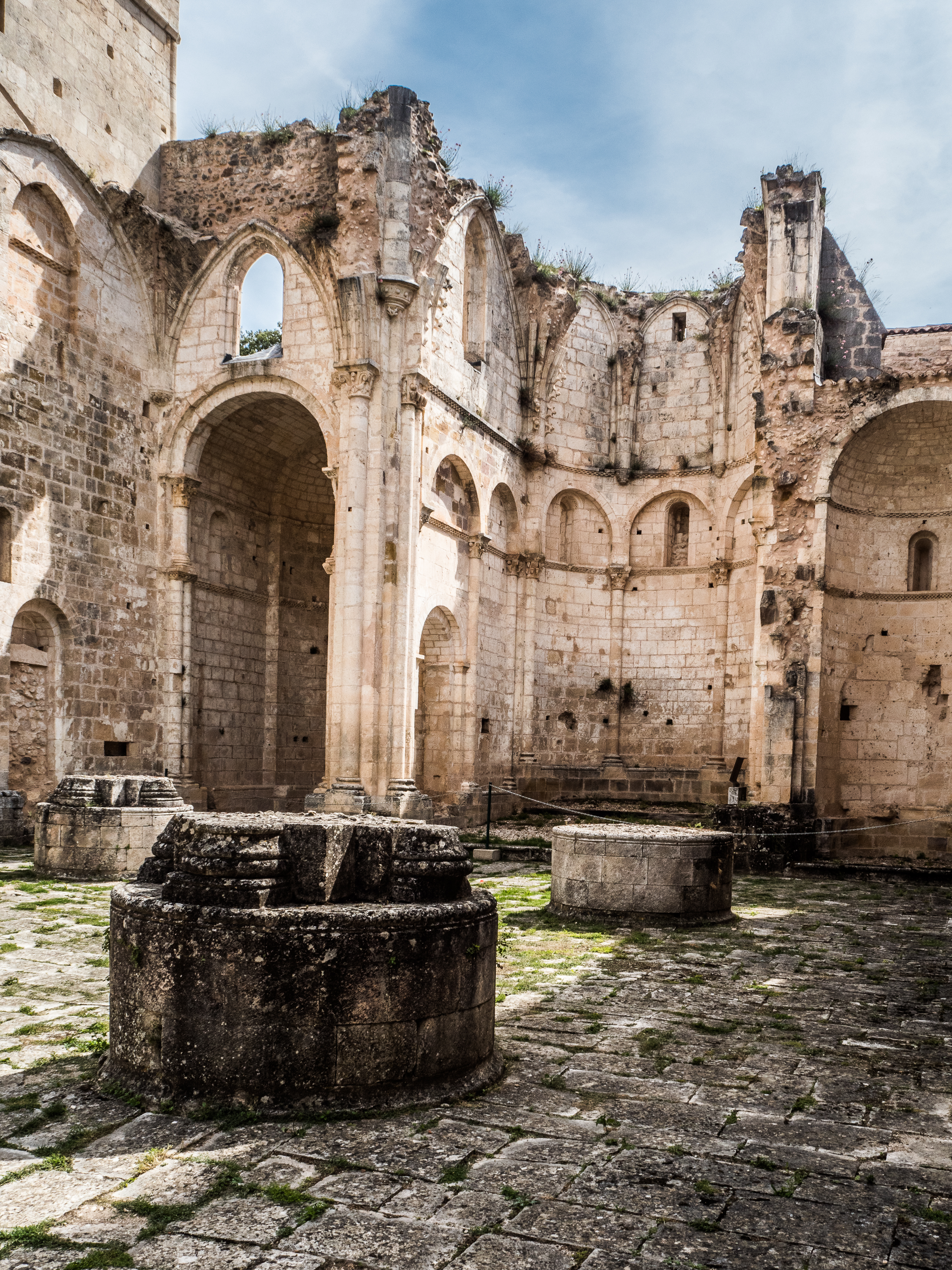
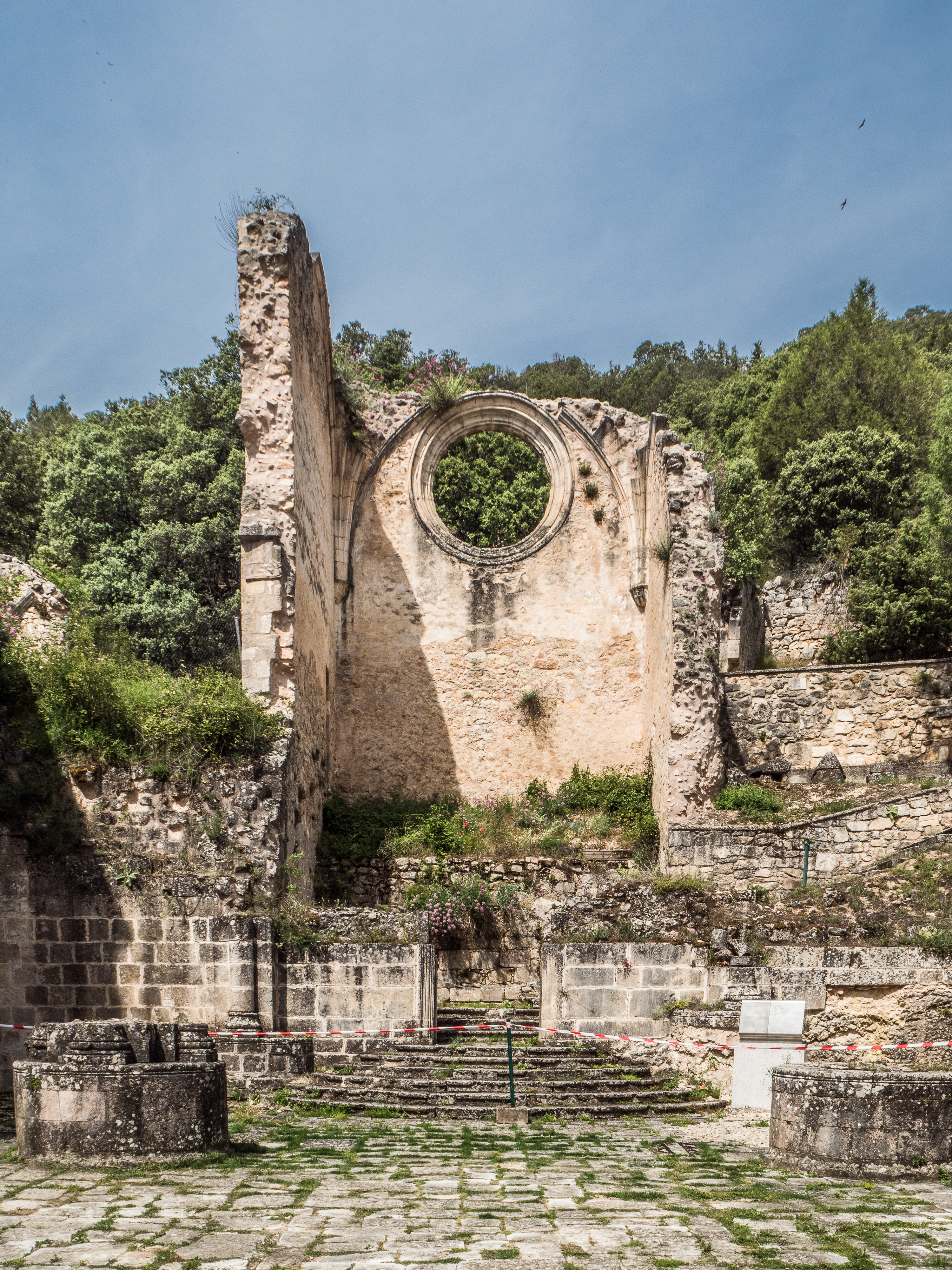
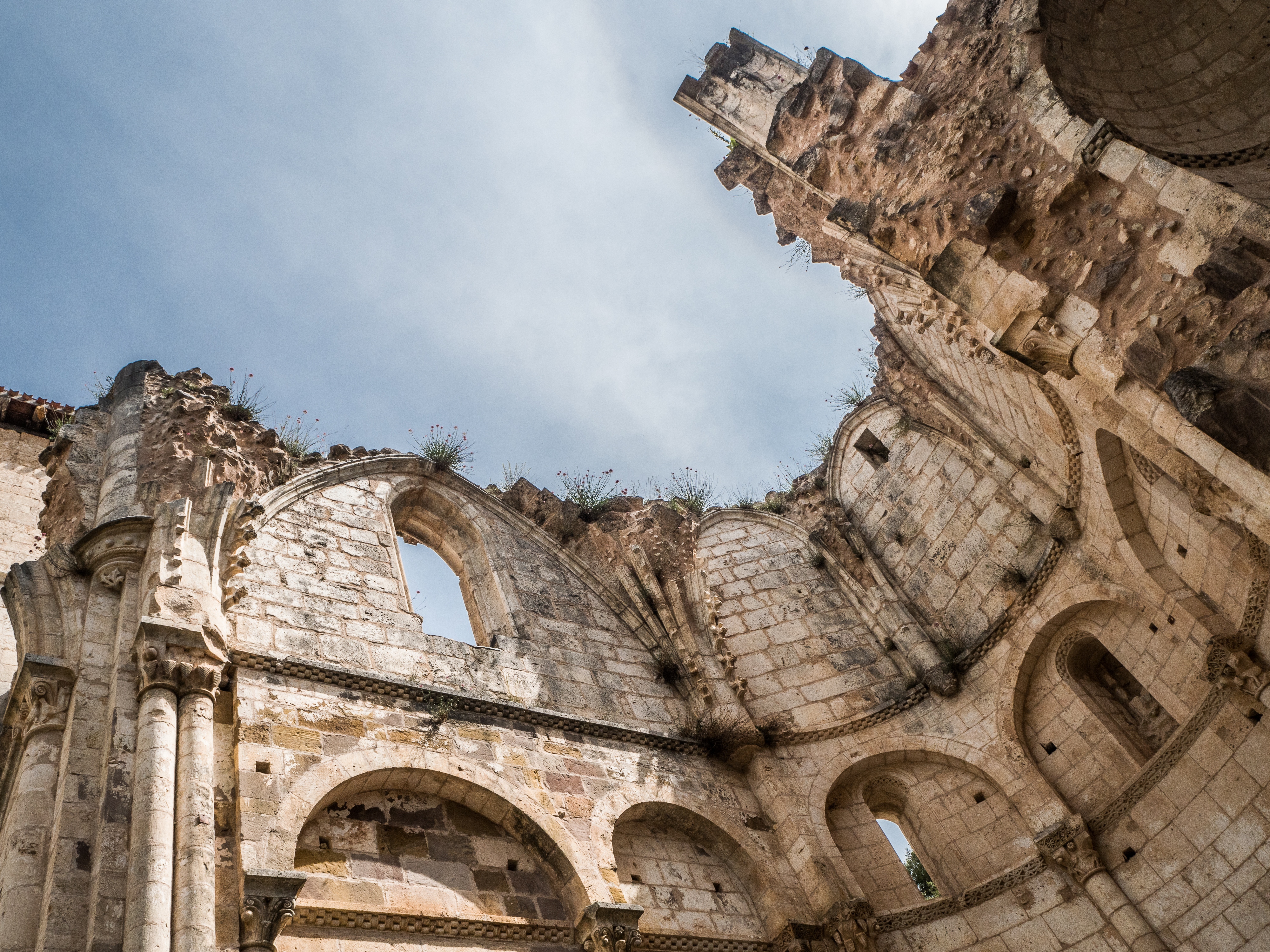
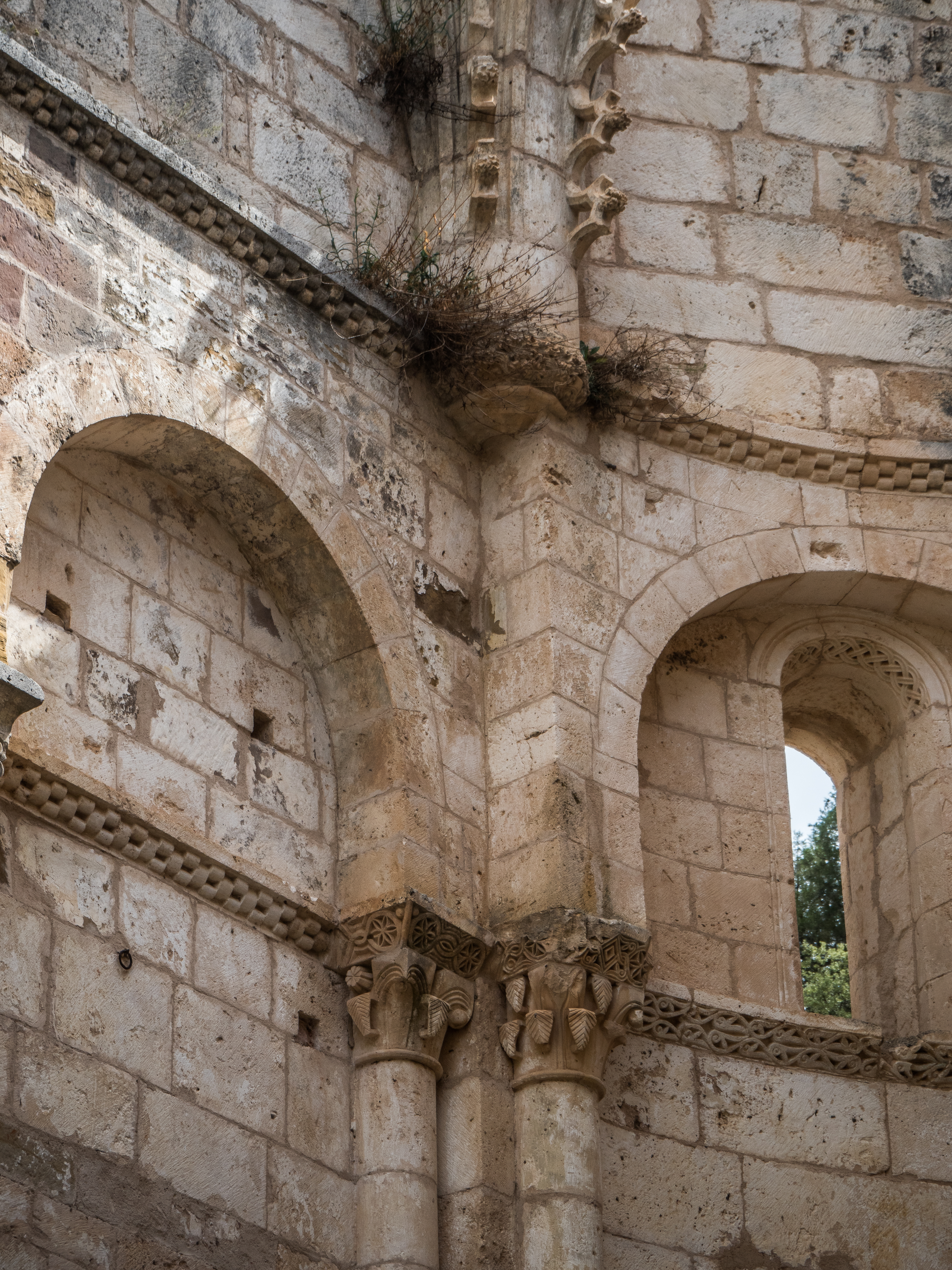
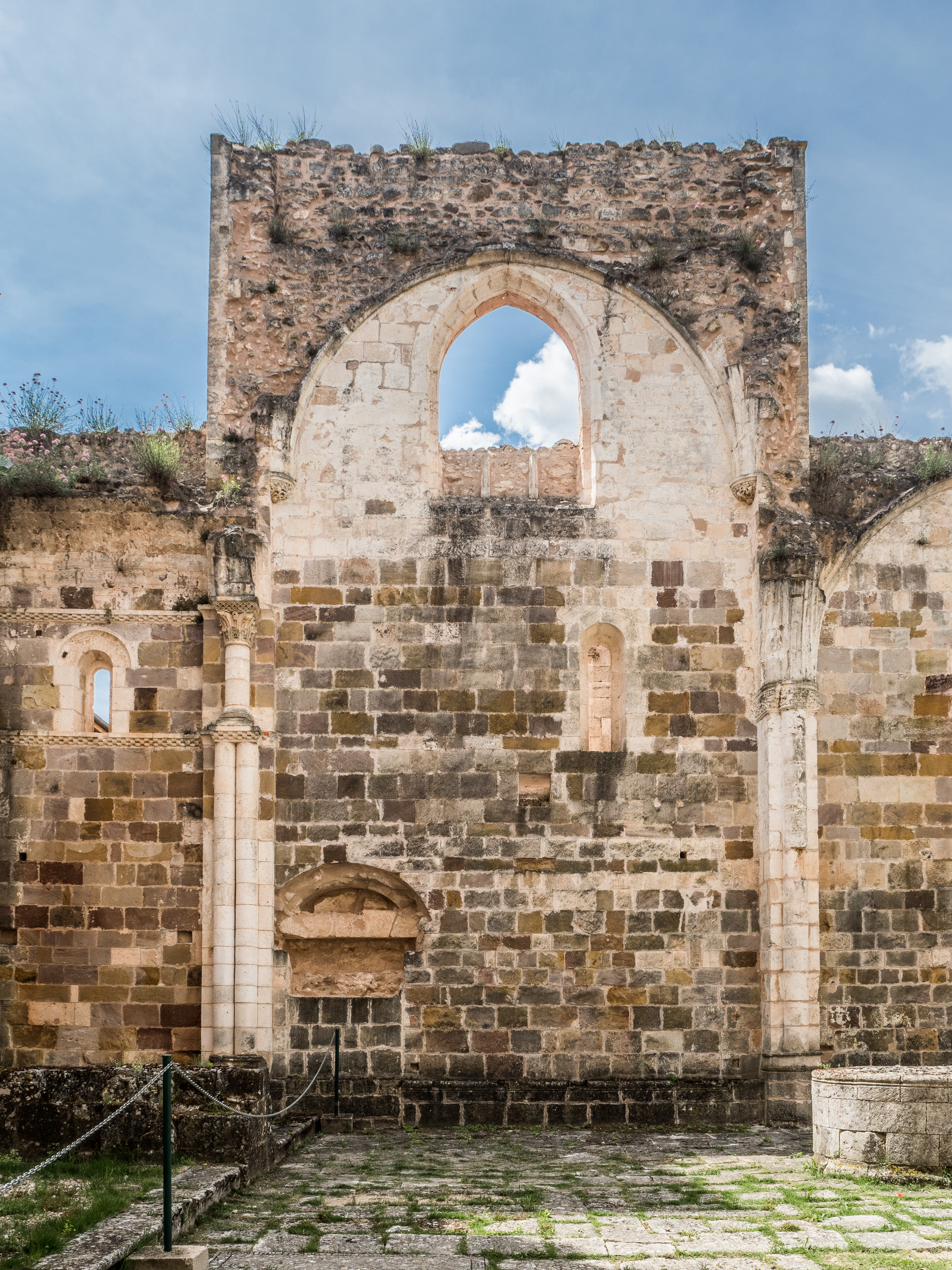
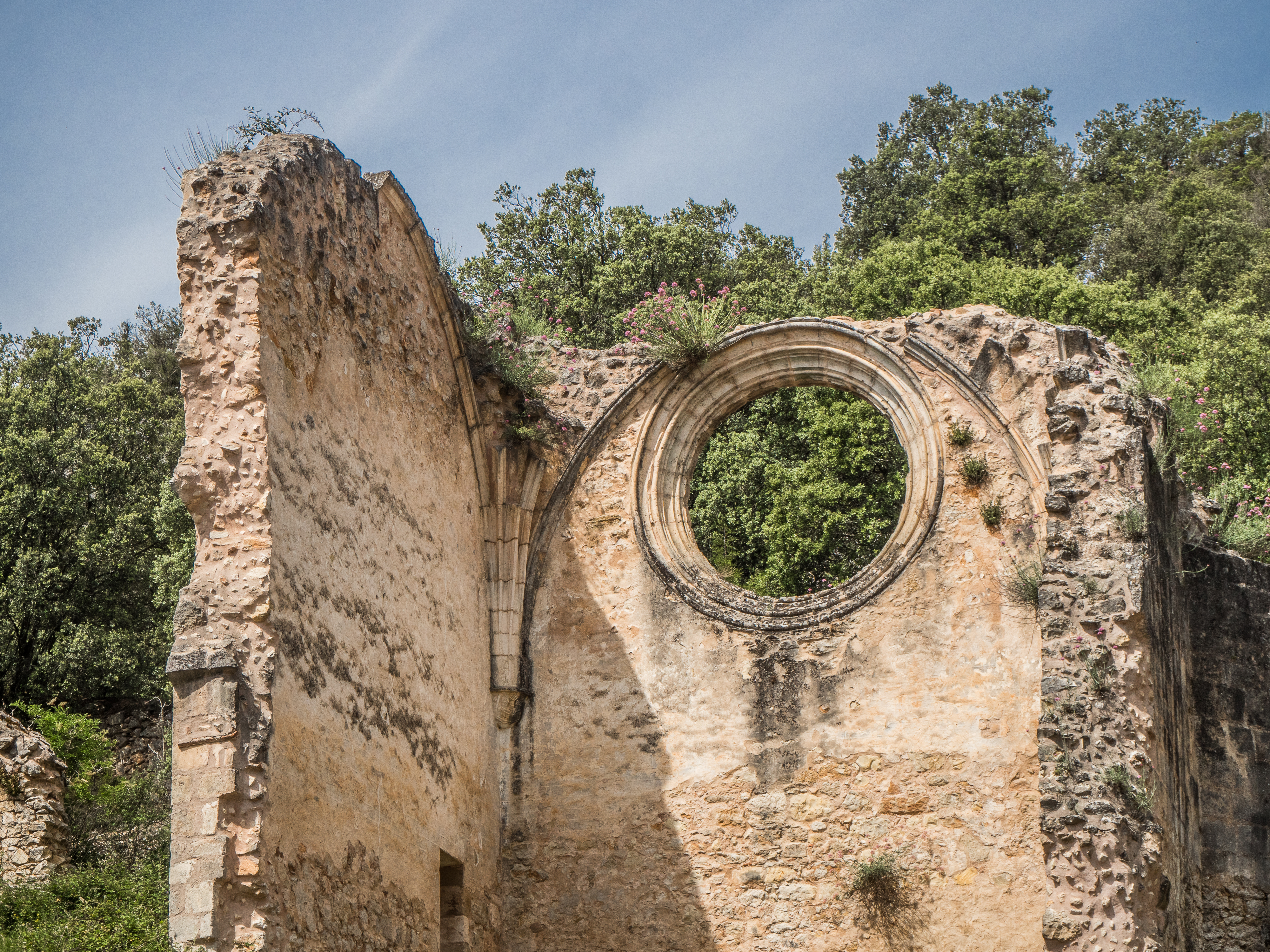
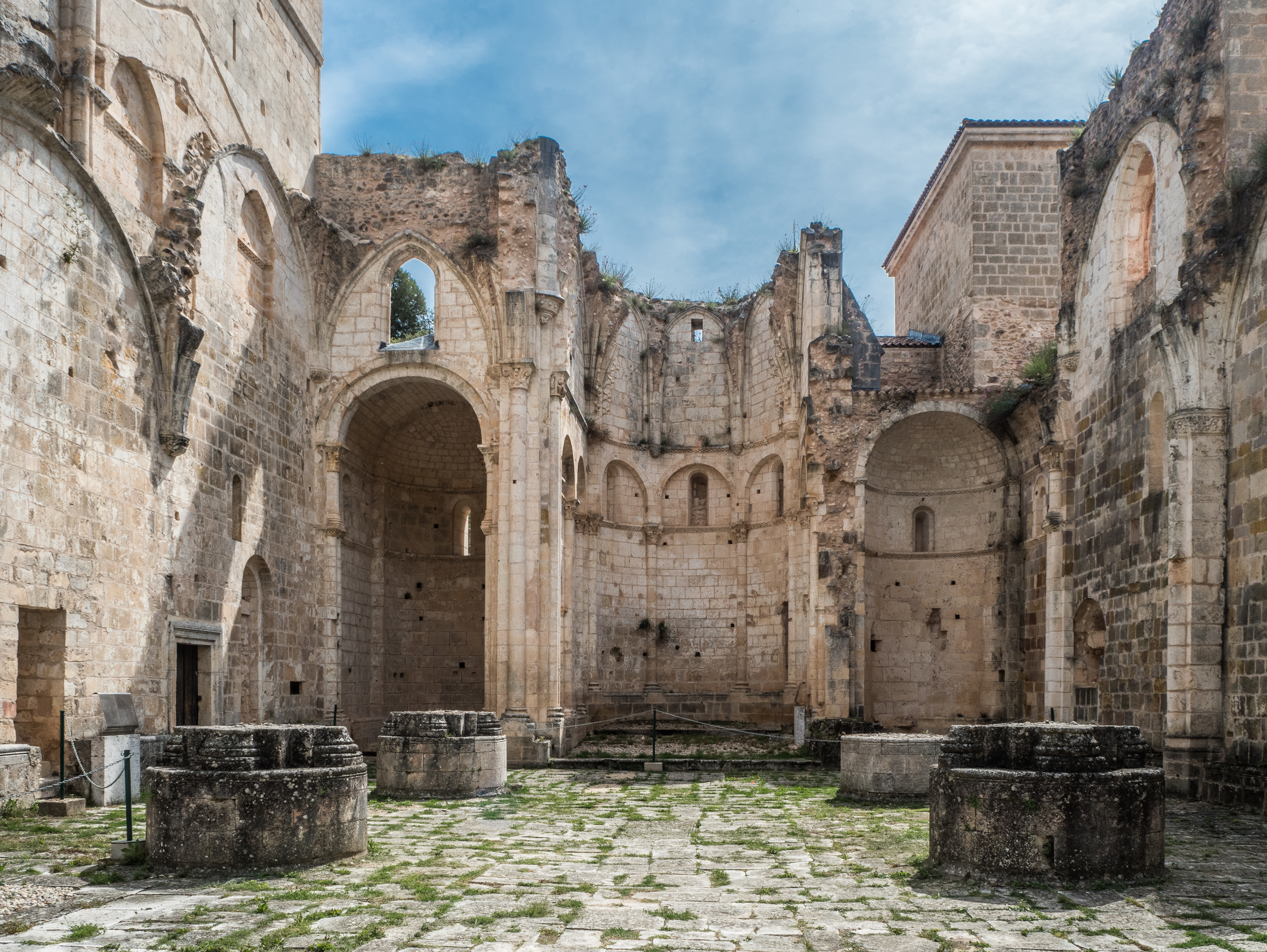
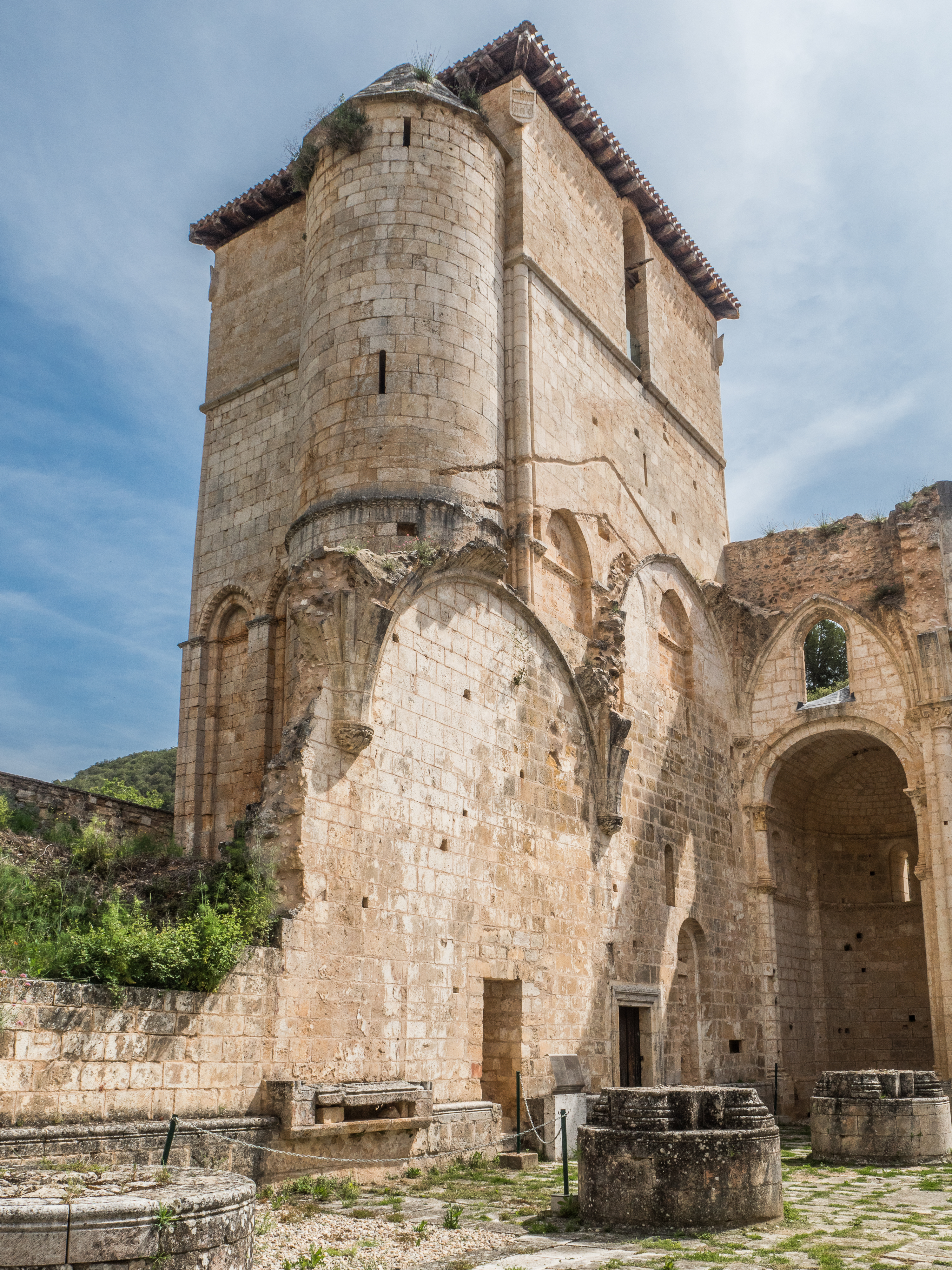
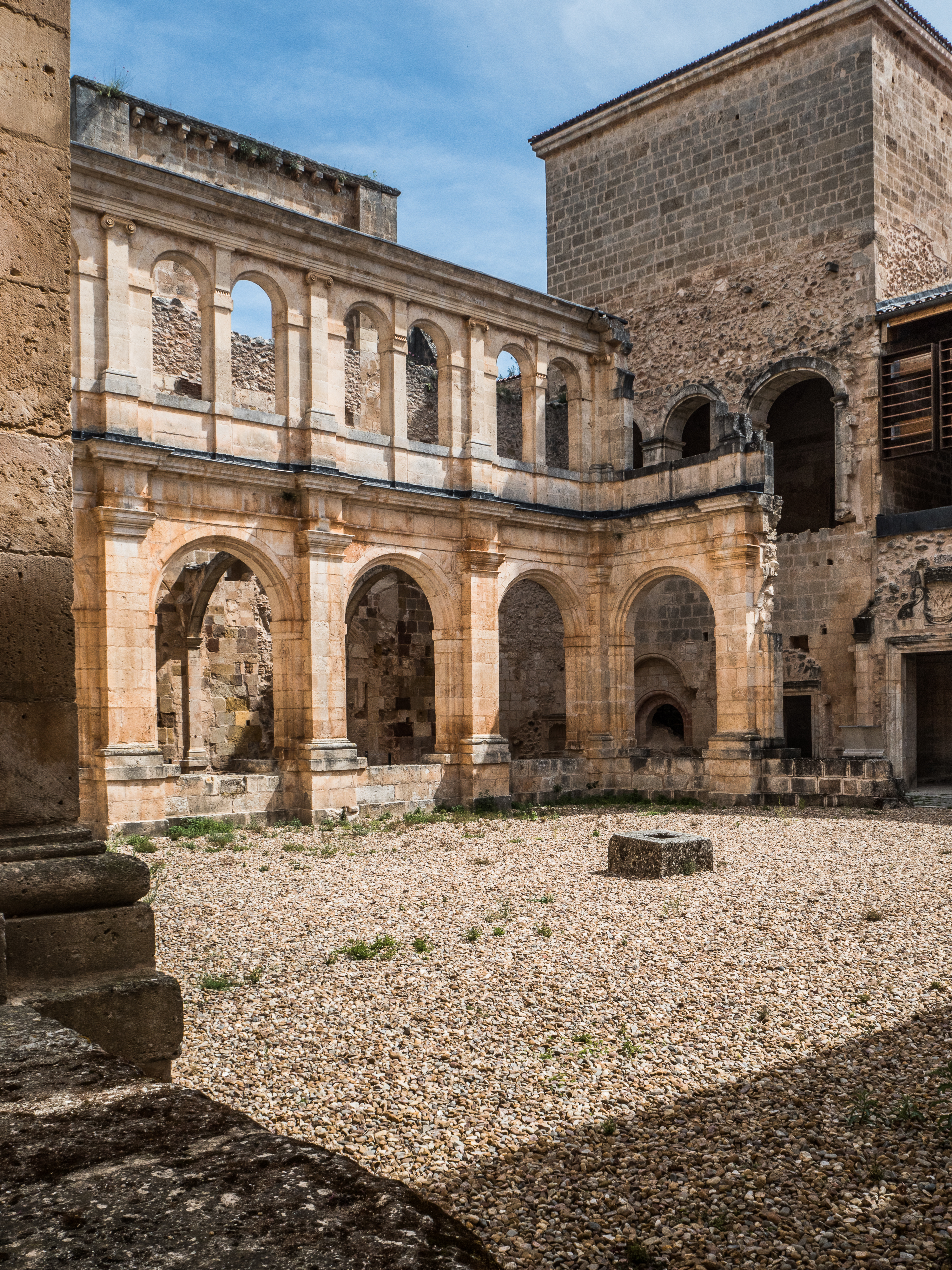
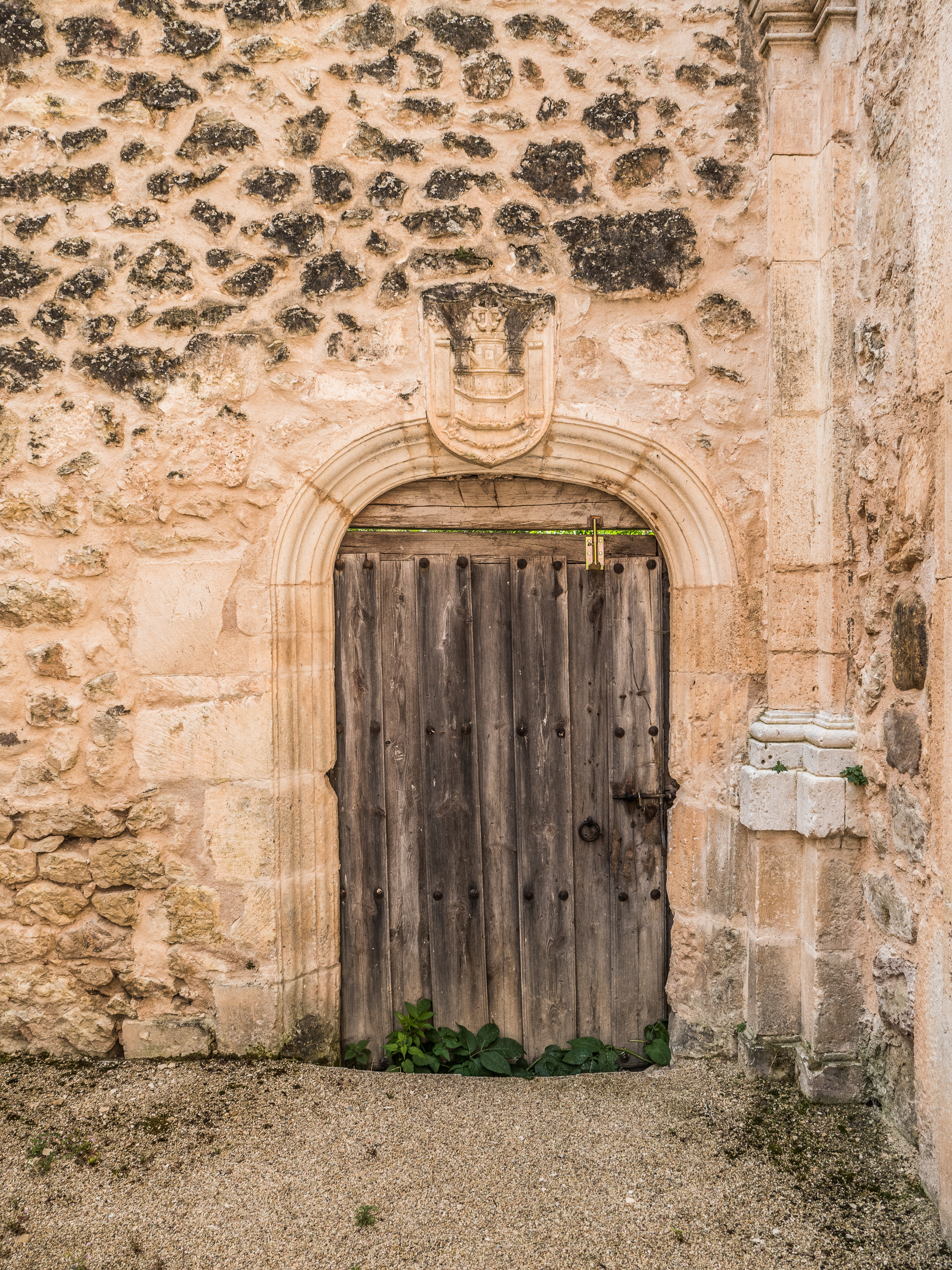
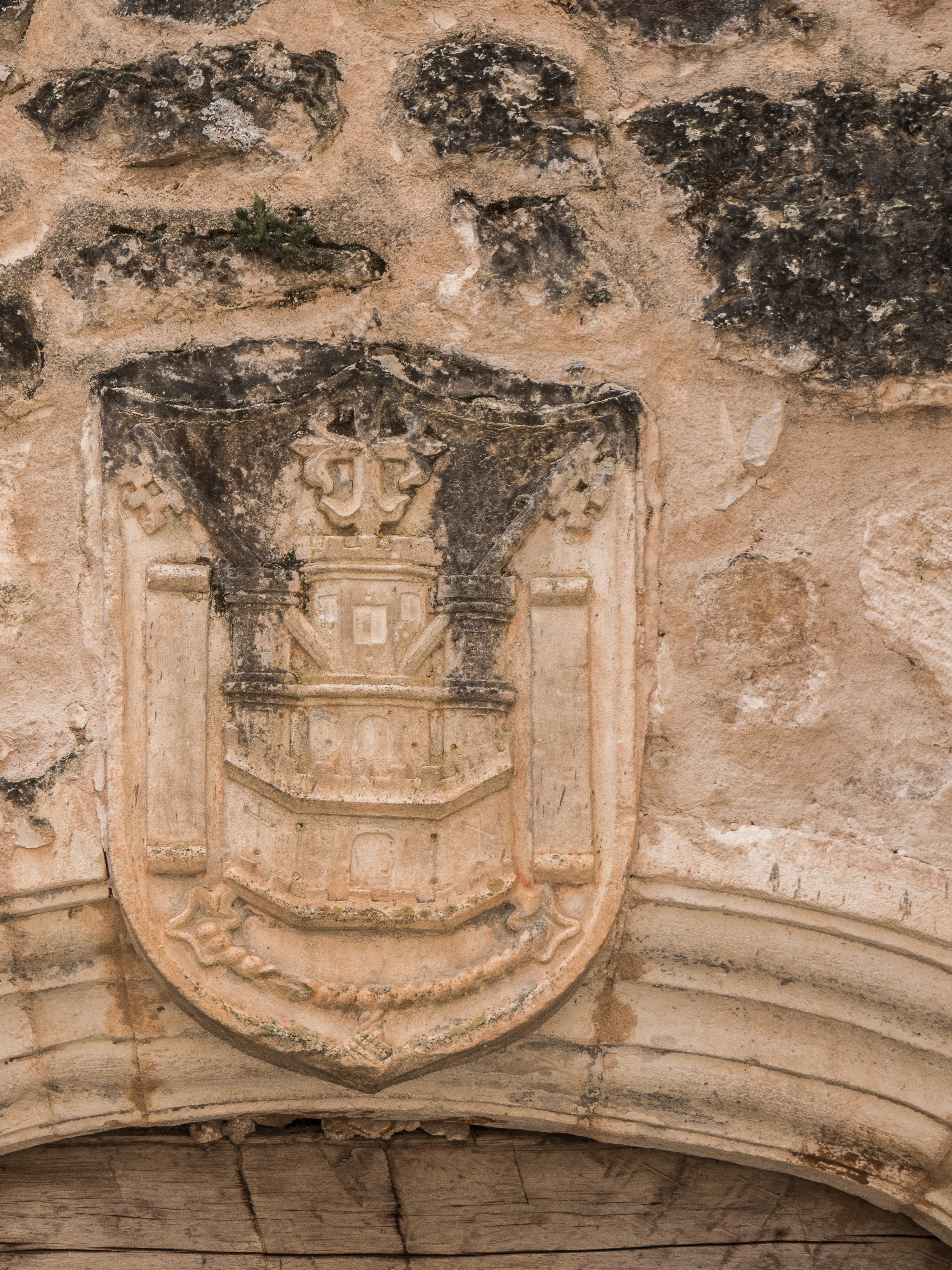
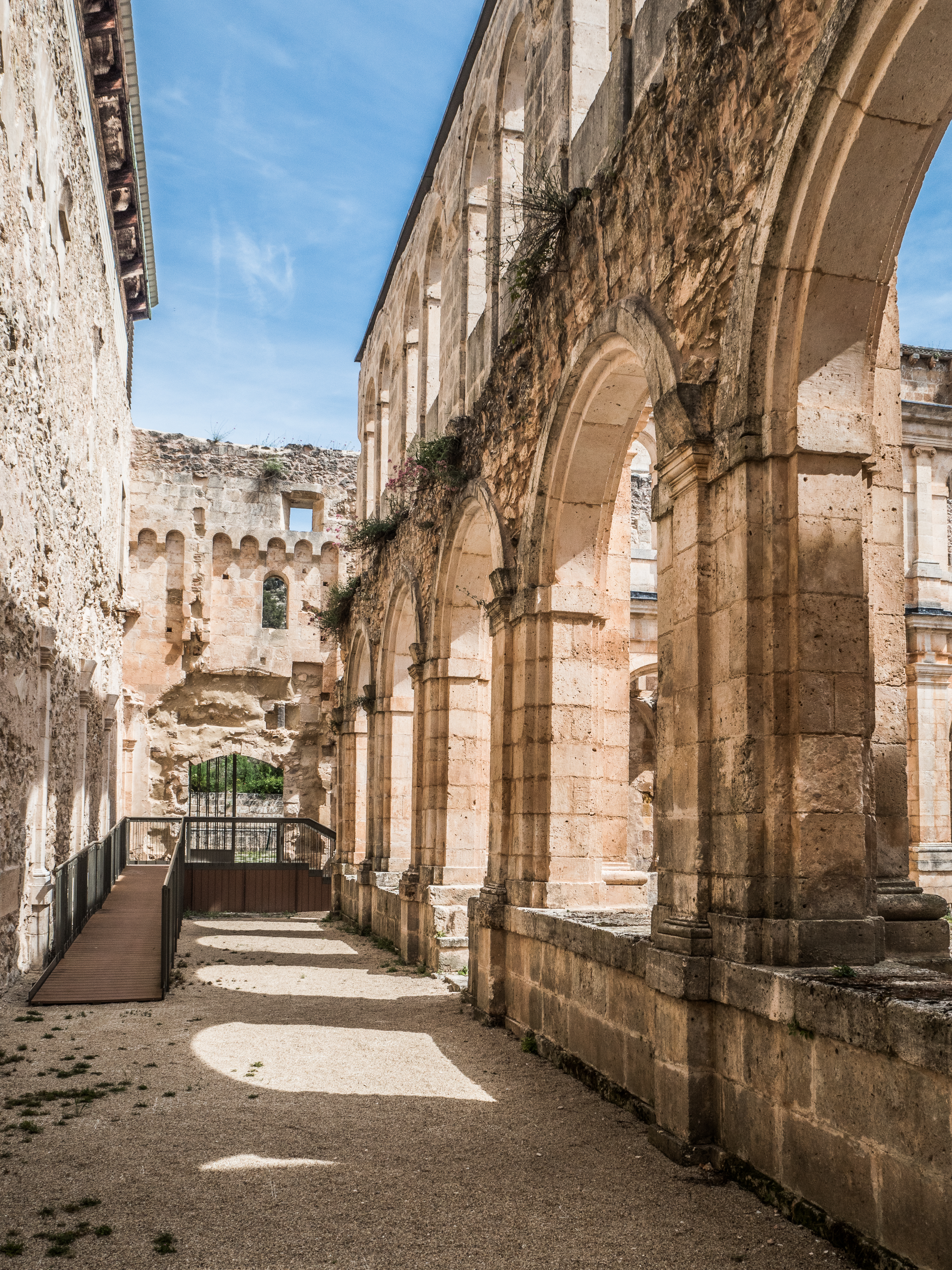
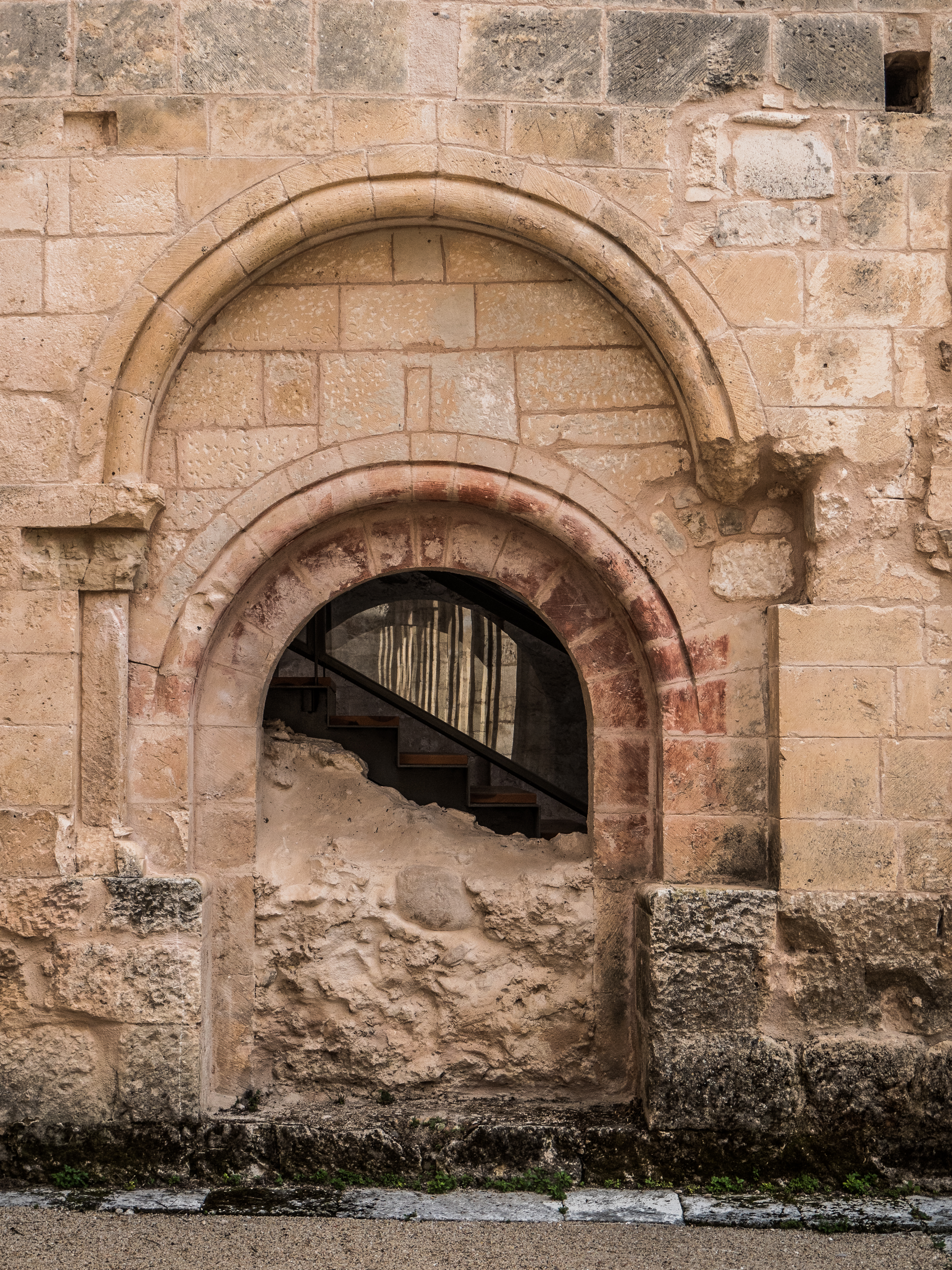
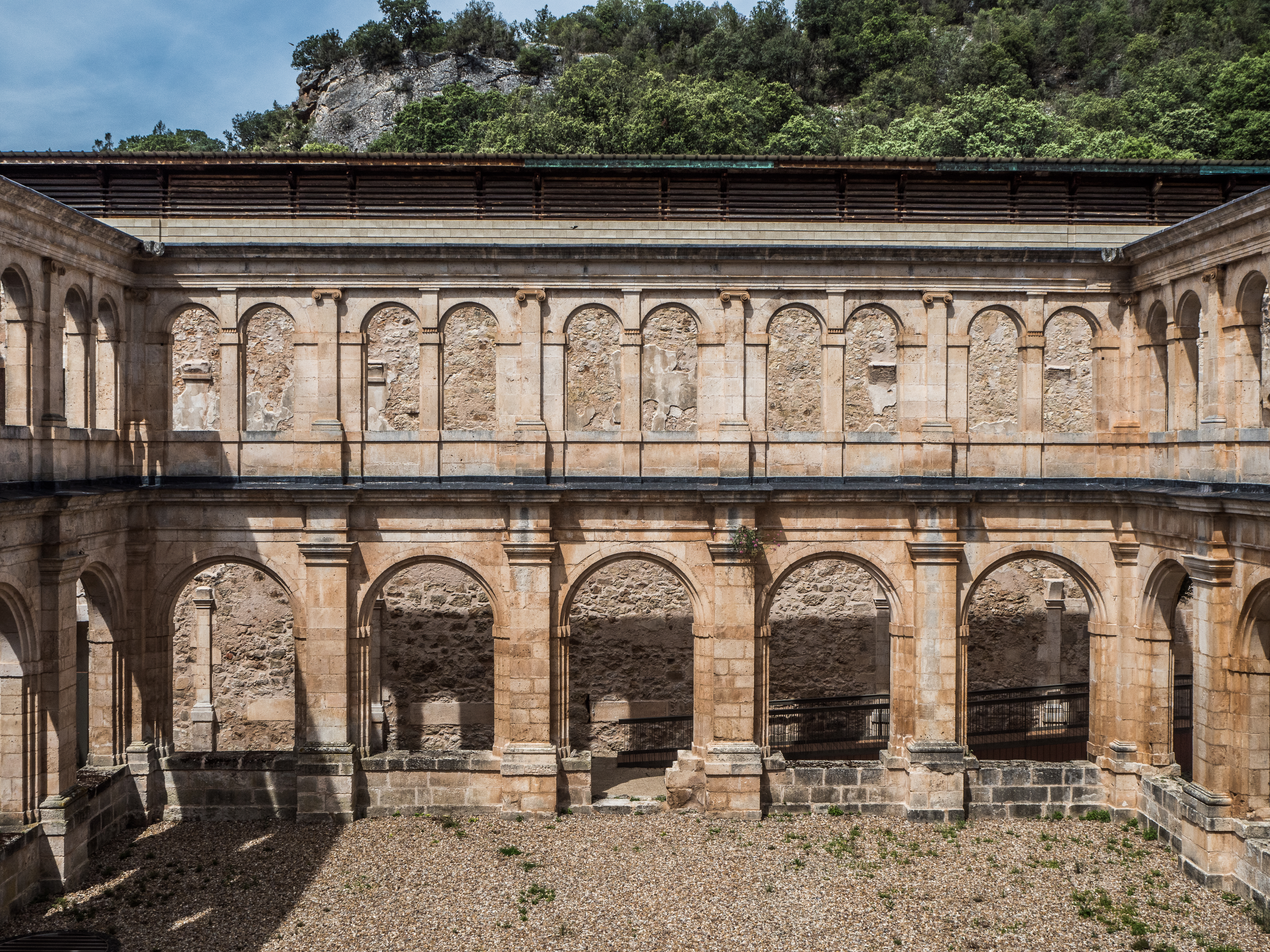
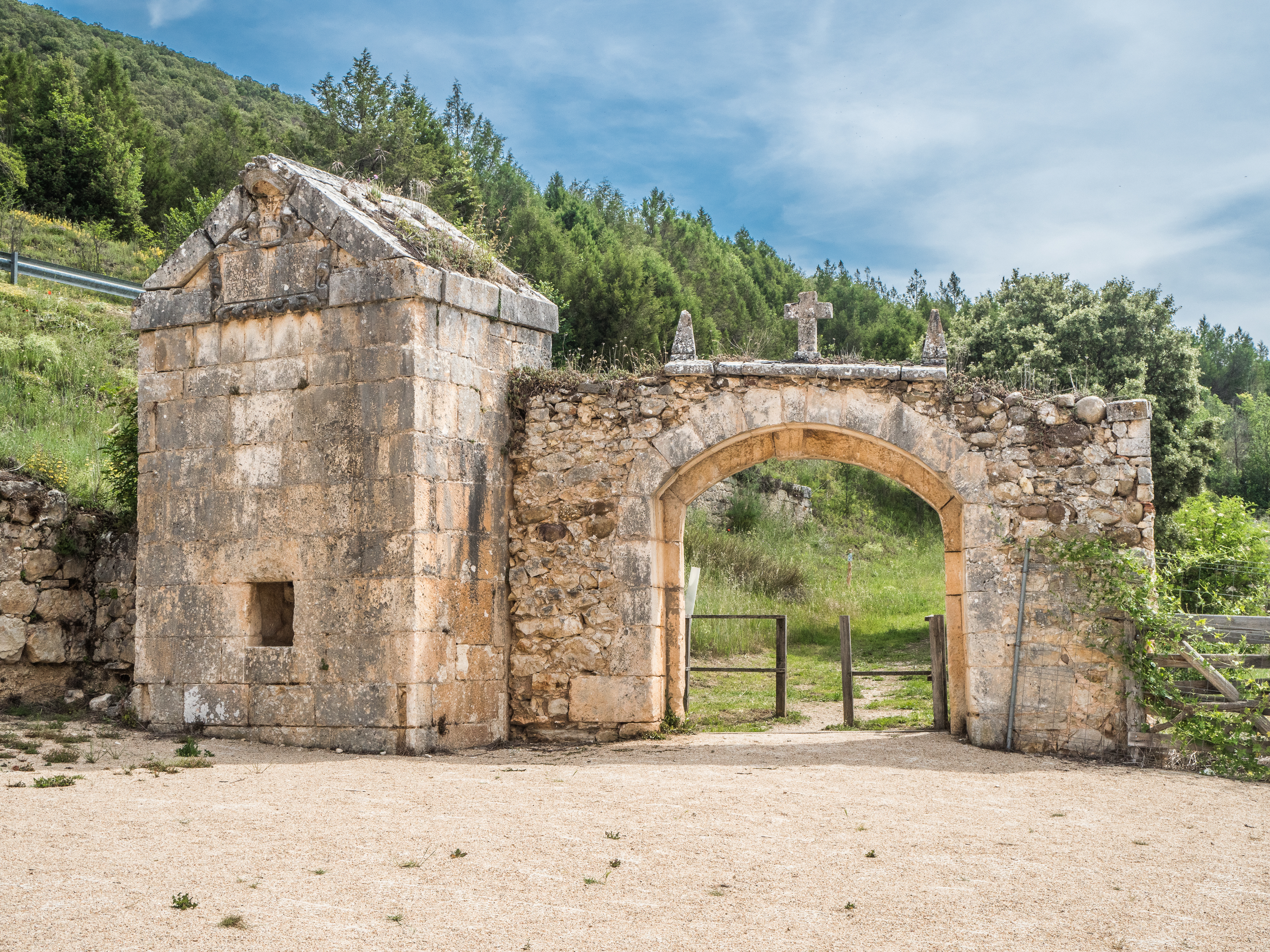
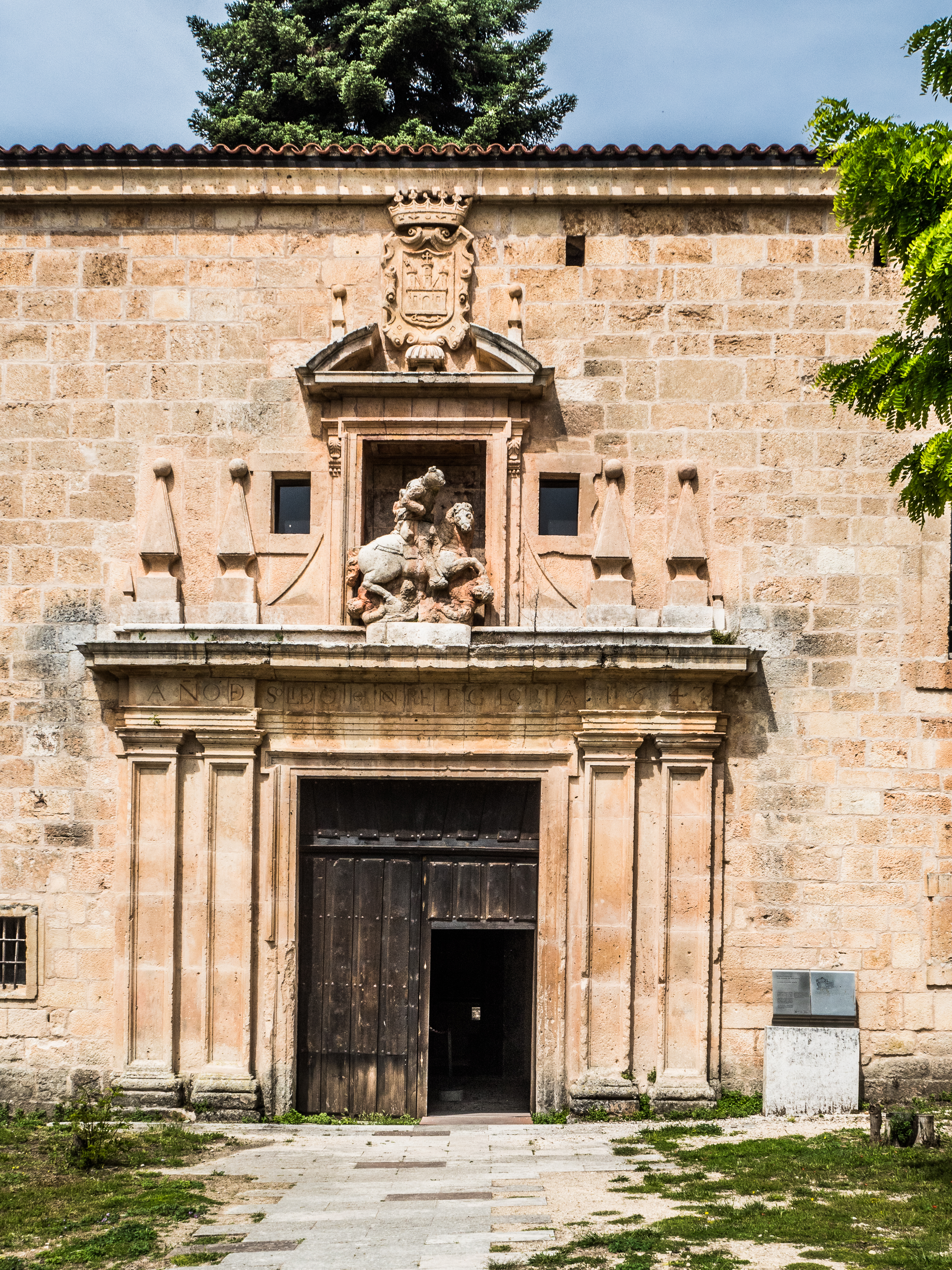
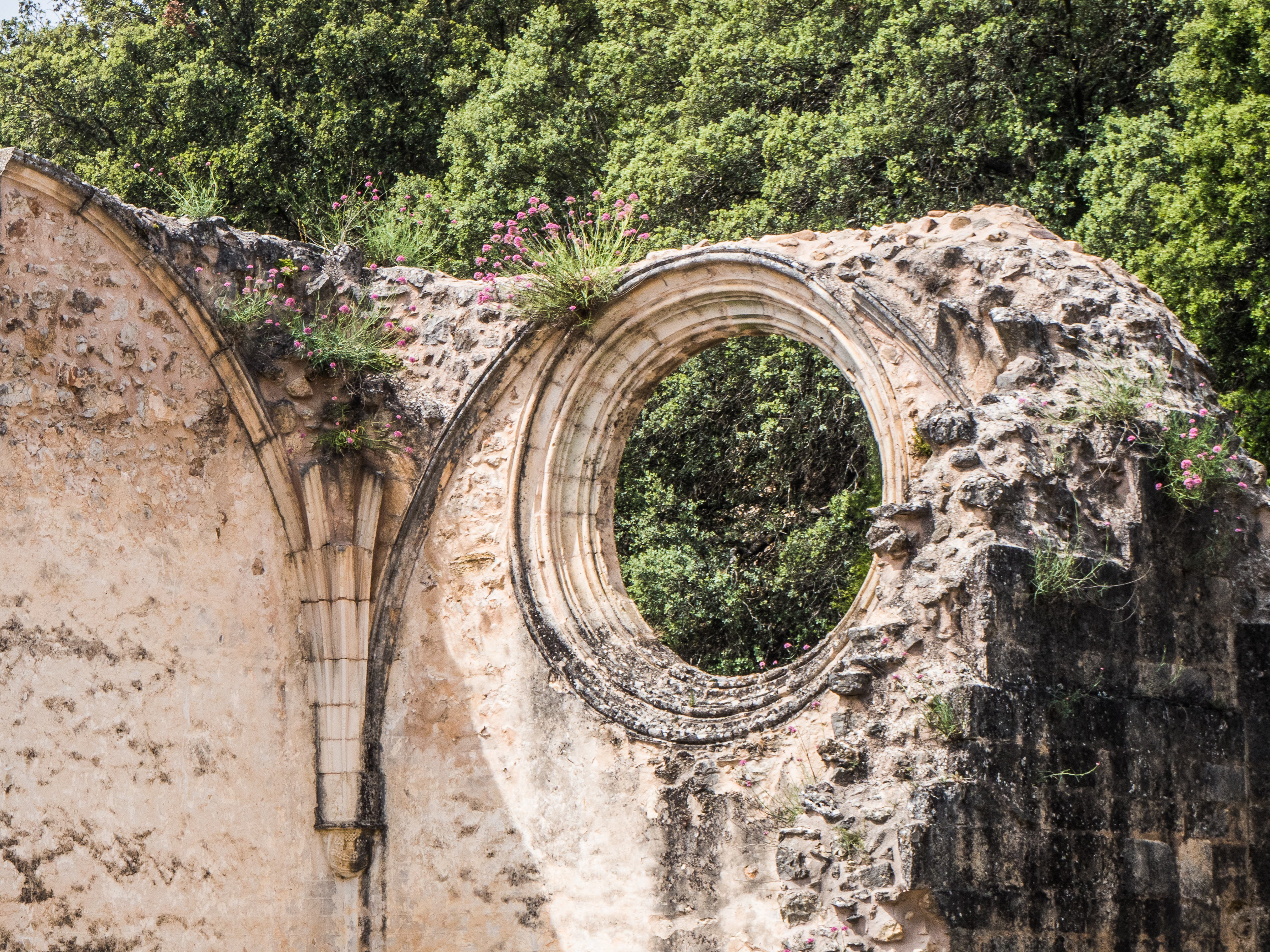
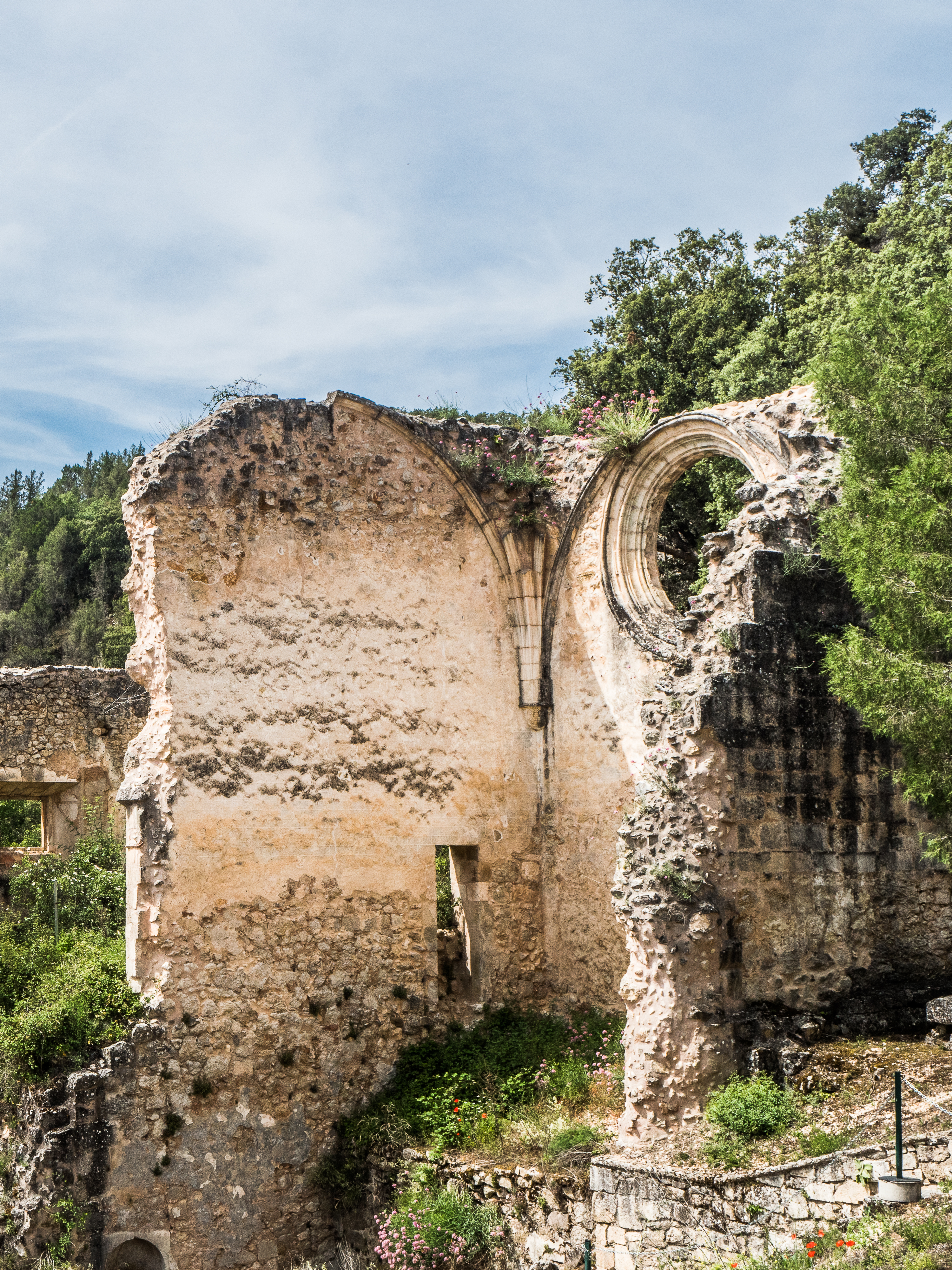
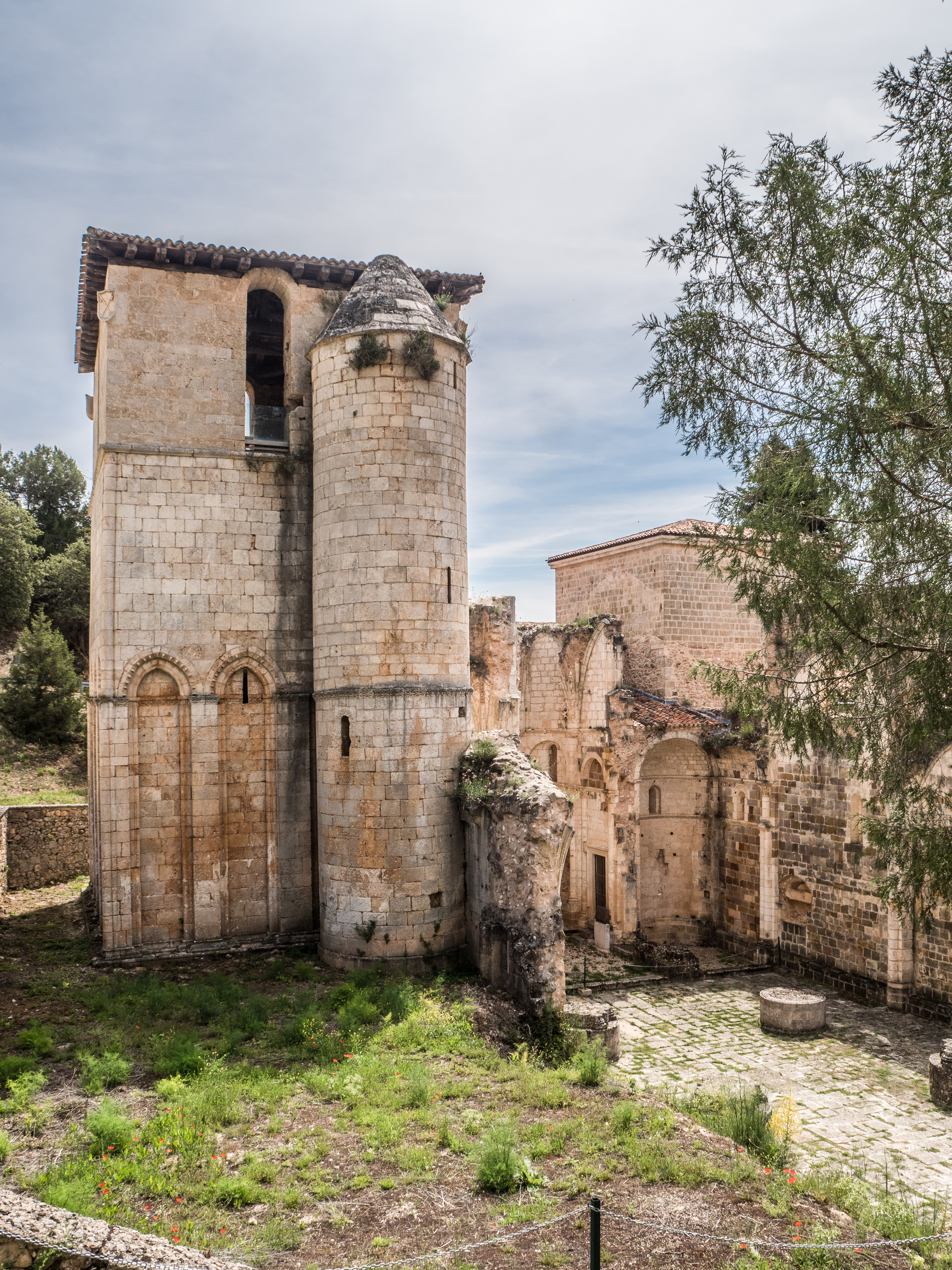
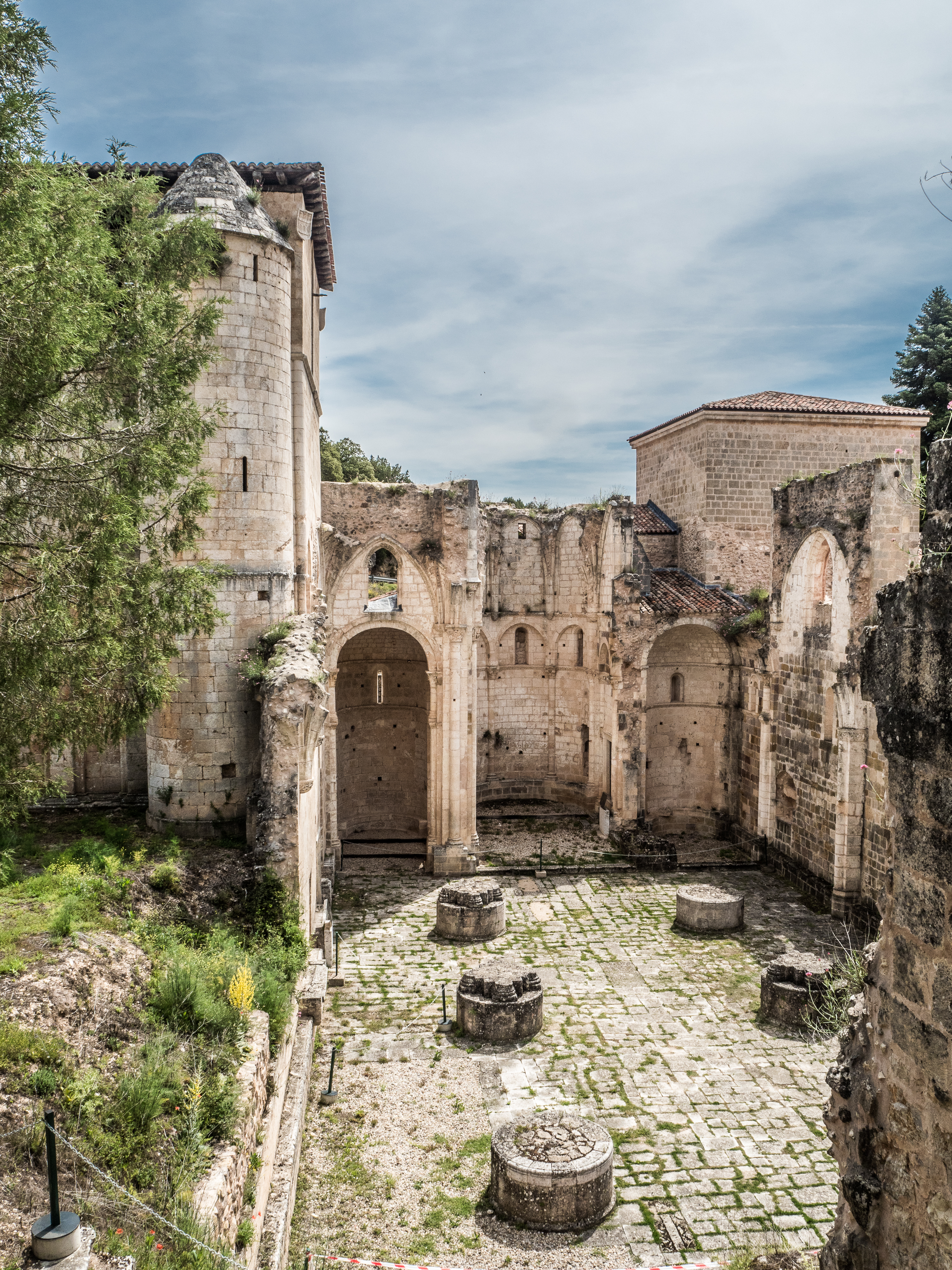
San Pedro de Arlanza.
First stop: ruins of X century monastery San Pedro de Arlanza in the province of Burgos. Once a splendid example or Romanesque art and architecture, it too hasn’t escaped the fate reserved to many religious buildings after Mendizábal’s reforms. The monastery’s treasures are spread all over the world: the tombs were moved to the Burgos Cathedral, some frescoes and architectonic details are kept at the MNAC in Barcelona, and some travelled as far as the Metropolitan Museum of New York. In the modern times, the monastery was used as shooting location of The Good, the Bad and the Ugly by Sergio Leone.
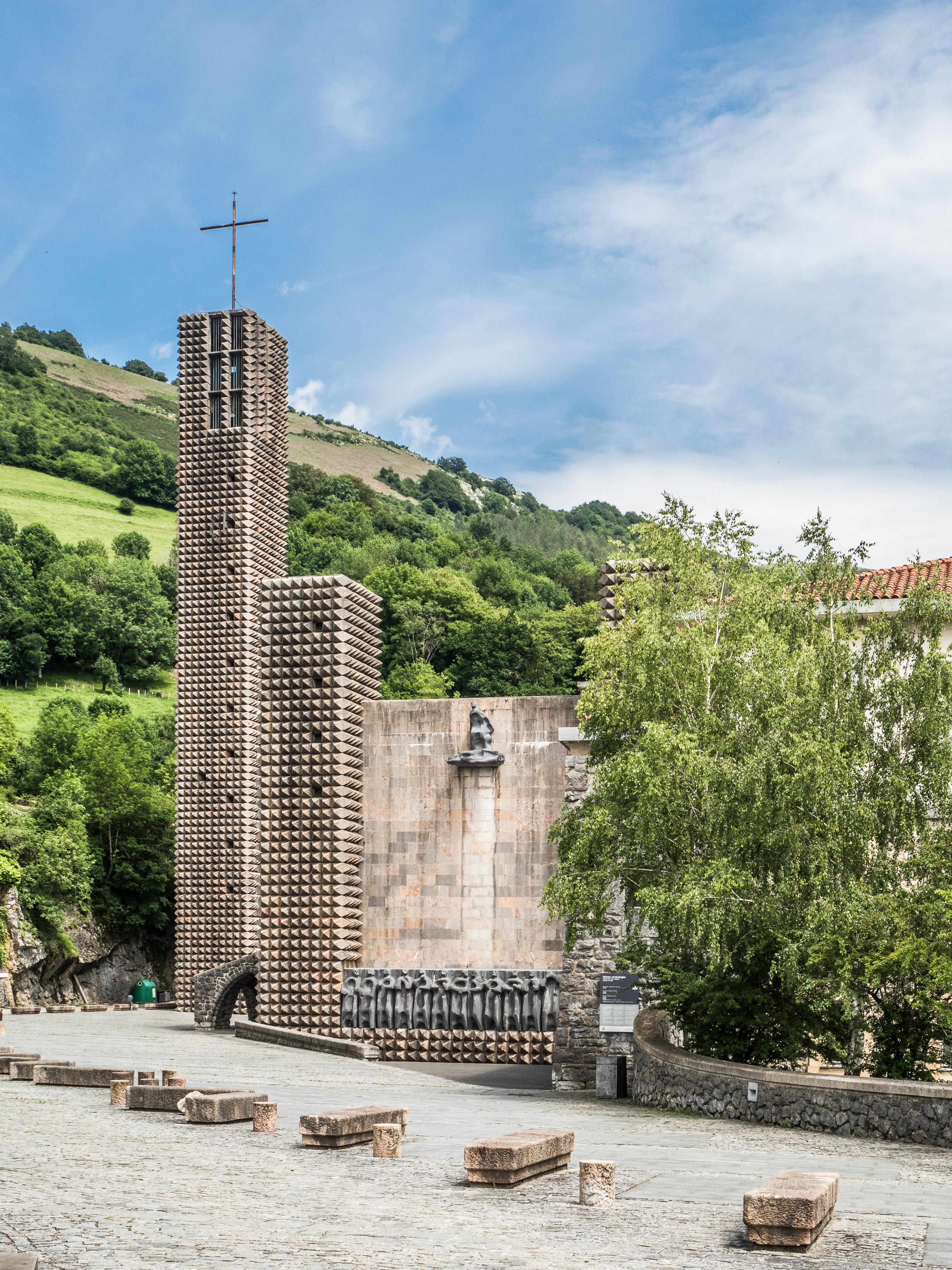
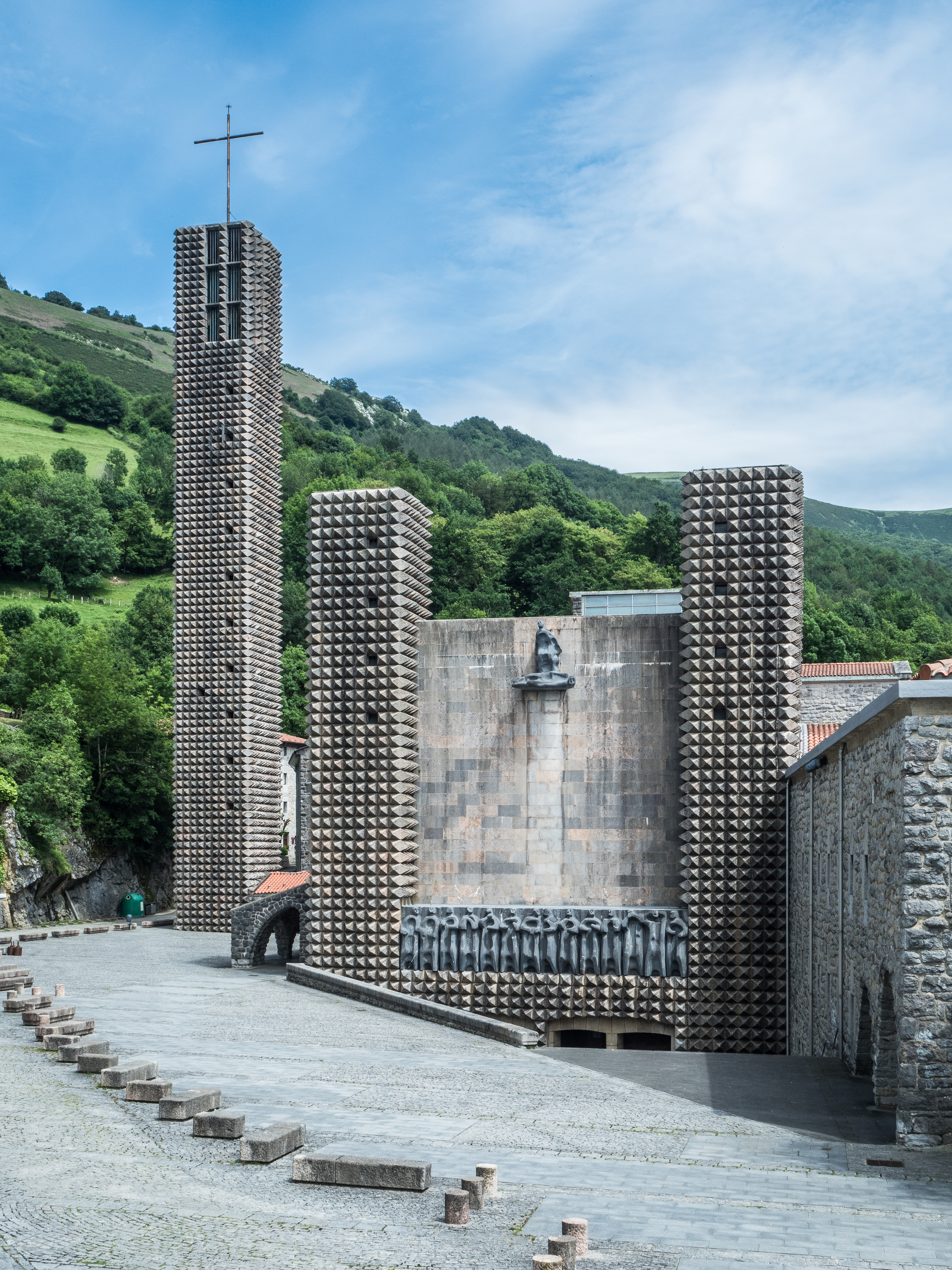
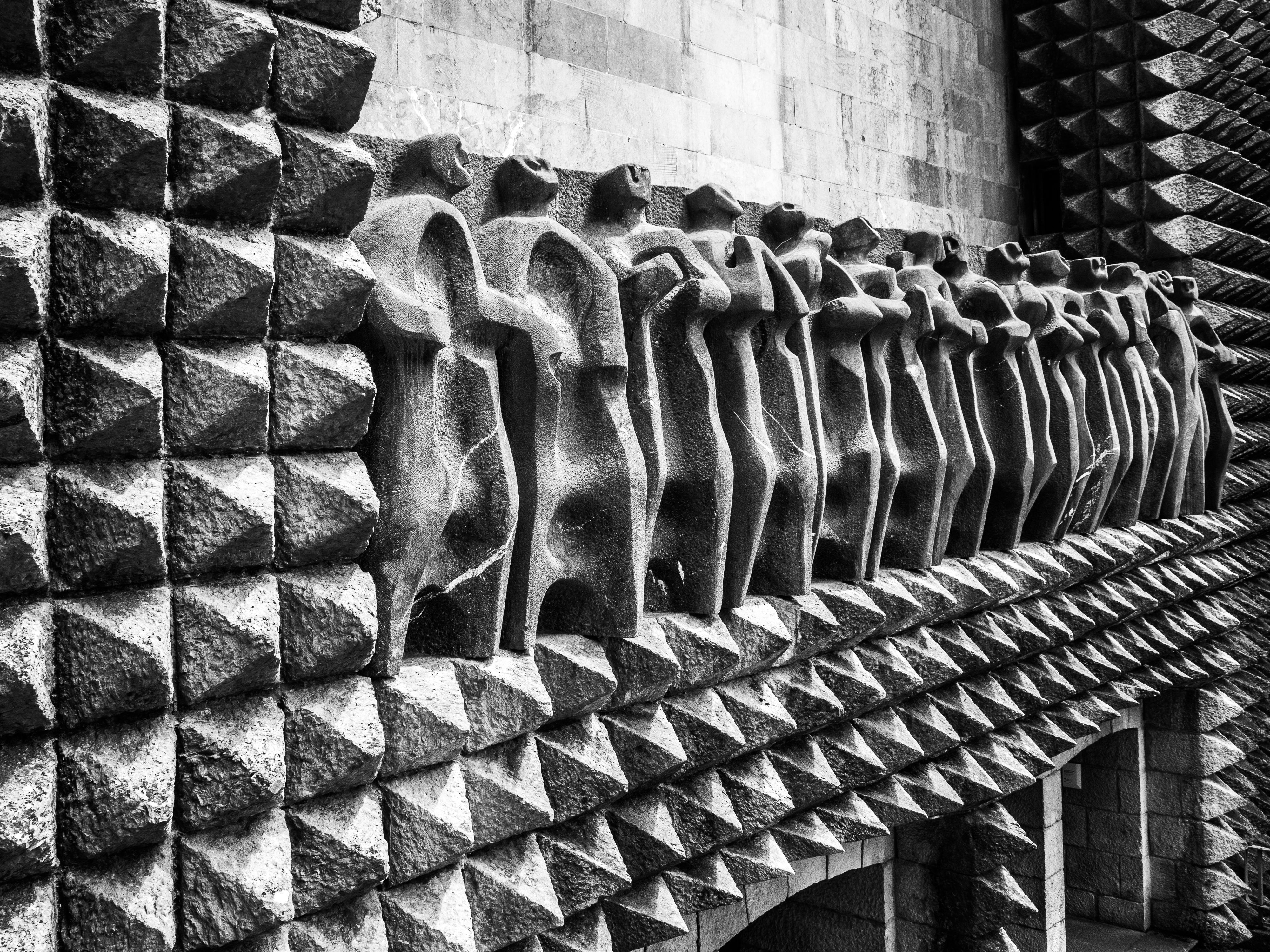
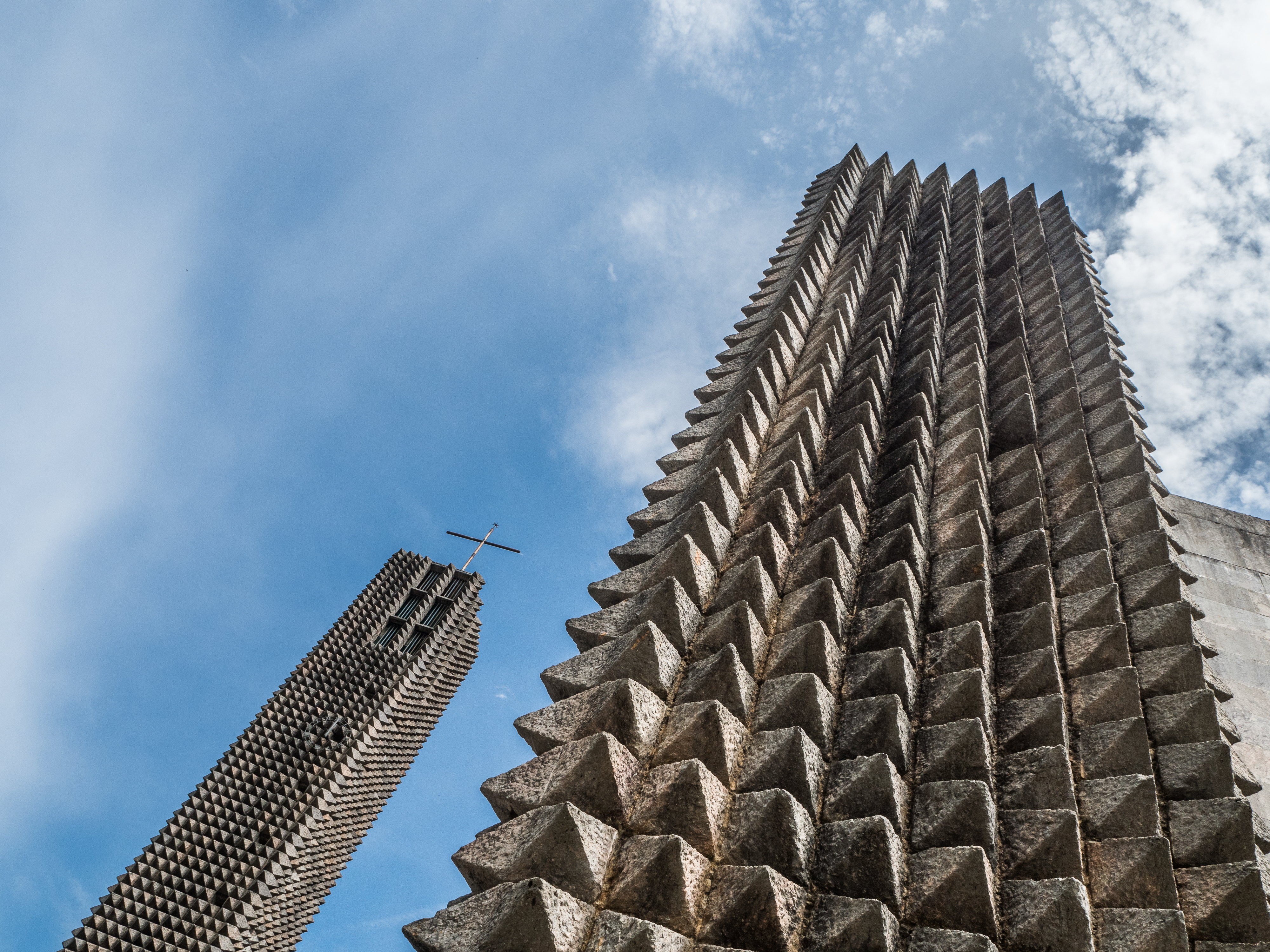
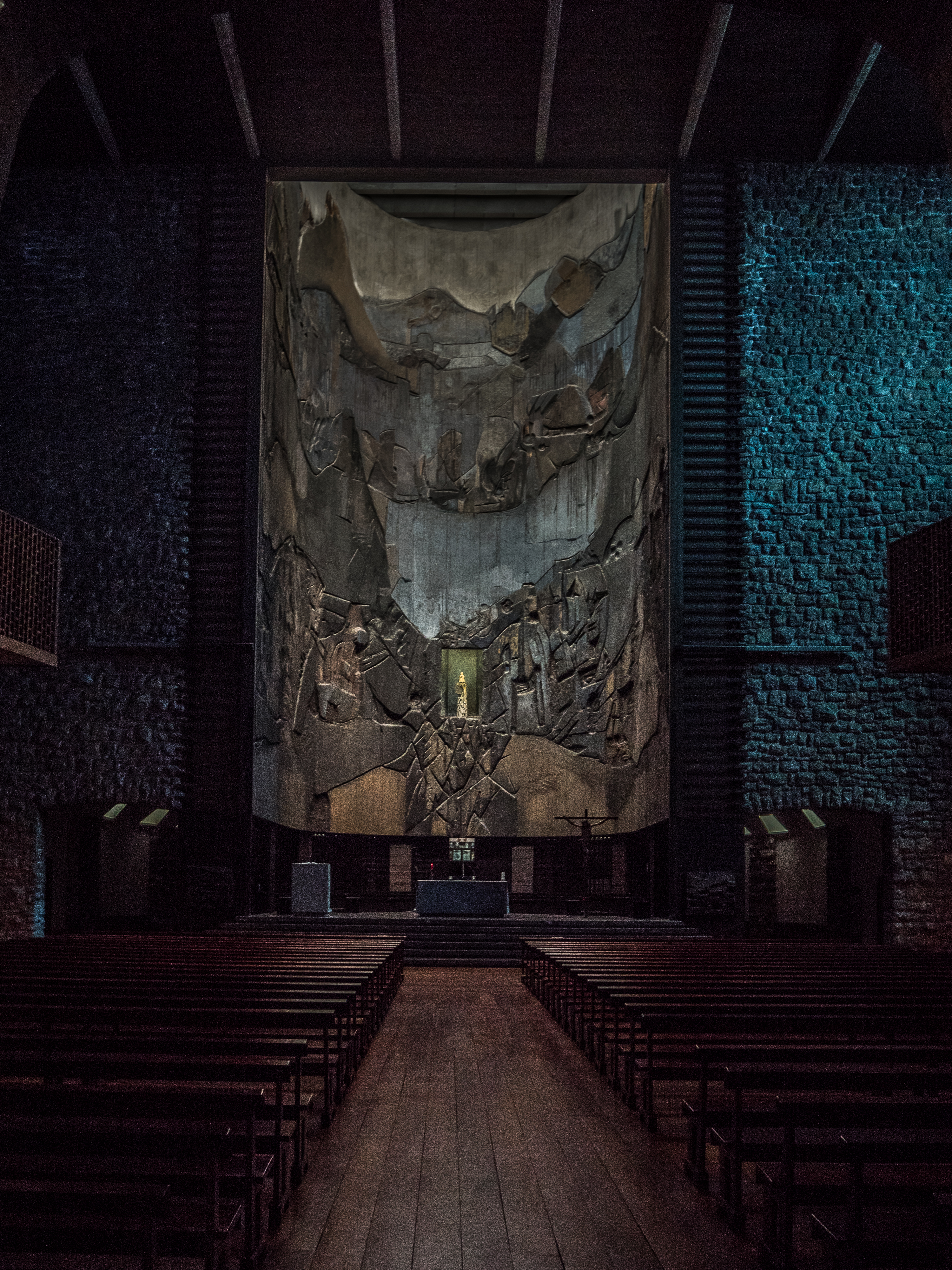
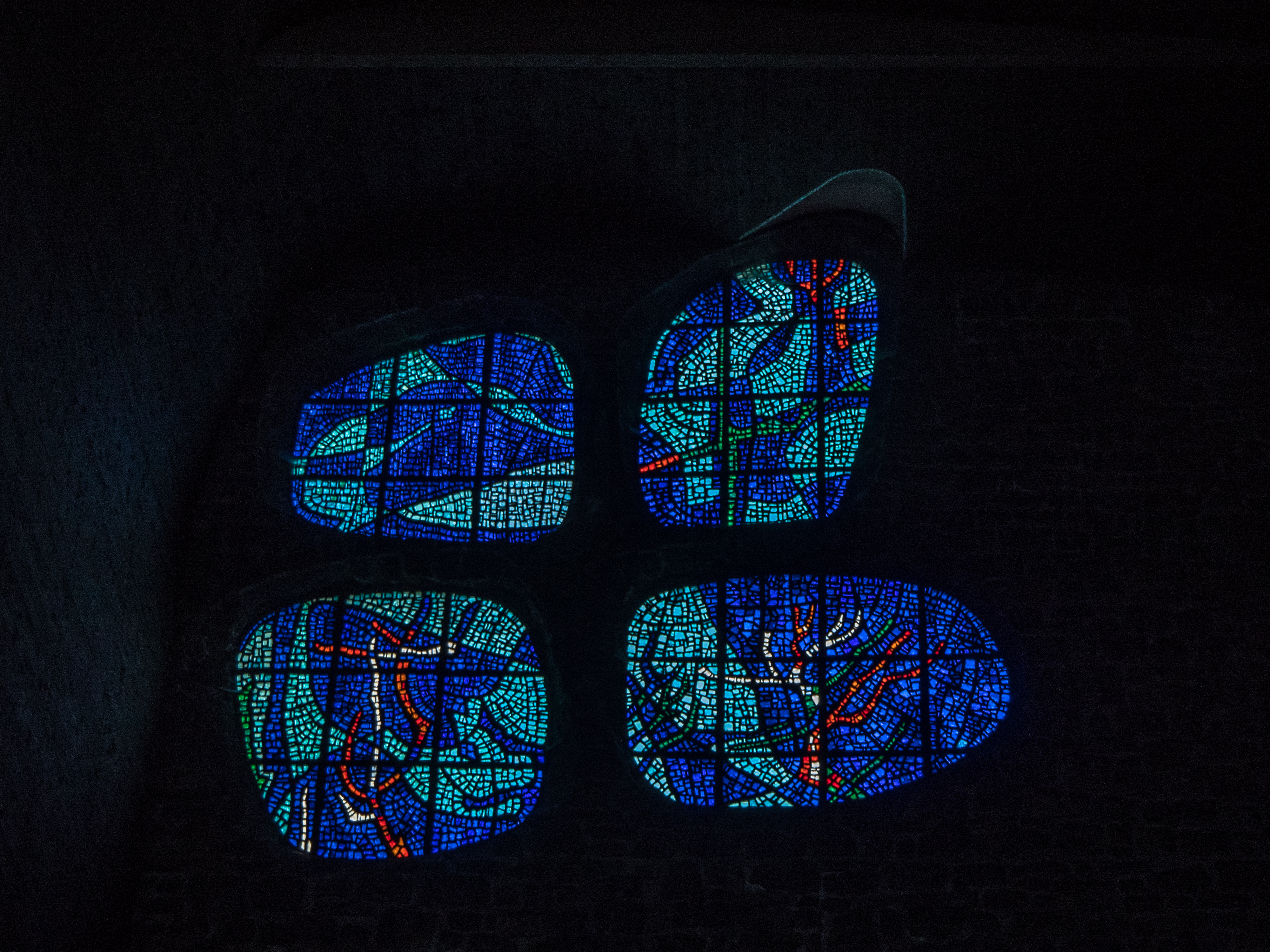
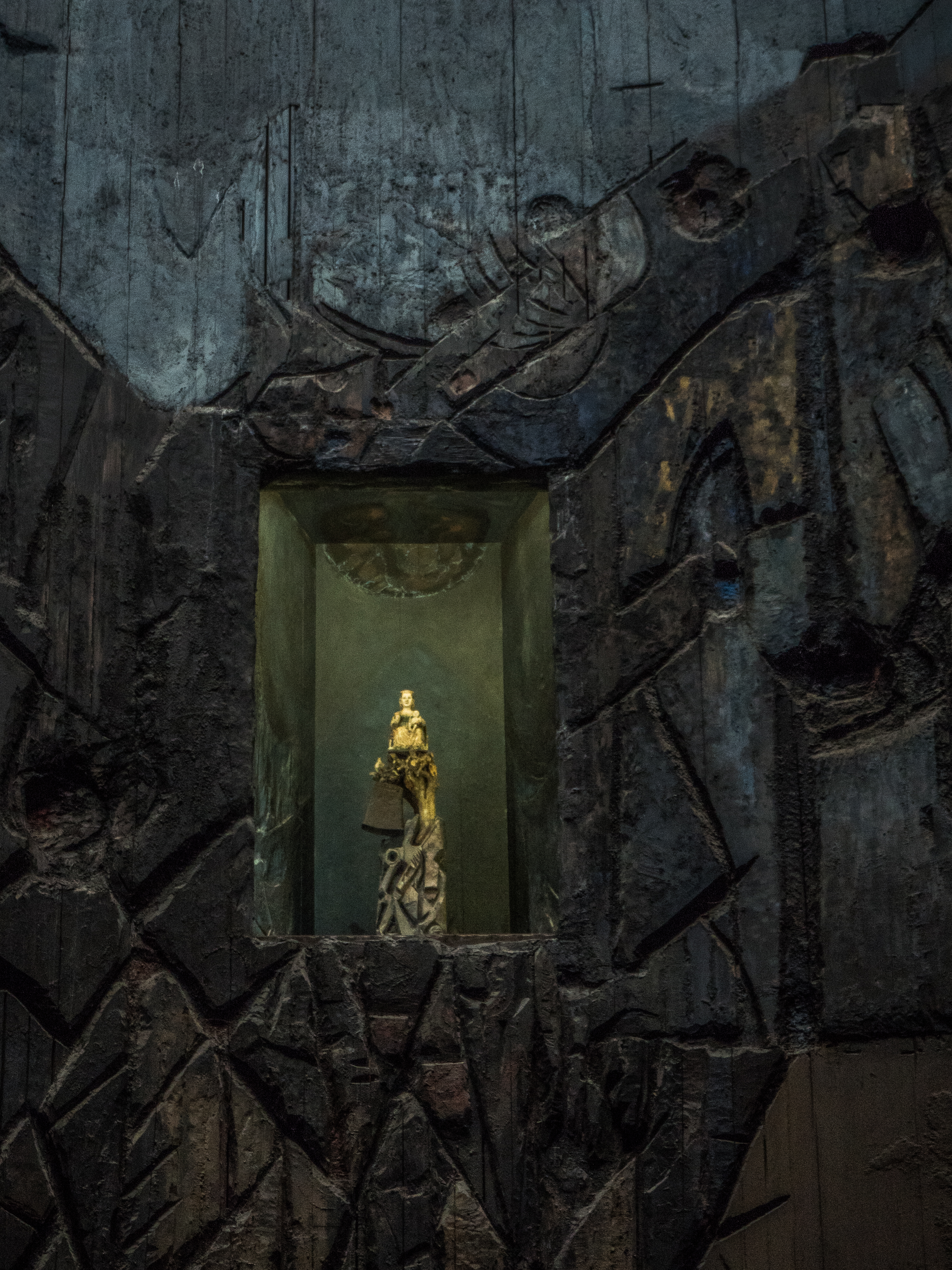
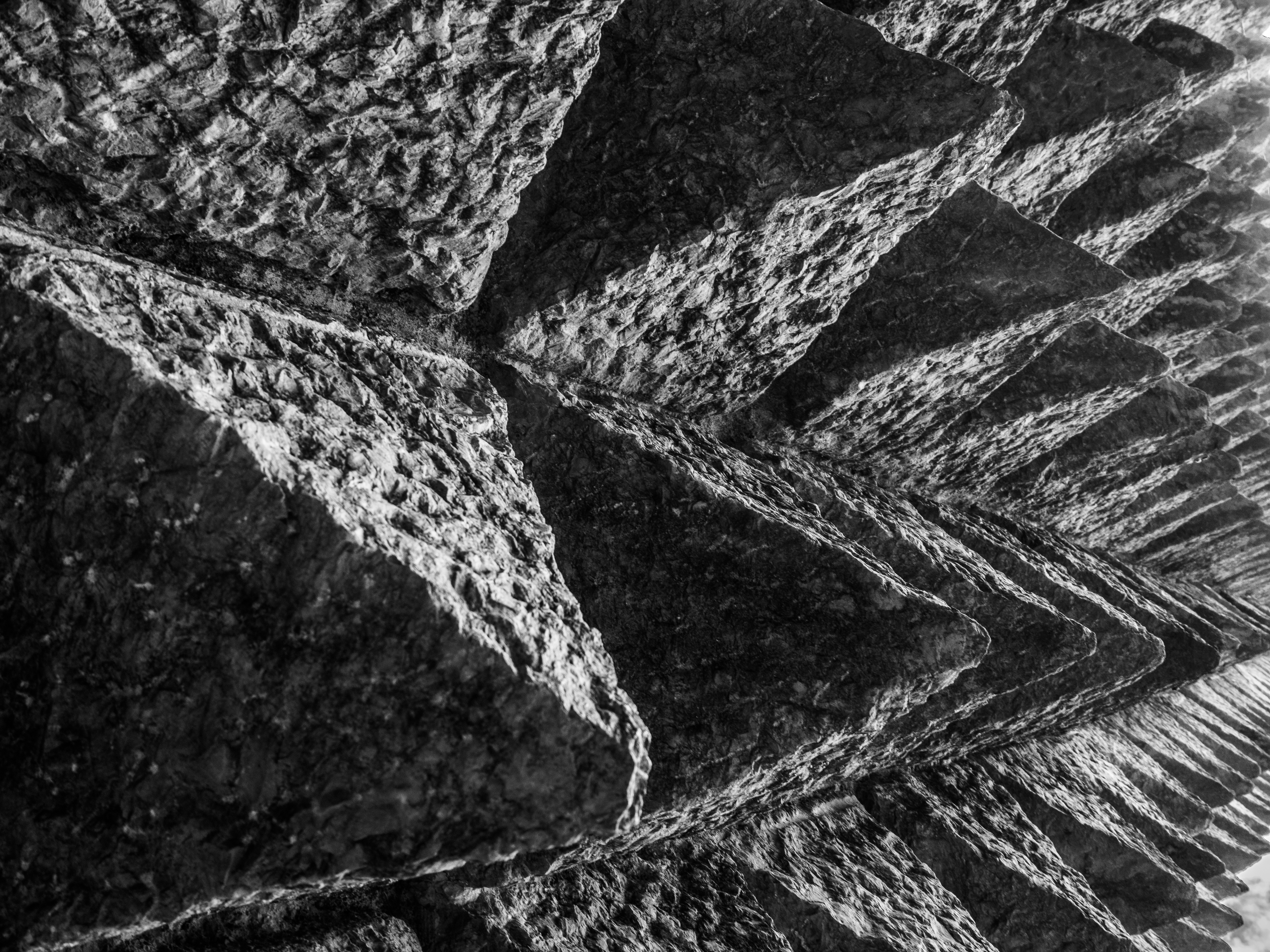
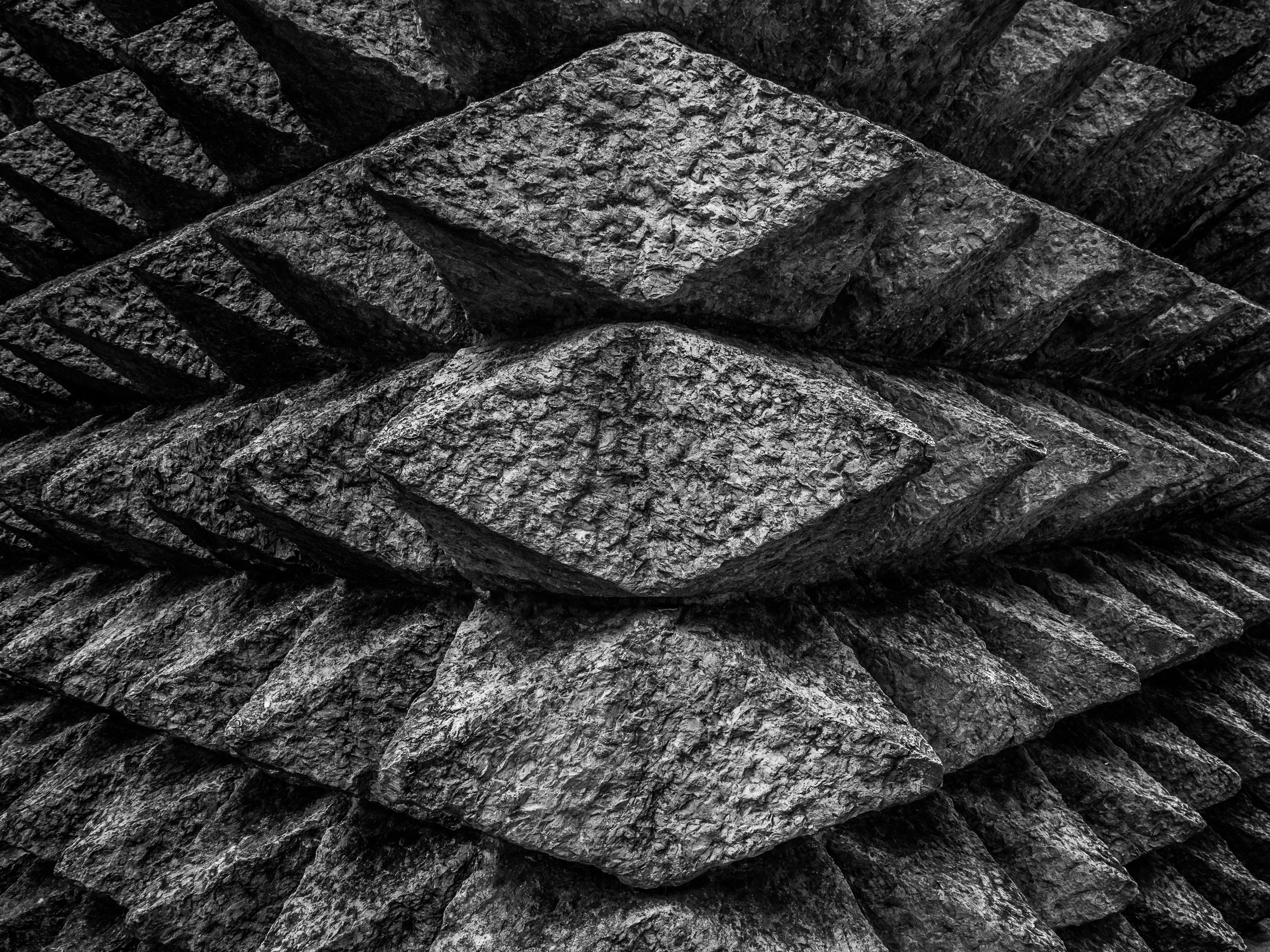
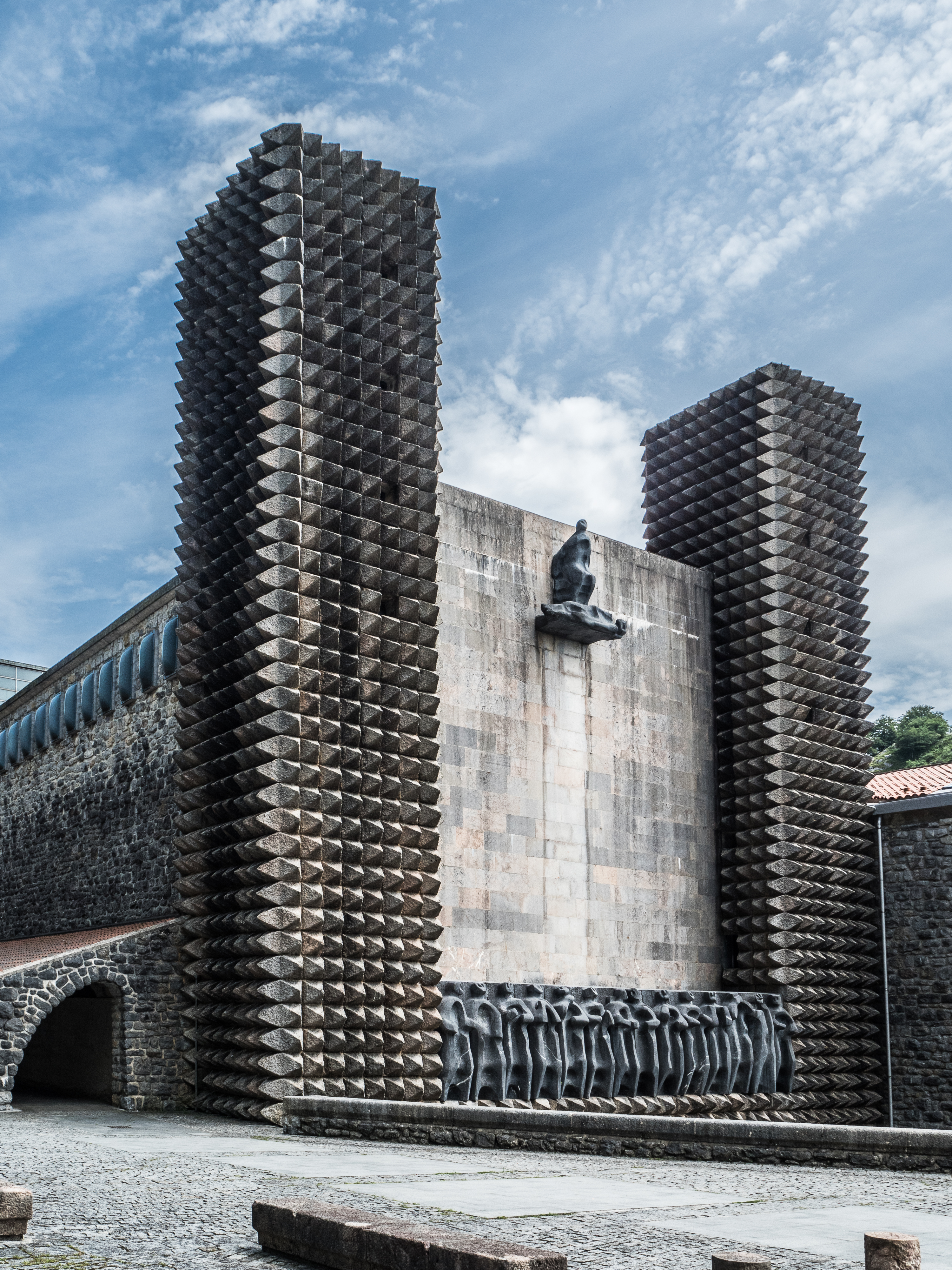
Second stop: Sanctuary of Arantzazu
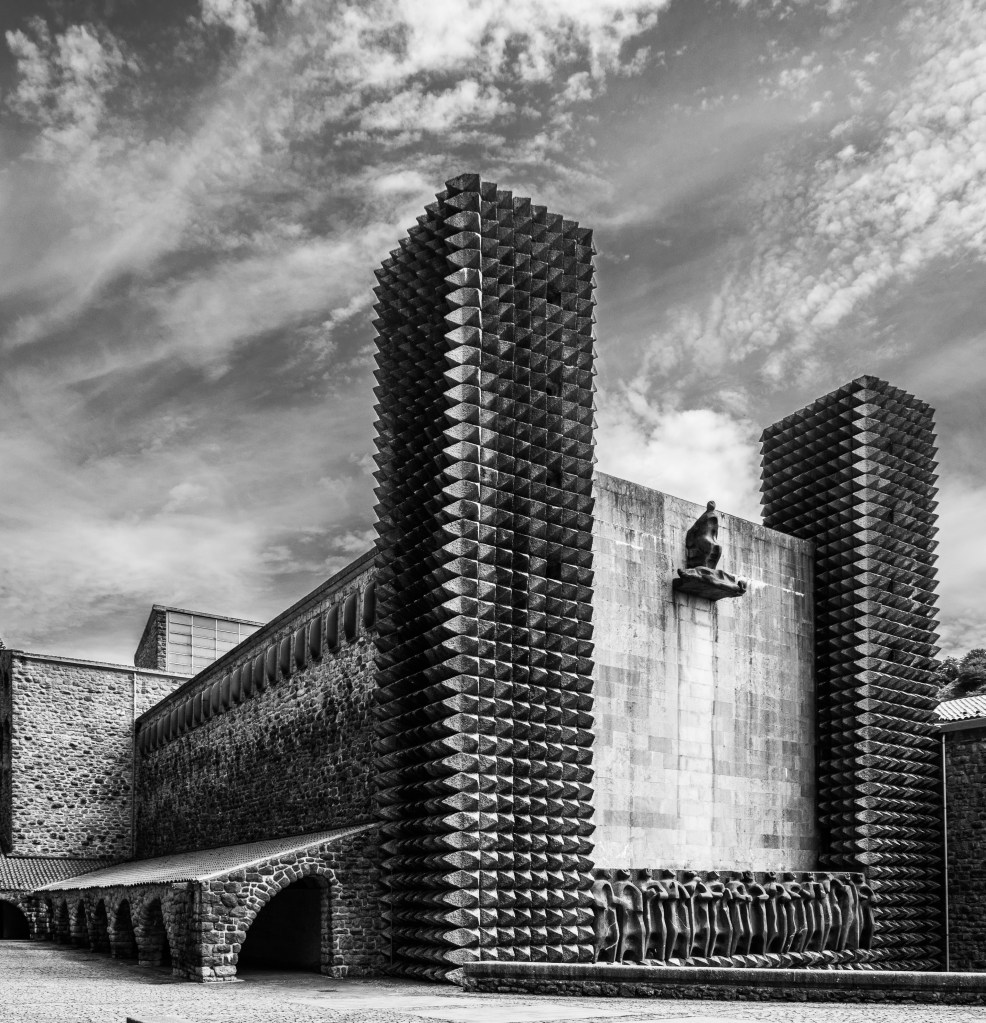
This has been on my “things to see in Spain” list for a long time. Not because I am religious (I think I made the contrary perfectly clear on this blog), but because of my fascination by raw concrete. Brutalism is the defining style of the 20th century and possibly the last distinct architectonical current before everybody started playing with AutoCad 3D. It never took much effort to build a church in Spain, but I think some recognition is due to those who did not fear to erect basilicas in styles correcponding to the times, rather than randomly mix’n’match-ing from books of history of architecture (yep, I still think Almudena is ugly AF). But there are also wonders like the Franciscan sanctuary of the Virgin of Arantzazu, the patron saint of Guipúzcoa province of the Basque Country, built in glorious brutalist style by Francisco Javier Saénz de Oiza (Torres Blancas, among others, in Madrid) and Luís Laorga between 1950 and 1955.
Curiosity for film lovers: the basilica features in the opening scene of the Spanish super cult movie “El Día de la Bestia” (The Day of the Beast). If you haven’t seen it, do. It’s a total gem.
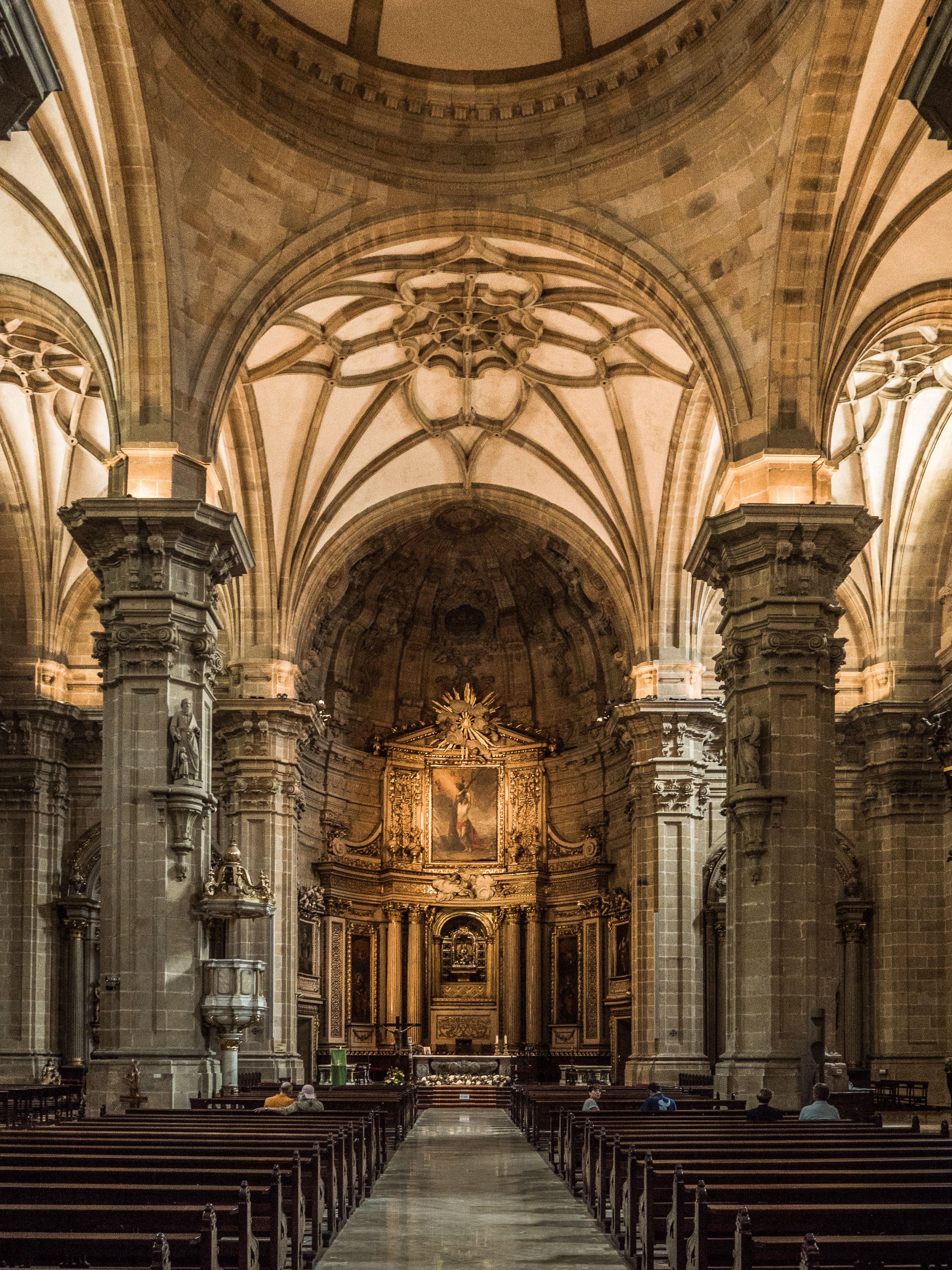
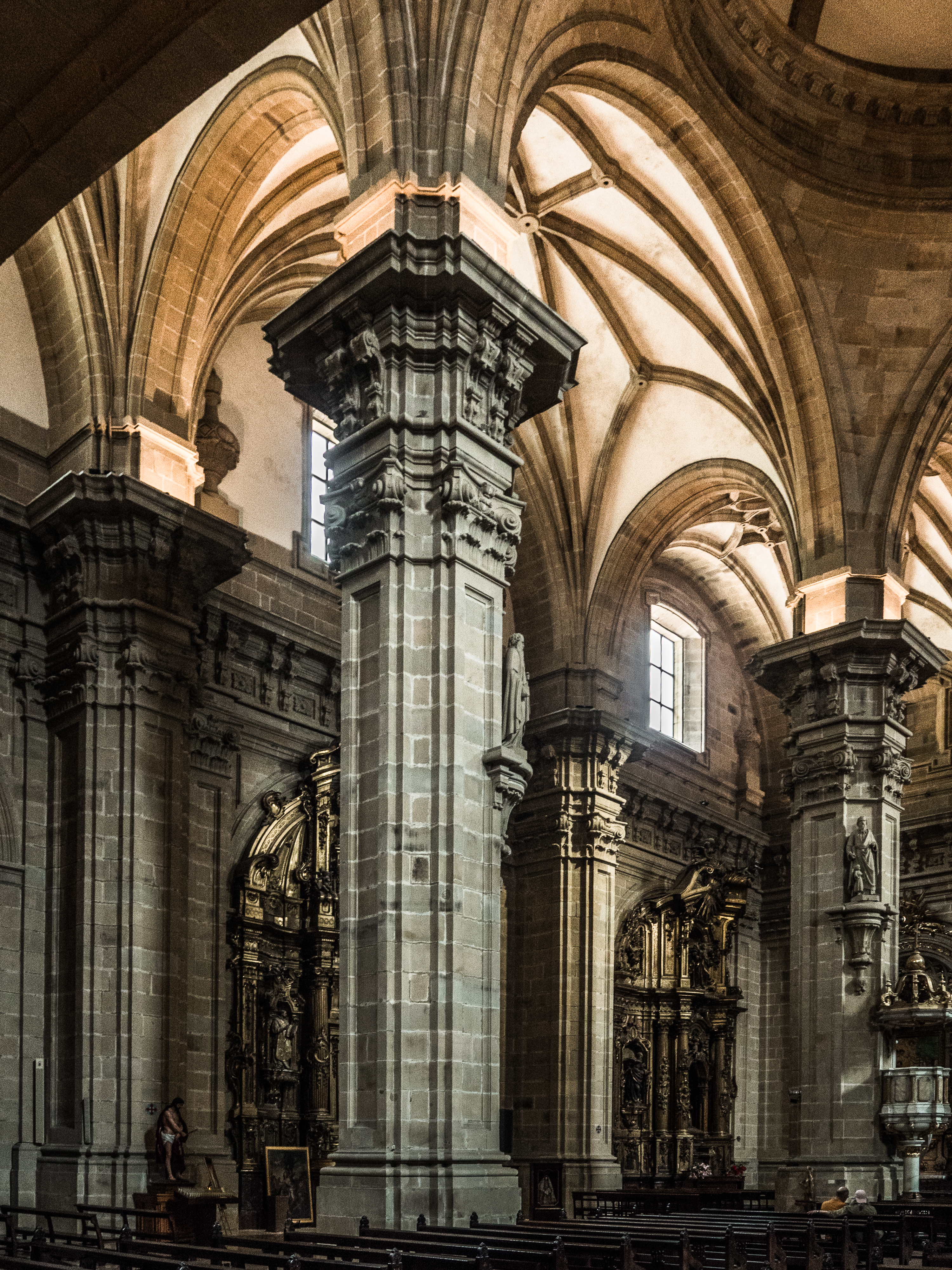
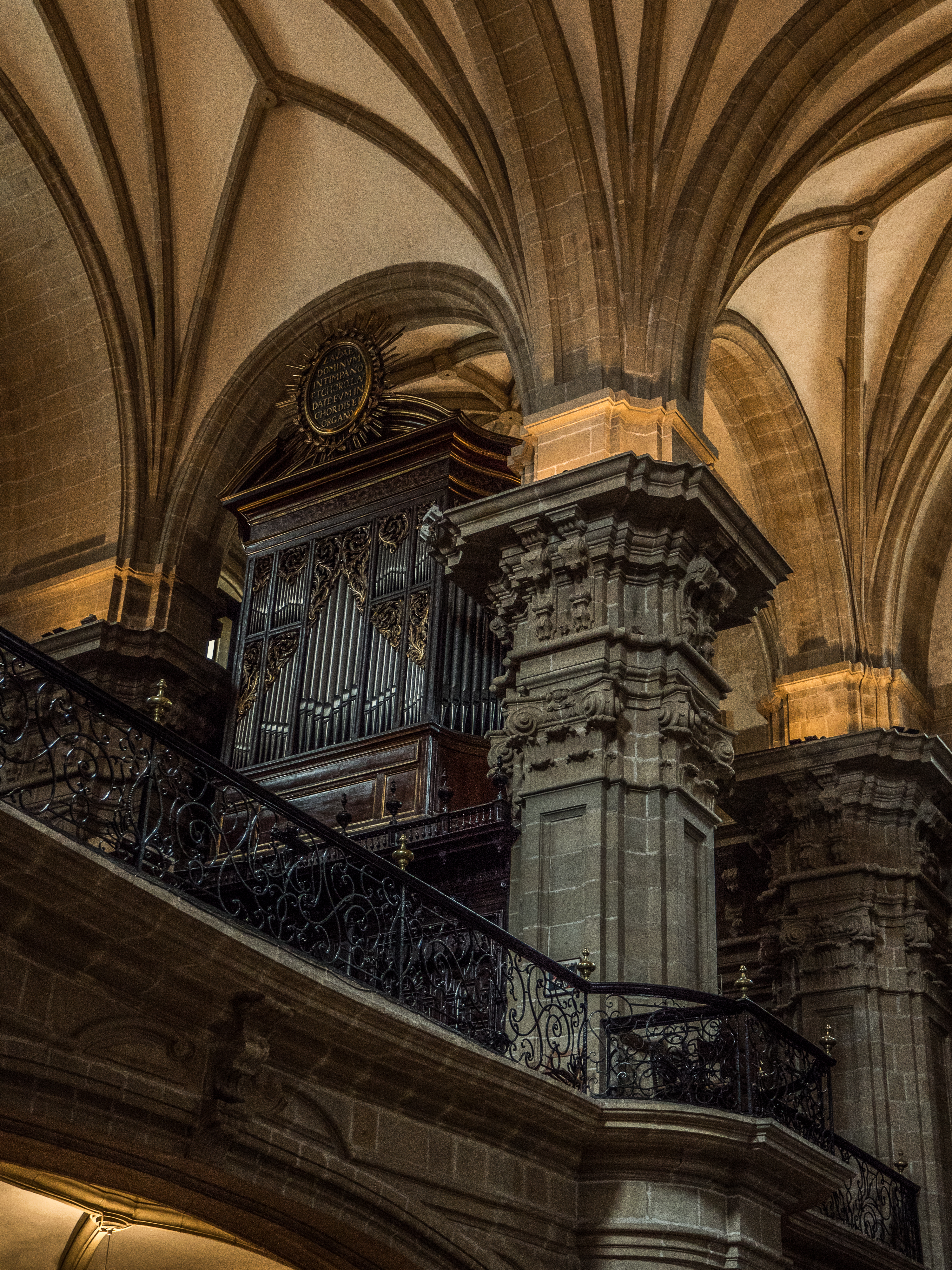
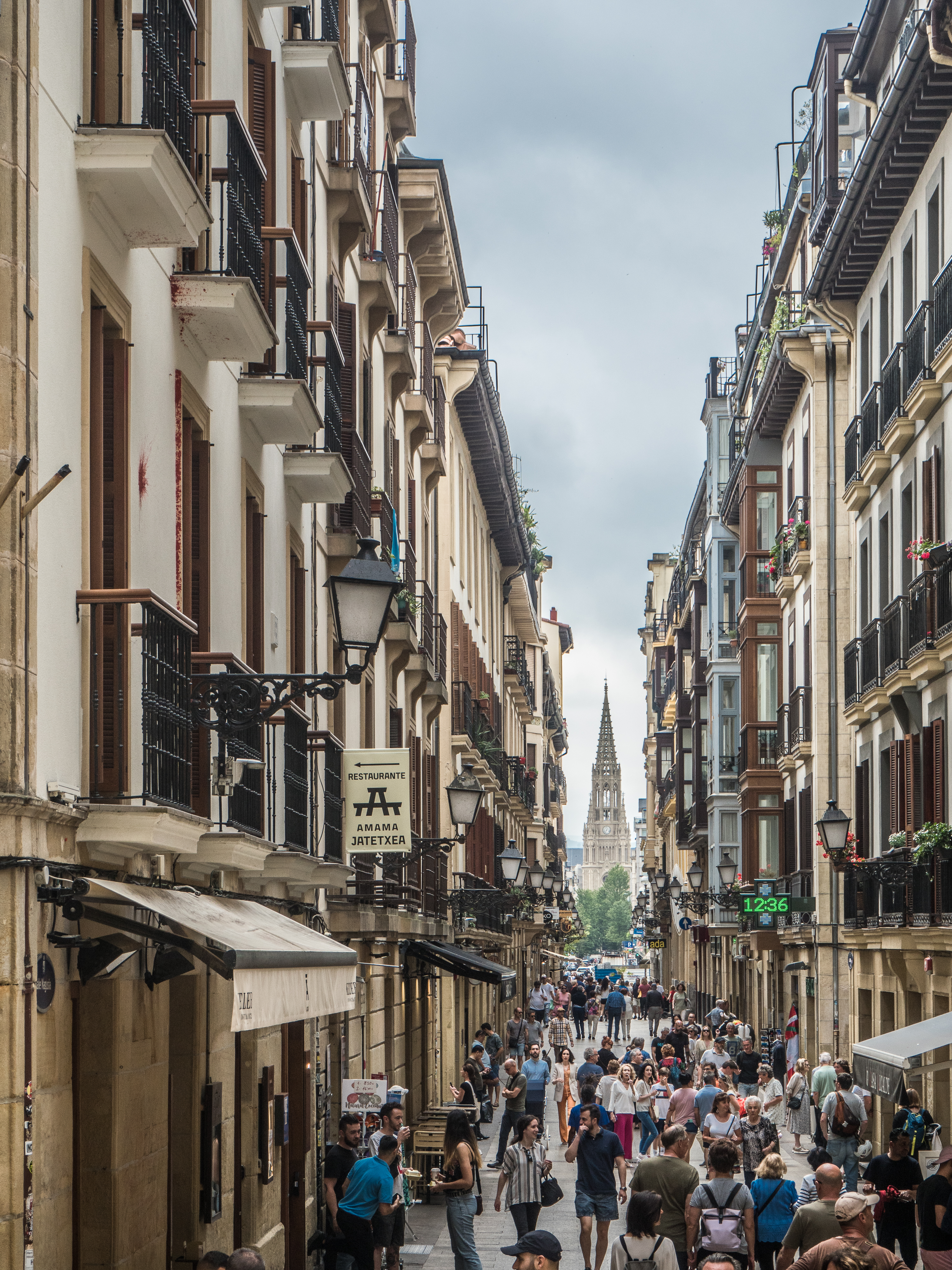
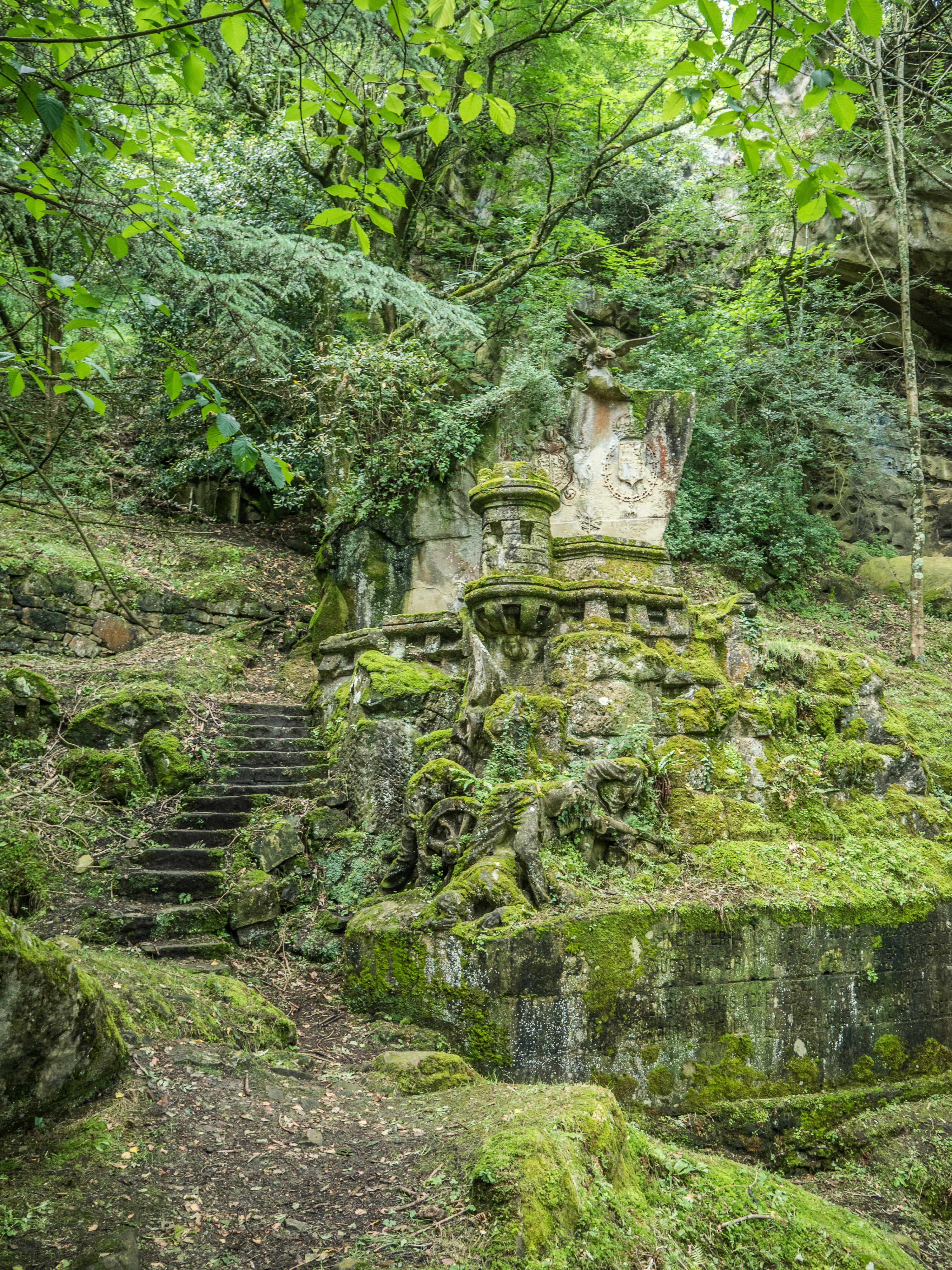
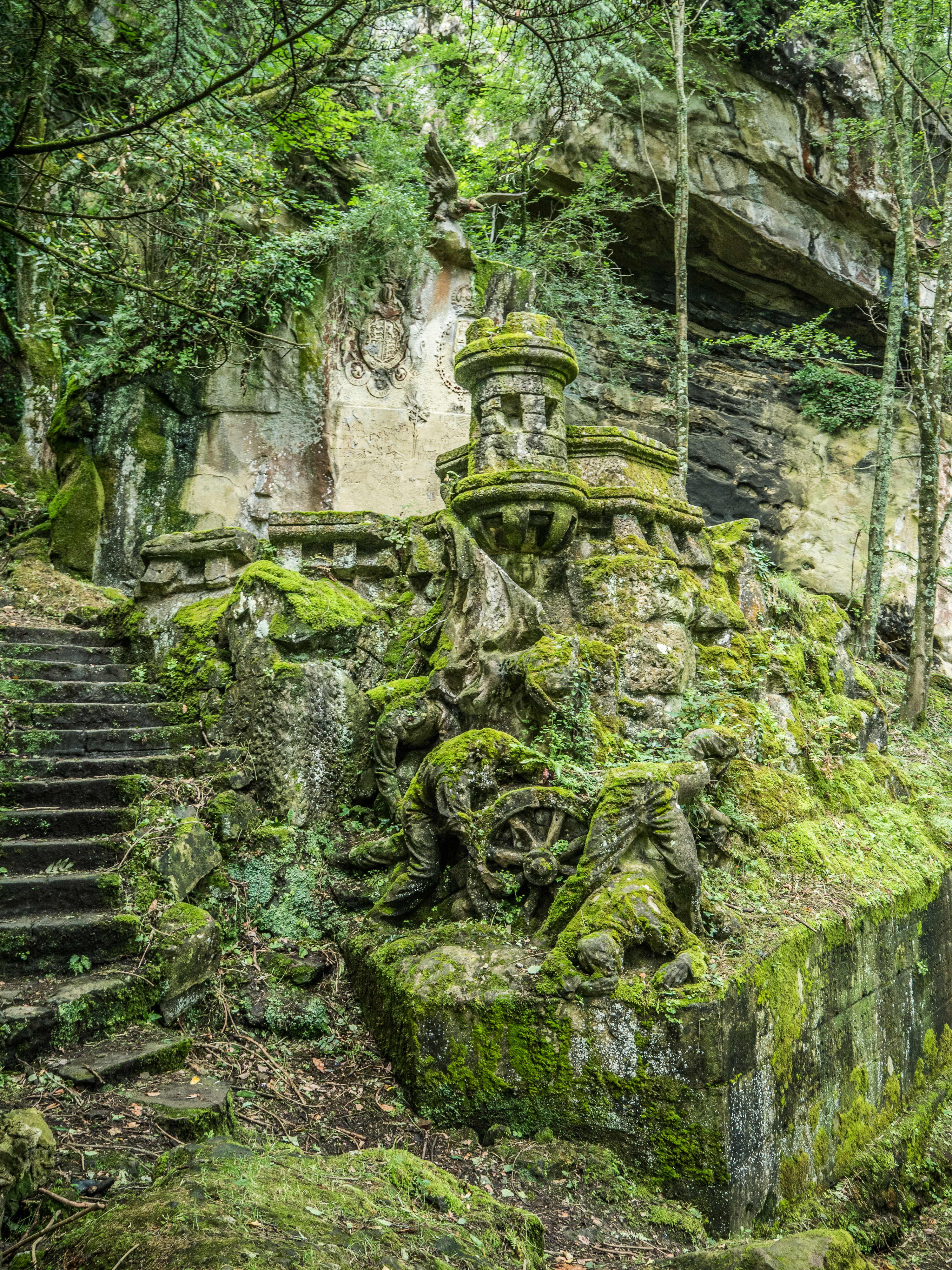
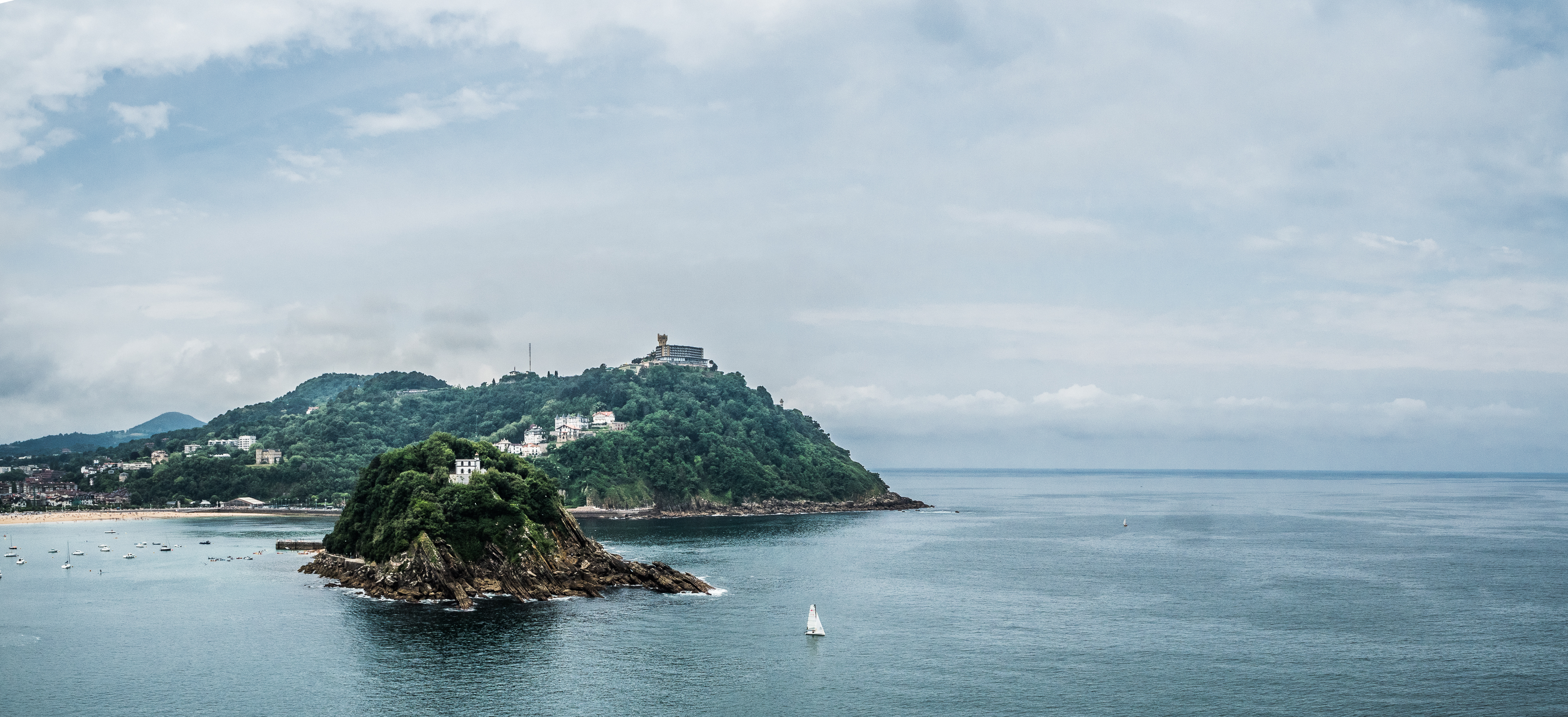
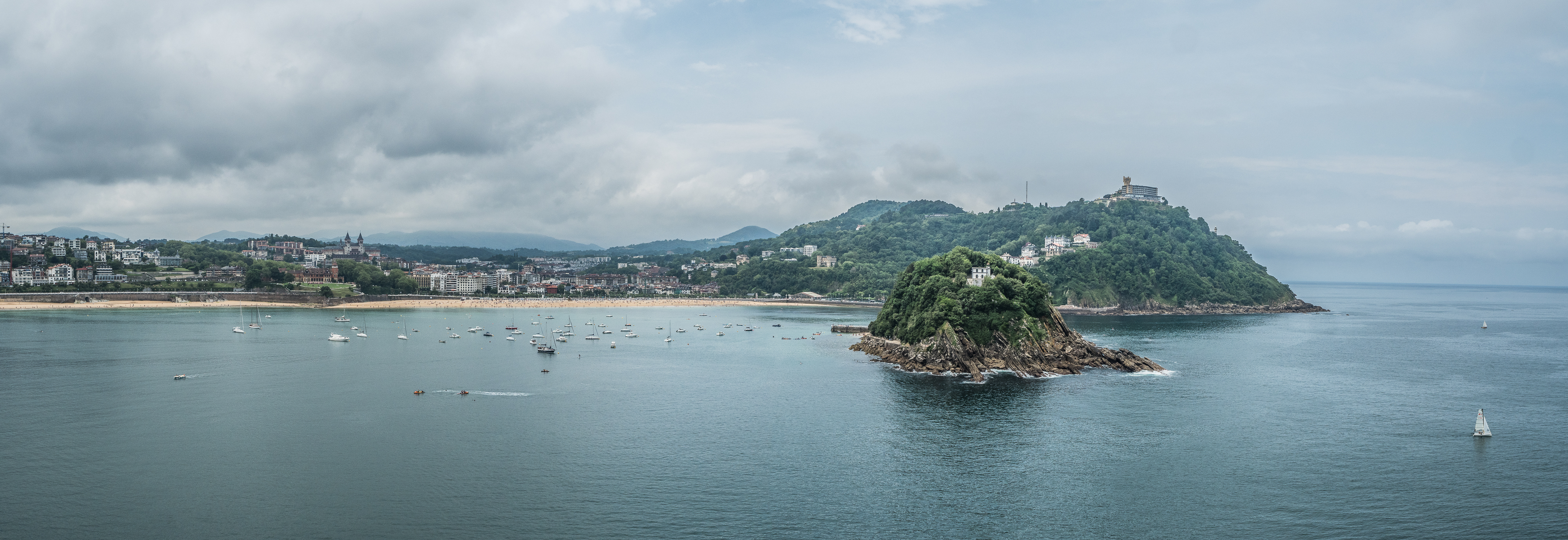
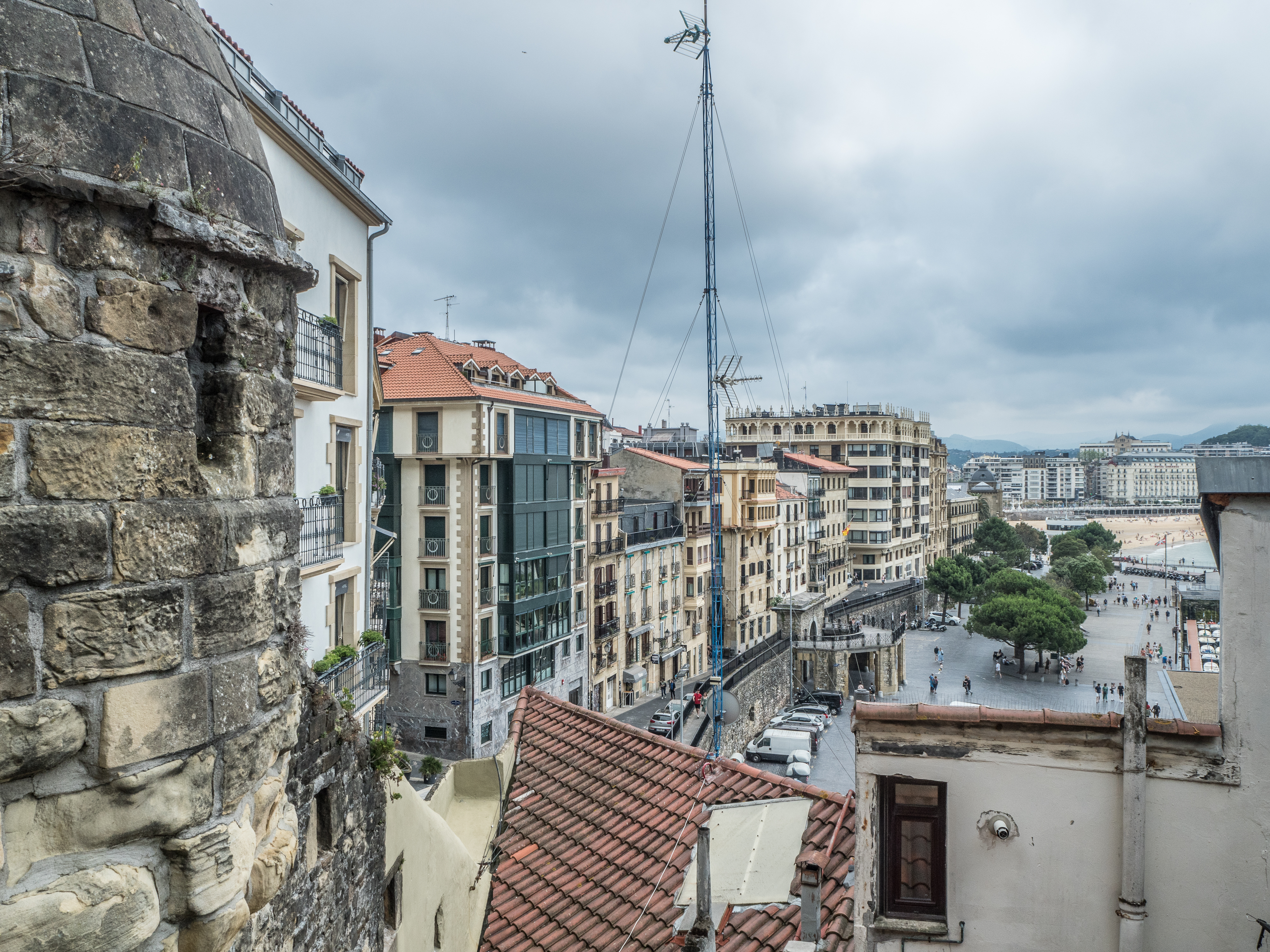
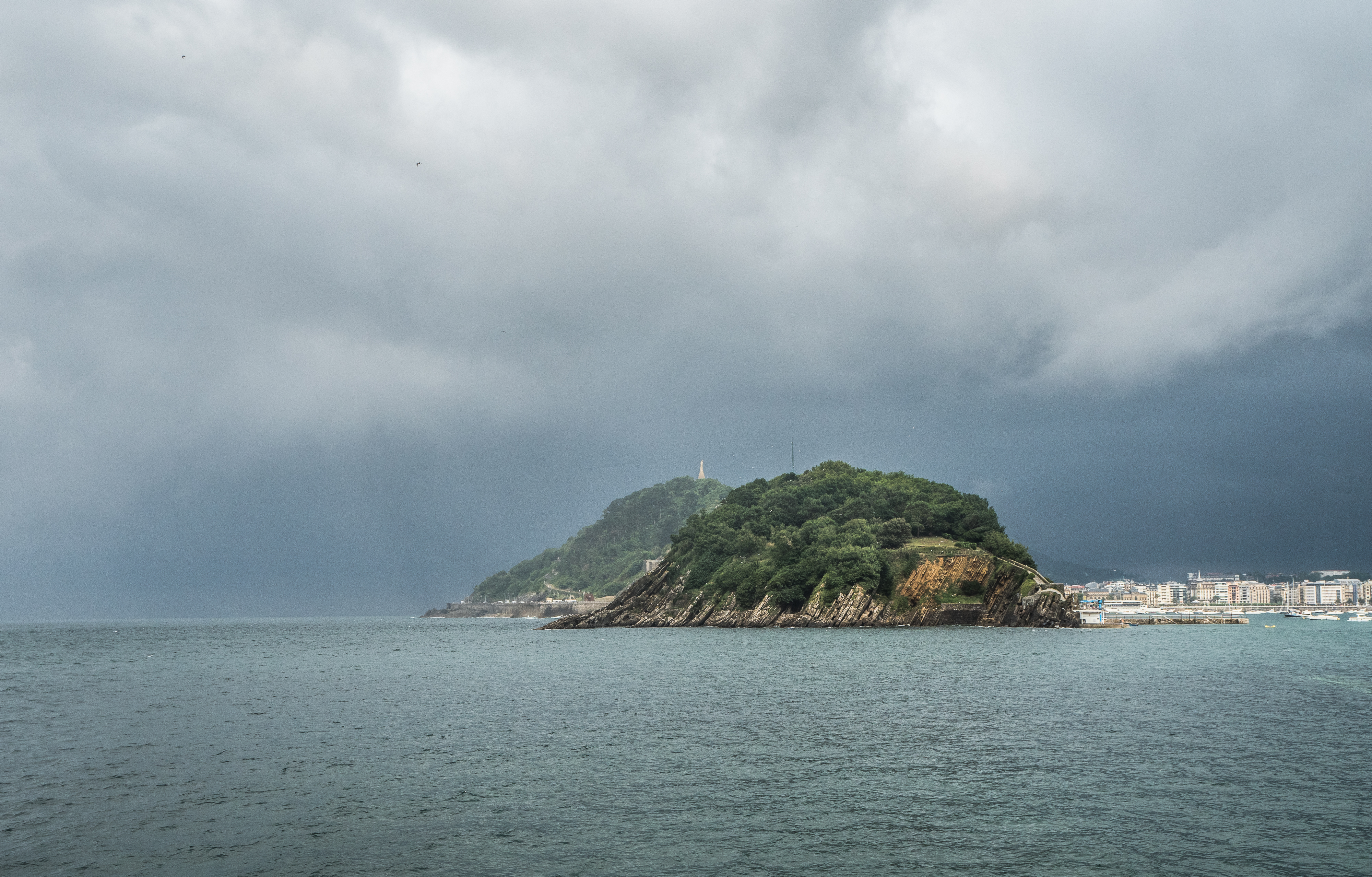
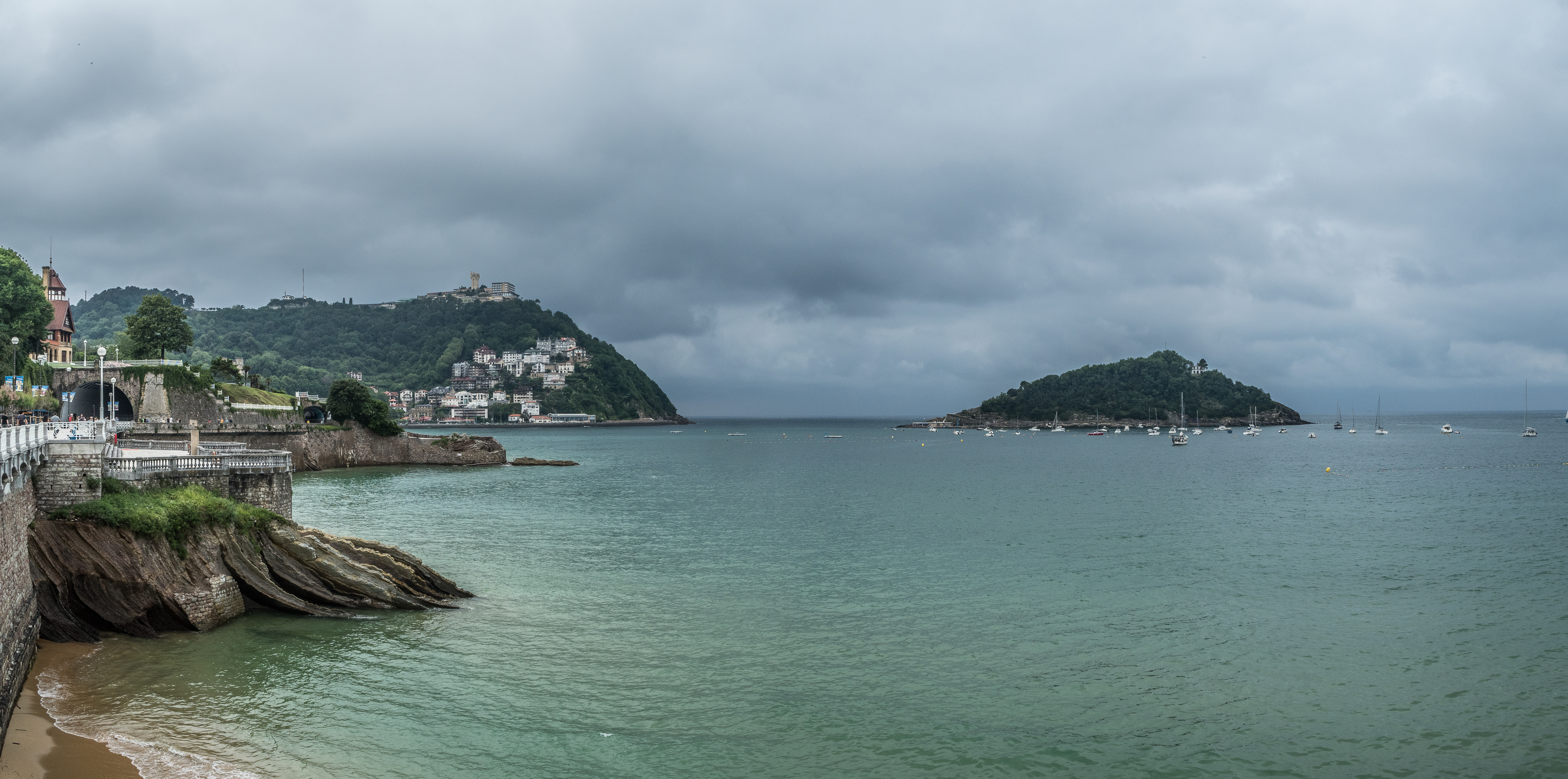
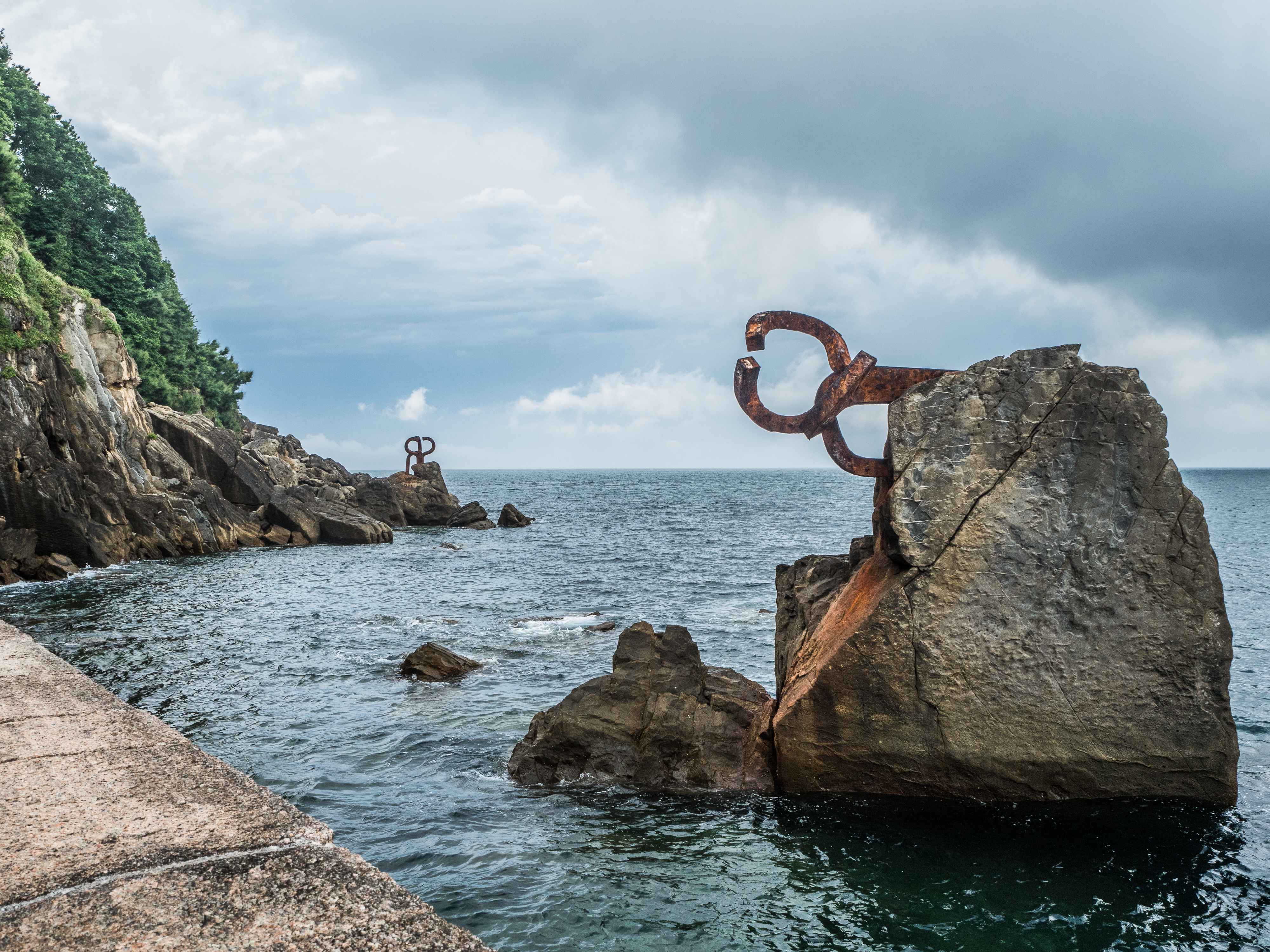
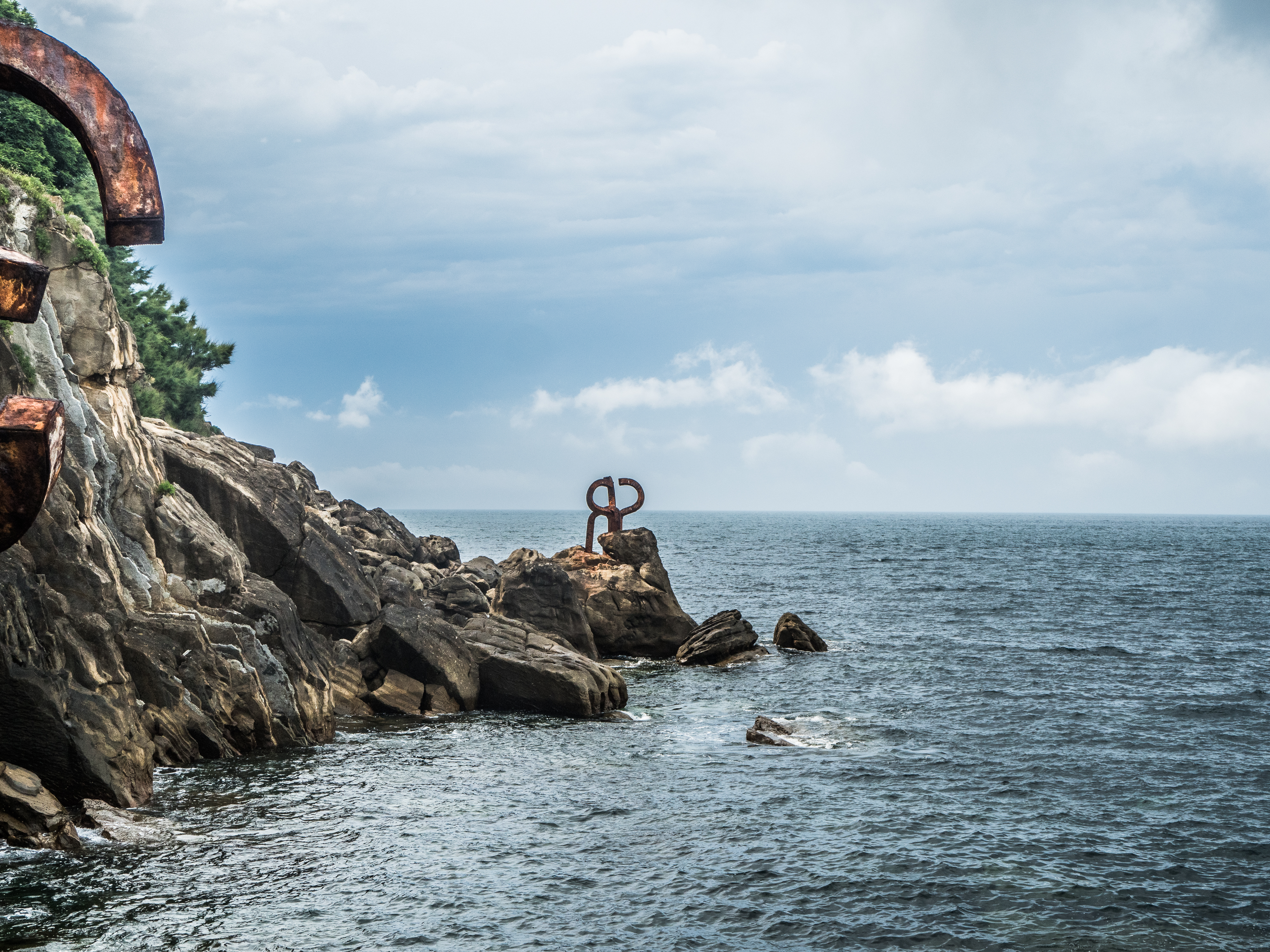
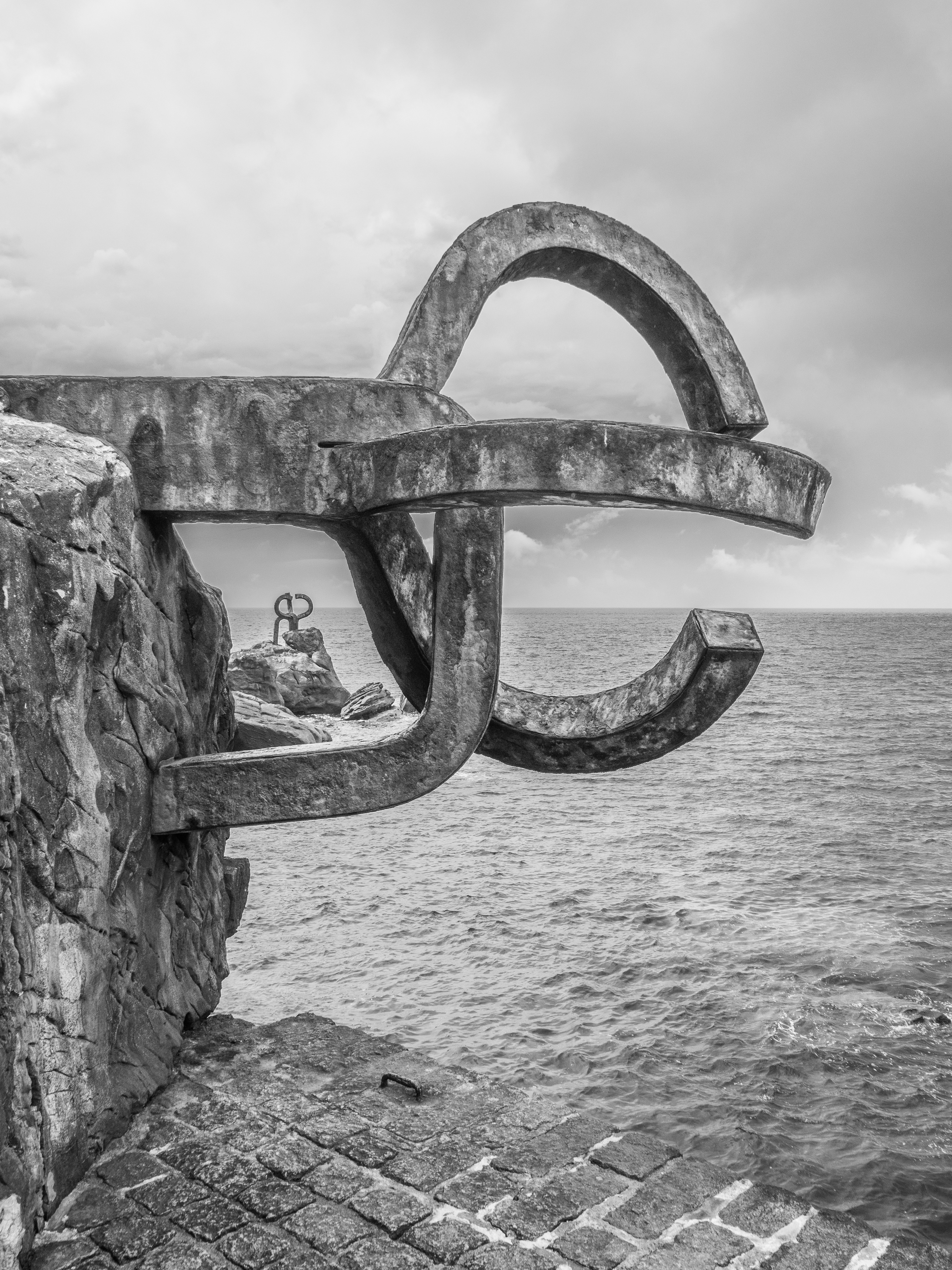
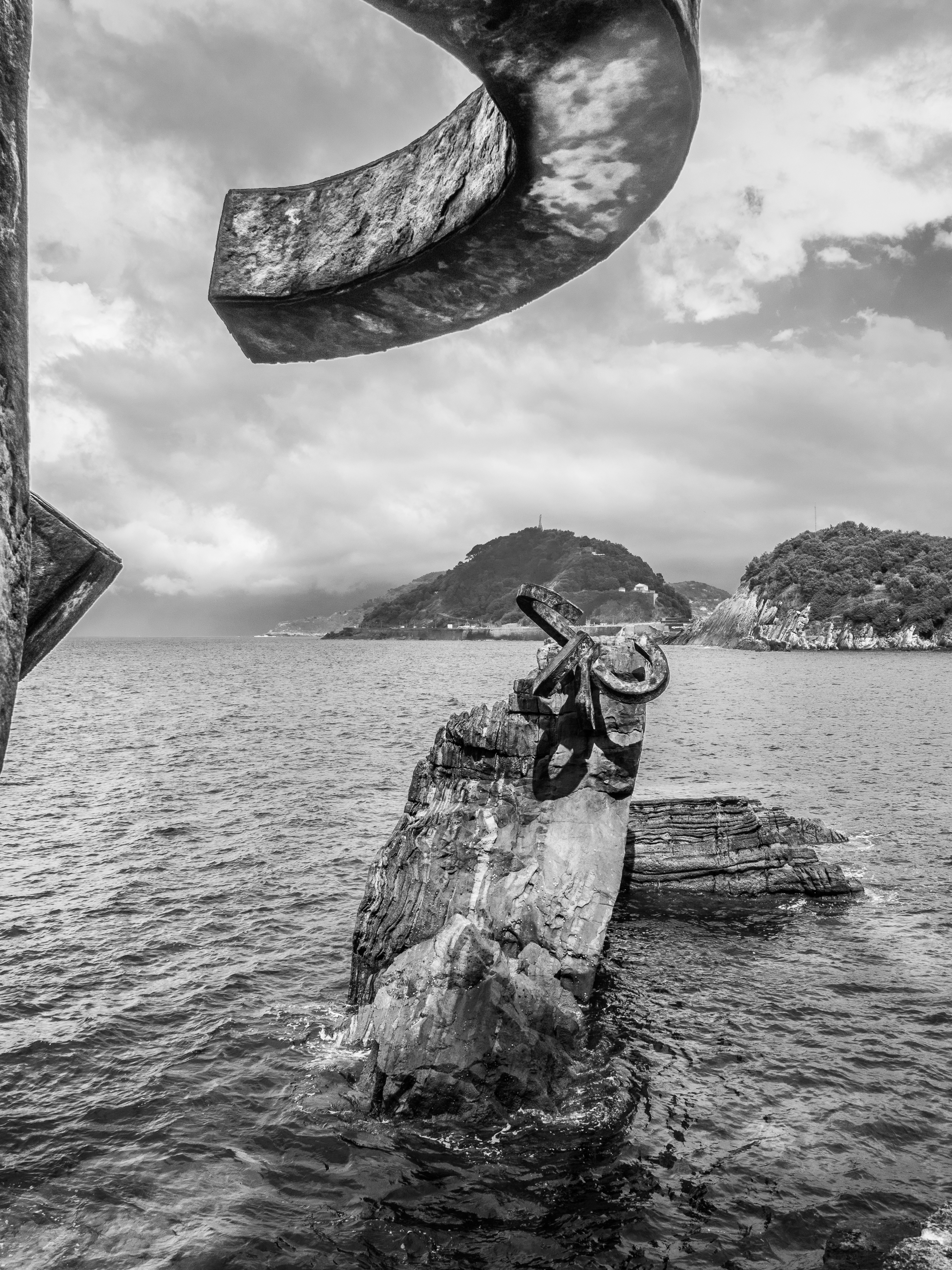
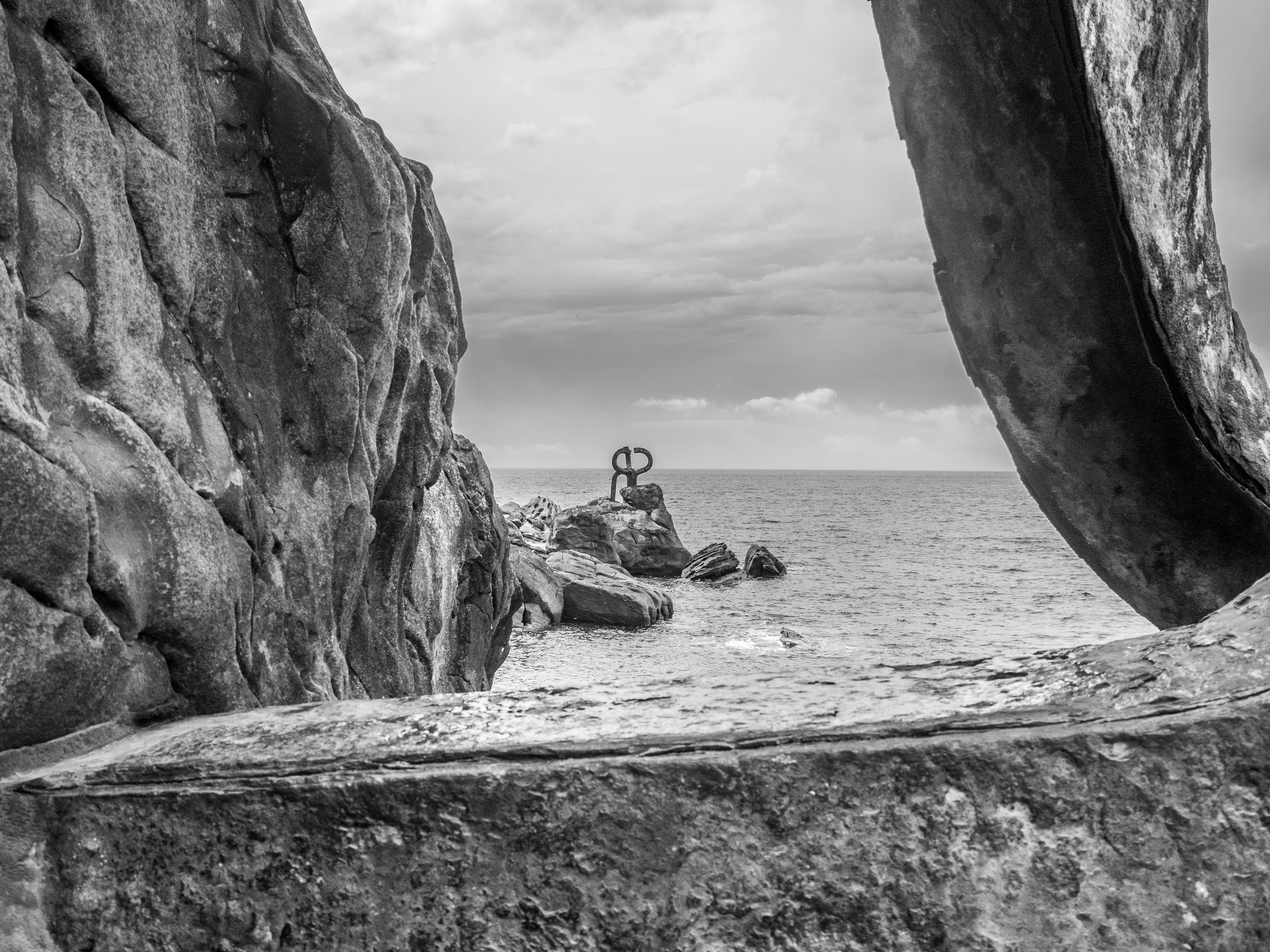
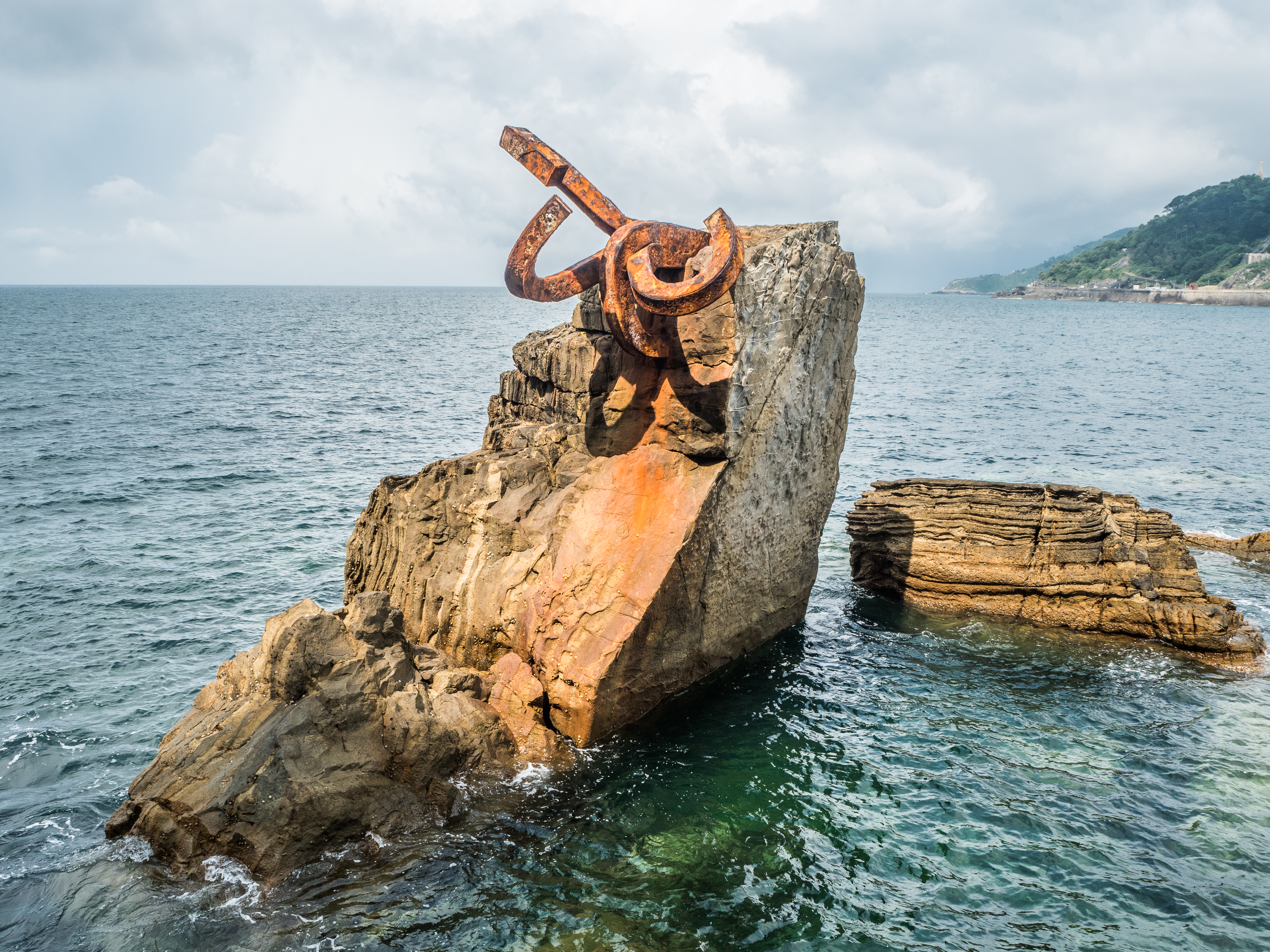
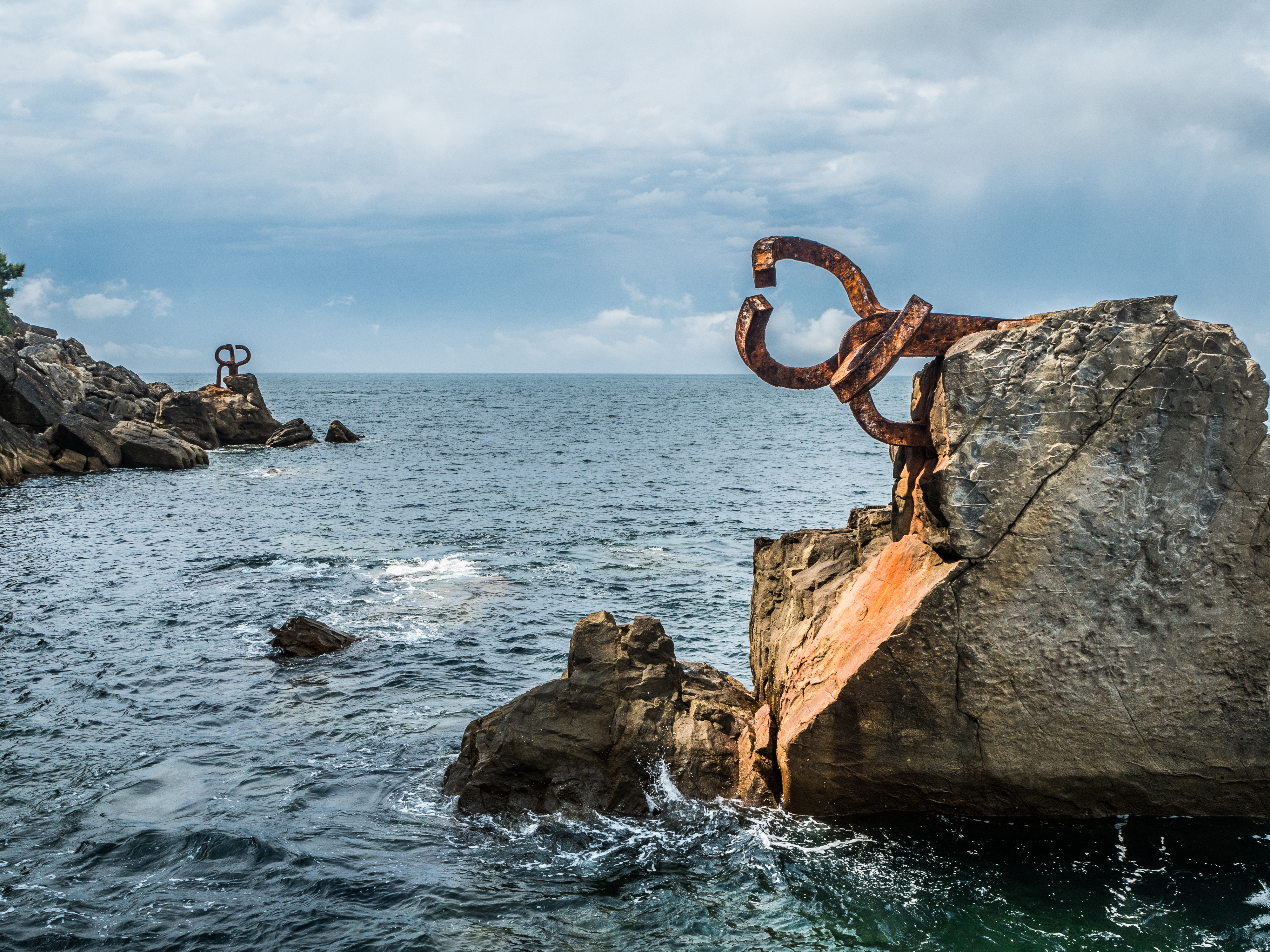
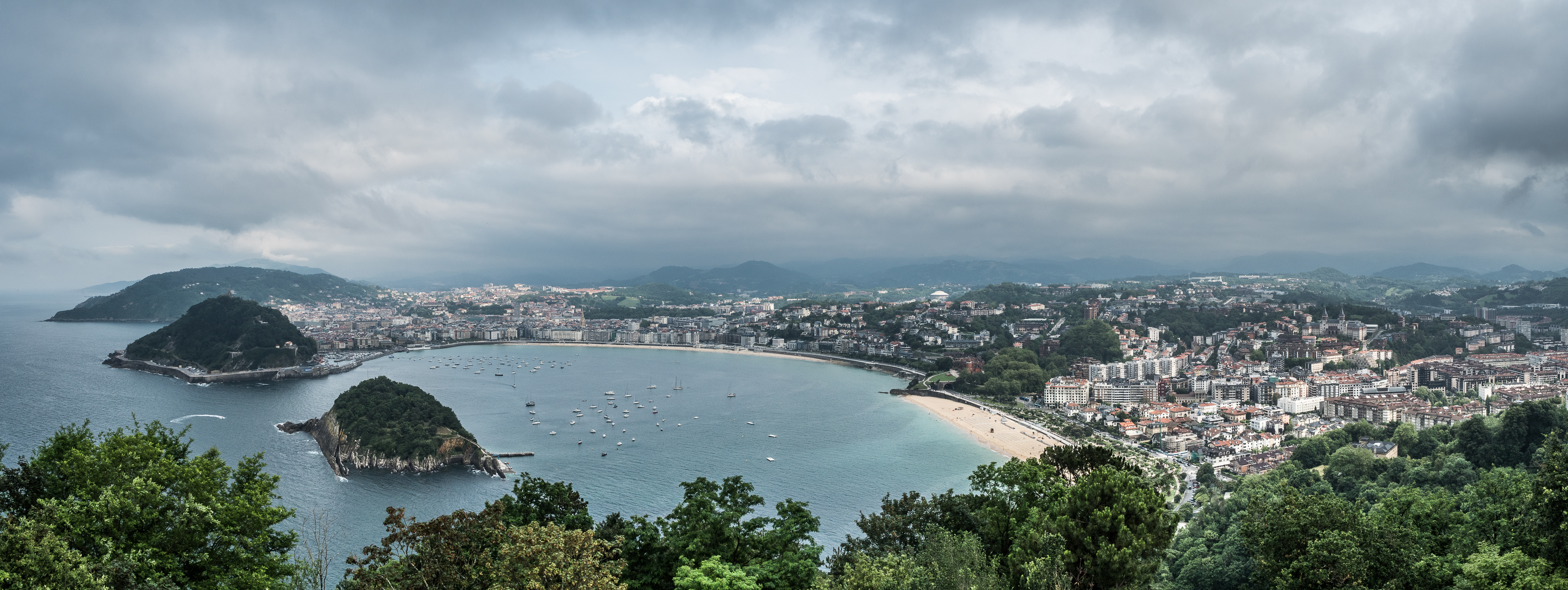
Between fencing, pintxos and parties, there was time for some tourism. Basilica of Santa Maria del Coro, walk to the viewpoint at Monte Urgull, and along Ondarreta beach to Peine del Viento XV, a set of three statues by Eduardo Chillida and the architect Luís Peña Ganchegui. We were talking about sculptures the other day at lunch break (which is sort of refreshing, compared to the old job, both the fact that after 11 years of talking to impersonators of Gordon Gekko 12 hours in a row I now have an actual hour-long lunch break, and that the conversation topics go further than perrosánchecomunista). Anyway, someone planning a trip to Naples, which I think is the most beautiful (if the least liveable) city in the world, and I recommended visiting the Sansevero Chapel and admire statues of Veiled Christ and Disillusion. And then someone pointed out that those were proper sculptors, unlike today, when assembling steel rods is called art. I don’t know, is it even comparable? The same could be said about roads. I have seen roads built by the Romans that are in better state than certain communications paved less than five years ago. This day and age, the role of art is not to celebrate glorious heroes or incite fear of God in illiterate churchgoers, but it still should awaken an emotion in the spectator. And as for the technical skill, I think that anchoring 30 tonnes of steel in the rough seas of Bay of Biscay is the modern day equivalent of sculpting a fishing net in the most exquisite detail.
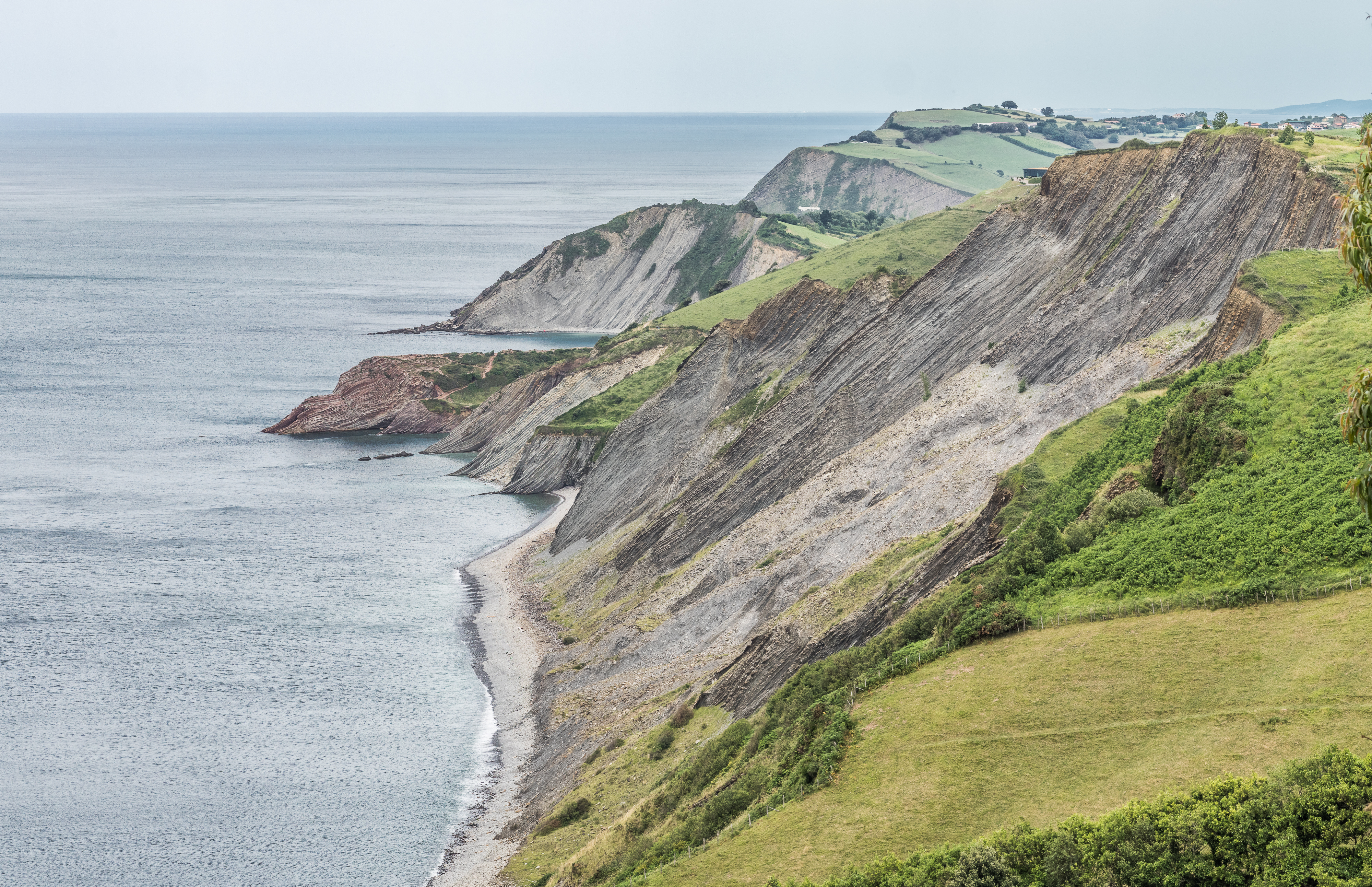
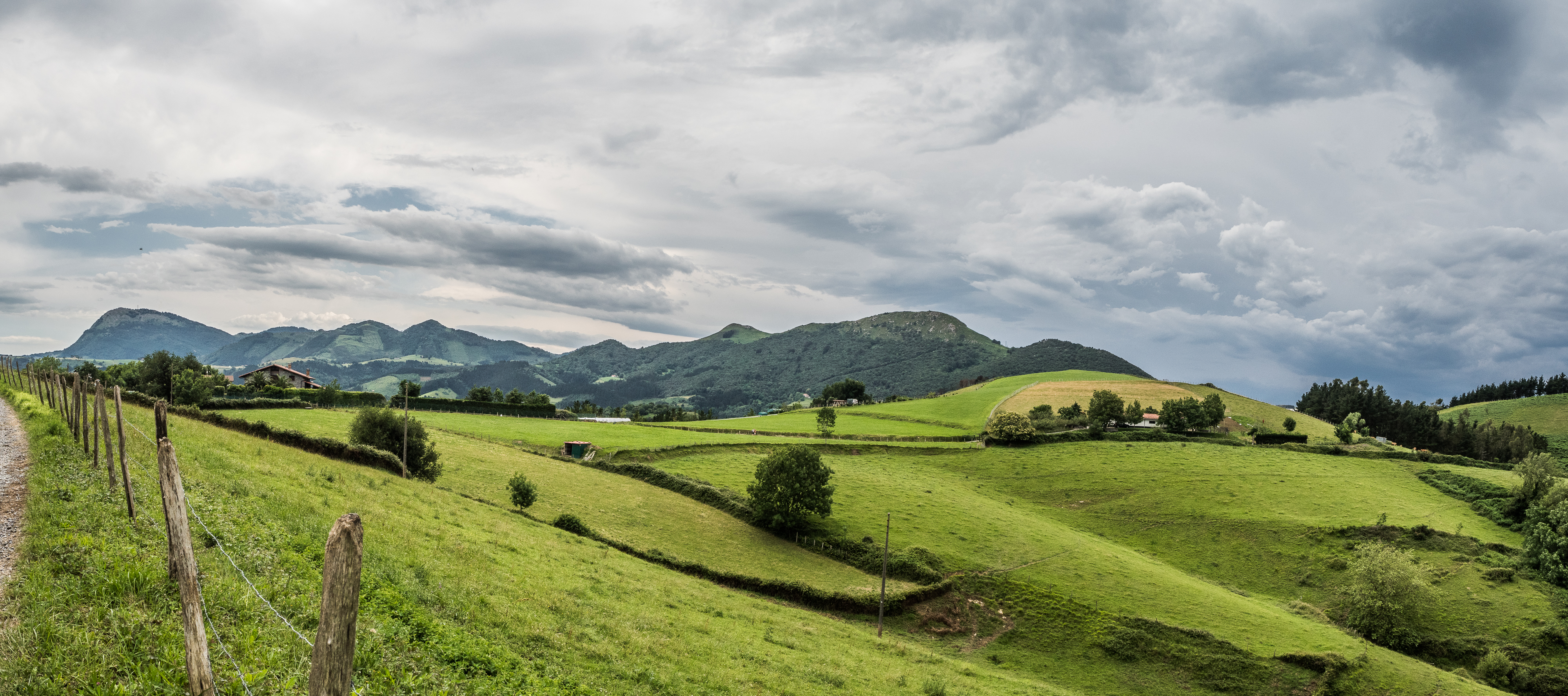
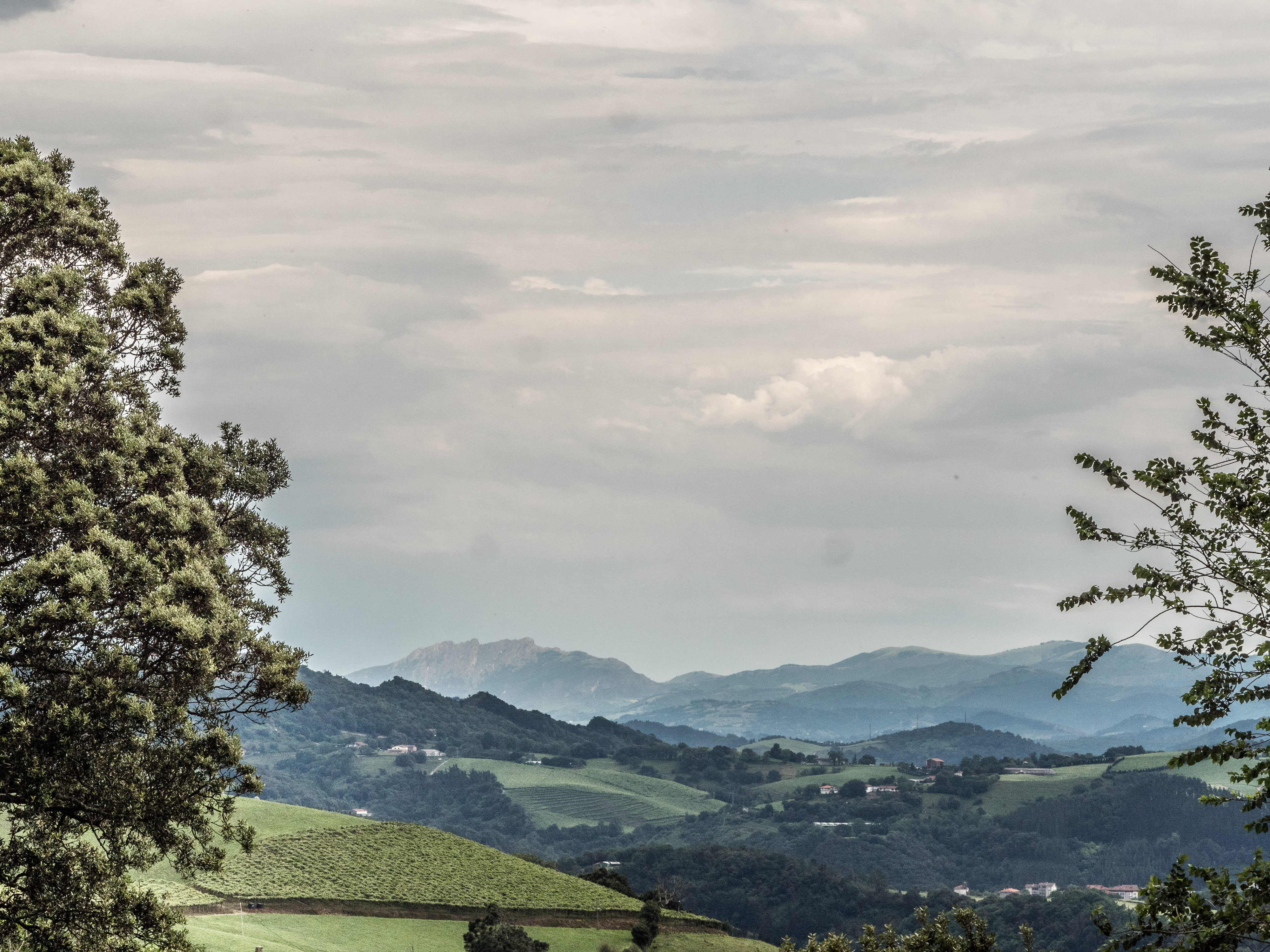
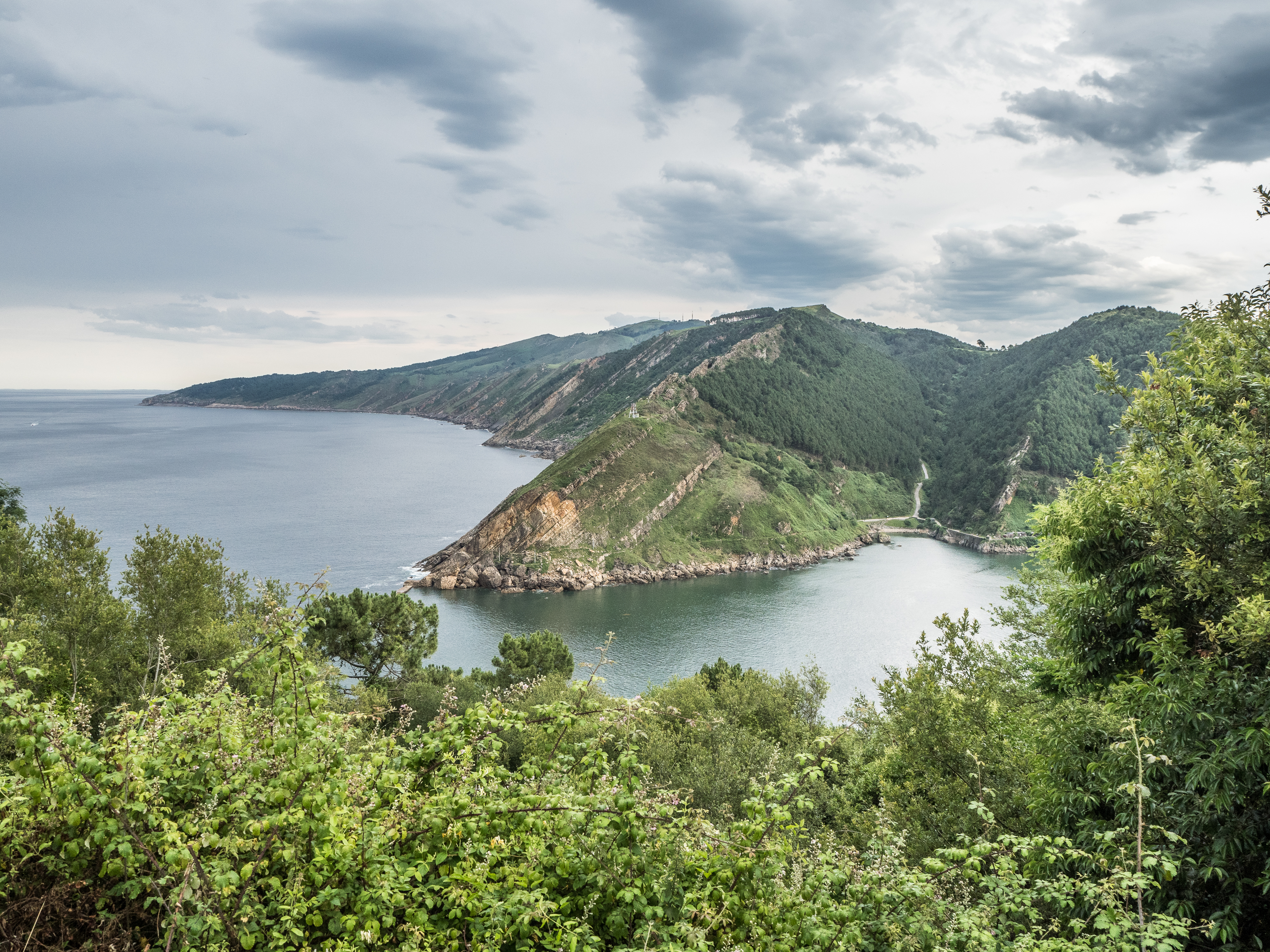
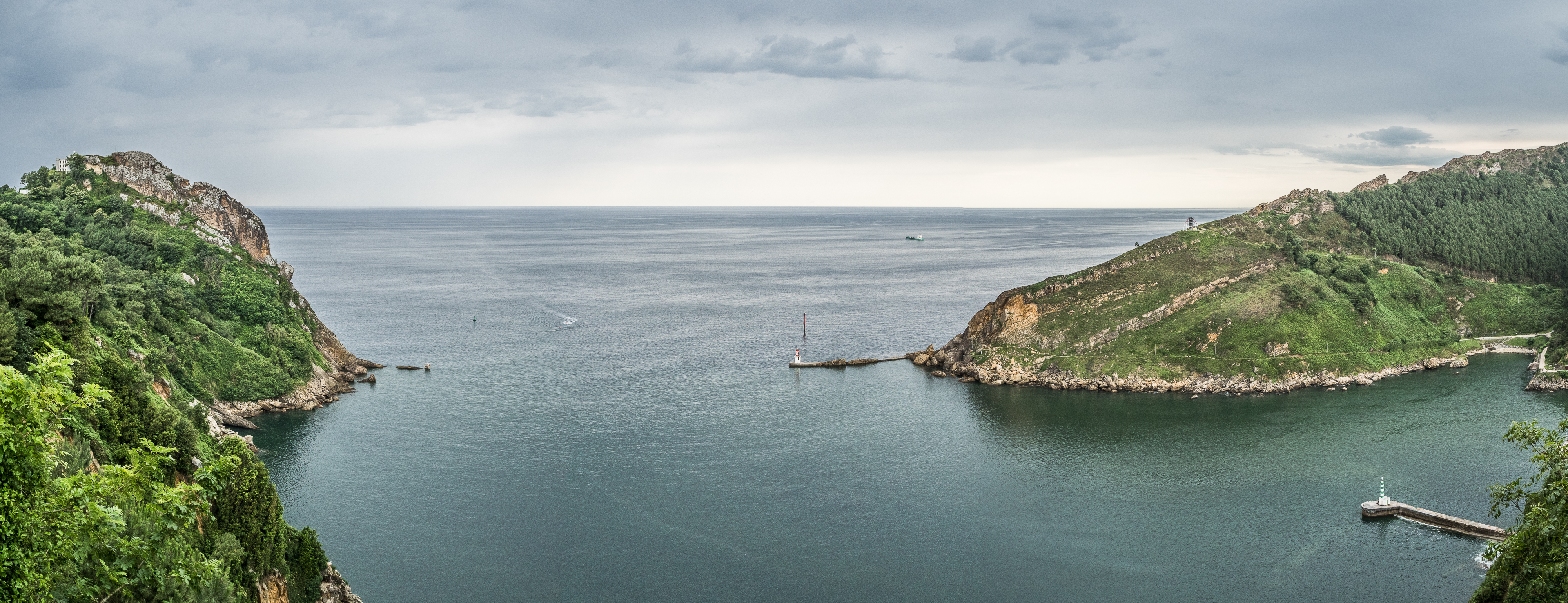
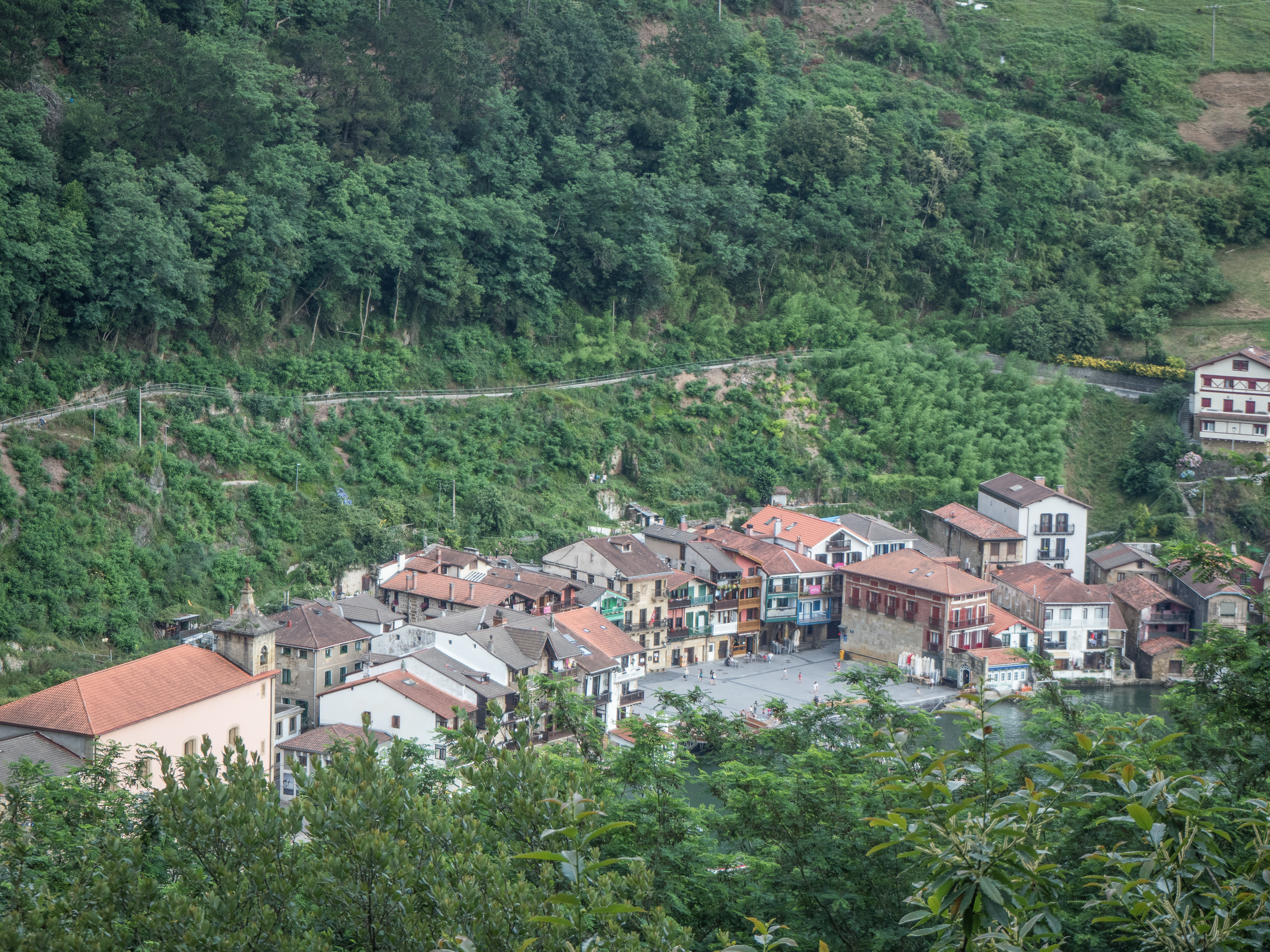
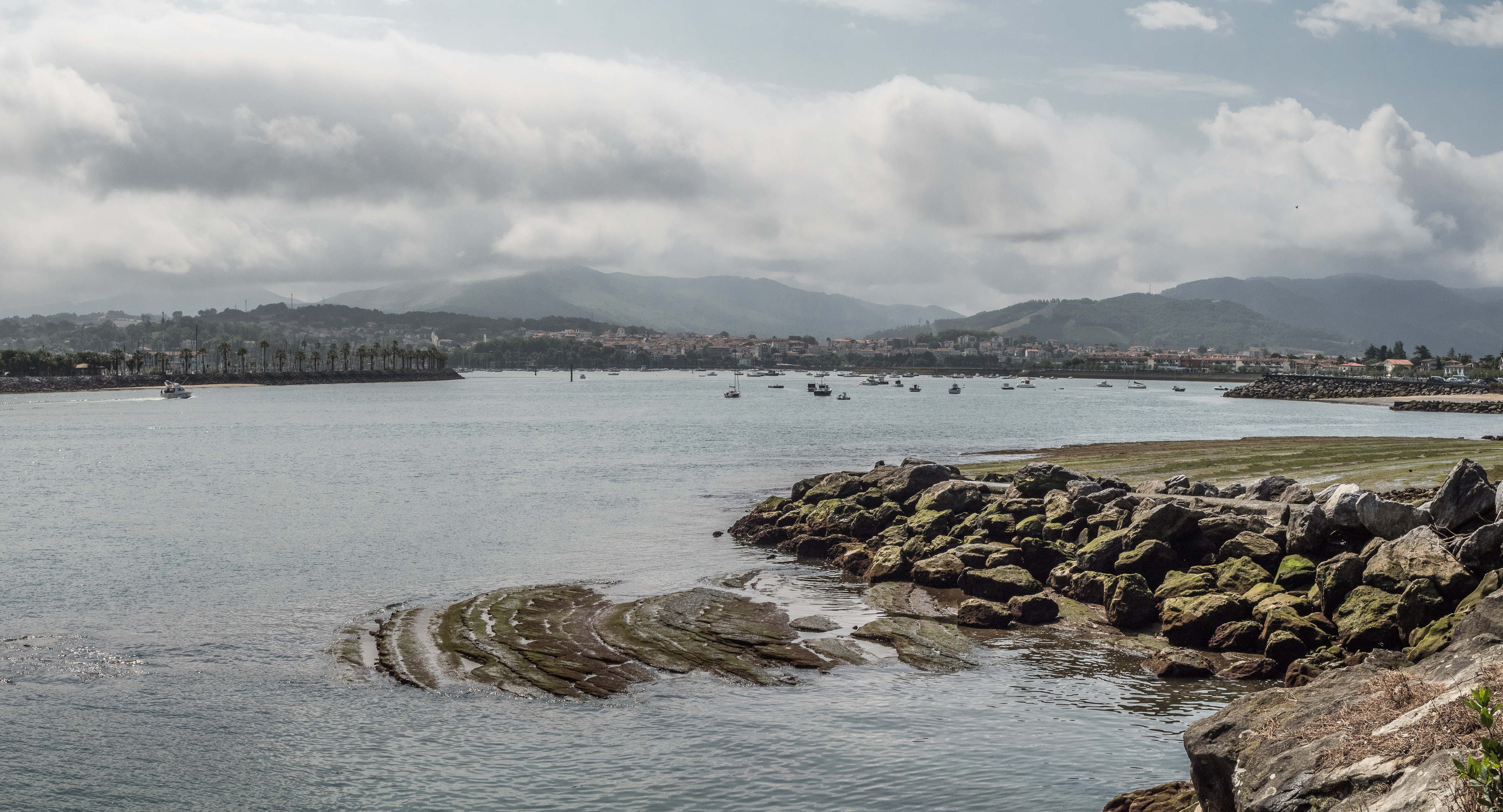
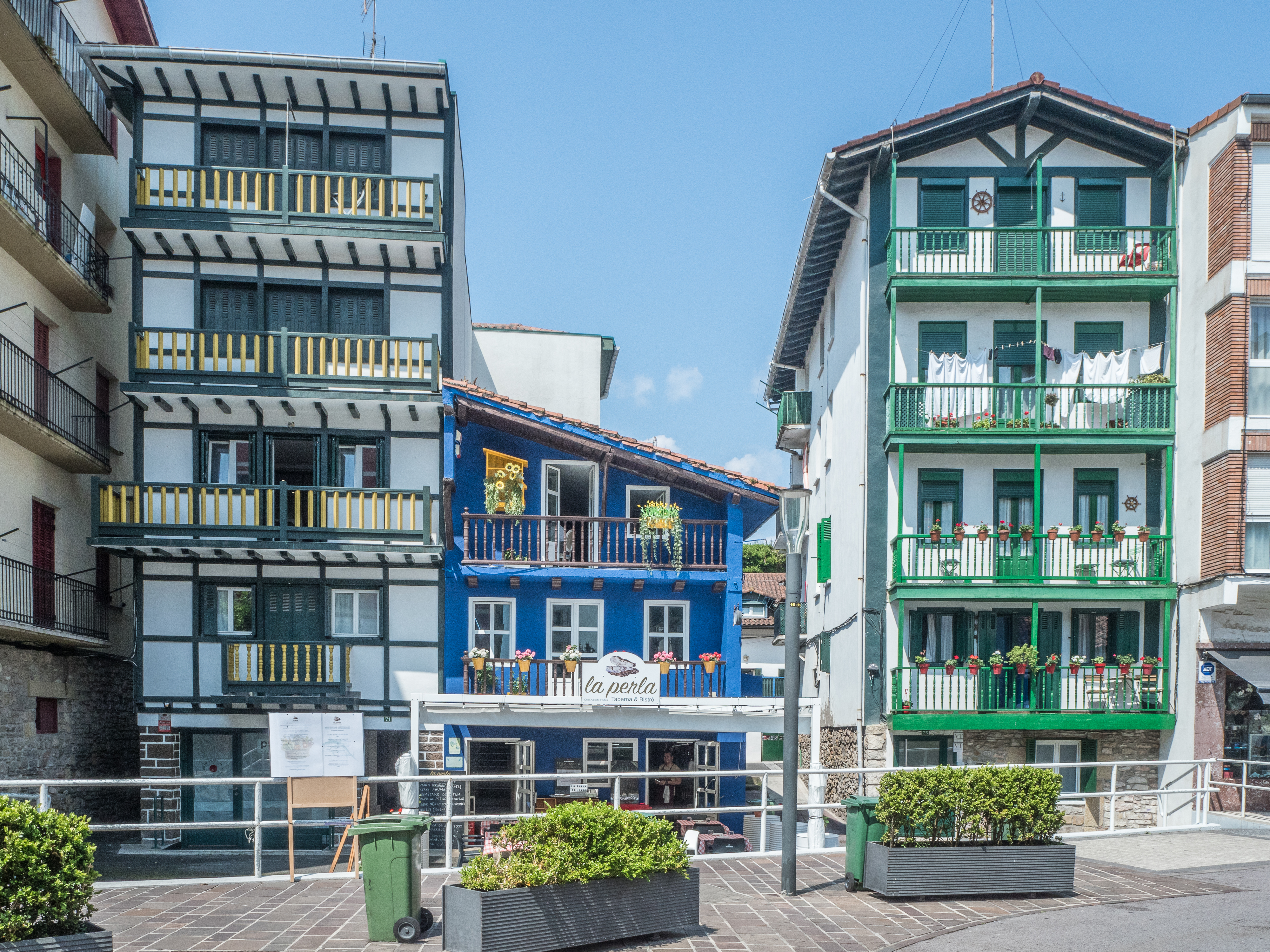
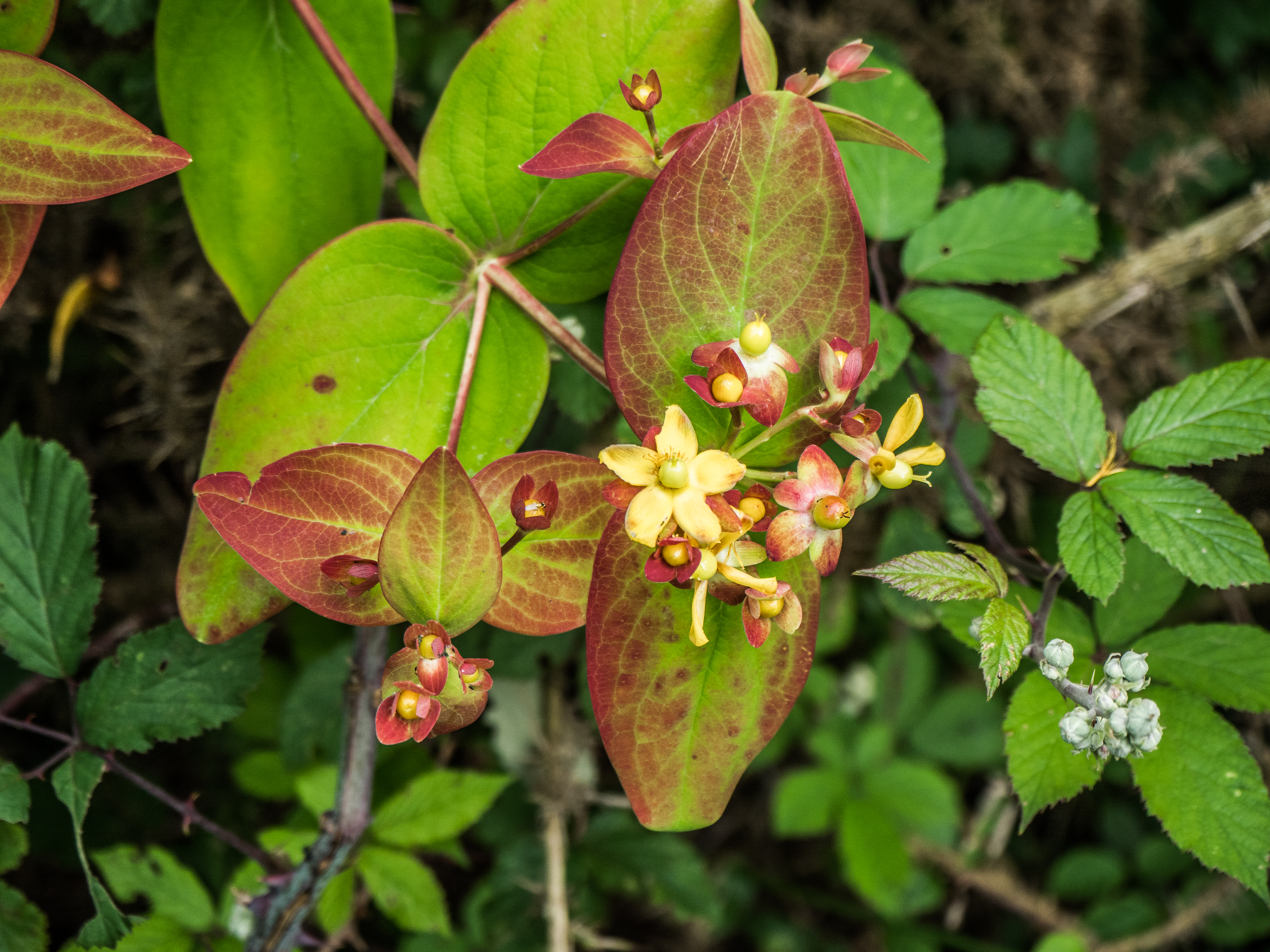
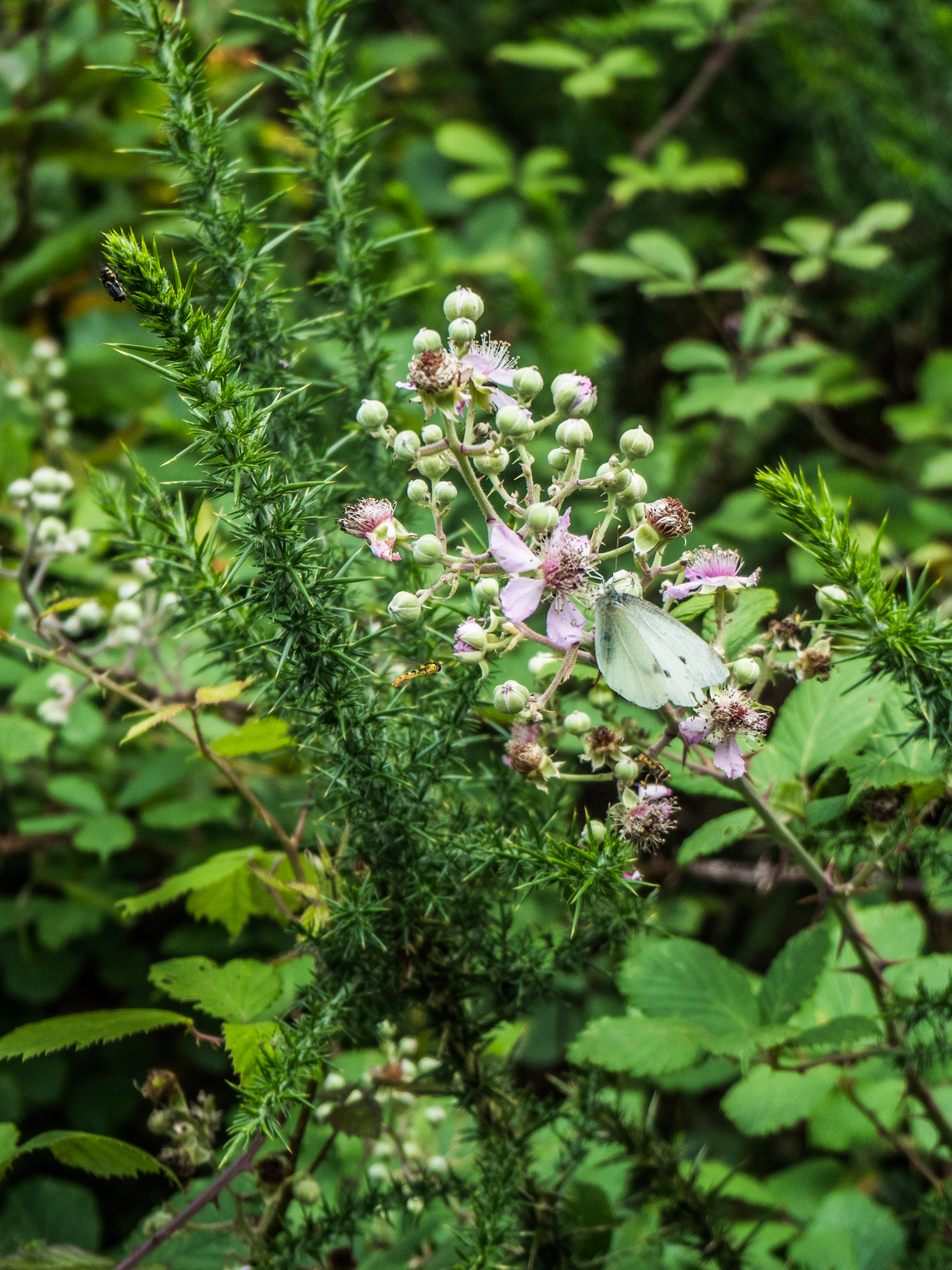
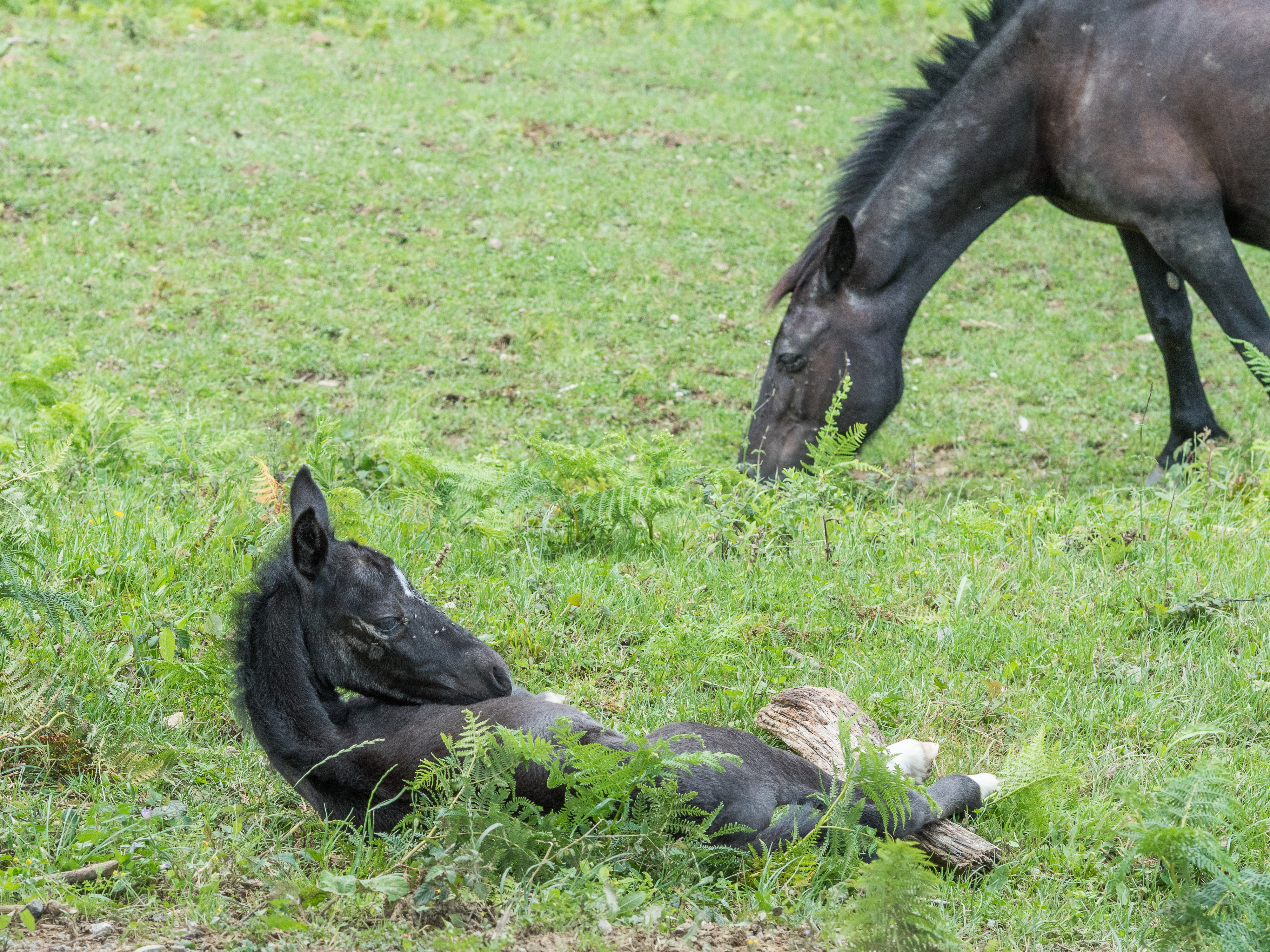
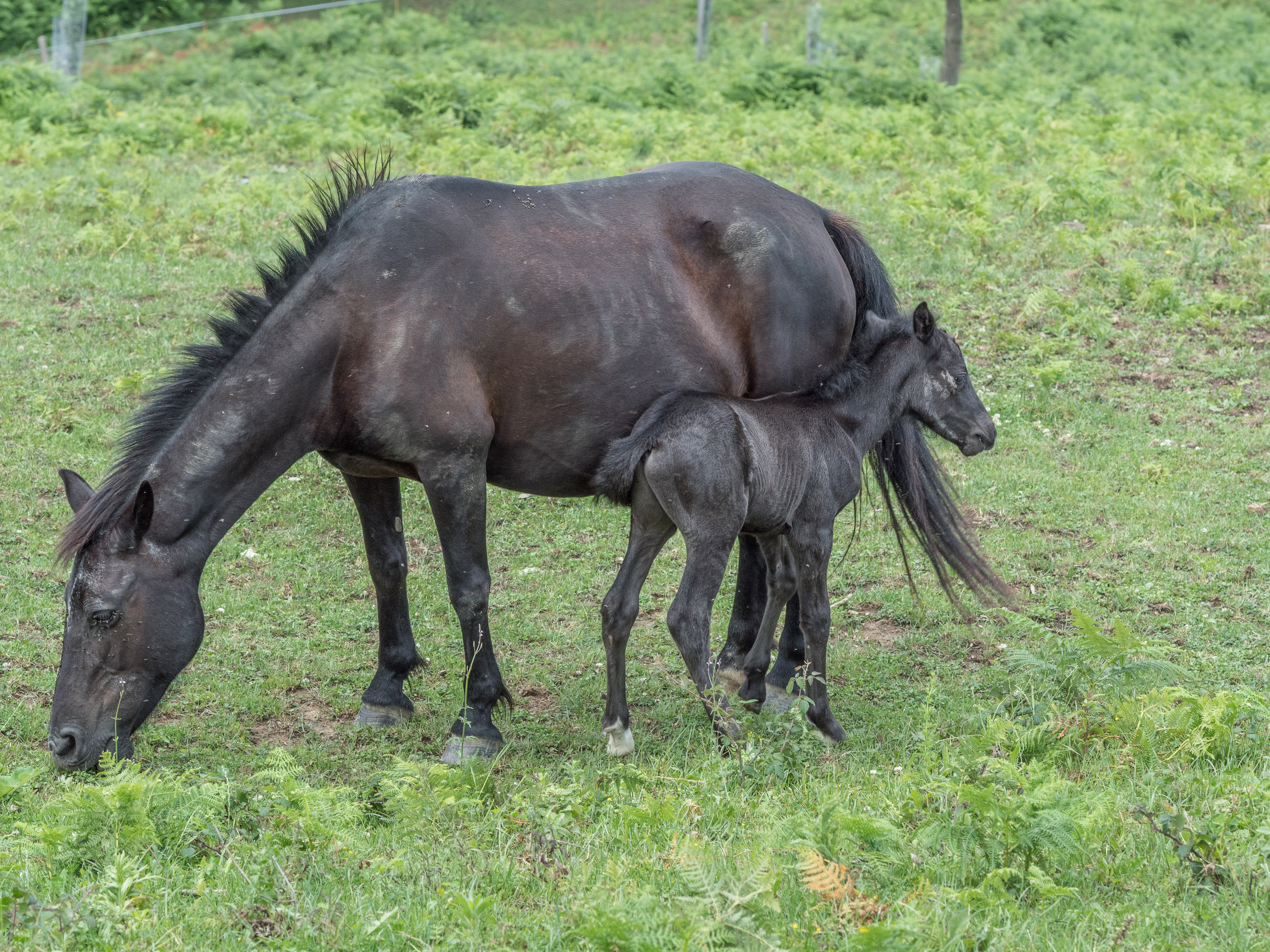
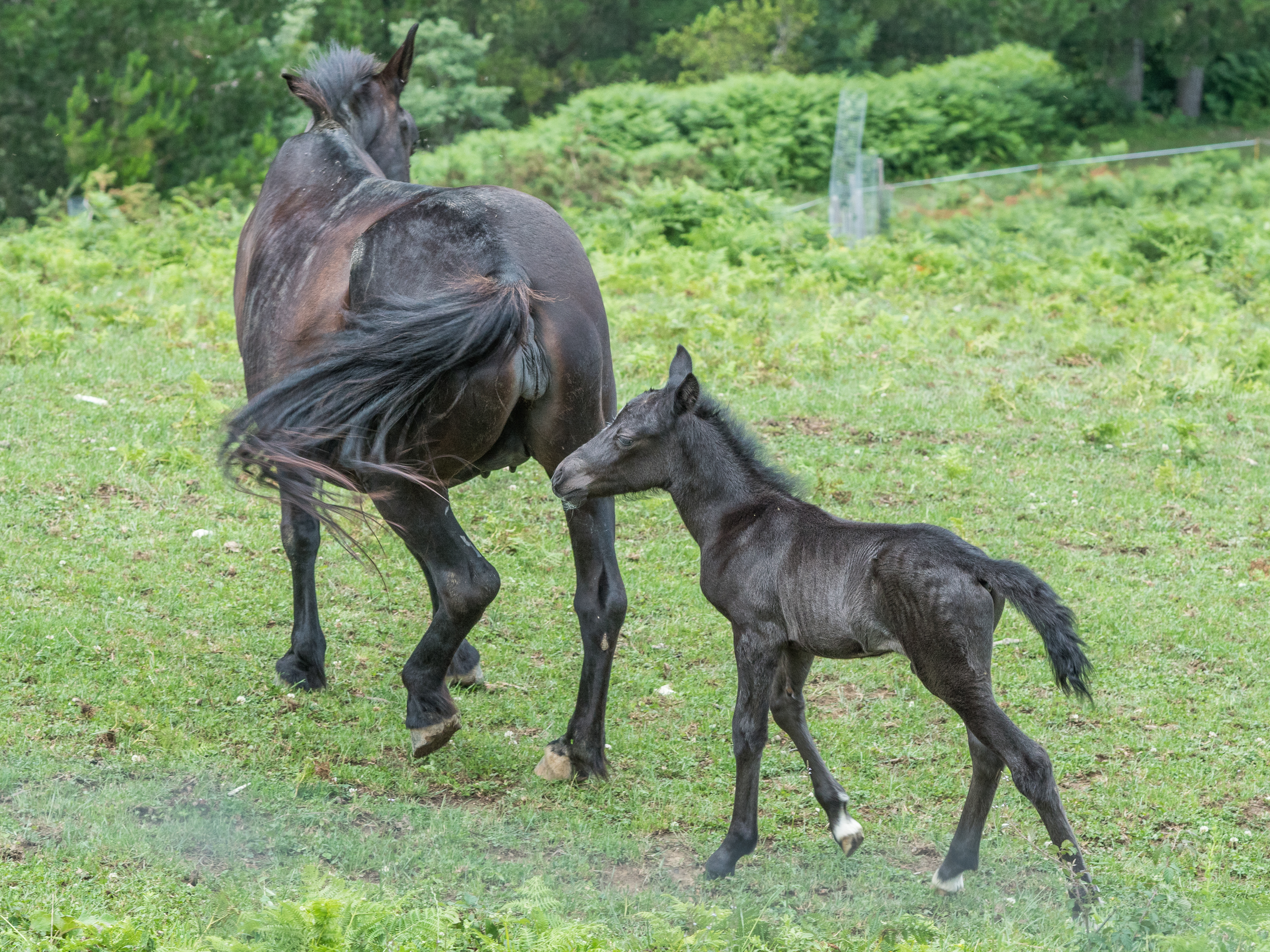
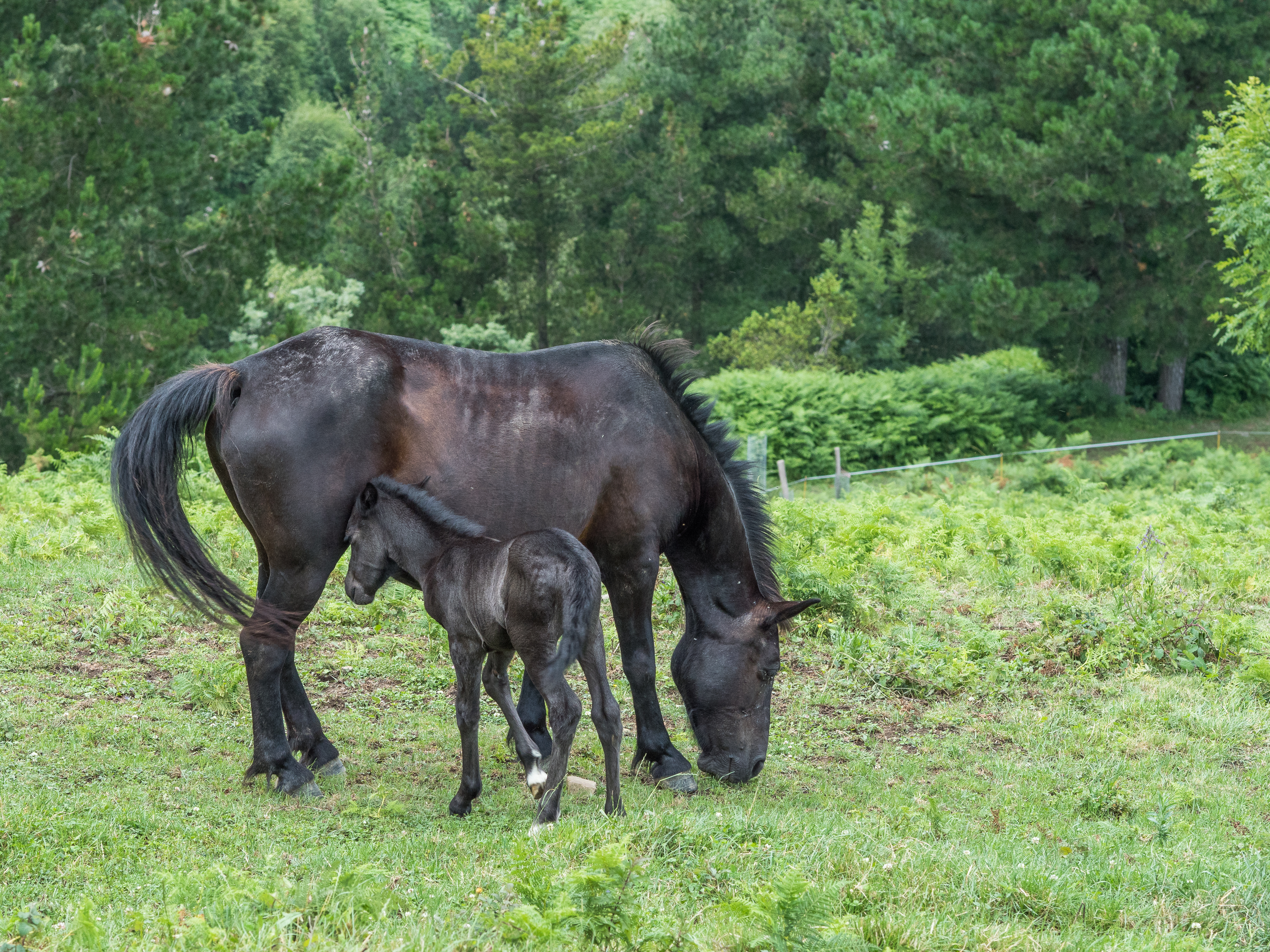
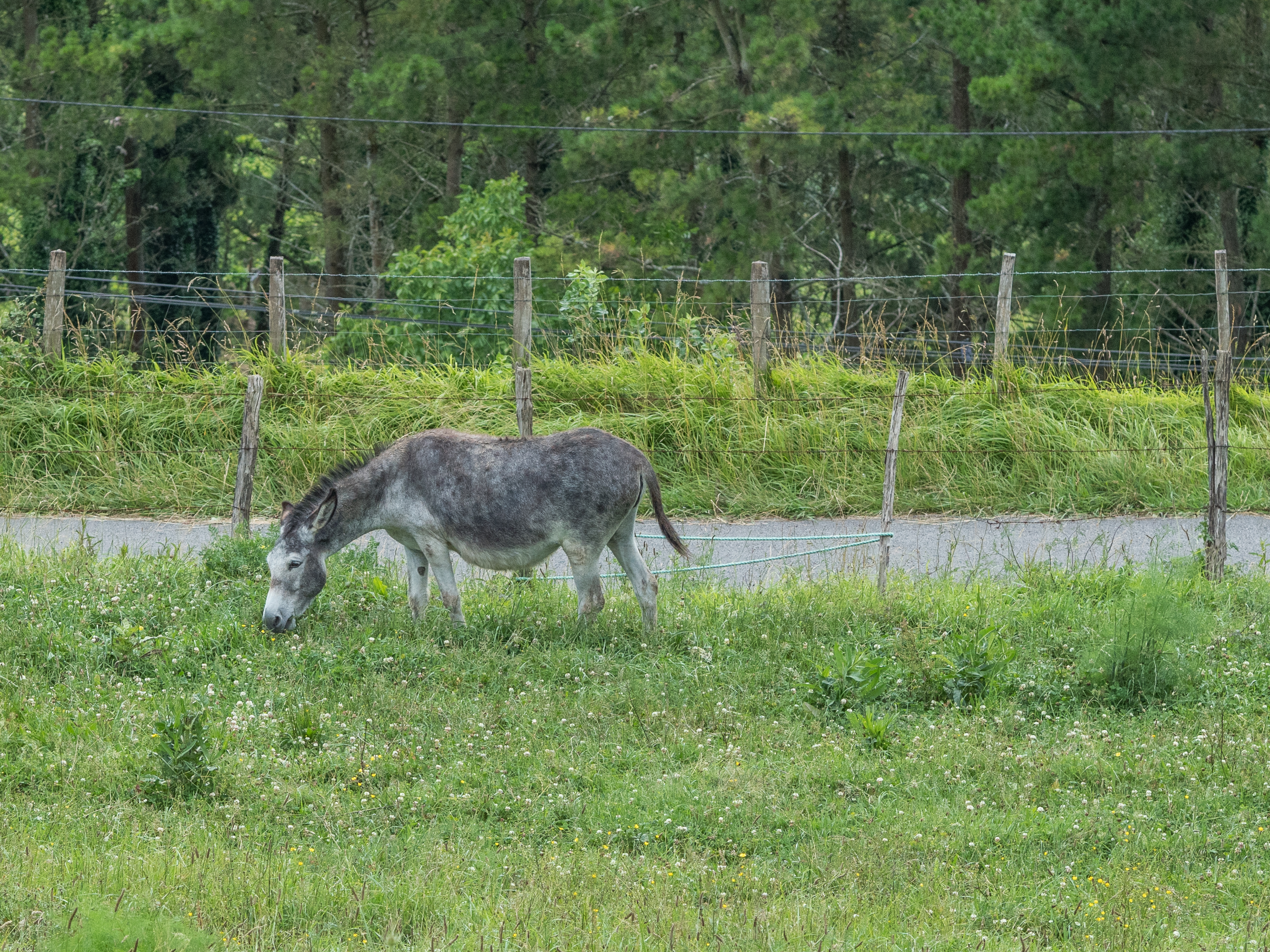
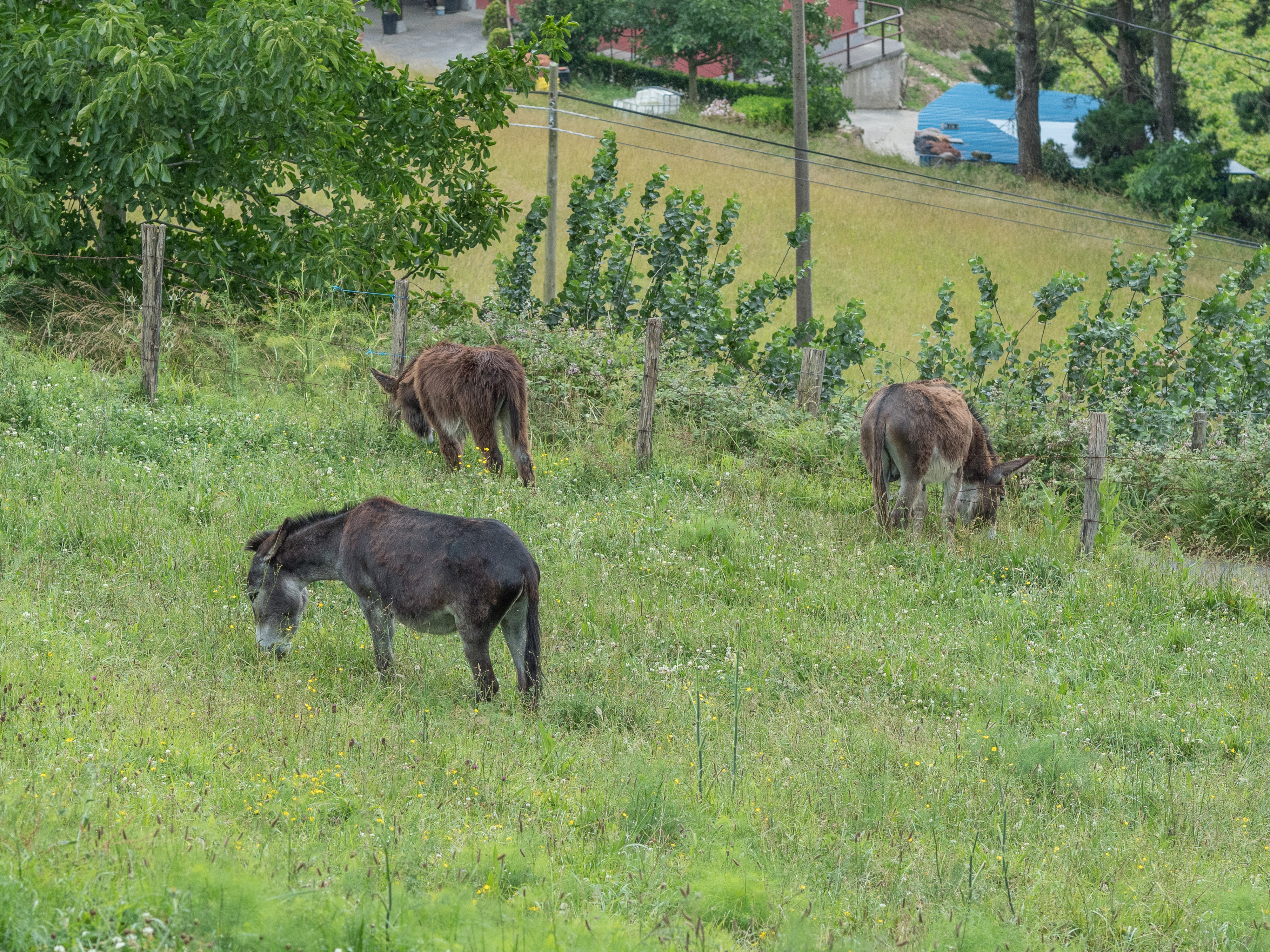
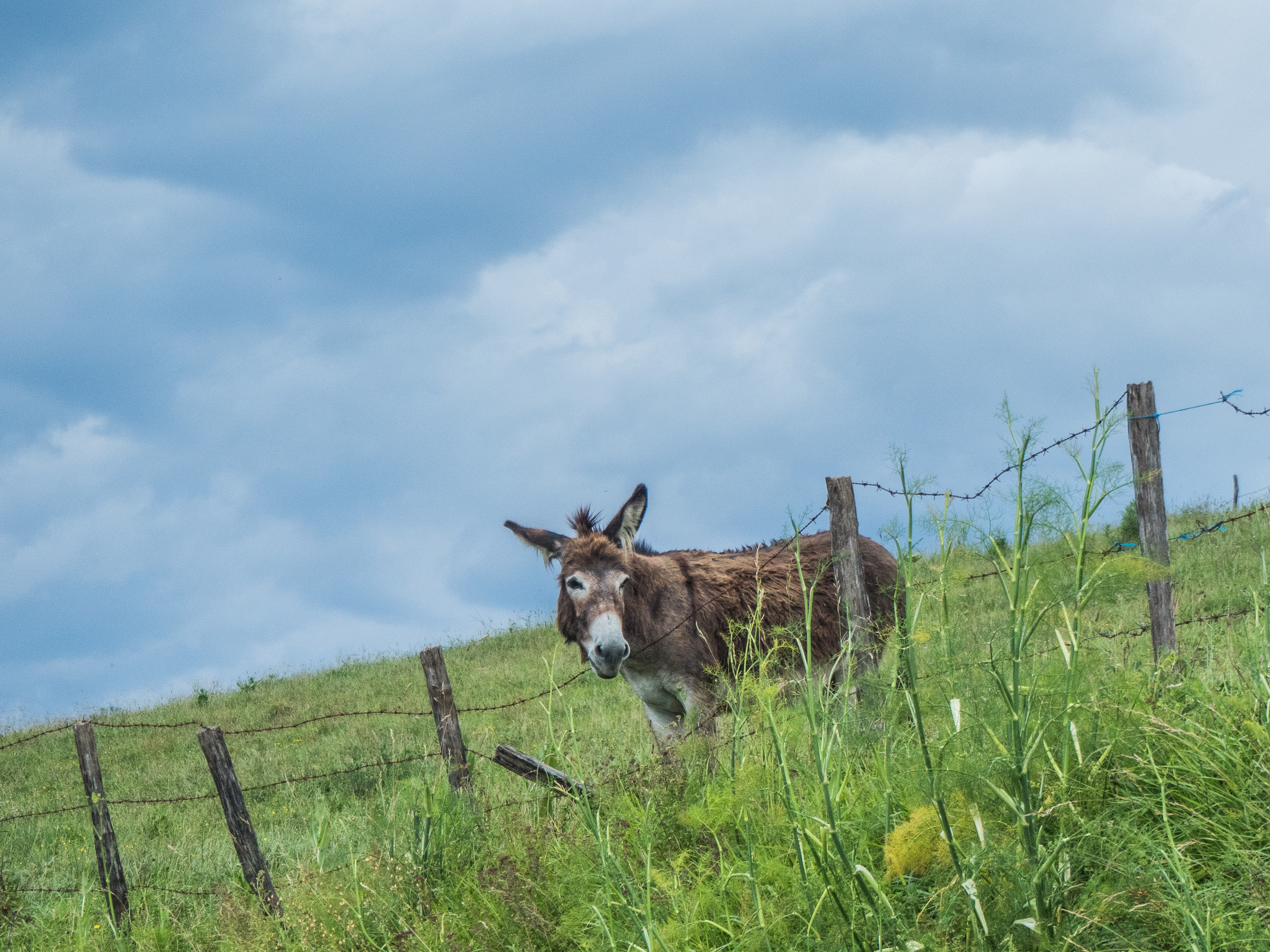
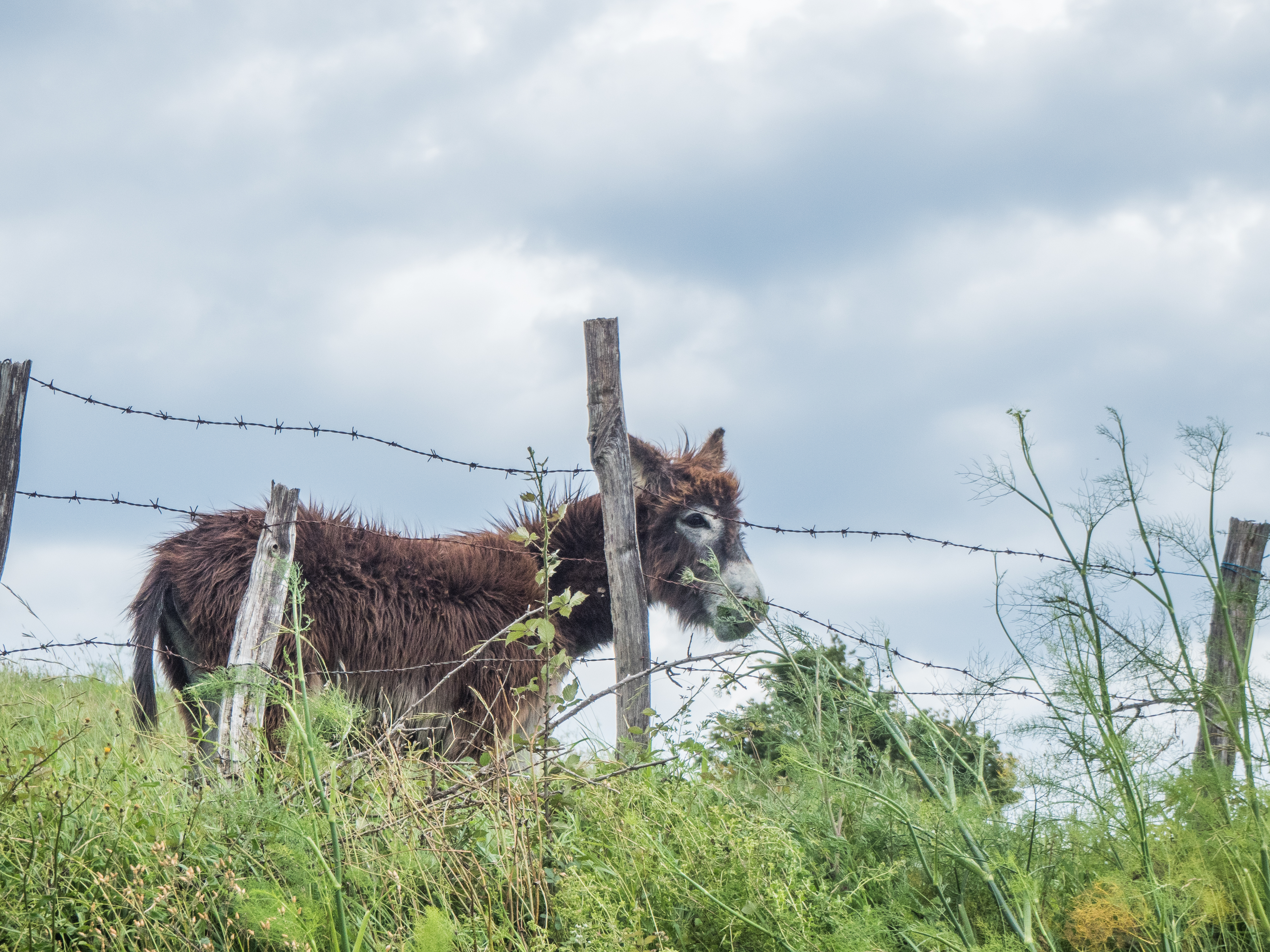
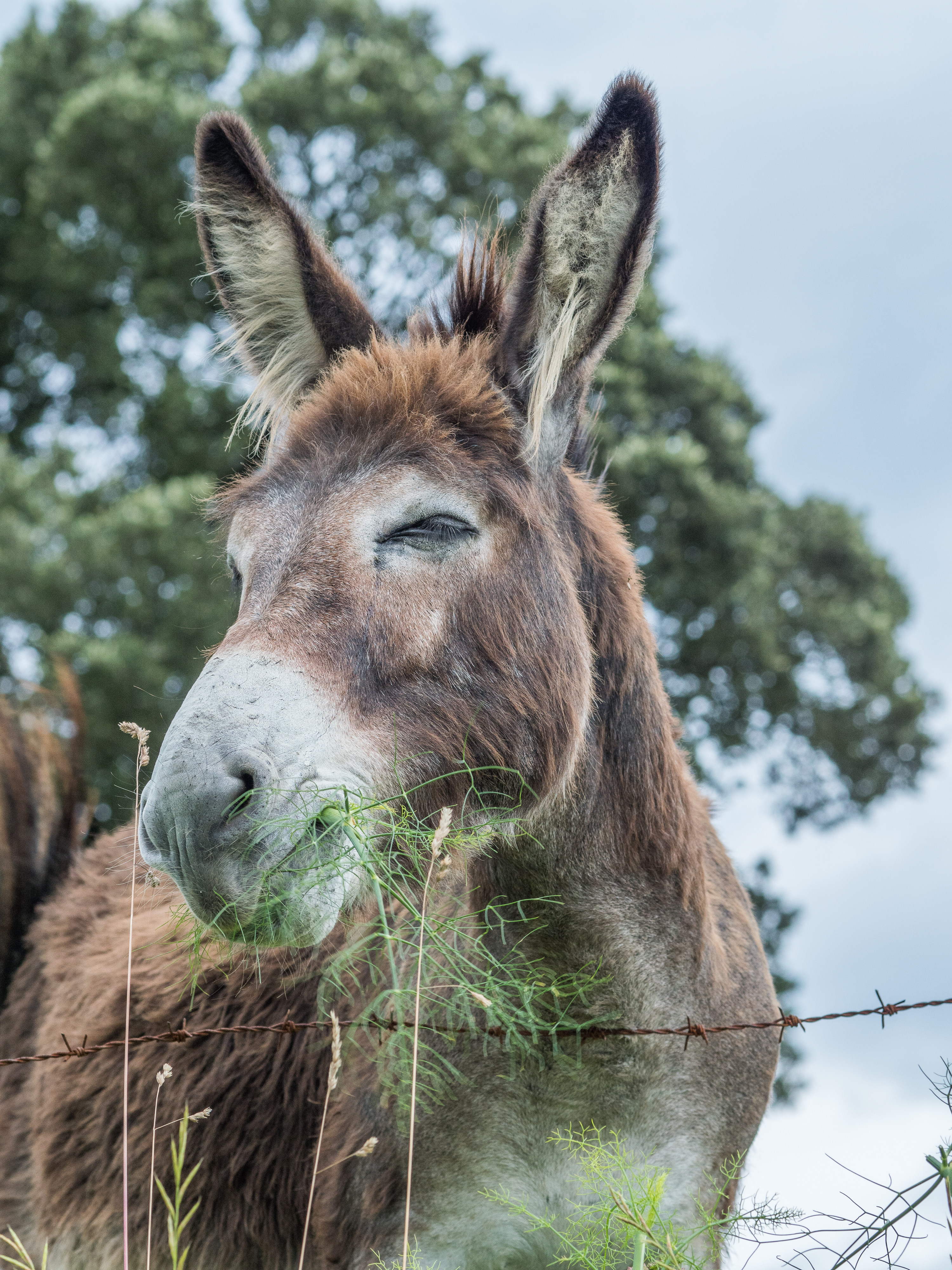
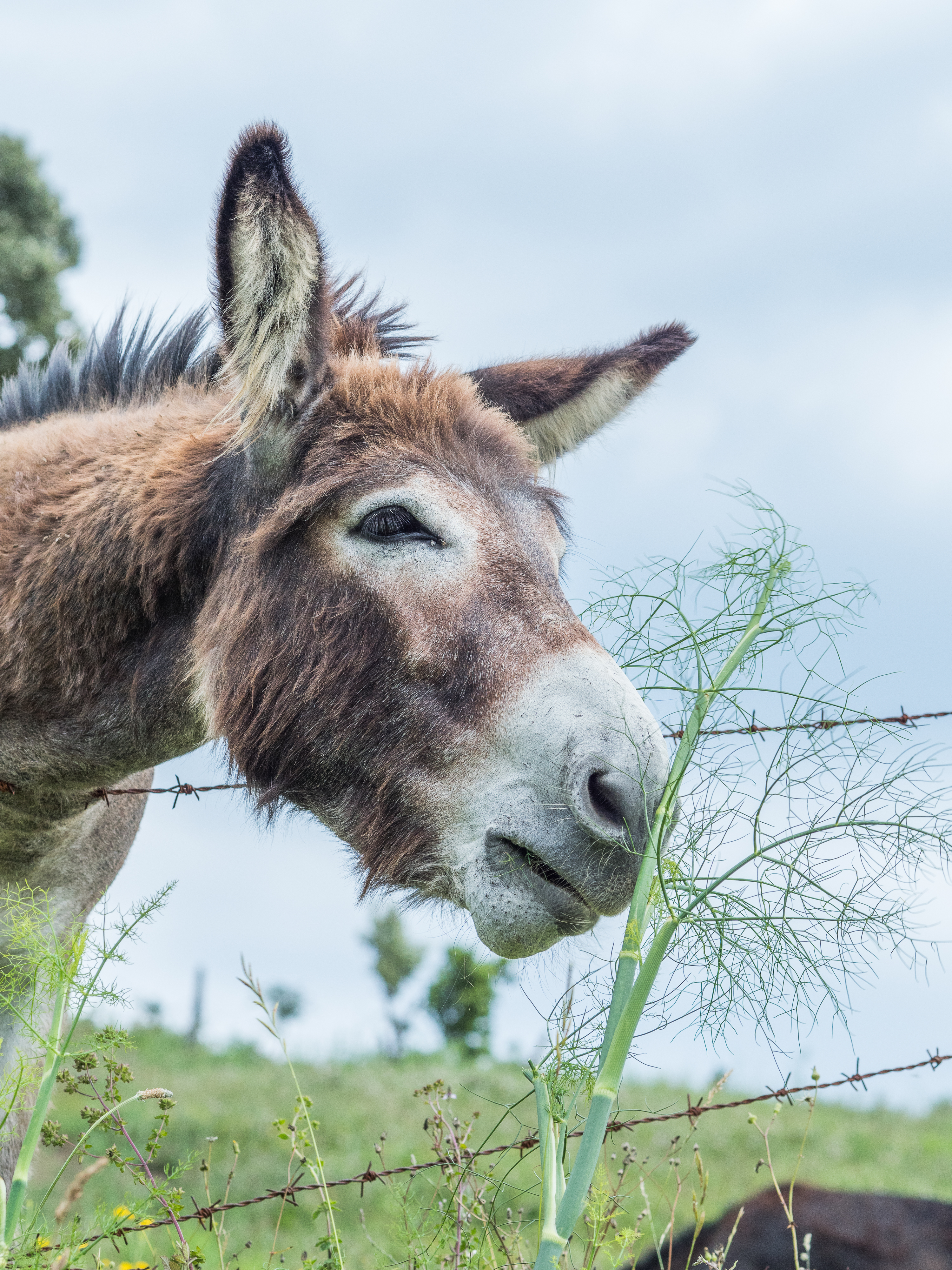
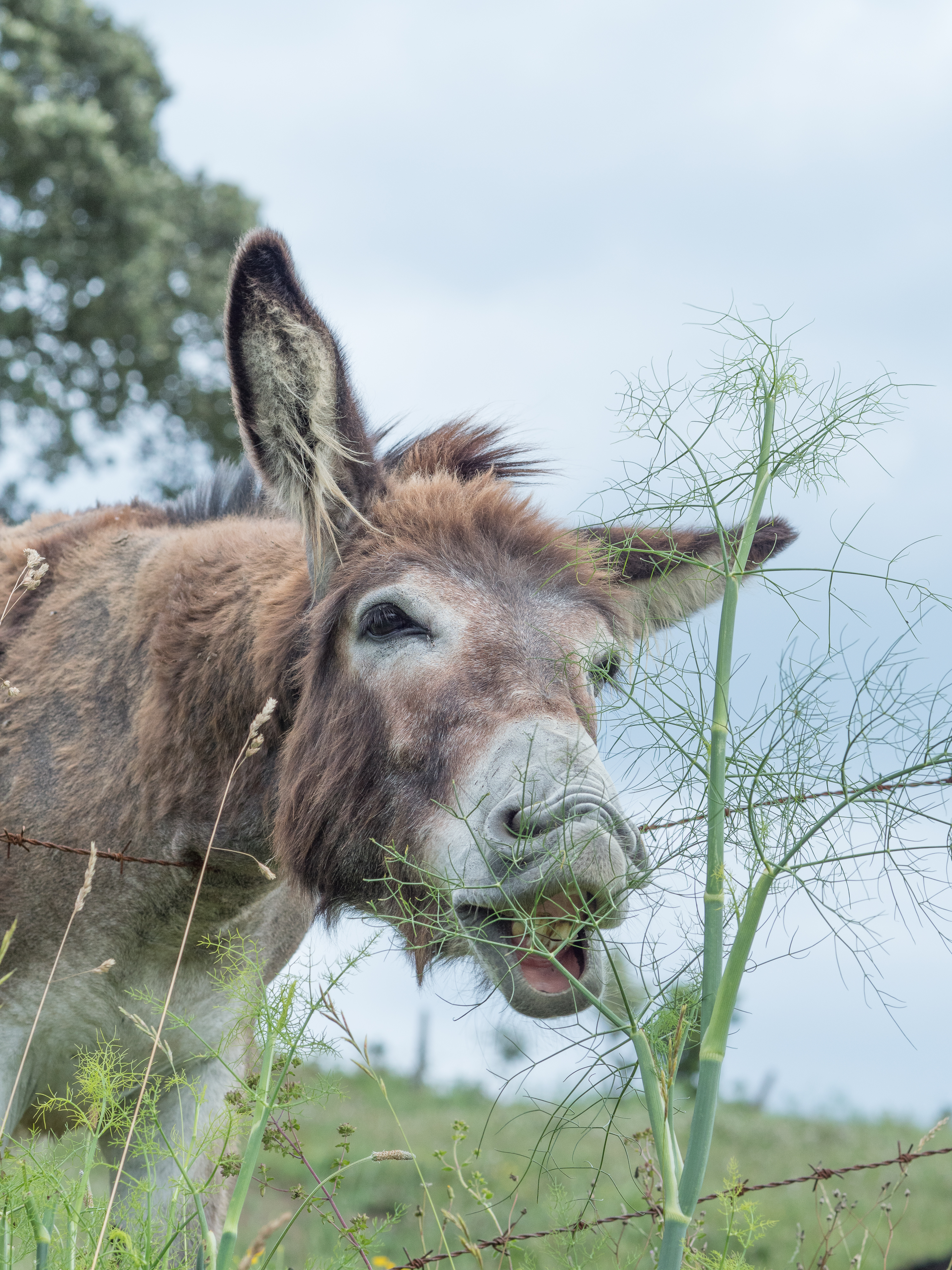
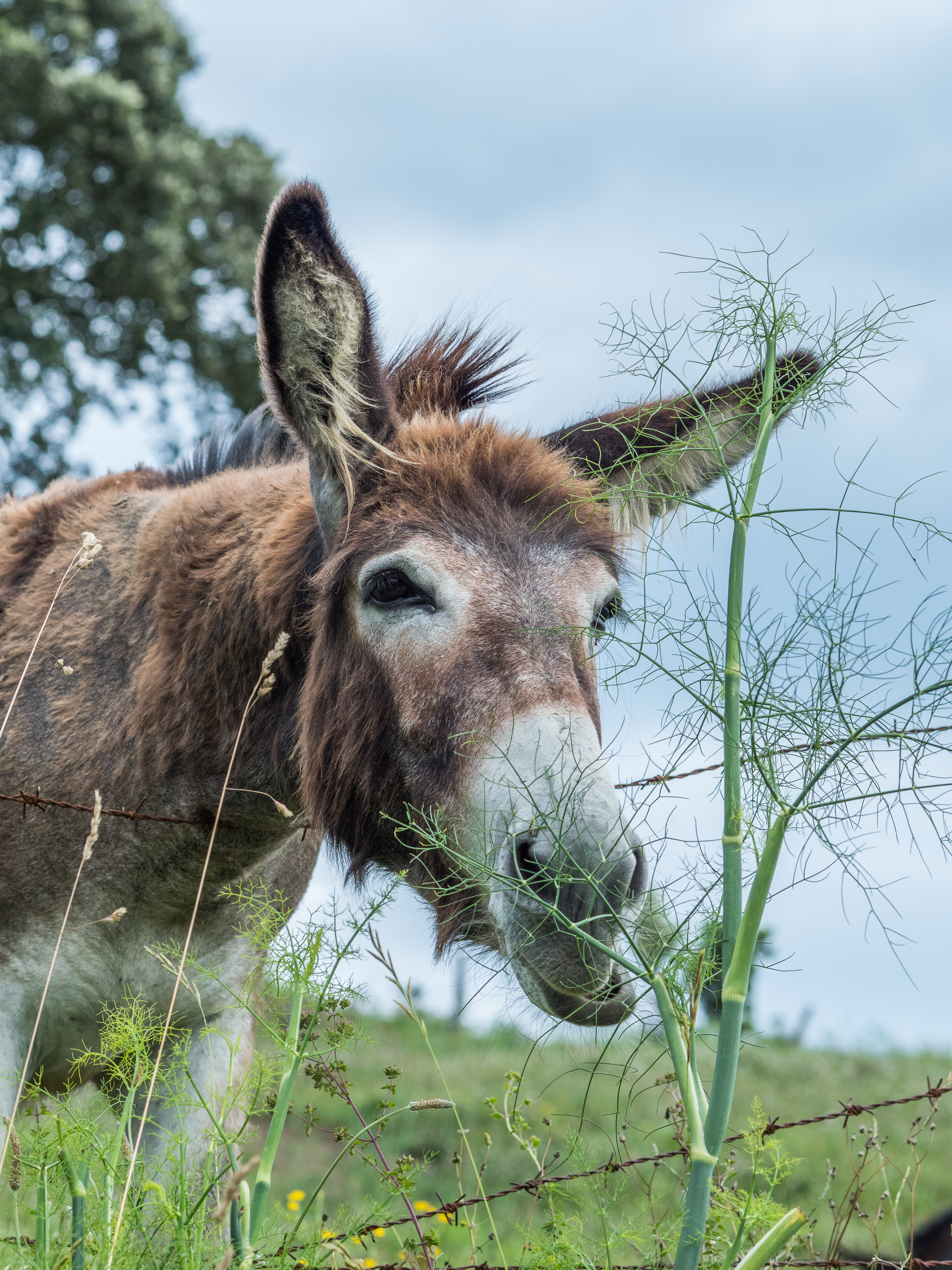
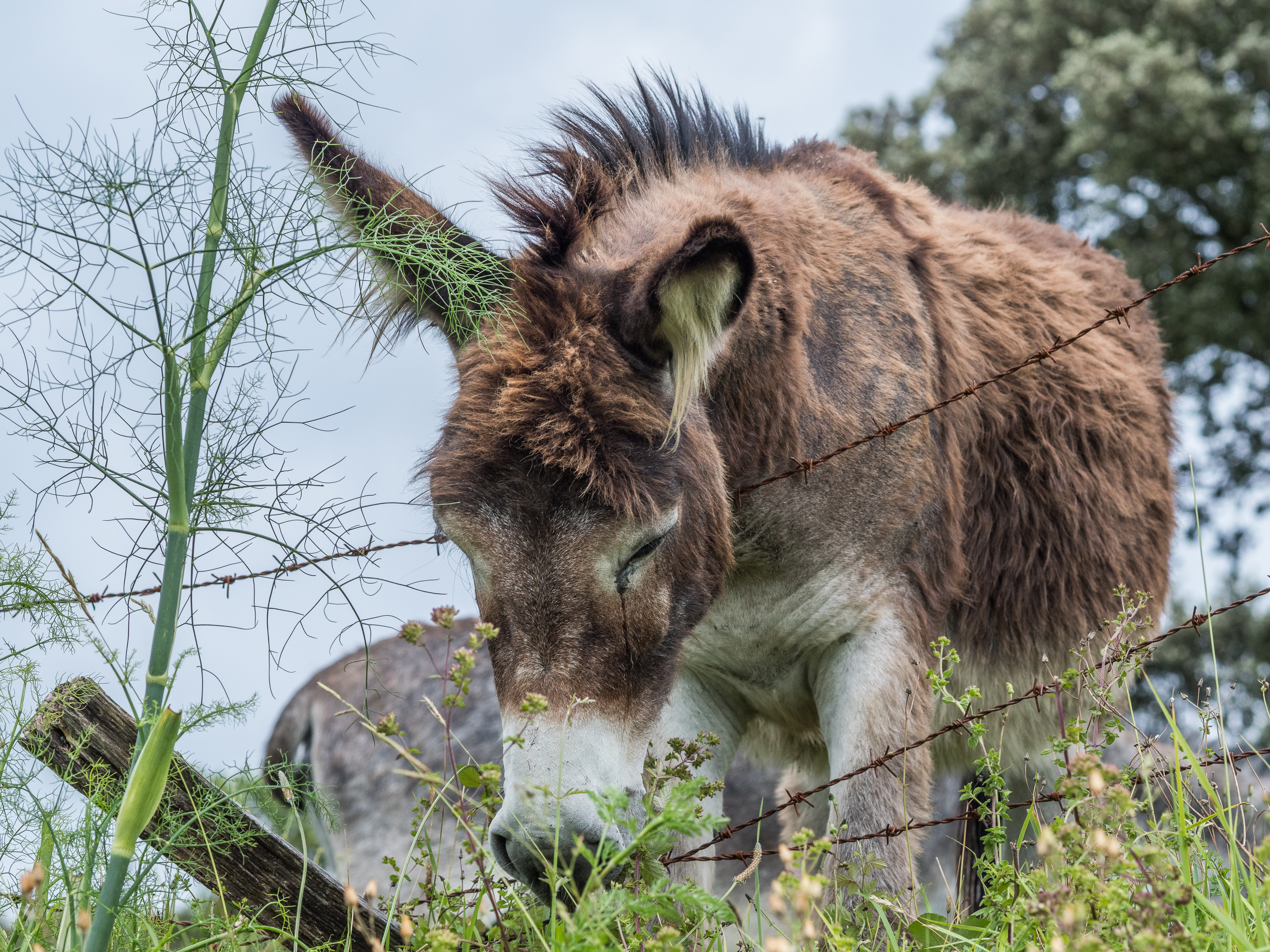
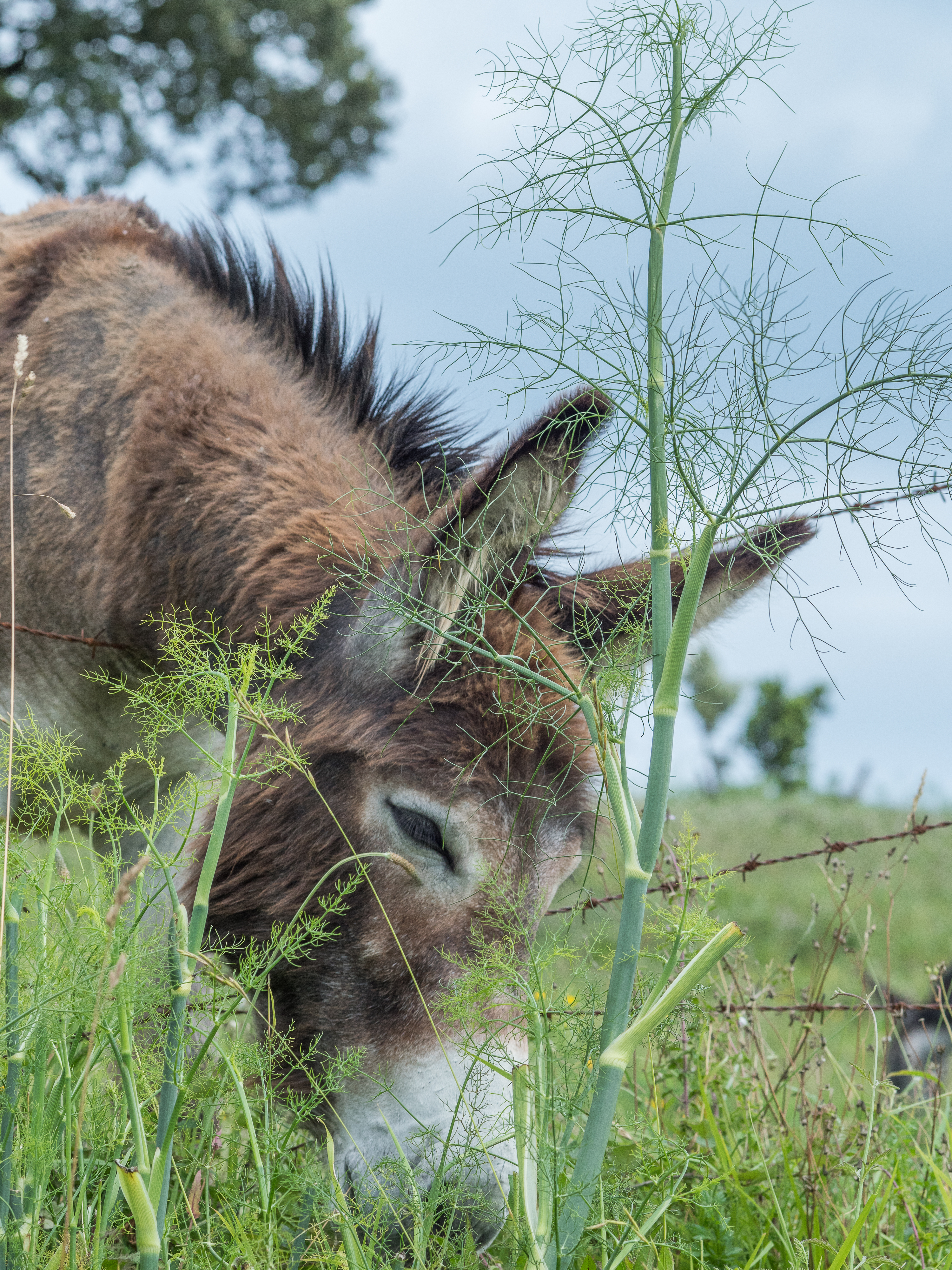
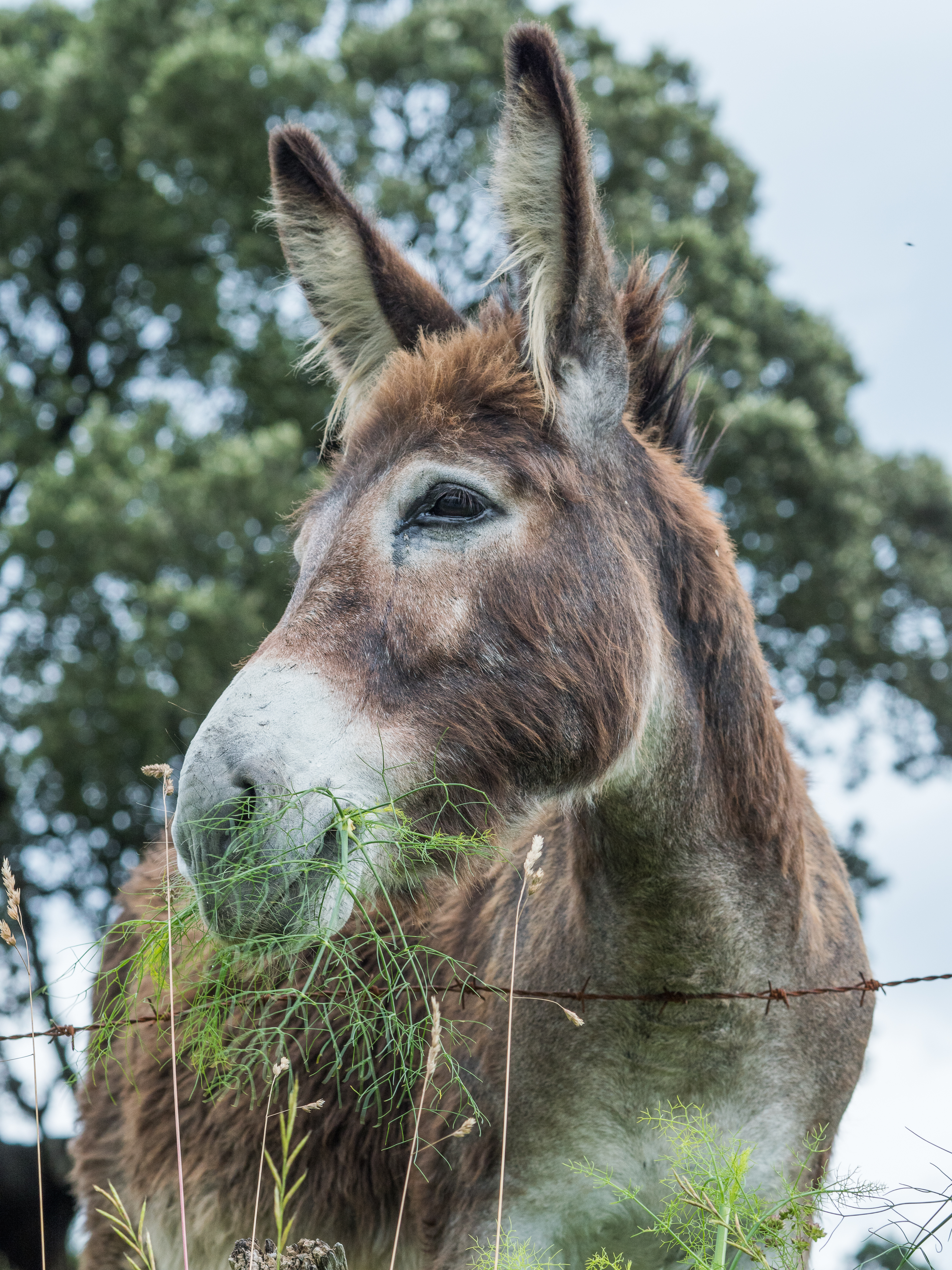
Above: a little bit of tourism around Donostia: walk from Zumaia to flysch clifs; Hondarribia; and below: donkeys. Cause donkeys are cute and I need one for my daily commute to work. But given the current state of affairs, we may all be using donkeys for transport pretty soon.
I guess I should spend a few words on the language. Euskera is the oldest language of Europe, a language isolate (meaning it has nothing in common with any other language), and some Spaniards really get their knickers in a twist by its mere existence. Because, you know, “you have to speak Spanish in Spain” and all that. Mind you, it’s normally the same people who send their offsprings to expensive private (obviously) English schools, so that their own children are the first to lack deep knowledge of their own mothertongue. I am not exaggerating, I have worked with a few privately educated interns, and my vocabulary in Spanish was often more extensive than theirs. I suppose their English is pretty good, but so is any other kid’s that watches Netflix. And I suppose it doesn’t really matter either, because the very same children will then continue their academic journey to private business schools and pricey masters, where they will be tutored by this CEO or other, and will then secure a corporate job somewhere, and spend their lives believing they got all this through merit, as opposed to a crooked system based on privilege and networking. Anyway, I firmly believe that linguistic diversity is something to protect and cherish. And clearly I also believe that private education is a joke.
A few words to finish. Basque country’s major problem are the direct flights from Gatwick, that leave hords of individuals that get drunk before boarding and don’t sober up until about 2 days after coming back, and in the meanwhile roam the city shirtless and often barefoot as some sort walking dead. Don’t worry, they are mostly halmless, just loud.
I had been to the Basque country before, I was living in London then and was going through yet another break up, and an announcement for cheap BA flight to Bilboa popped up on my screen, and I thought: why not? It was my first solo travel experience that I then crowned with a solo dinner at Akelarre (3 Michelin stars), and it was one of the best dining experiences of my life. I had about 15 waiters circling around me – they must have thought I was a Michelin critic, and I didn’t have the heart to tell them that I was just broken-hearted and this was my way of dealing with it, because after the fifth glass of wine everything seems more manageable. This time, rather than eating in a starred venue, we crawled the pintxo bars. The internet is full of foodie routes and recommendations, and truth is you probably cannot go wrong, nonetheless I will point out a few places I particularly liked:
Mendaur Berria – high cuisine for affordable prices (all things considered, we are still at Donostia)
La Cuchara de San Telmo – more traditional fare. Google thinks it’s temporarily closed now, I hope they are wrong, it would be a shame
Gandarias – it’s mostly packed, but they all are. You fight your way to the bar and order.

