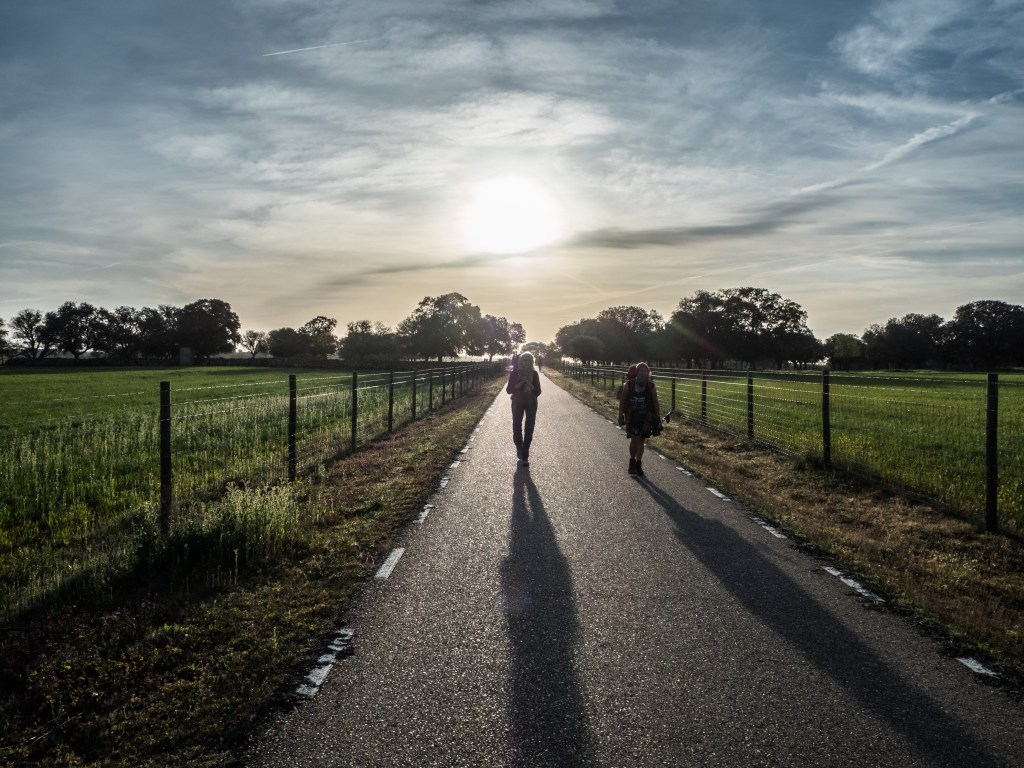
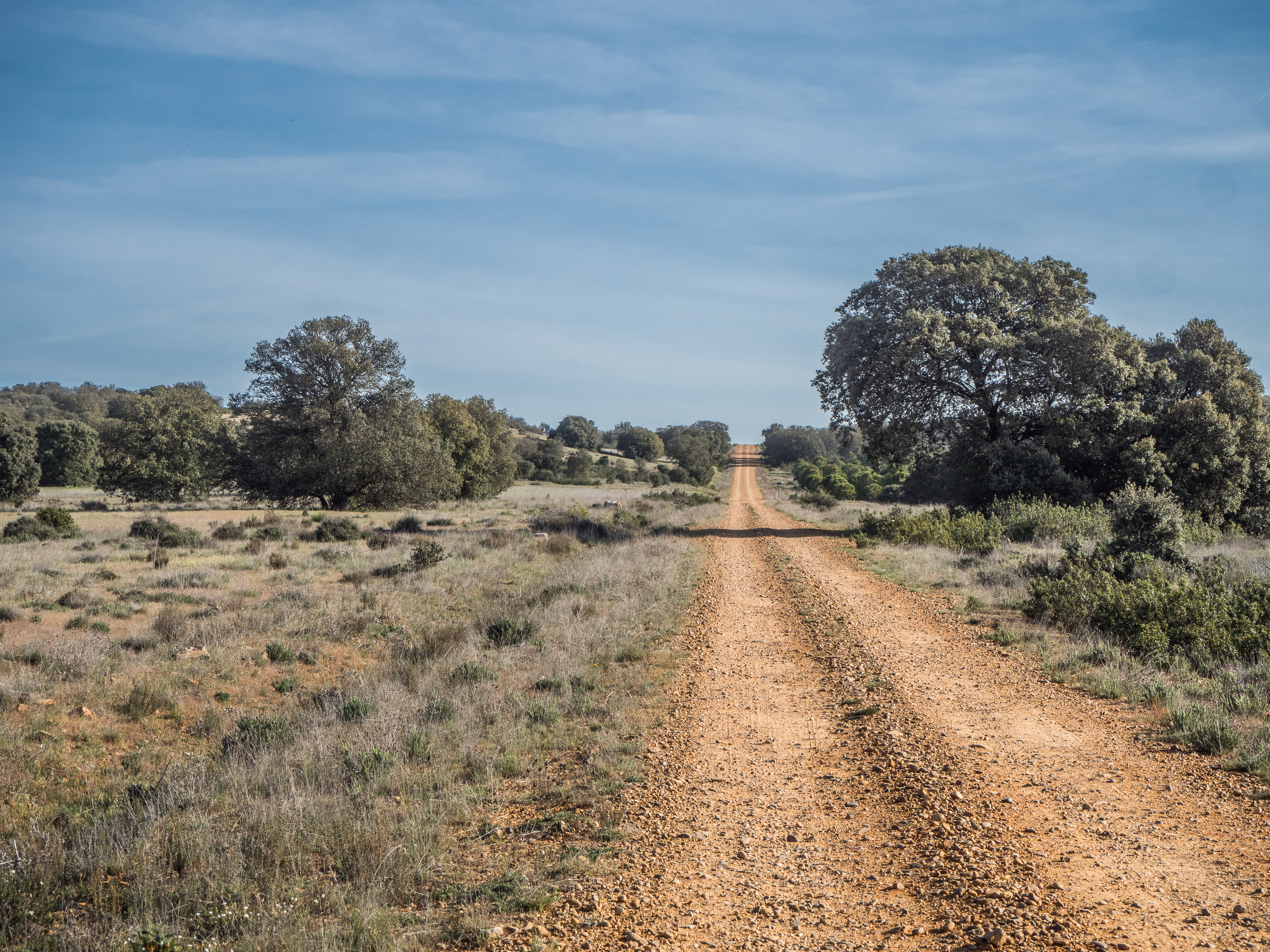
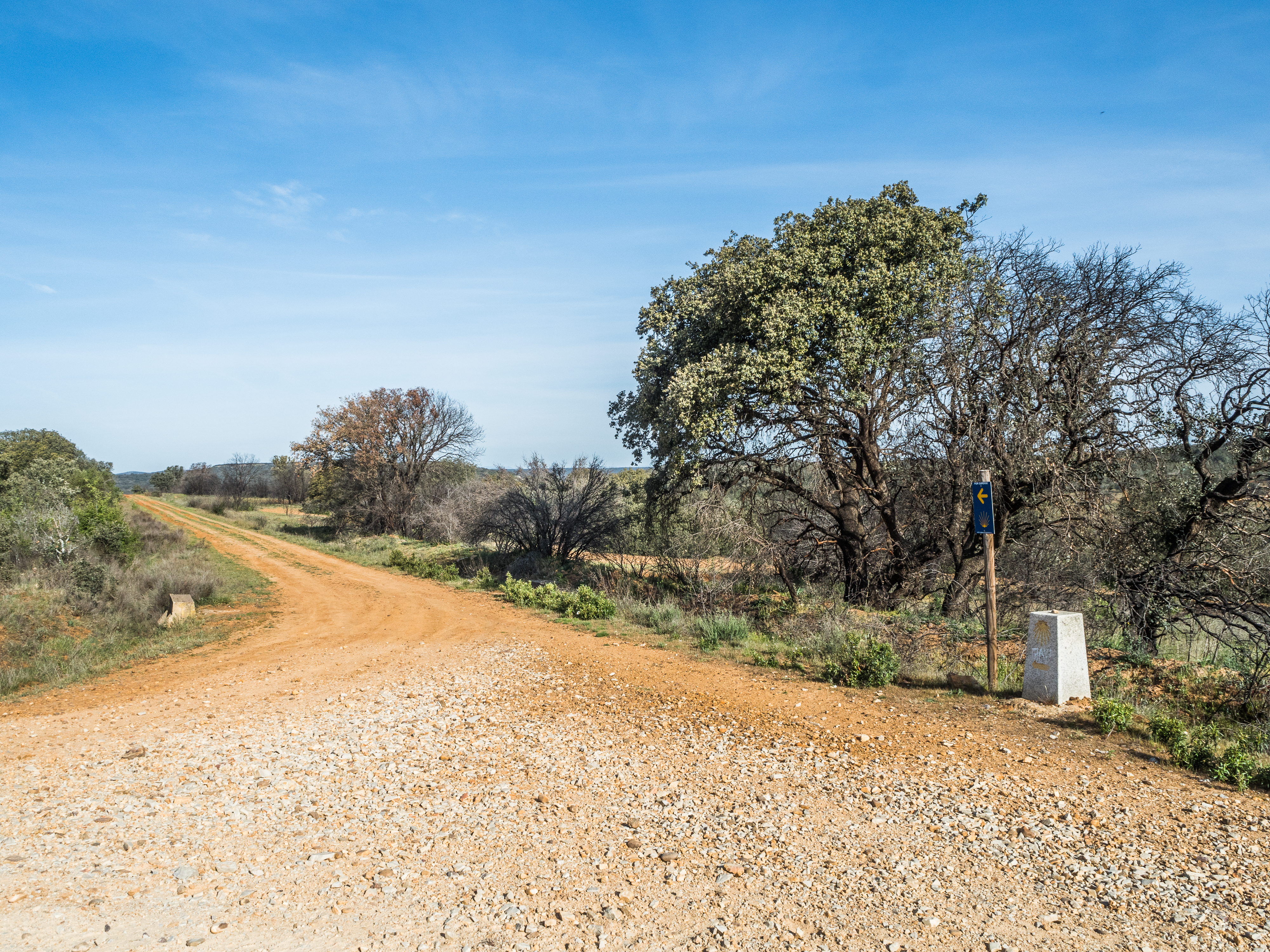
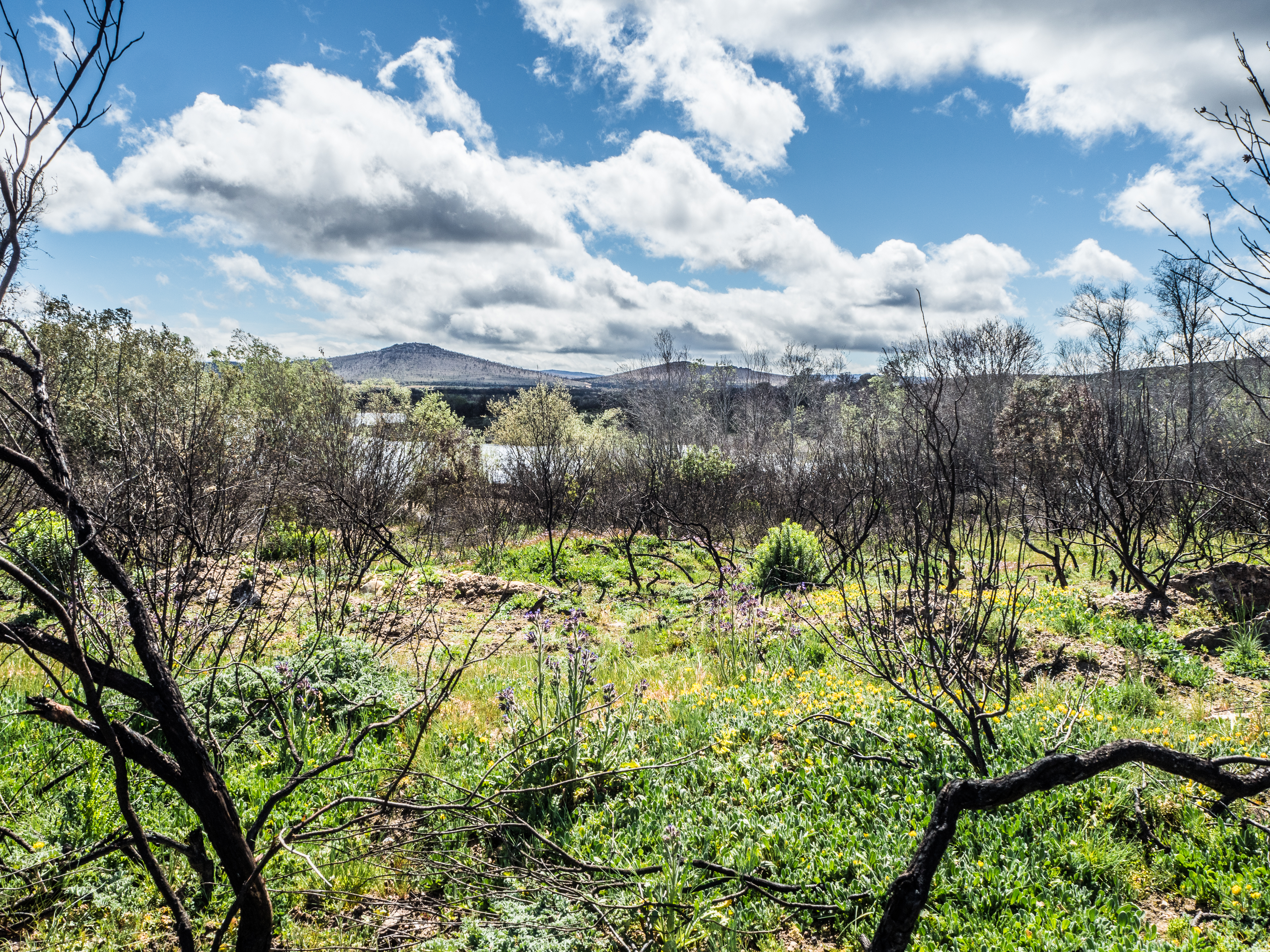
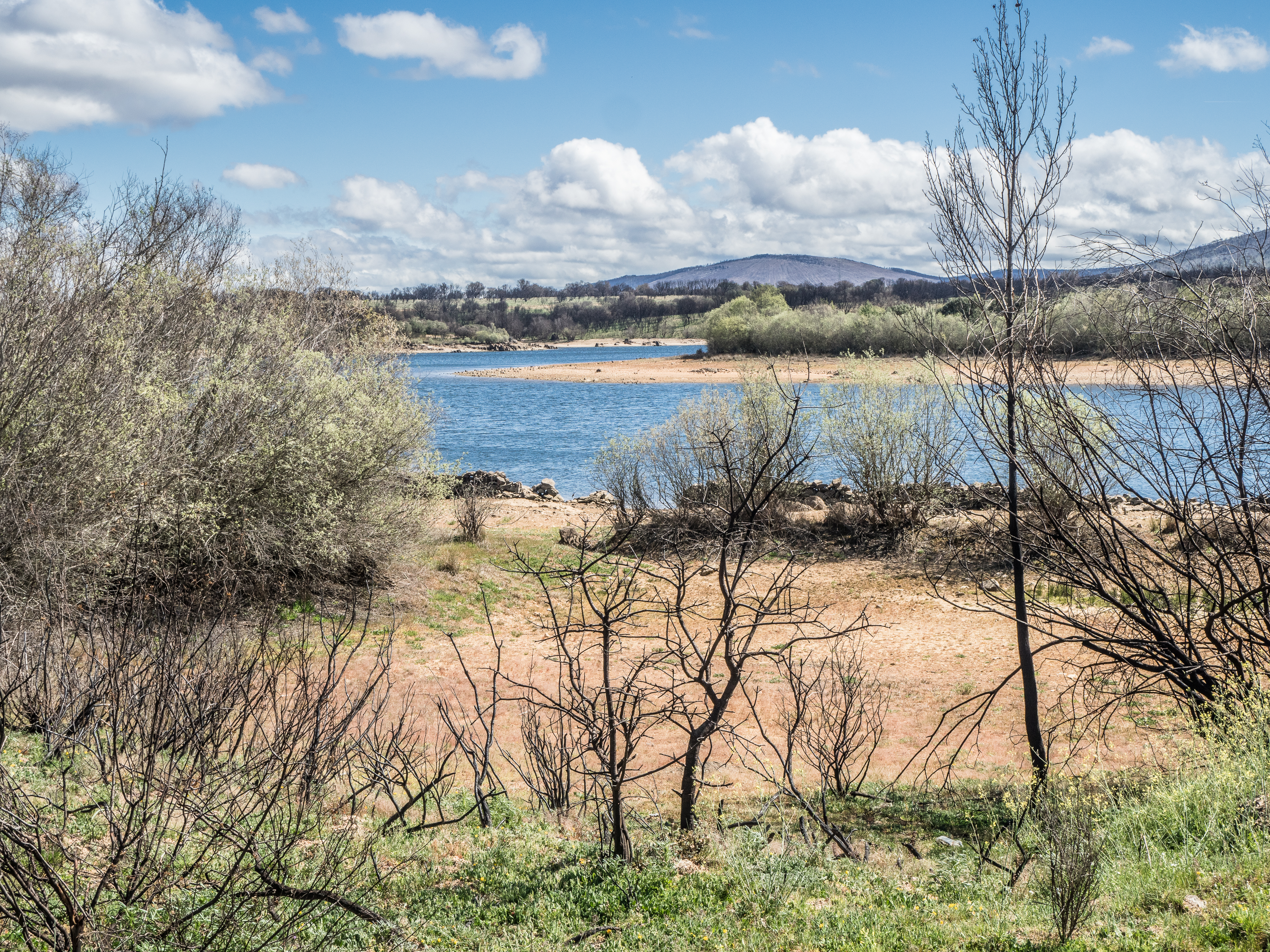
This post brings photos from the second part of this year’s Camino: from Granja de Moreruela to Villar del Farfón. The landscape becomes more interesting with rolling hills and lush vegetation. Well, what is left of it, after the wildfires that devastated vast areas of the region of Zamora last year. We will be walking on burnt wasteland for the following 100 kilometers.
Highlights of the journey:
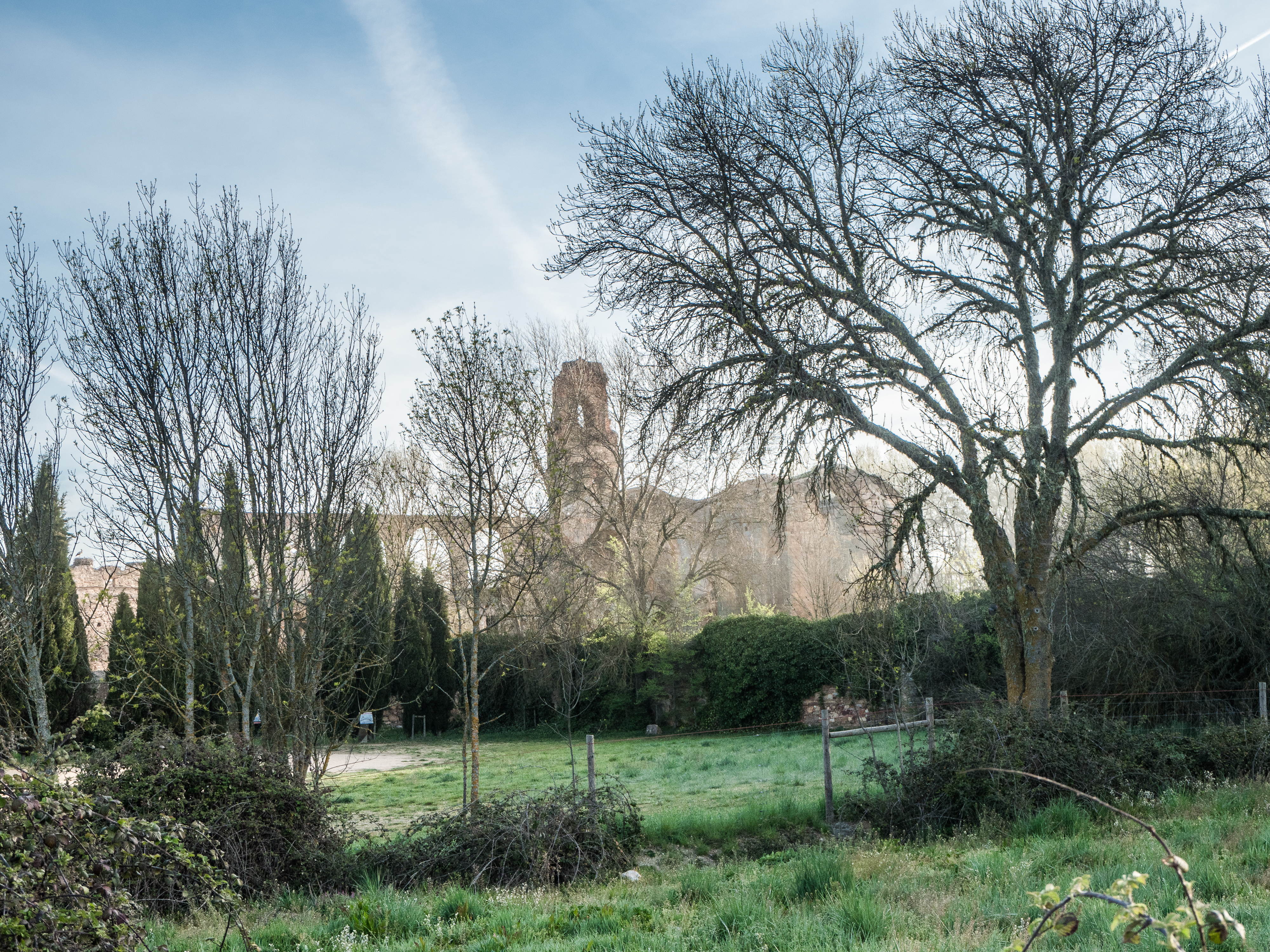
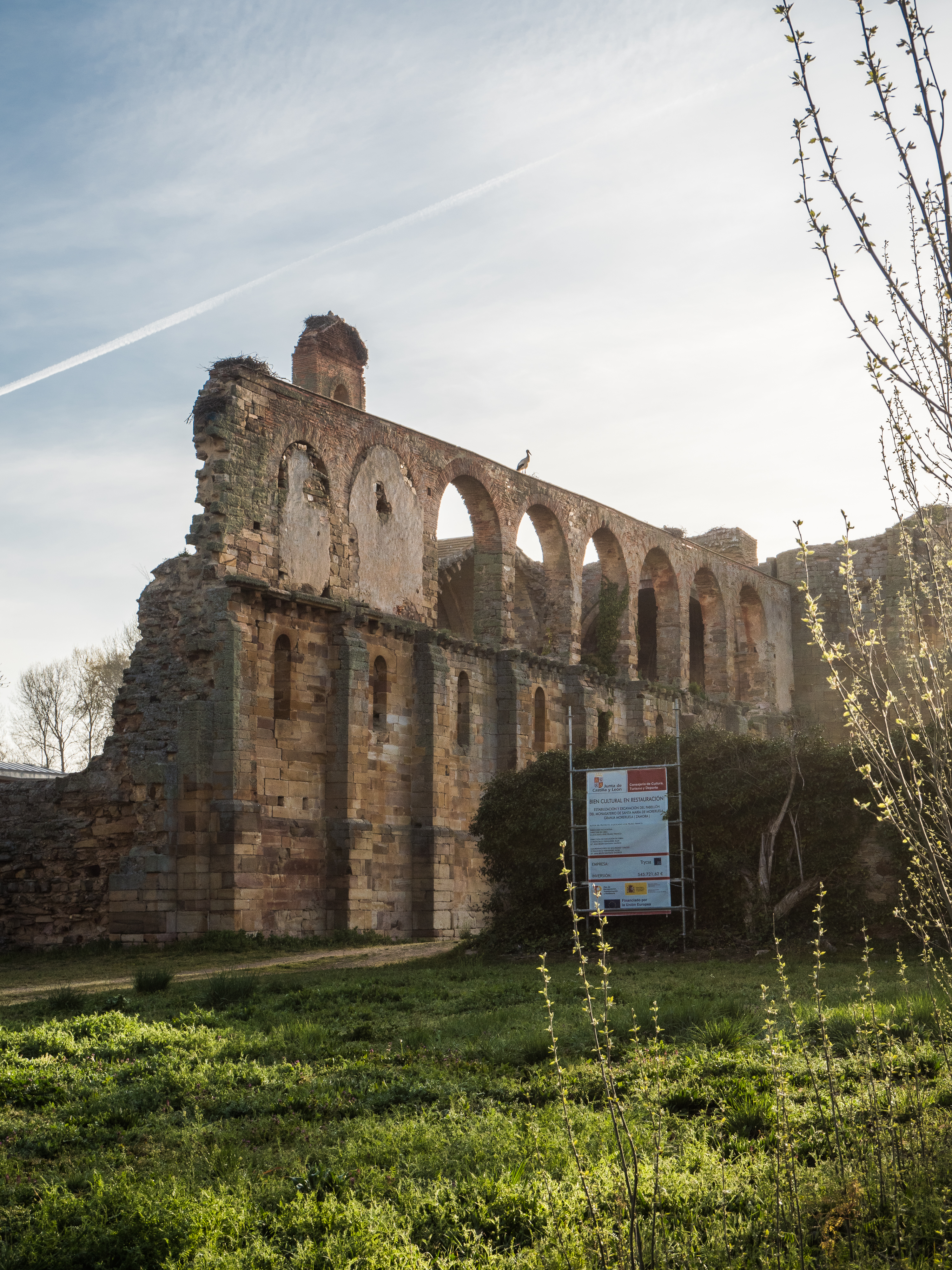
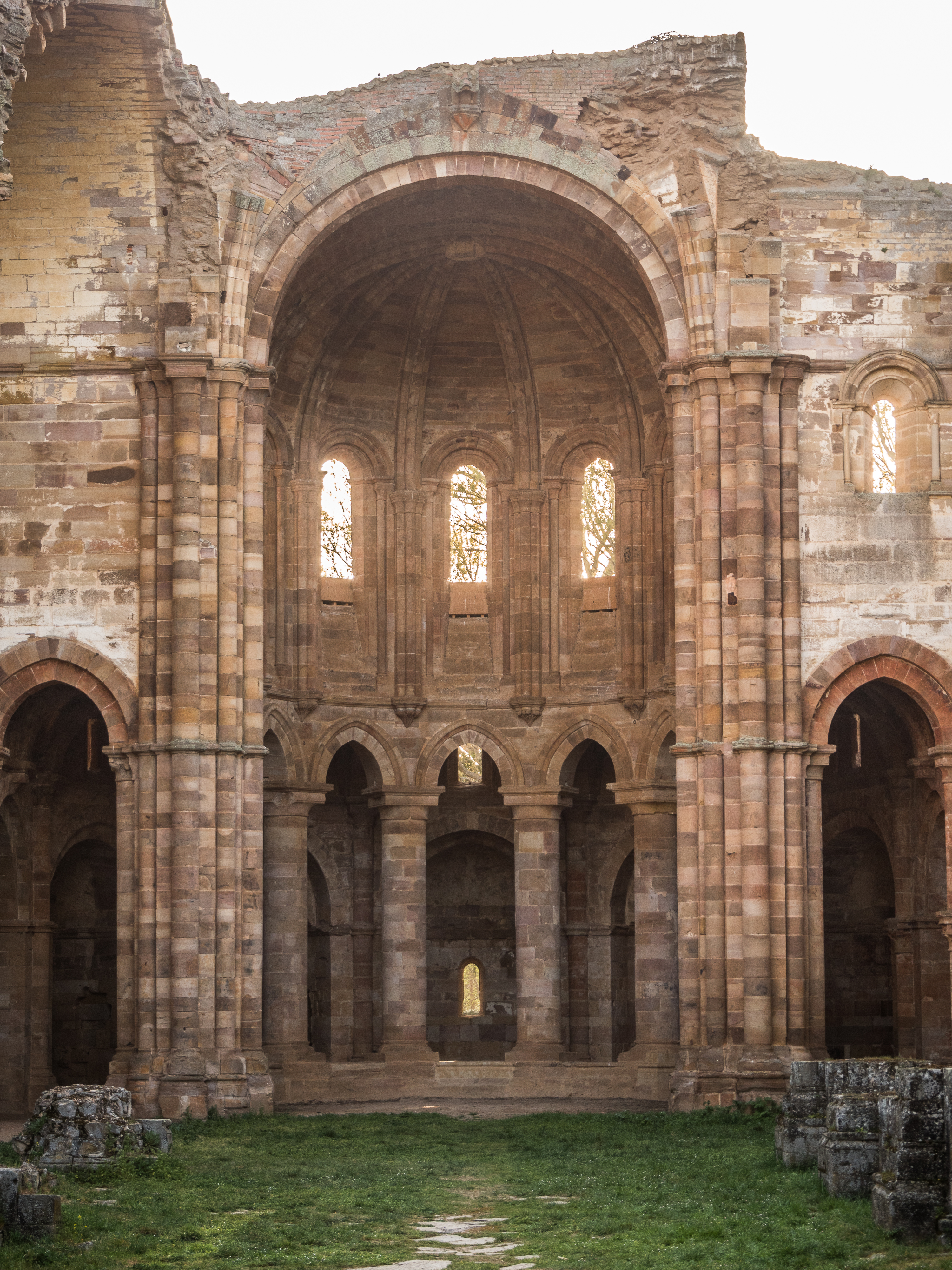
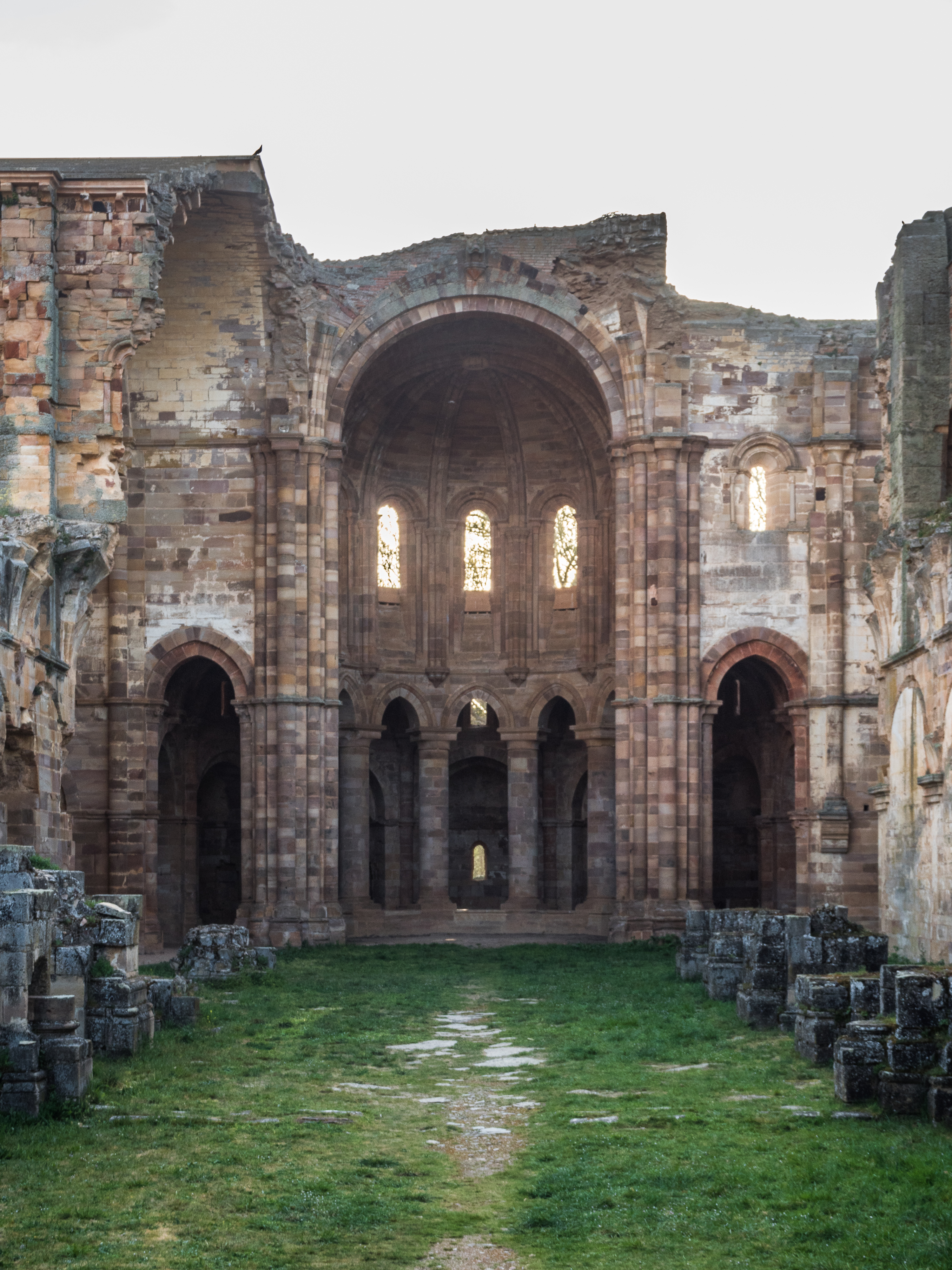
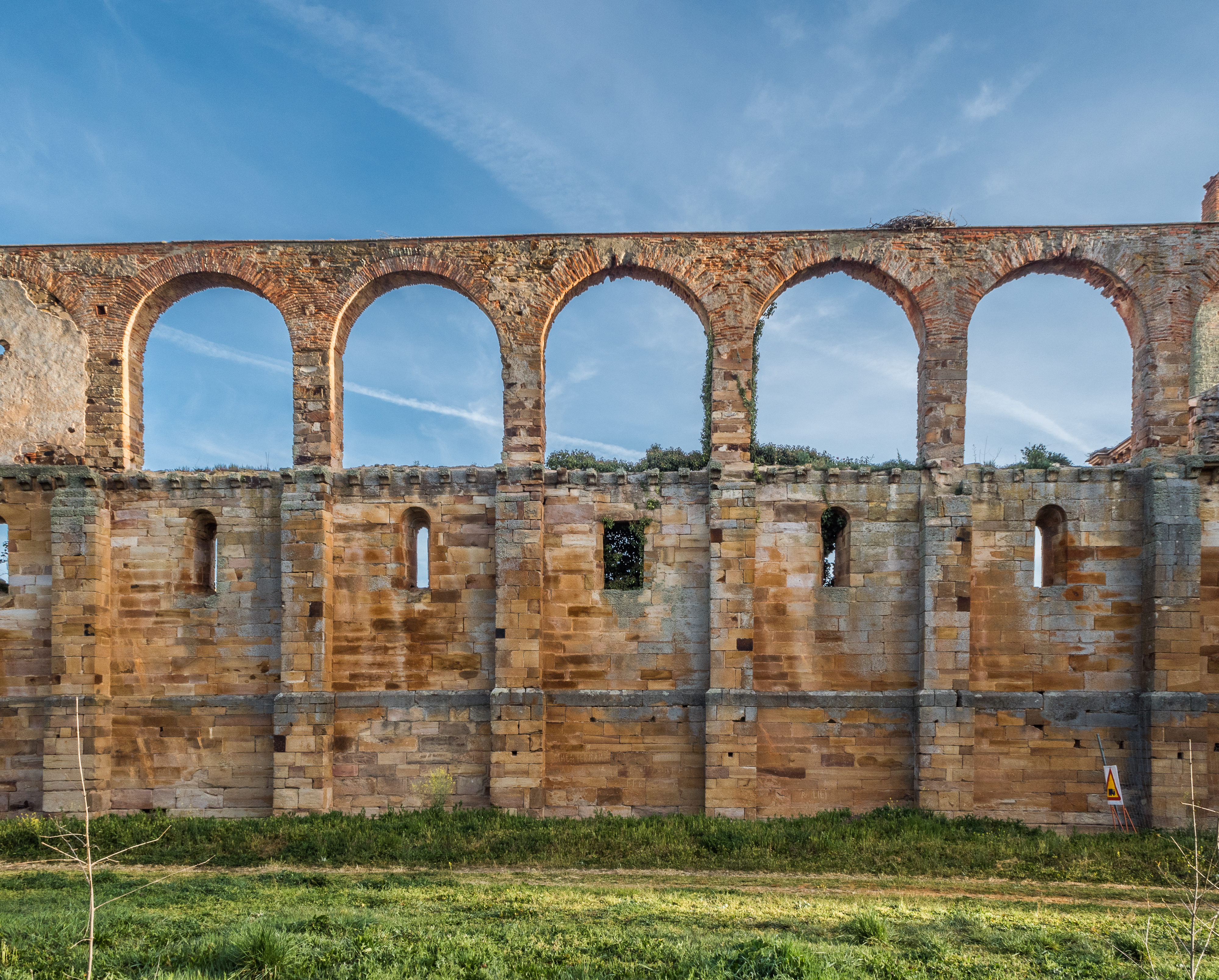
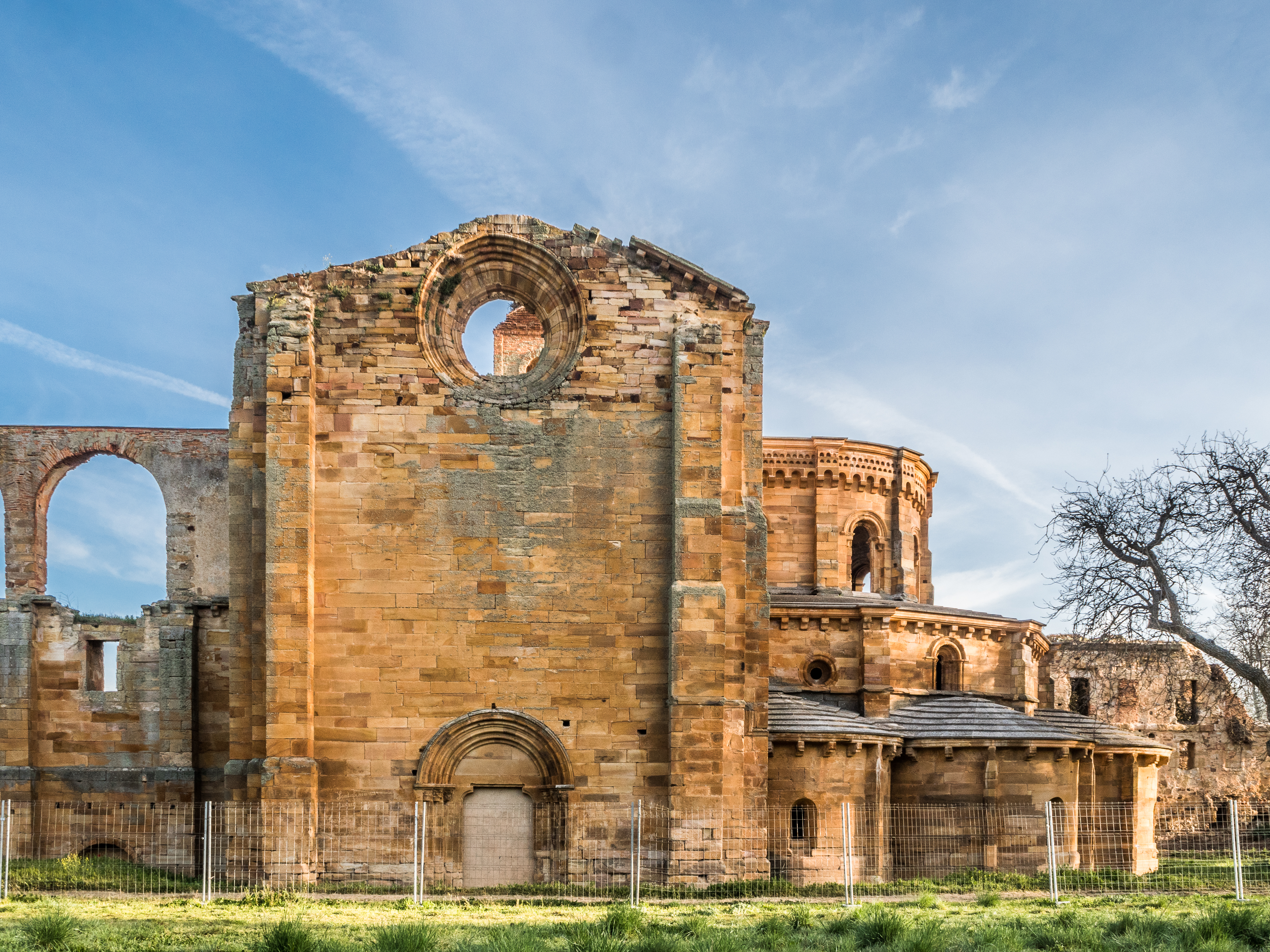
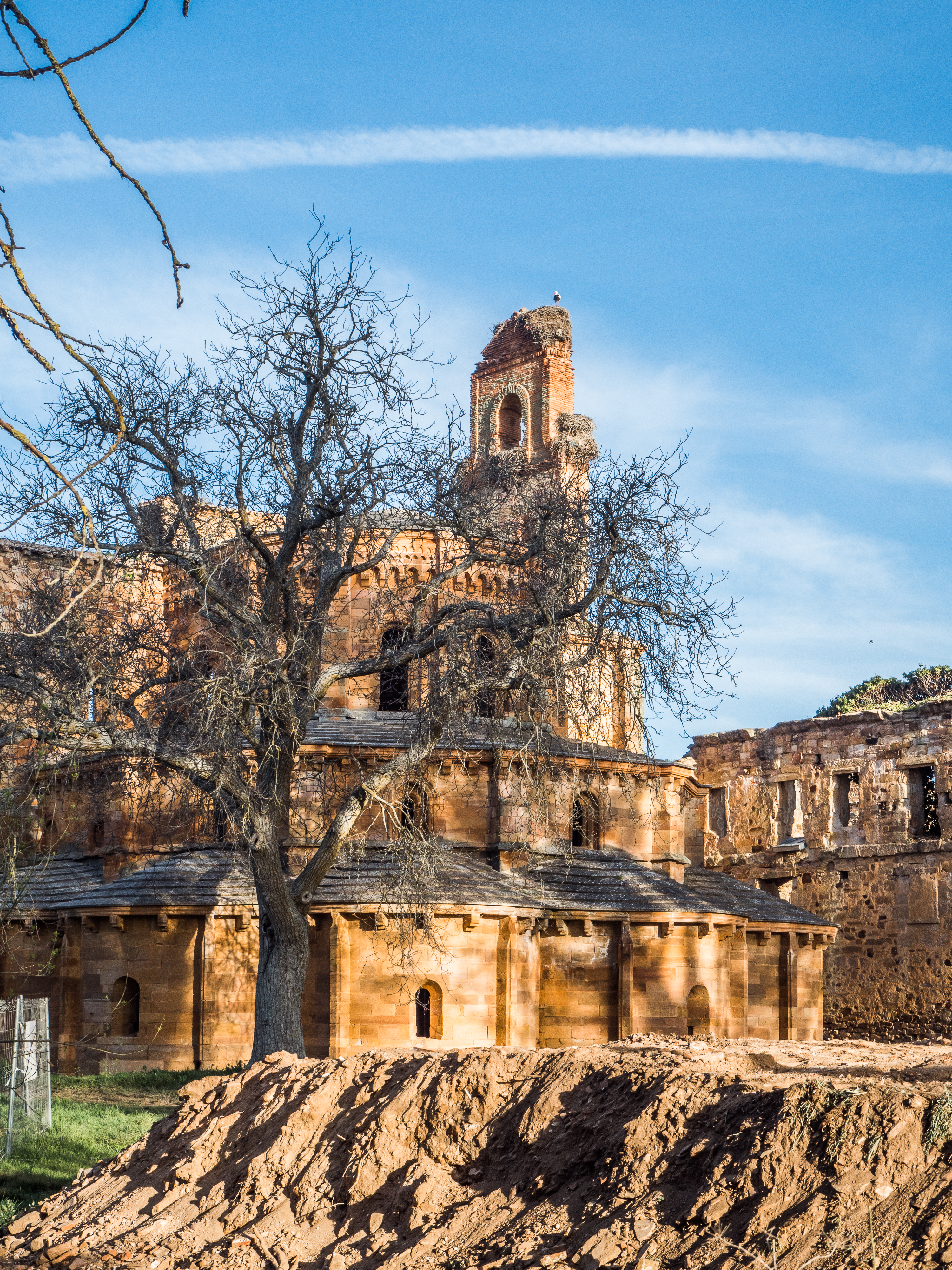
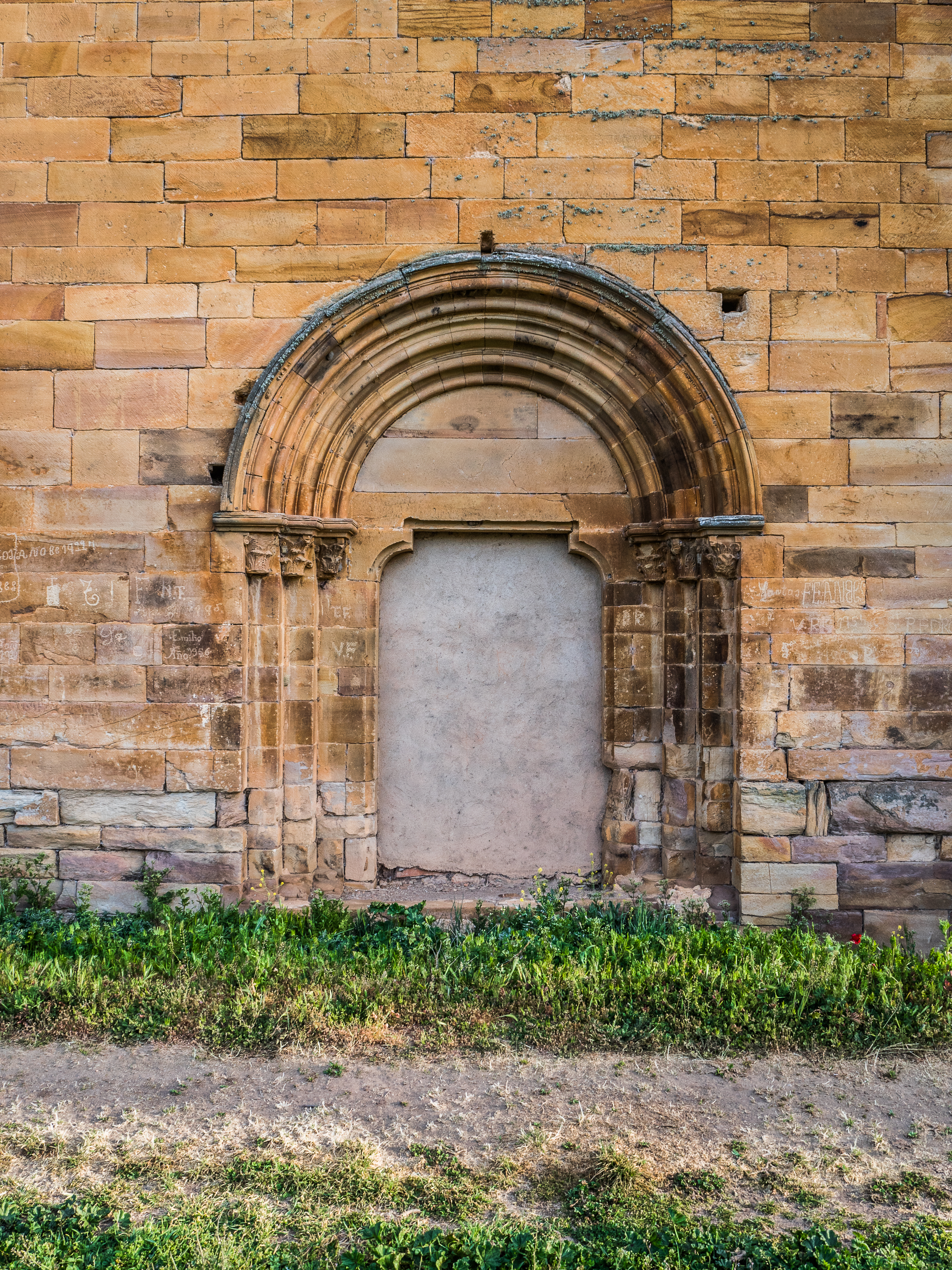
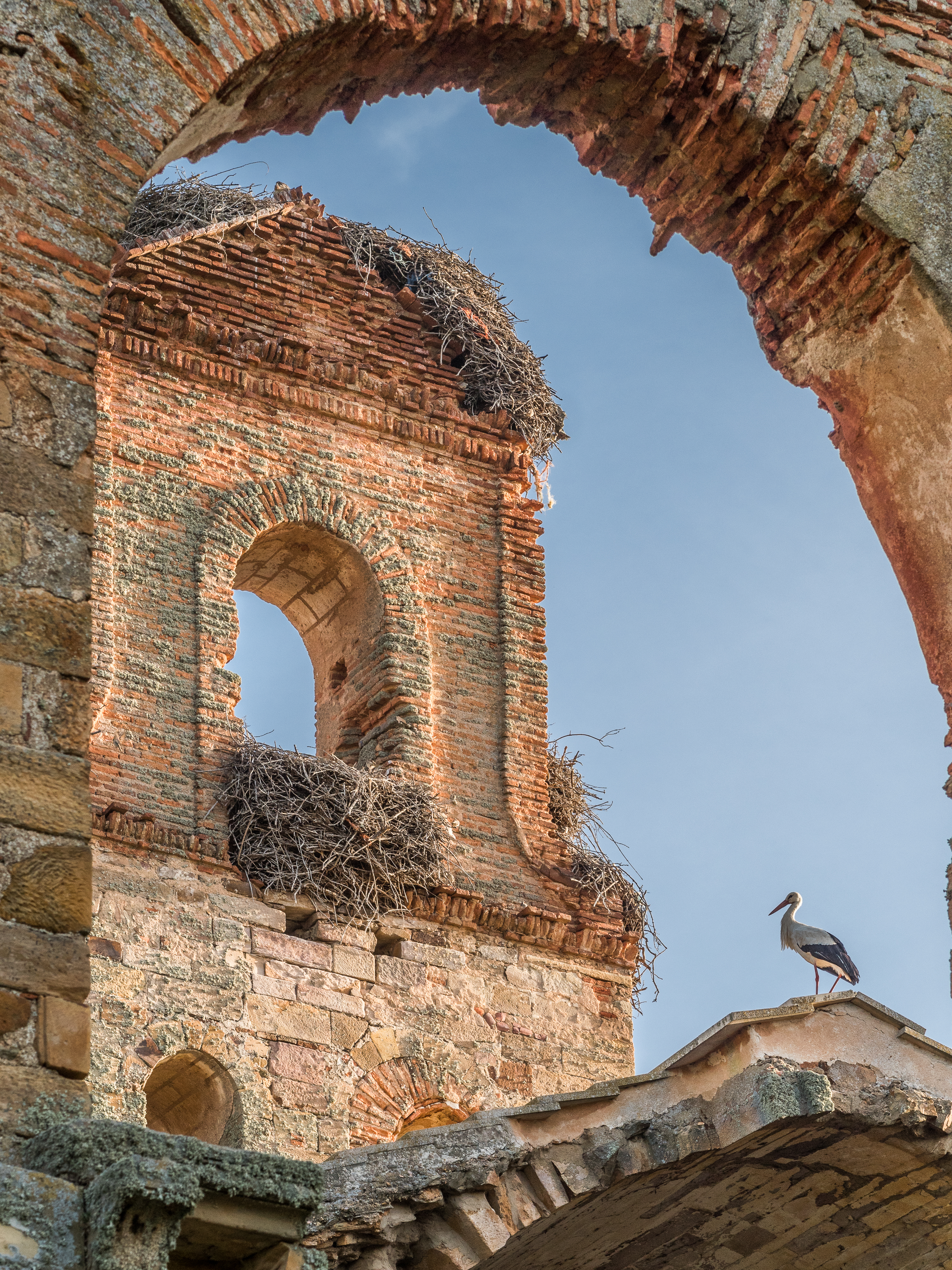
Ruins or the XII century Cistercian monastery of Santa María de Moreruela, about 2 km from the village, a beautiful example of local románico Zamorano style are not to be missed. Even if the visit makes your day 4 km longer, it’s well worth it, especially with the morning sun. The monastery was closed in 1835 following liberal reforms of Juan Álvarez Mendizábal and subsequent expropriation of (some) property of the clergy. The repercussions against this particular convent may have been harder because the local monks had supported the conservative/reactionary fraction during the Carlist wars of succession. The monastery was then sold to private owners and used as a quarry/source of construction material in the following years. The eastern apse of the abbey church is almost entirely preserved, along with one of the transept walls.




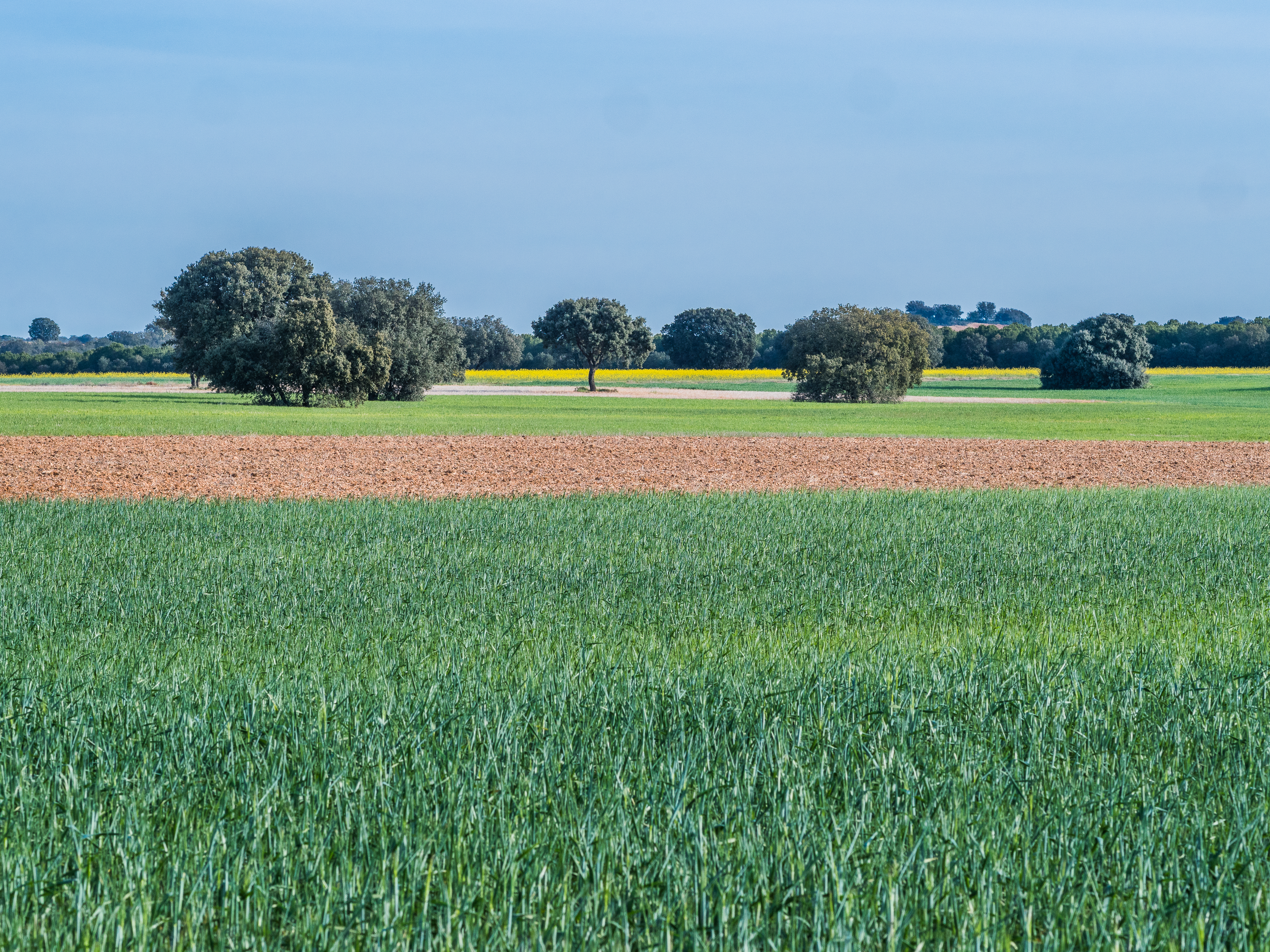
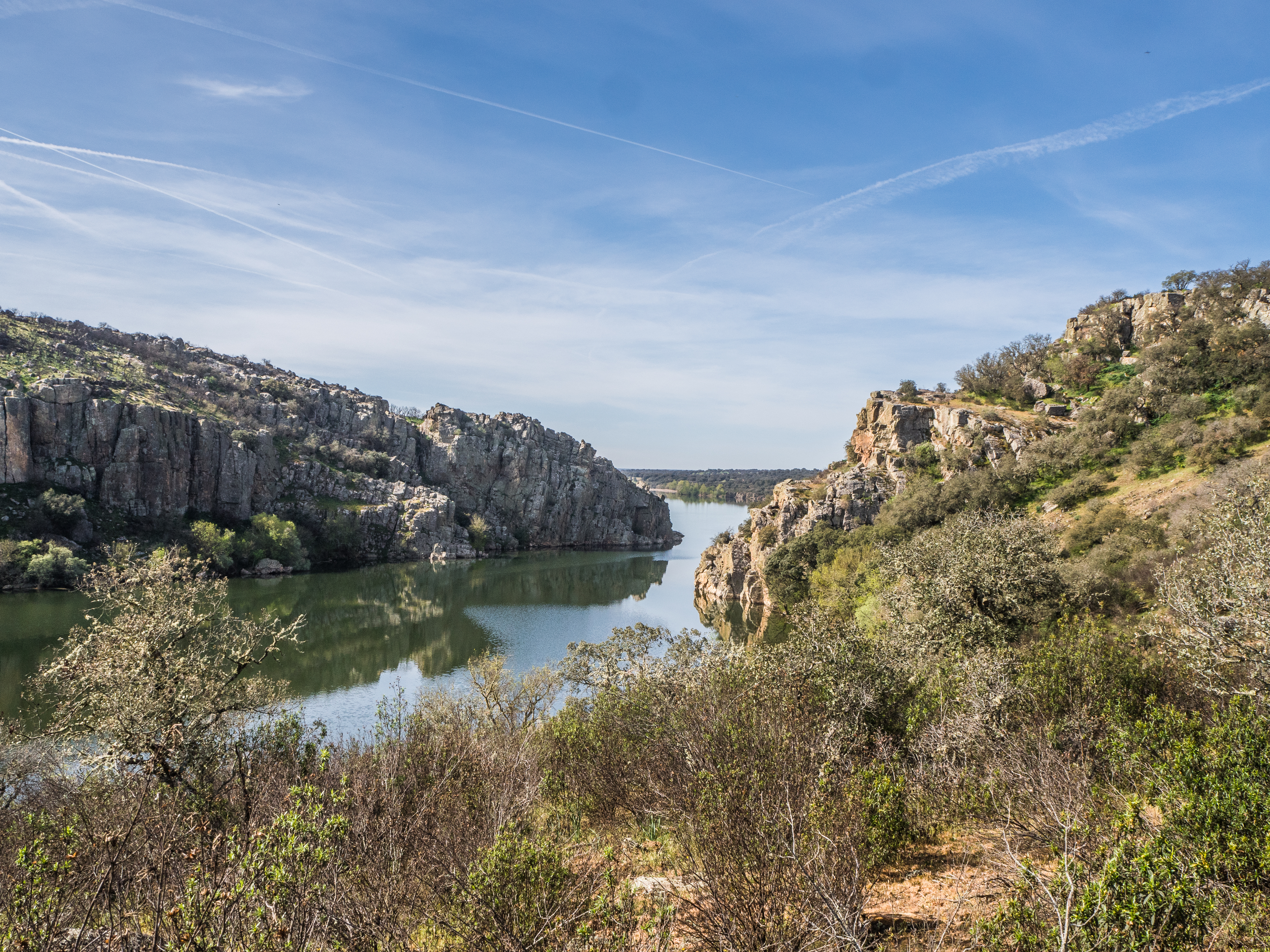
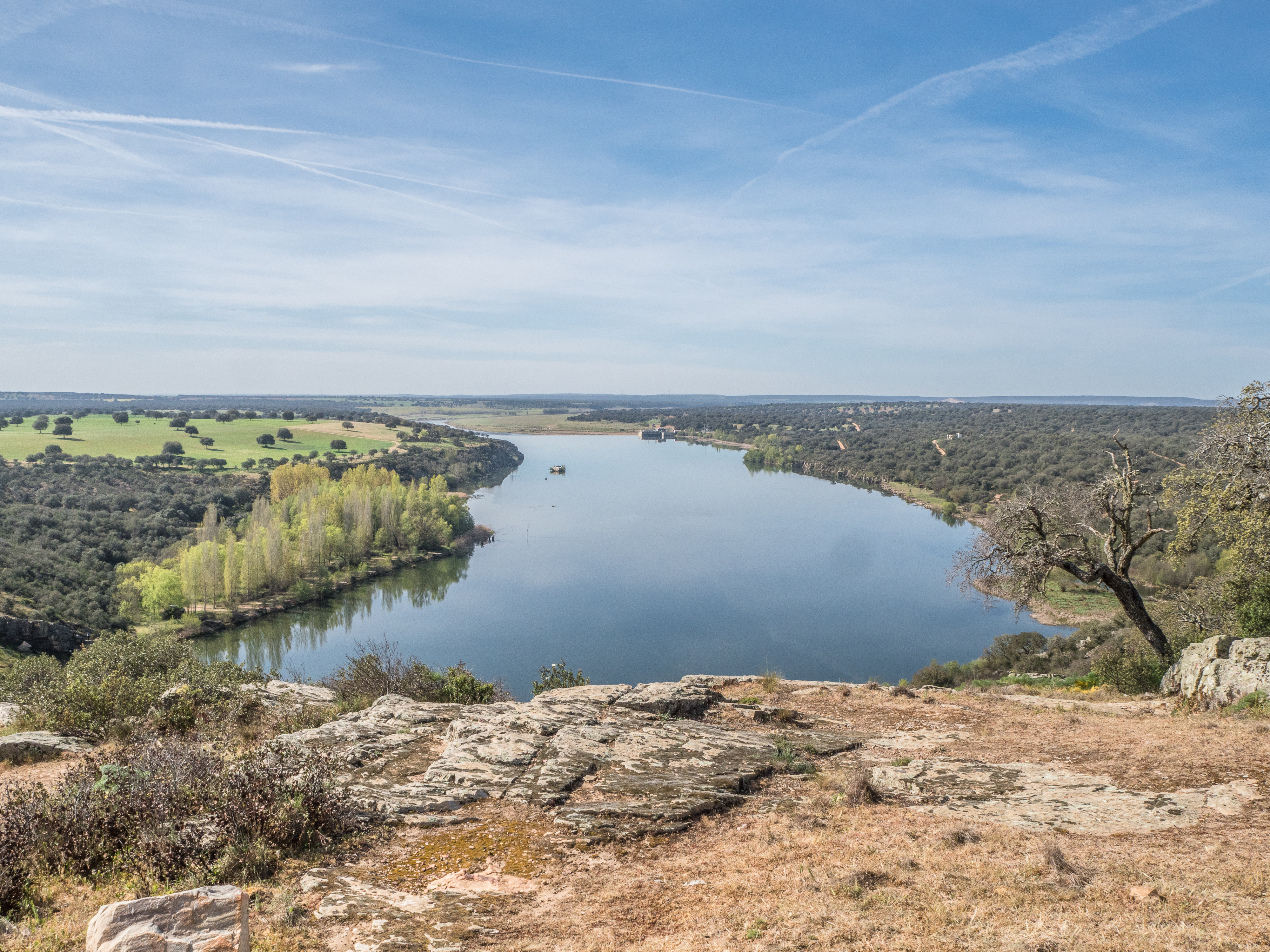
Reservoir of Ricobayo on the river Esla – This reservoir became centre of the news in summer 2021, when Iberdrola (the owner of the dam) decided to empty it by 70% in two months, amid drought, to capture the historical electricity spot prices. As a (mild) consolation, and with just a tiny hint of schadenfreude, “history” was just starting to happen in summer ’21 (approx. 100 €/MWh, and what was unprecedented then is considered normal to low these days.






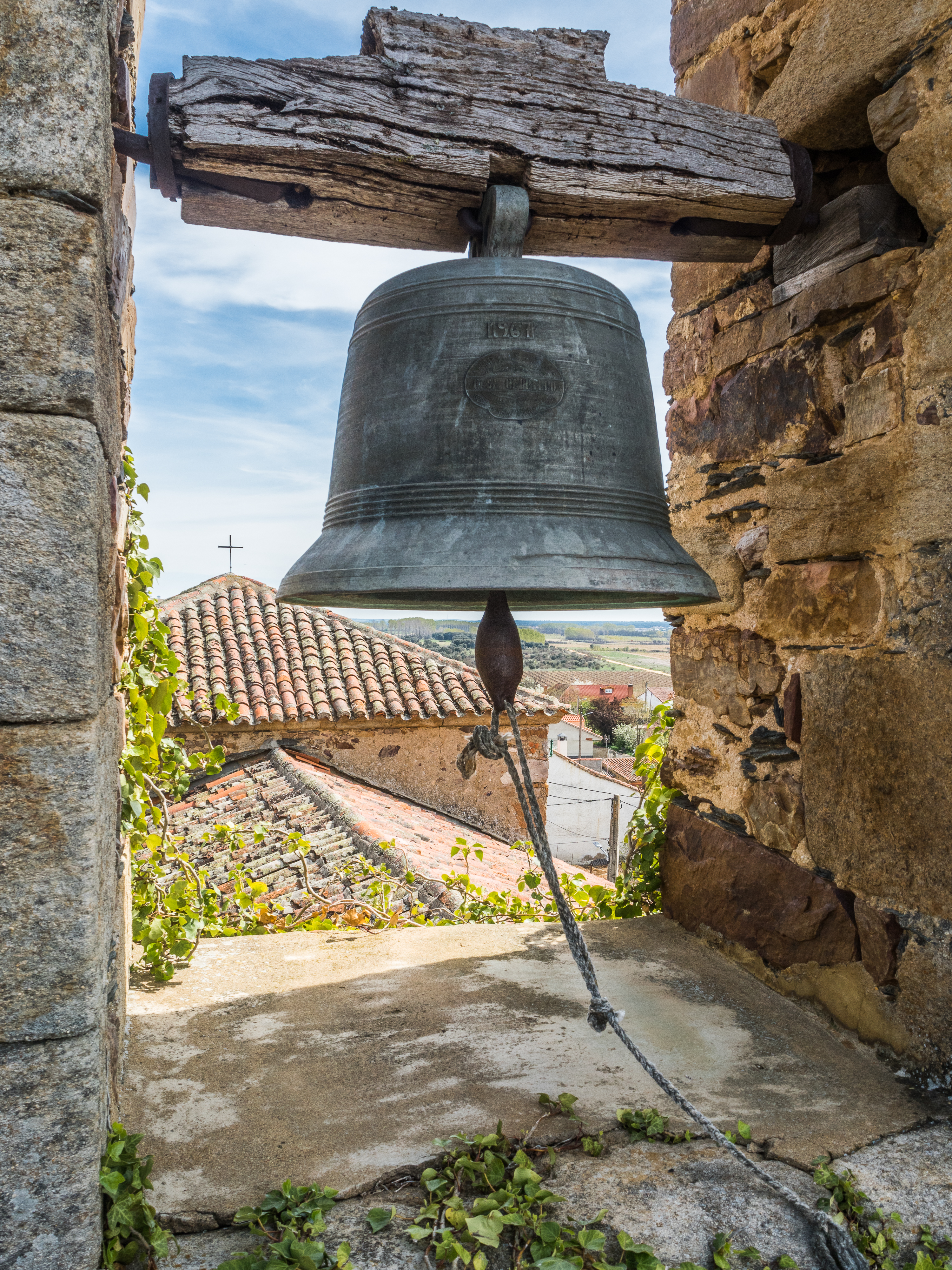
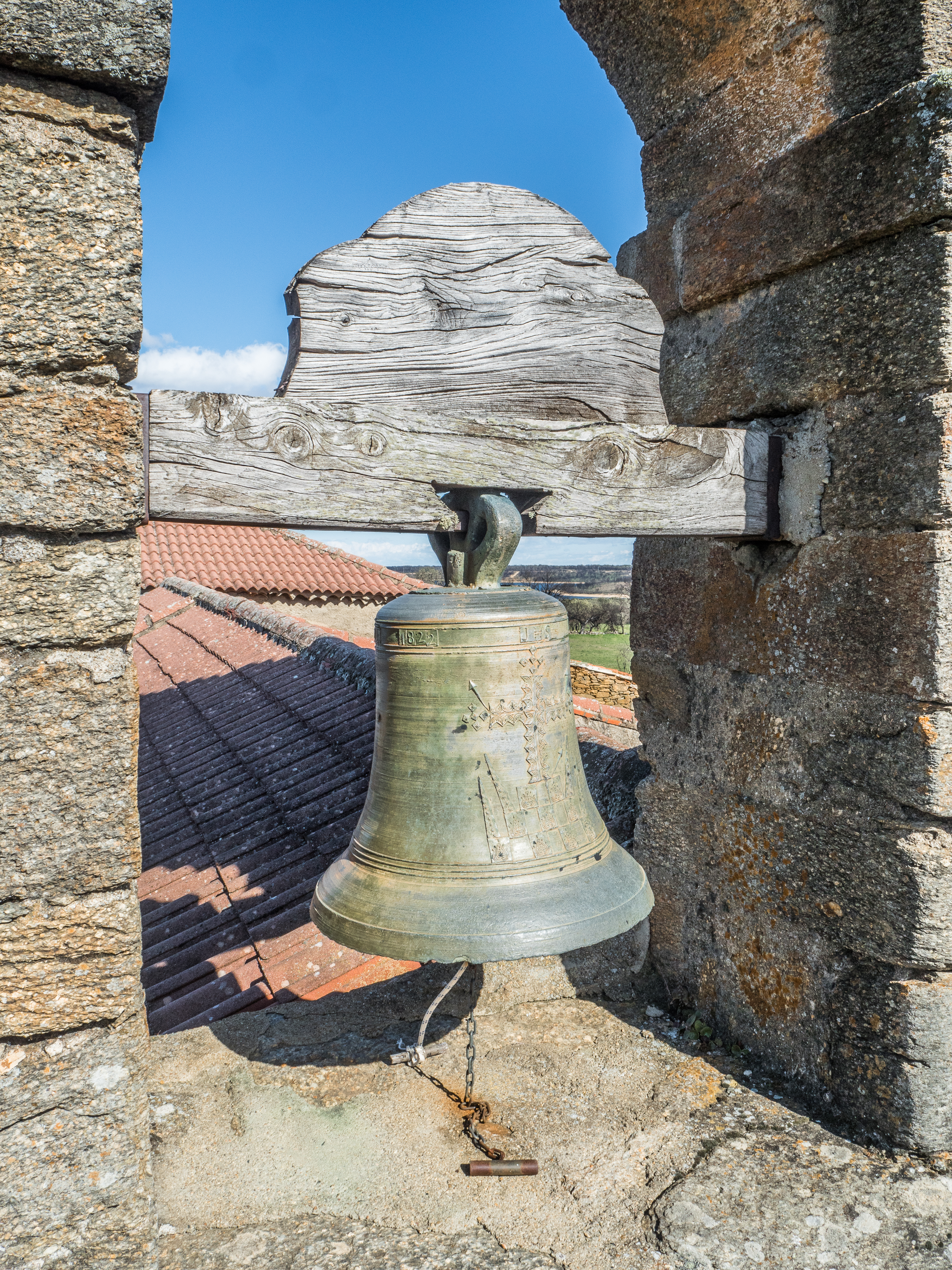
Tábara – the most interesting sight of Tábara, the beautiful Romanesque bell tower of the church of Asunción, is hard to miss because that is where the Camino enters the village. Apart of that, the restaurant of hotel El Roble serves excellent food in enormous portions and the bar next to the church turns into a nightclub after sunset. If you’ve done any of the popular northern routes of the camino, you will be accustomed to the stress of getting to bed early and setting off at 5 am to be at the next village earlier than most to secure a bed in an albergue. Personally, if I had to stress about sleeping arrangement every night, I would rather not do the camino, but in any case, that is not an issue on Ruta de la Plata: it’s empty in spring and there is enough room for everyone. Feel free to party away.


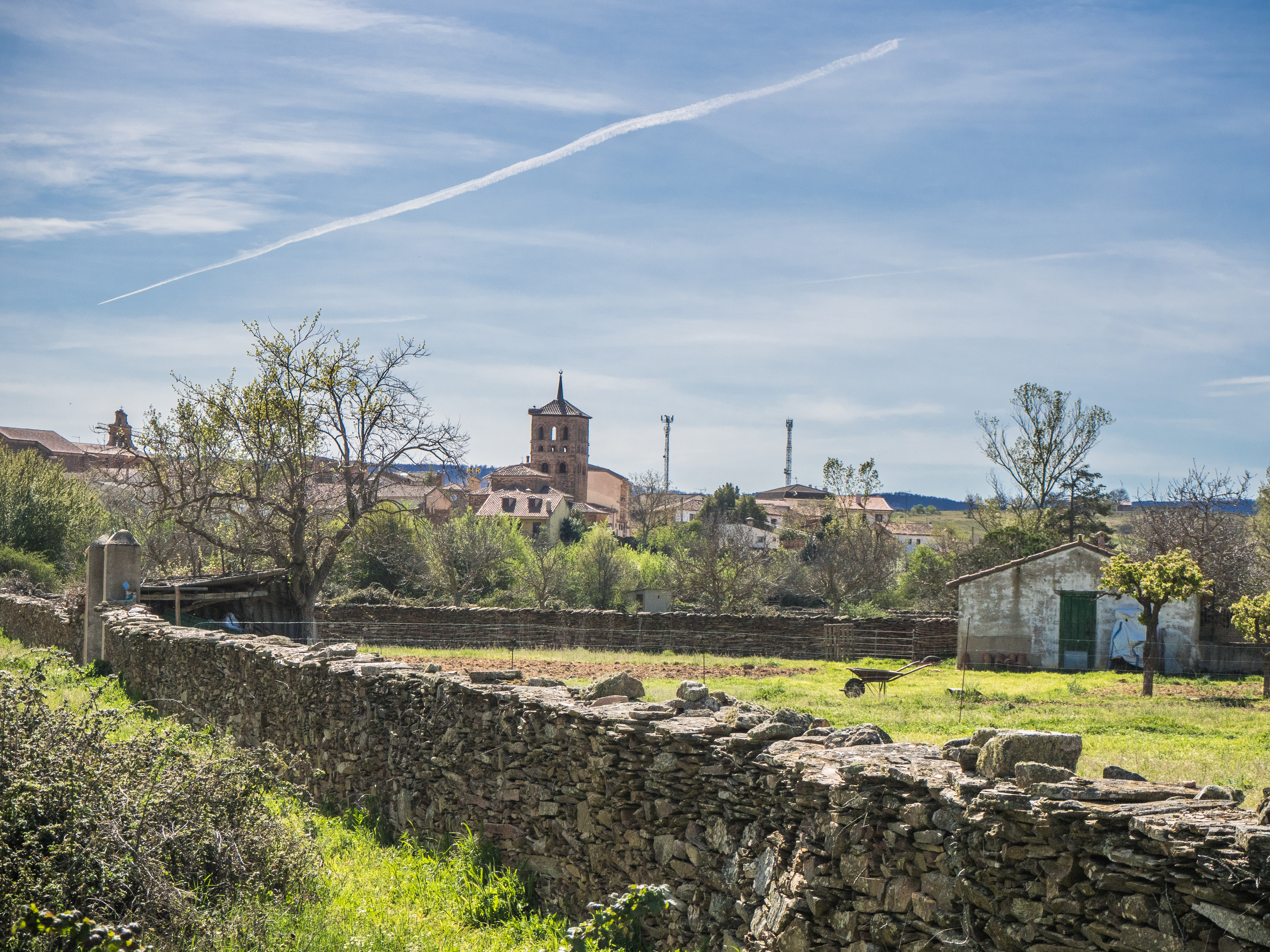


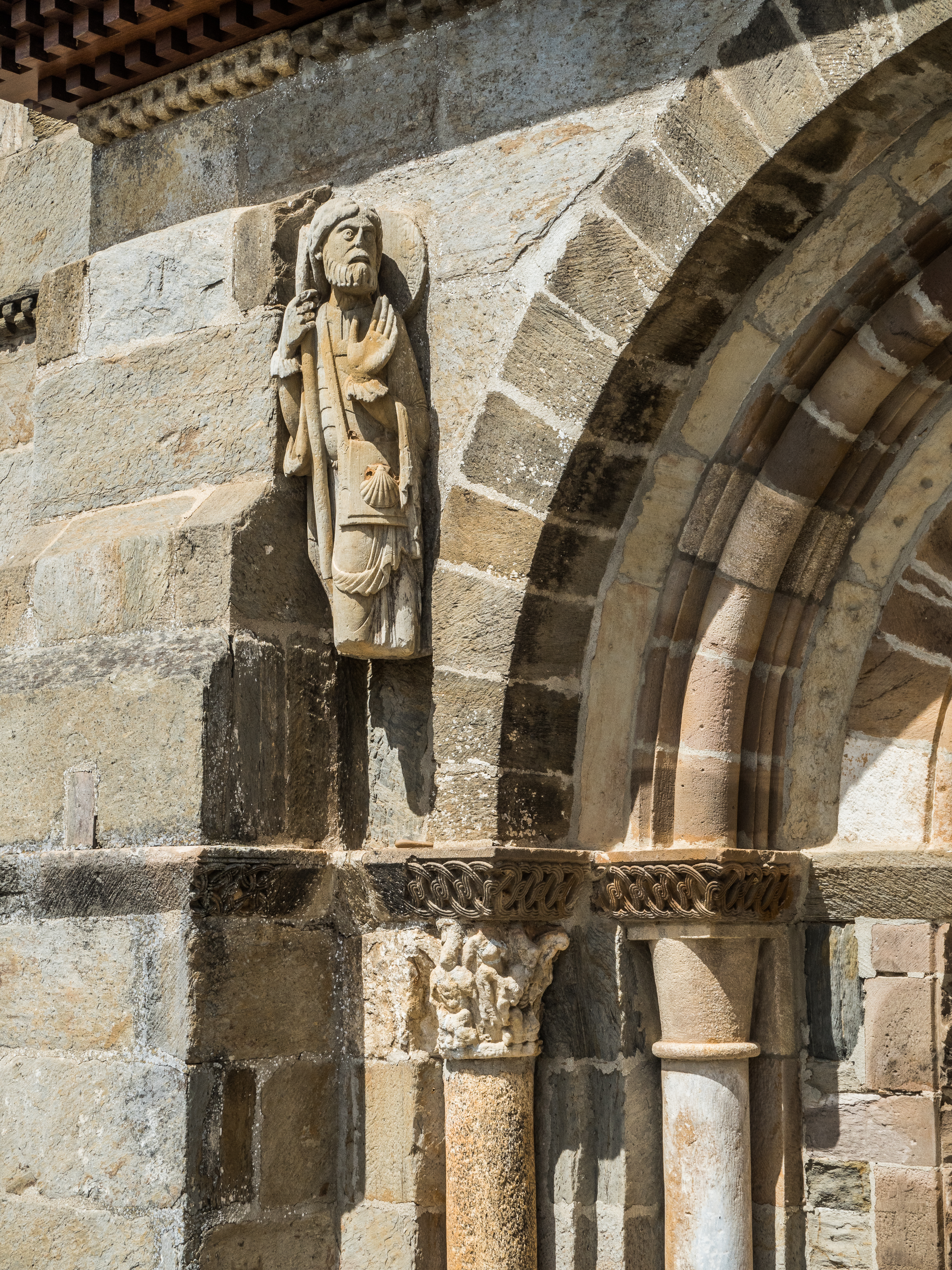
Villanueva de las Peras: the aftermath of the recent wildfires is heart-breaking. Not many pear trees (to which the town owes its name) left. Santa Marta de Tera: recently restored church and monastery another beautiful examples of románico Zamorano. The statue of Saint James on the column of the portal is deemed to be one of the oldest statues representing the apostle. Camarzana de Tera: don’t miss the ruins of the church of Santa Bárbara about 15 minutes north of the village. It’s worth the detour, even though you will have walked enough that day.

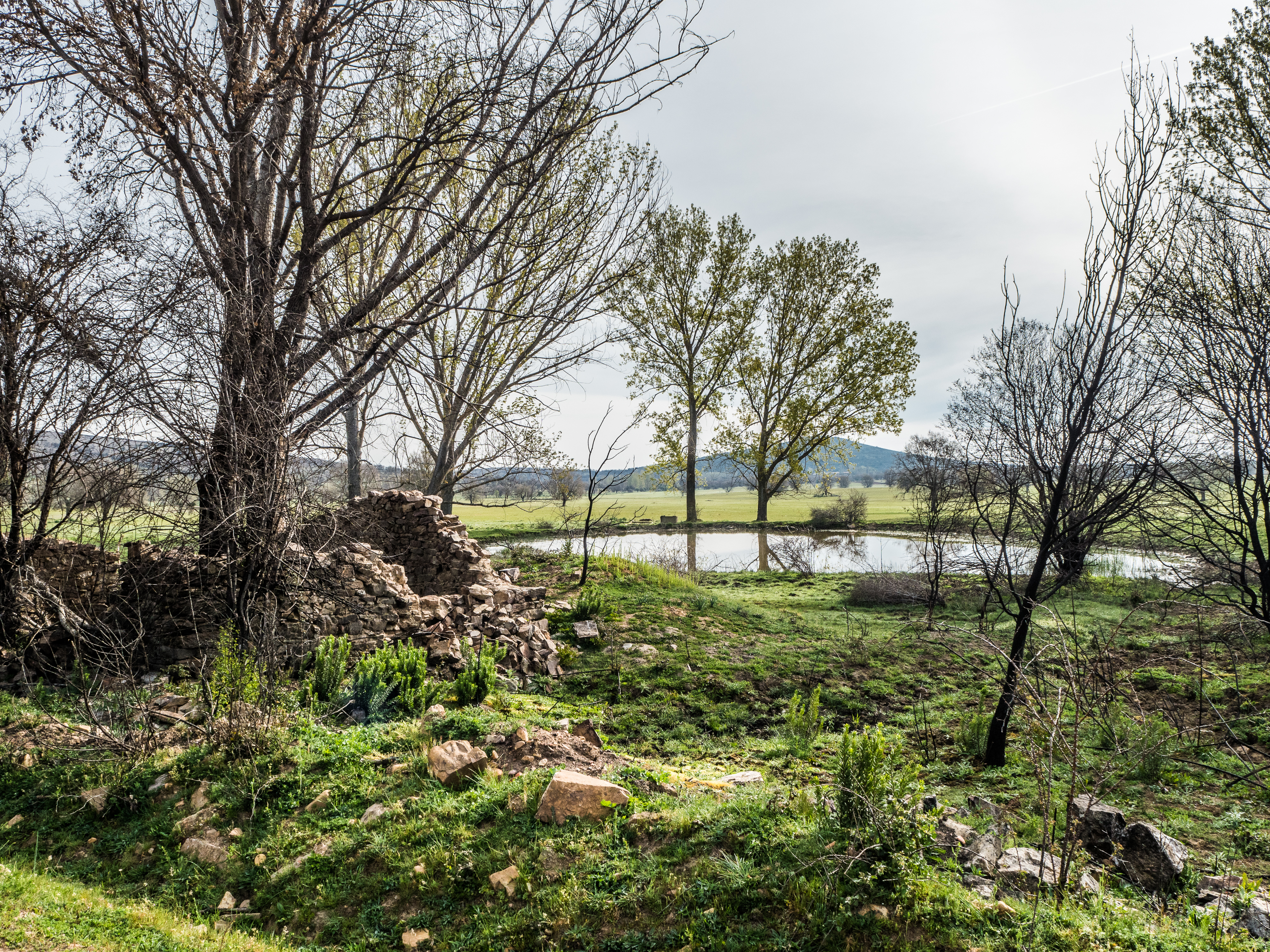




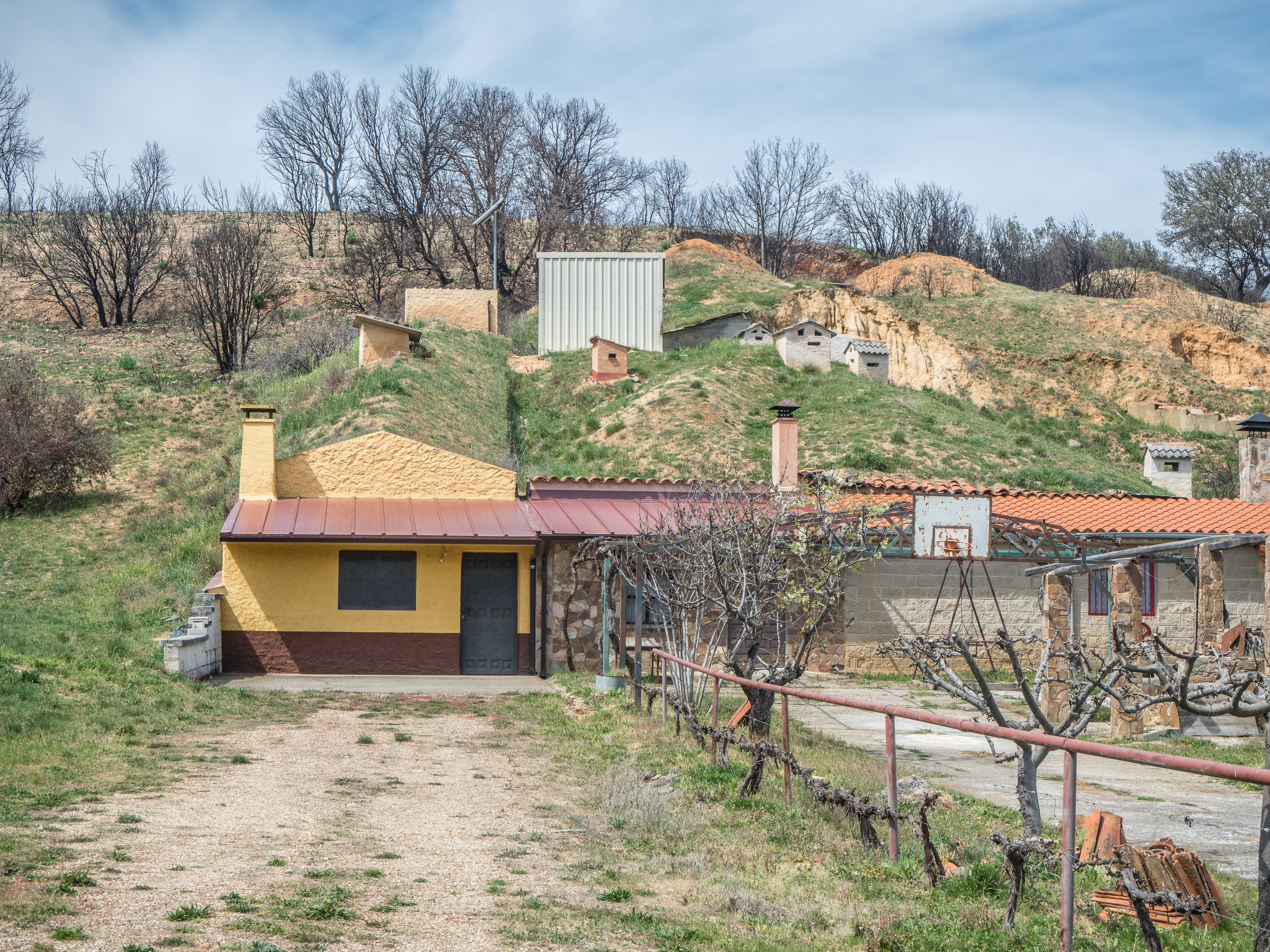


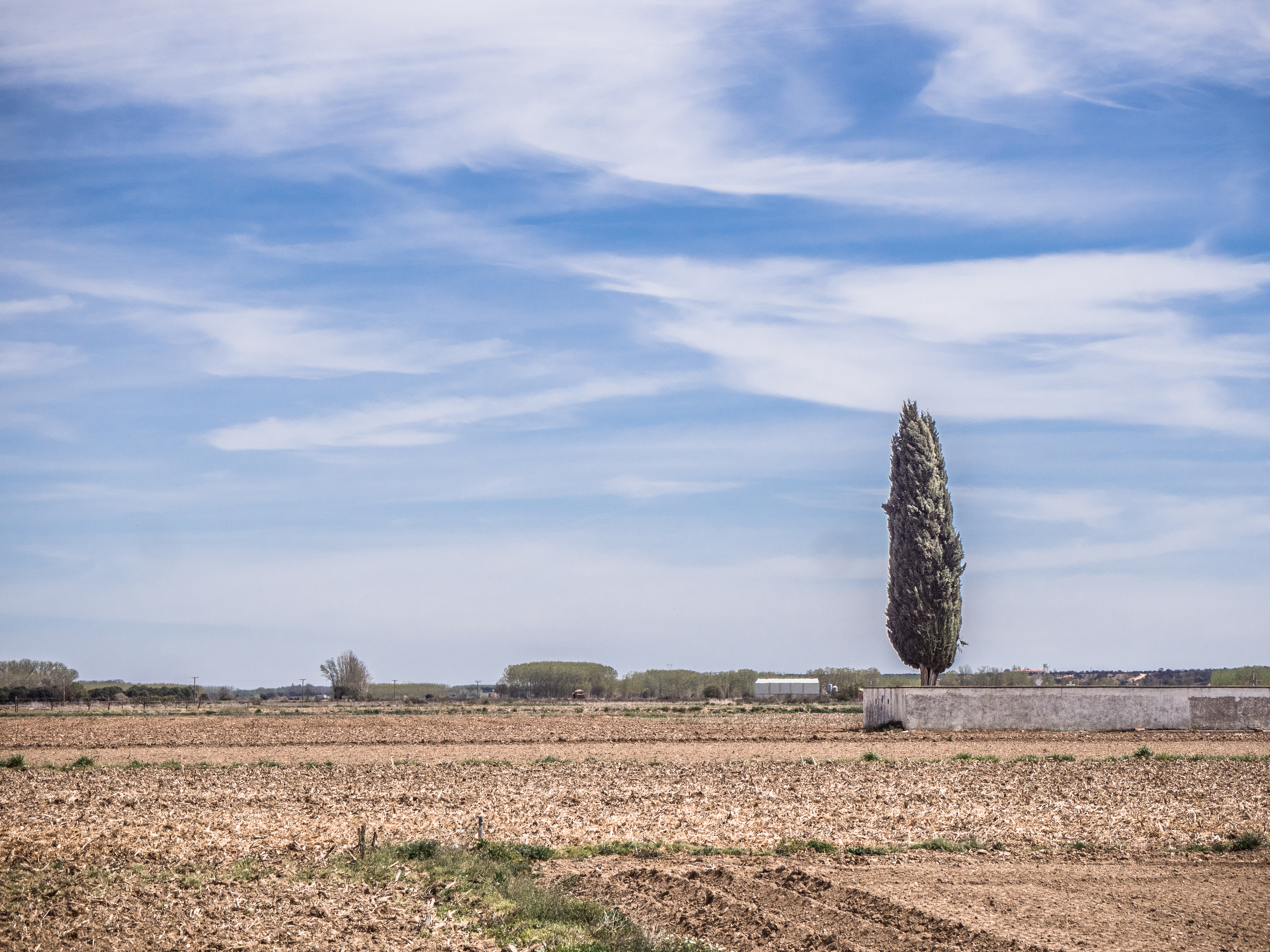
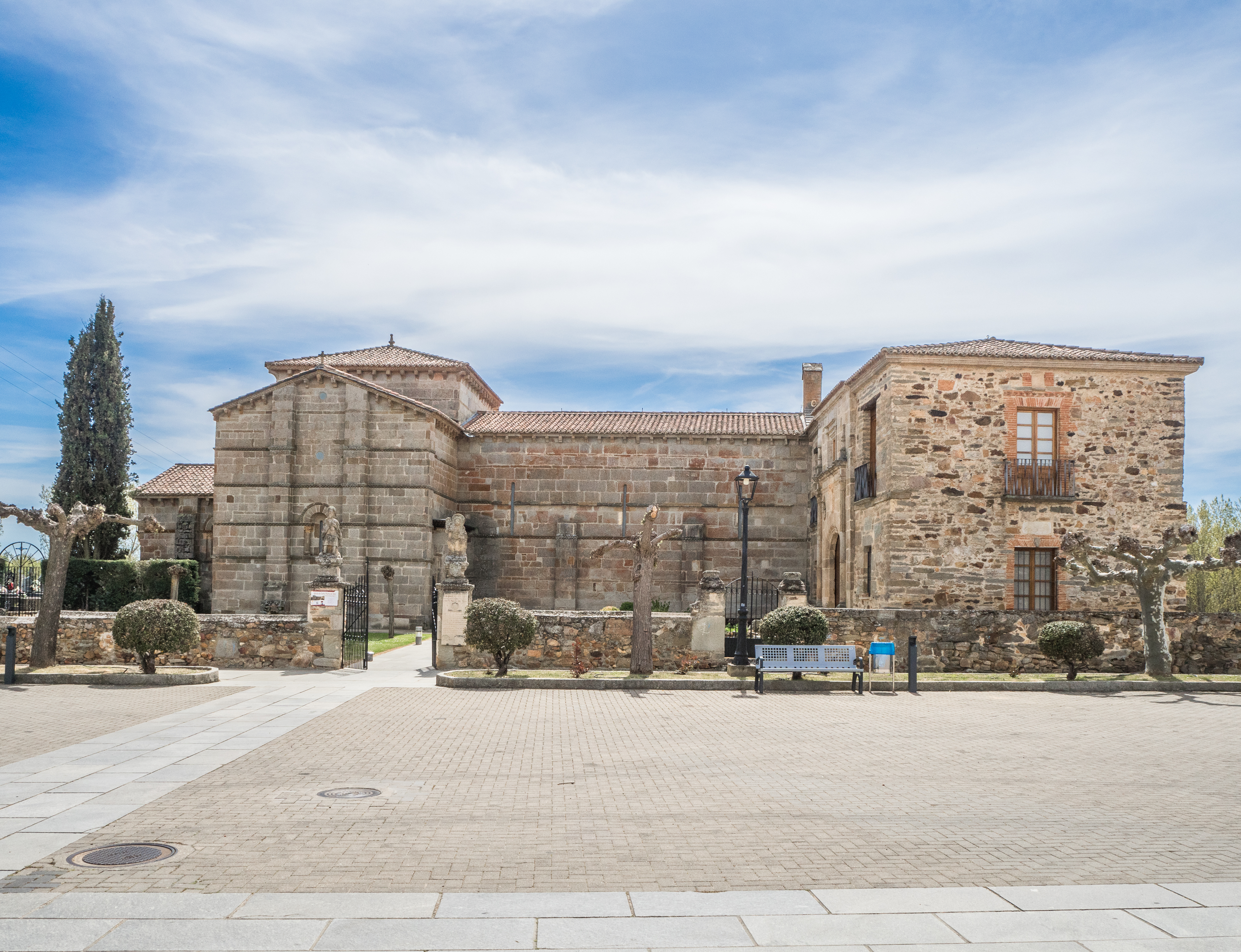


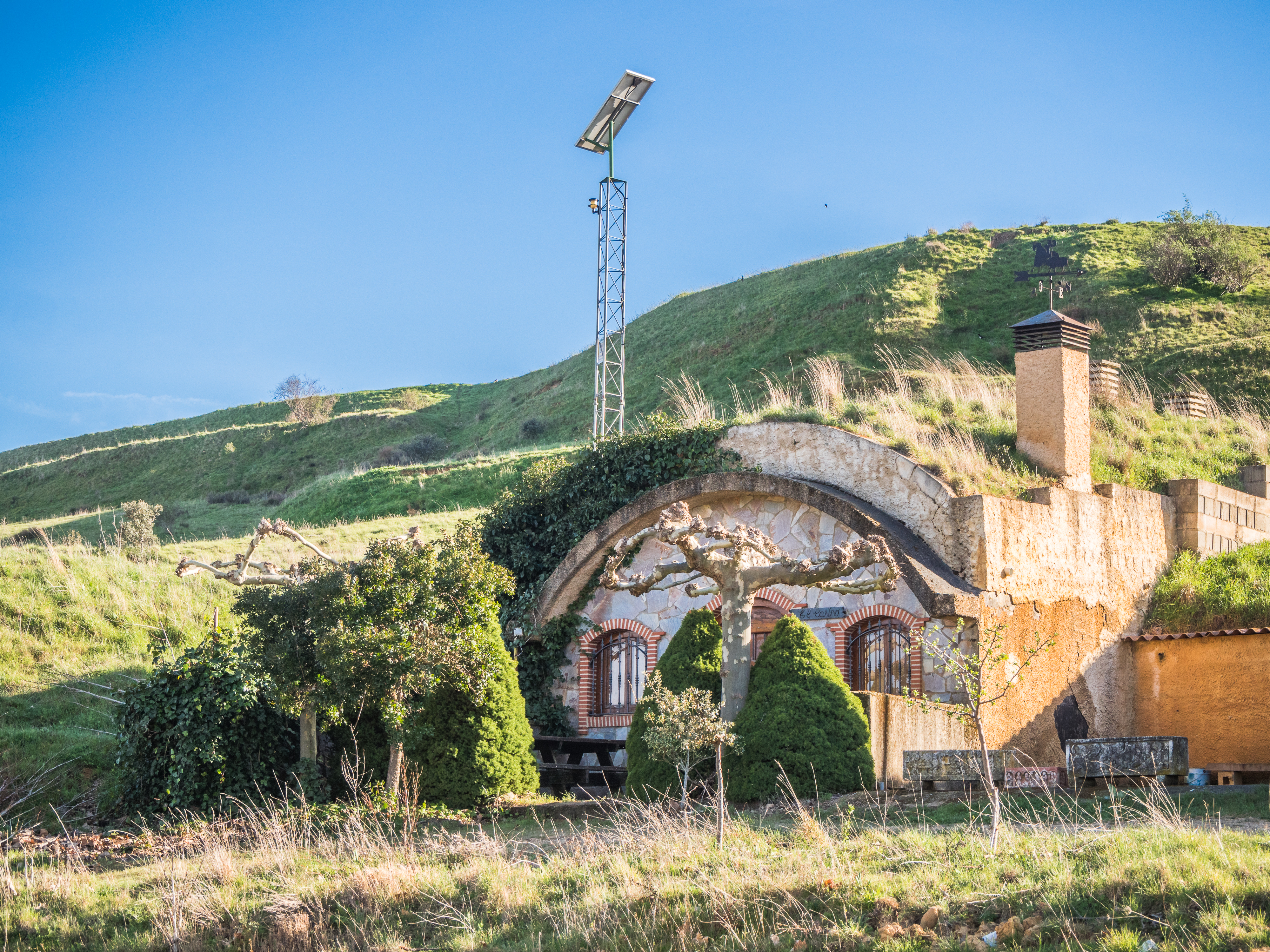
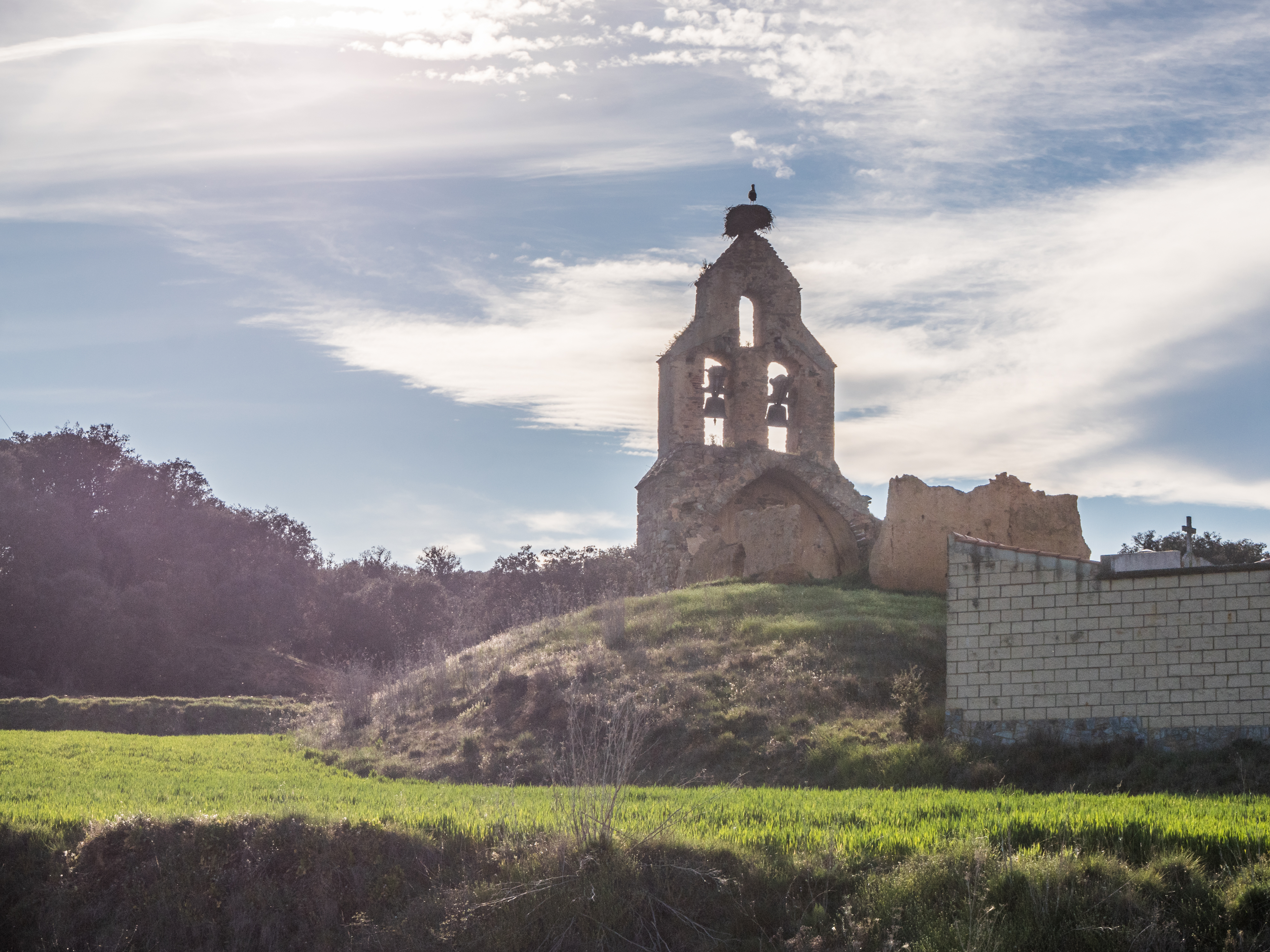


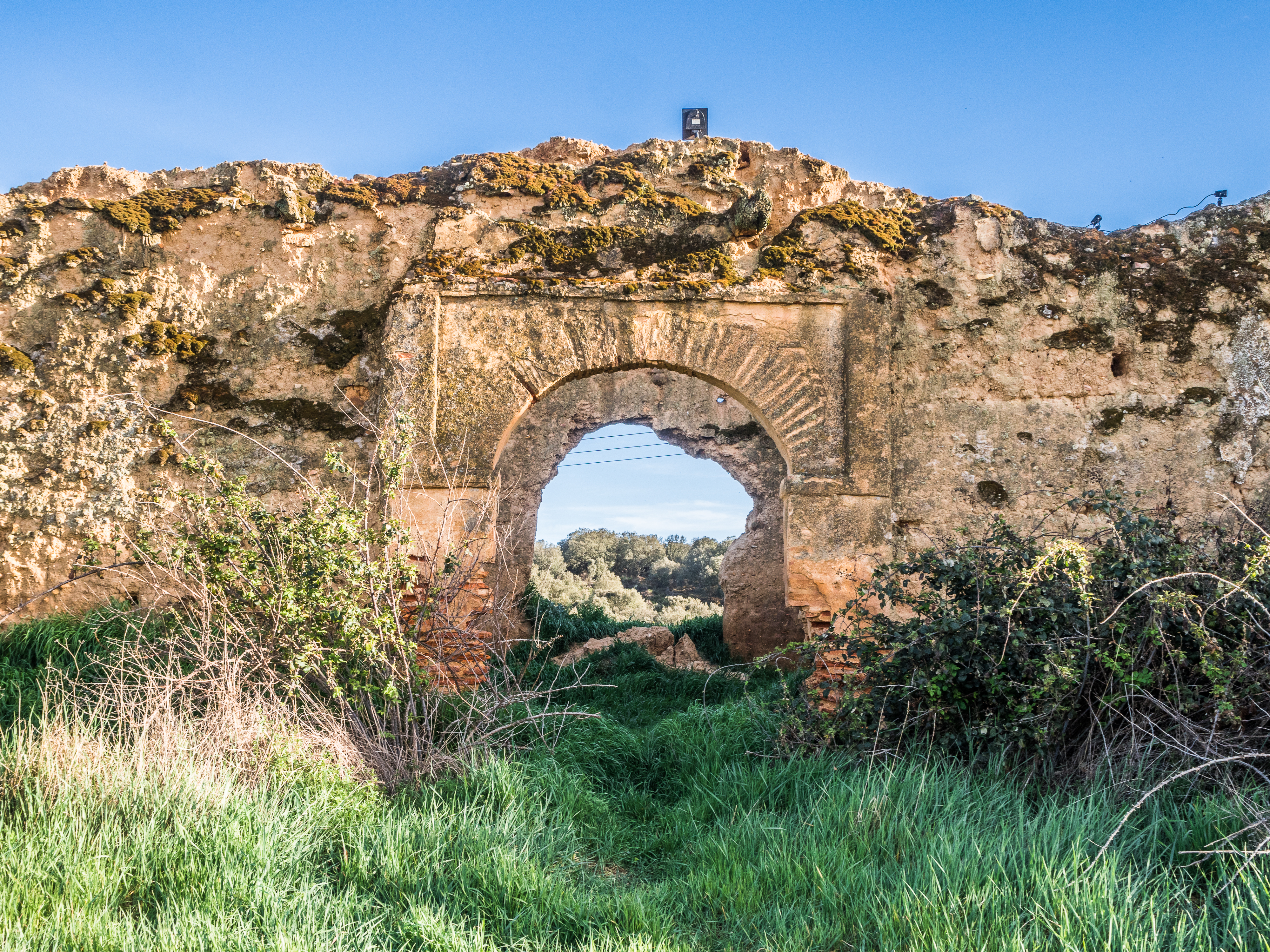

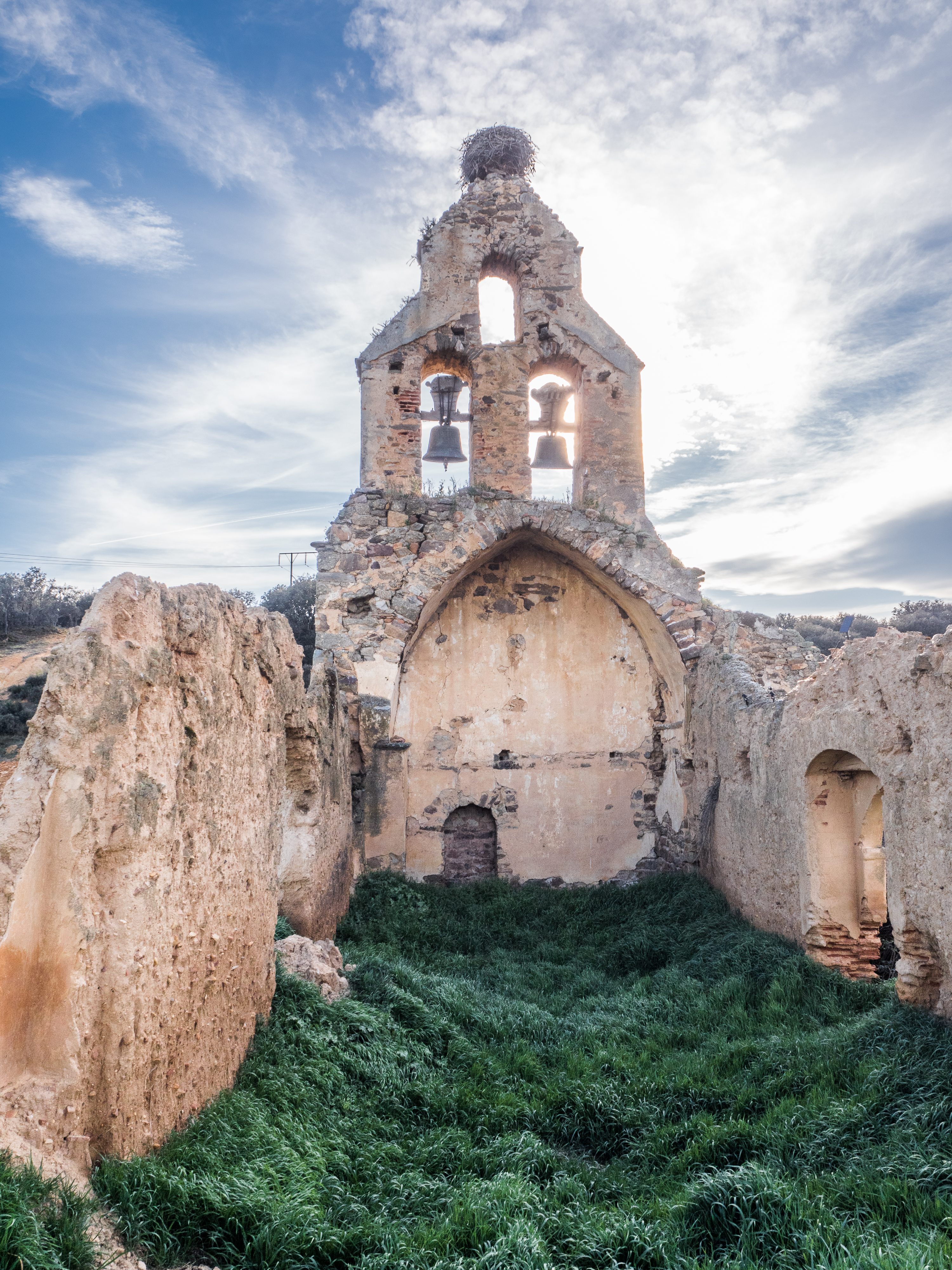
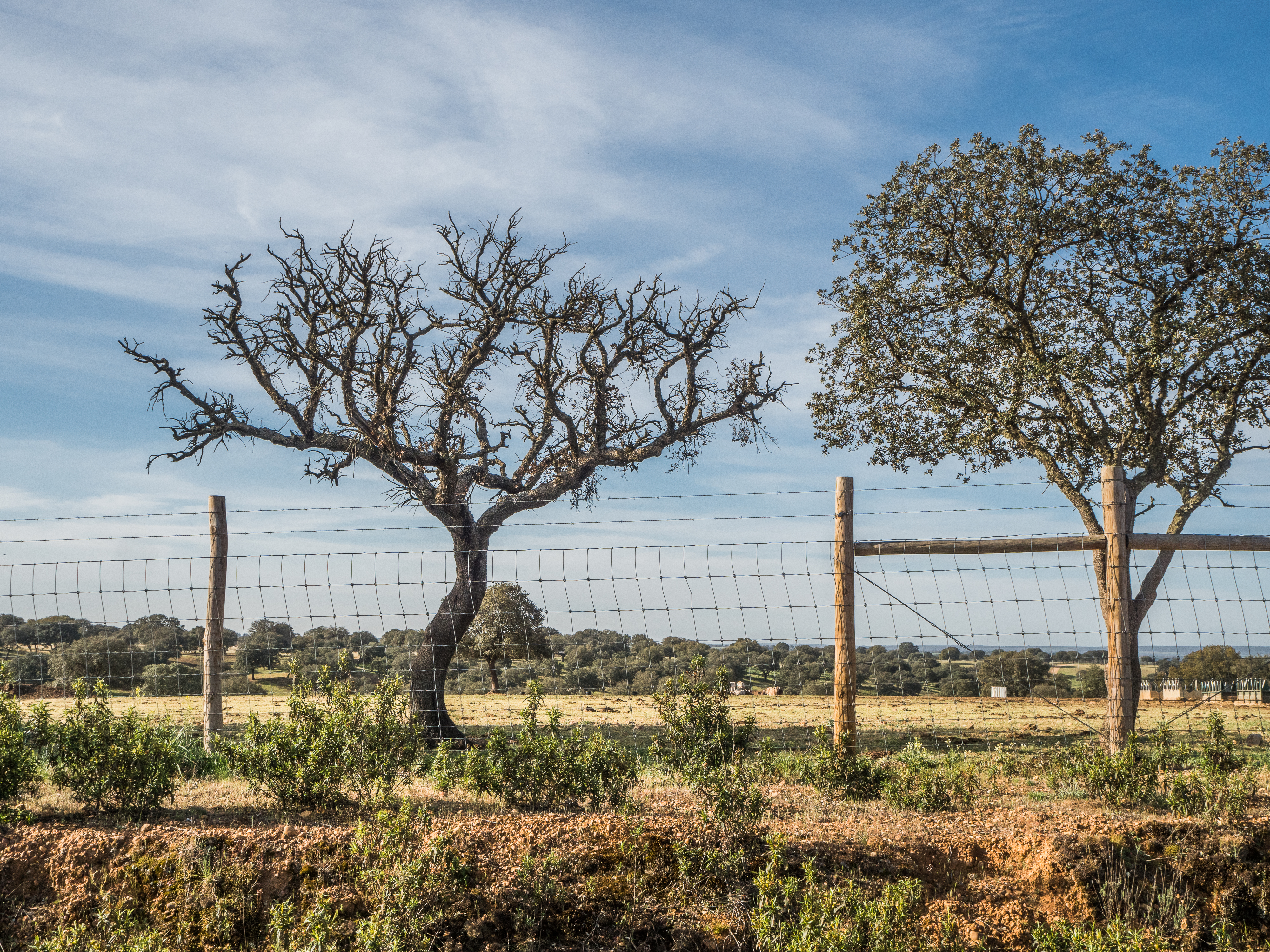
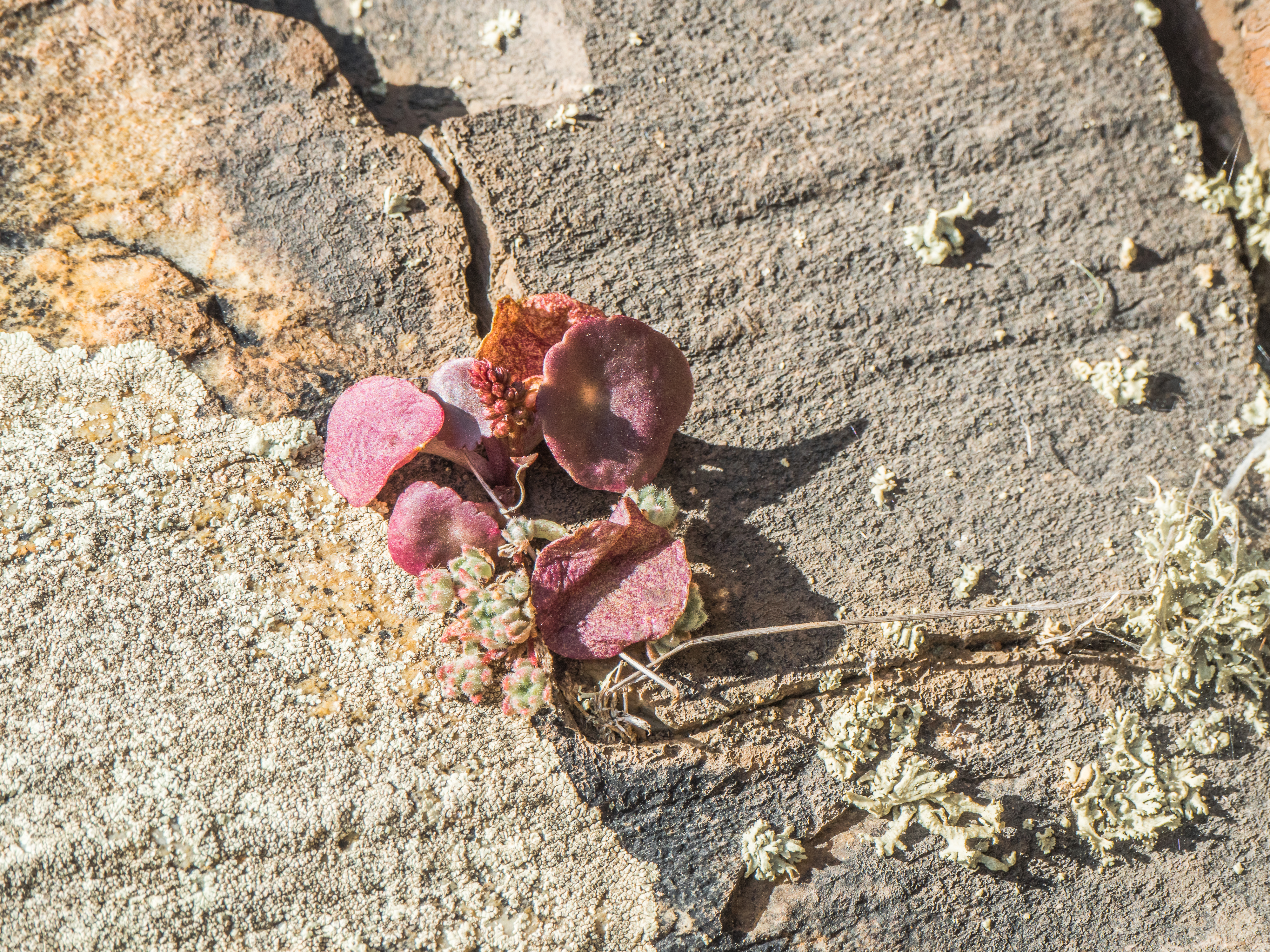
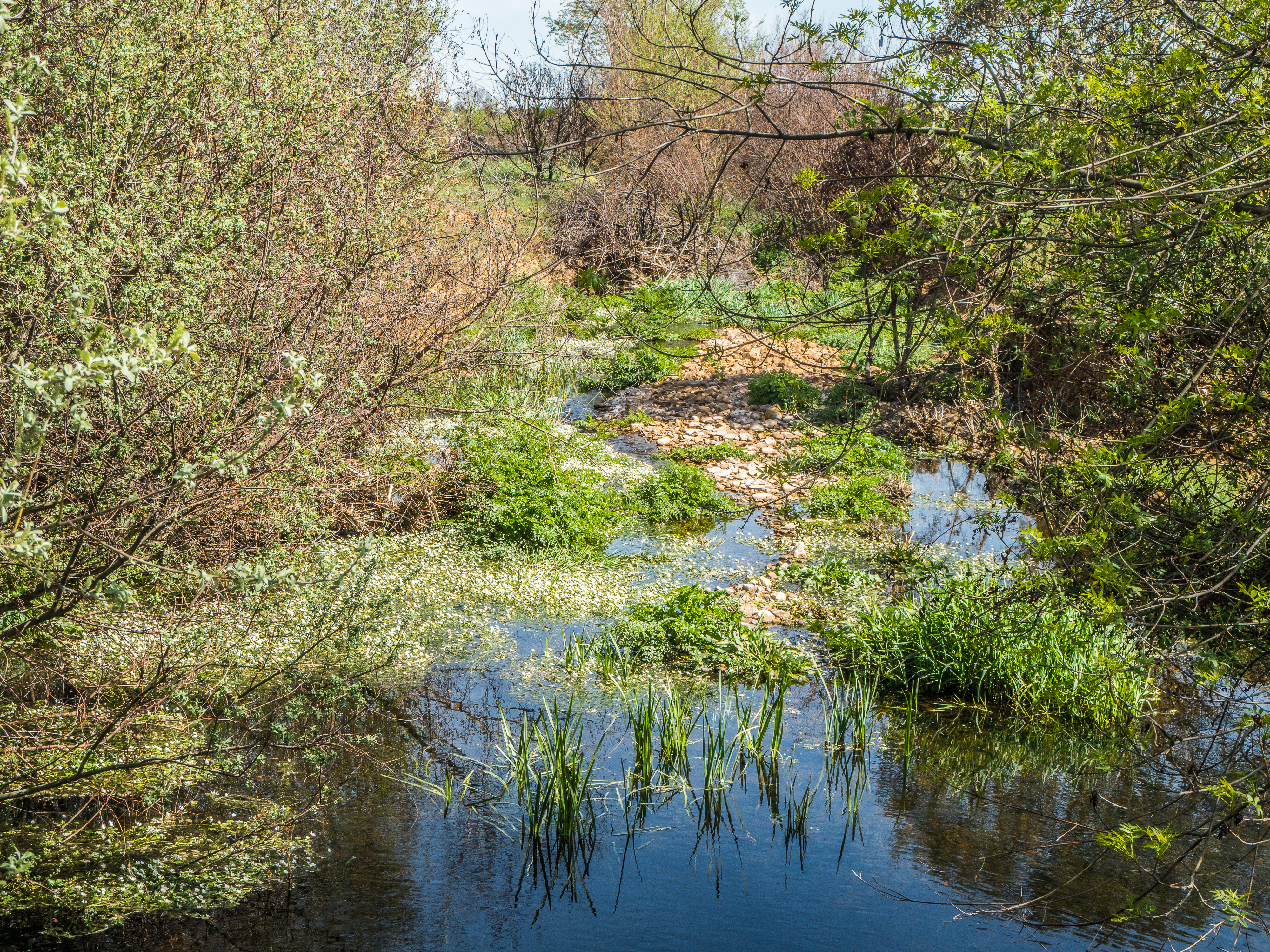
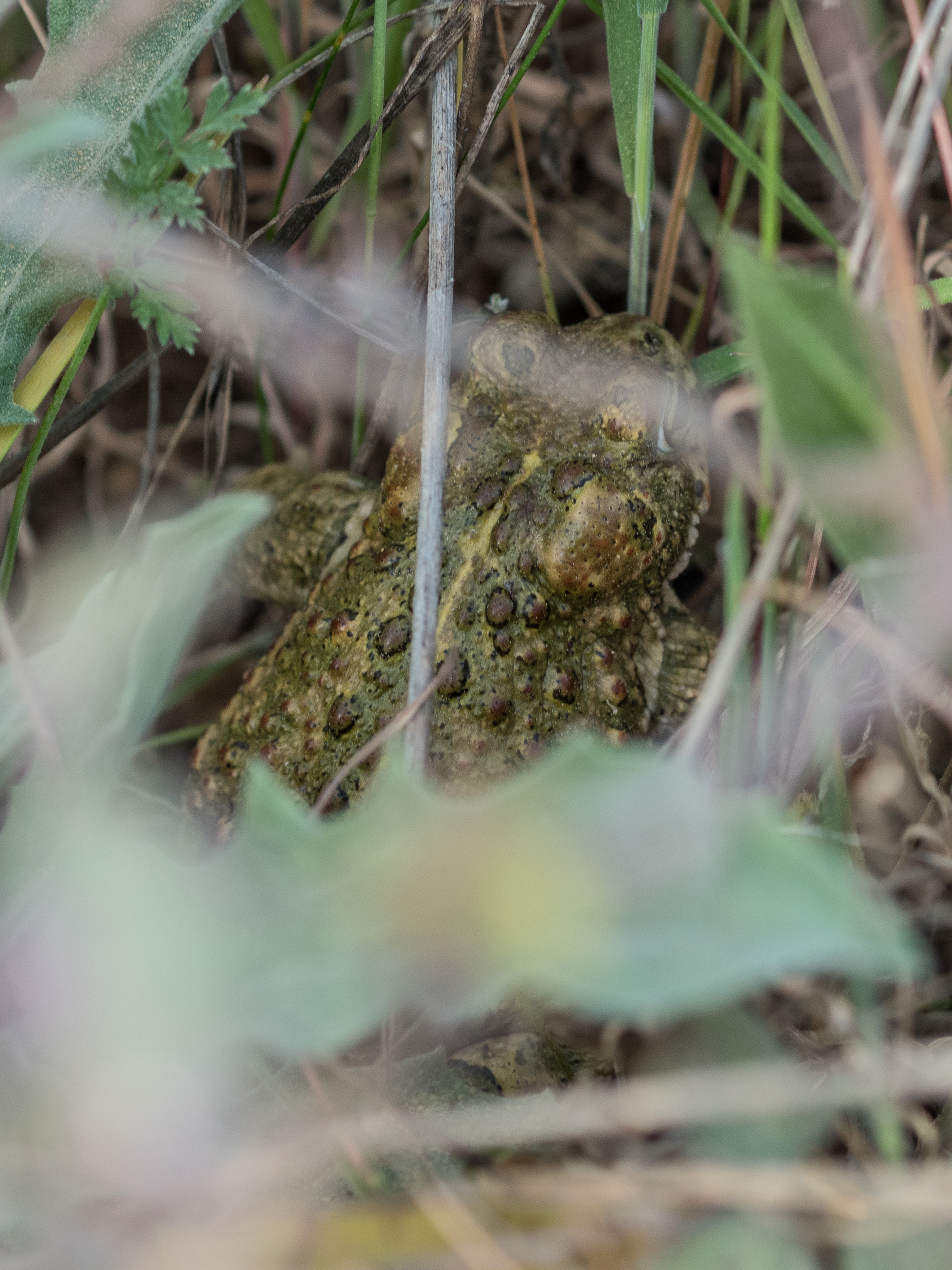
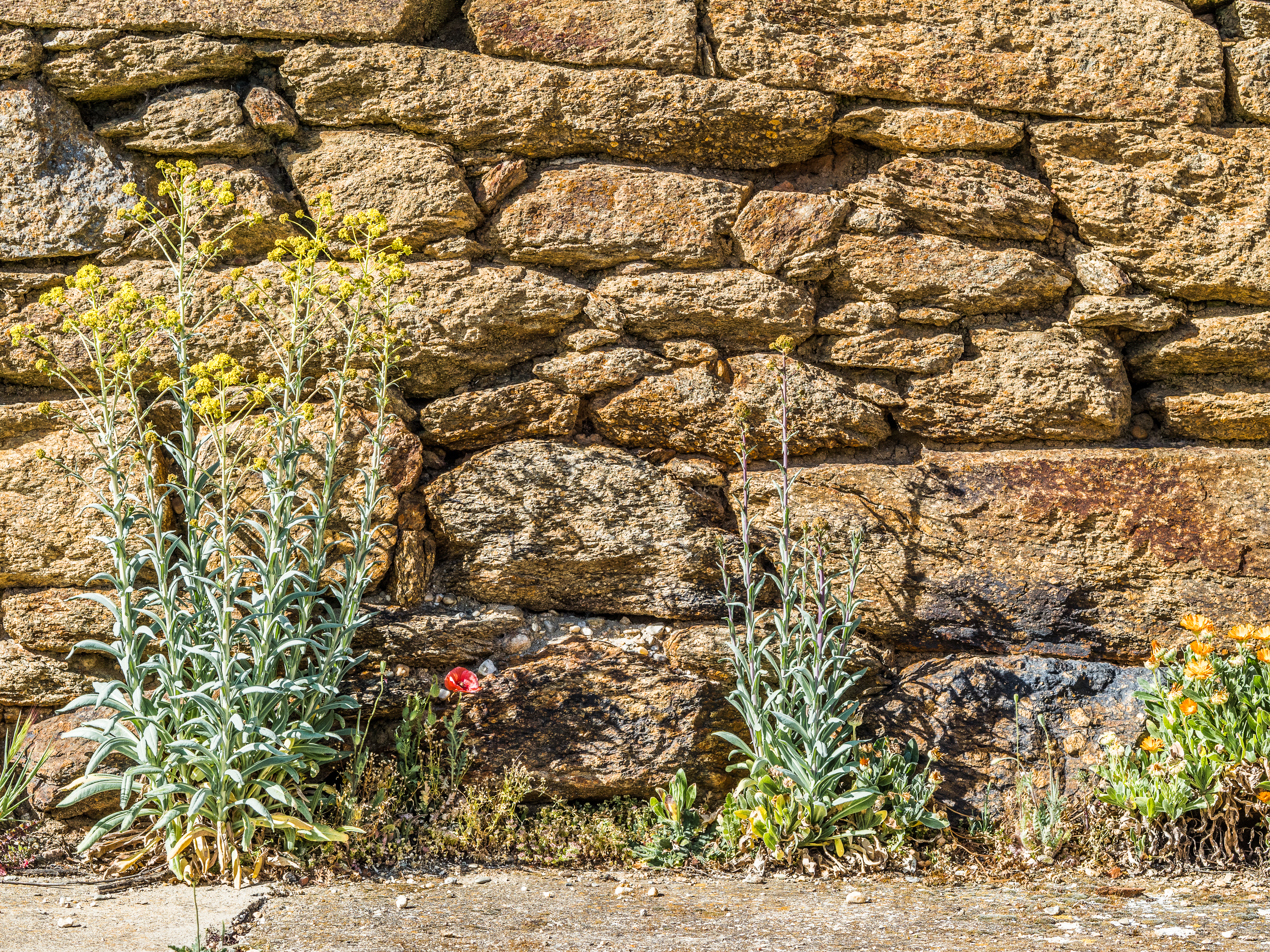
Some wildlife along the way



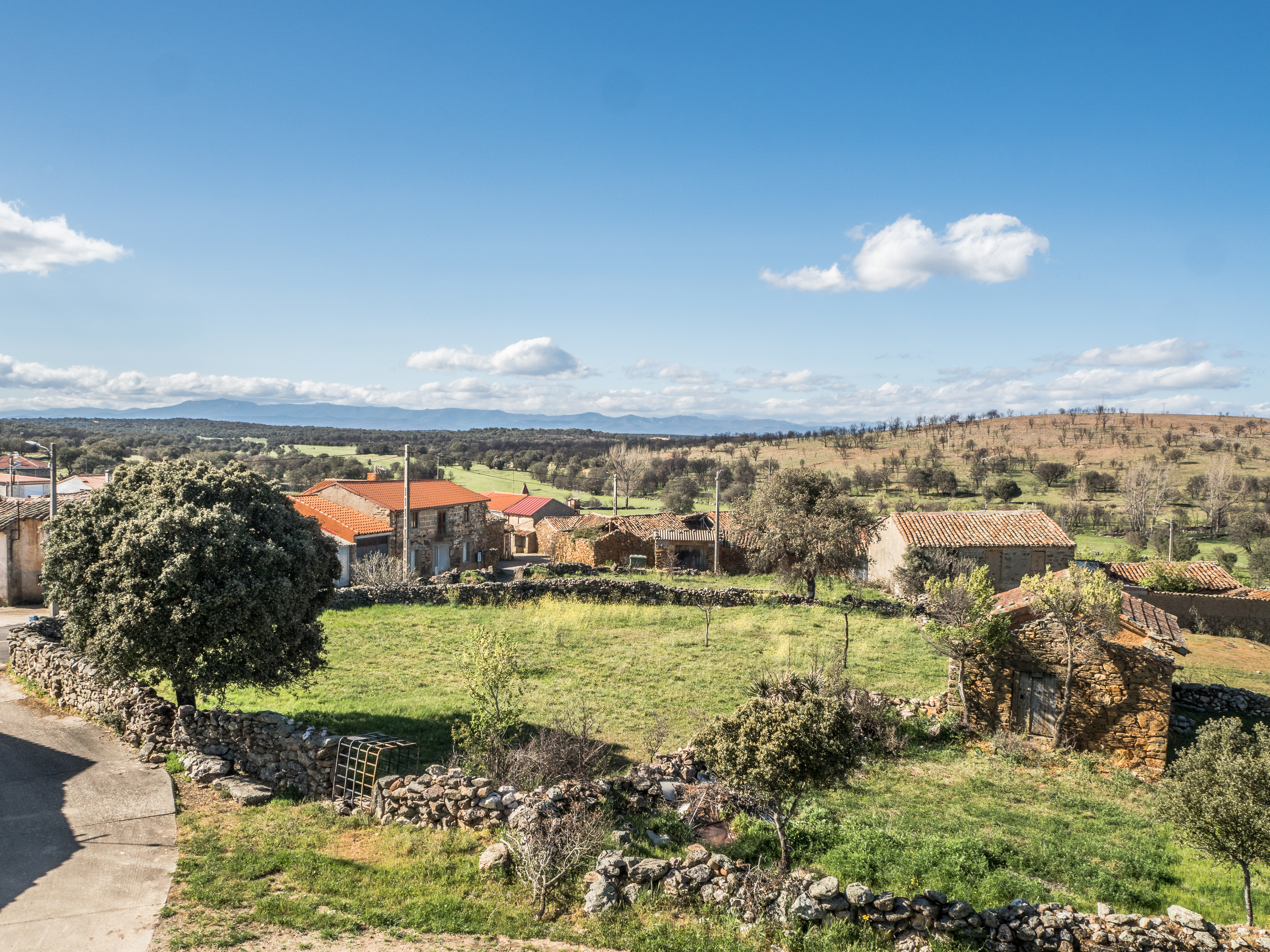
If you are not familiar with the term “España vaciada” (emptied Spain), Olleros de Tera – along with many other villager in Zamoran hinterland – will make the concept perfectly clear. Olleros is luckier than others because it is on the Camino, therefore there is an albergue and a bar. And not much more.


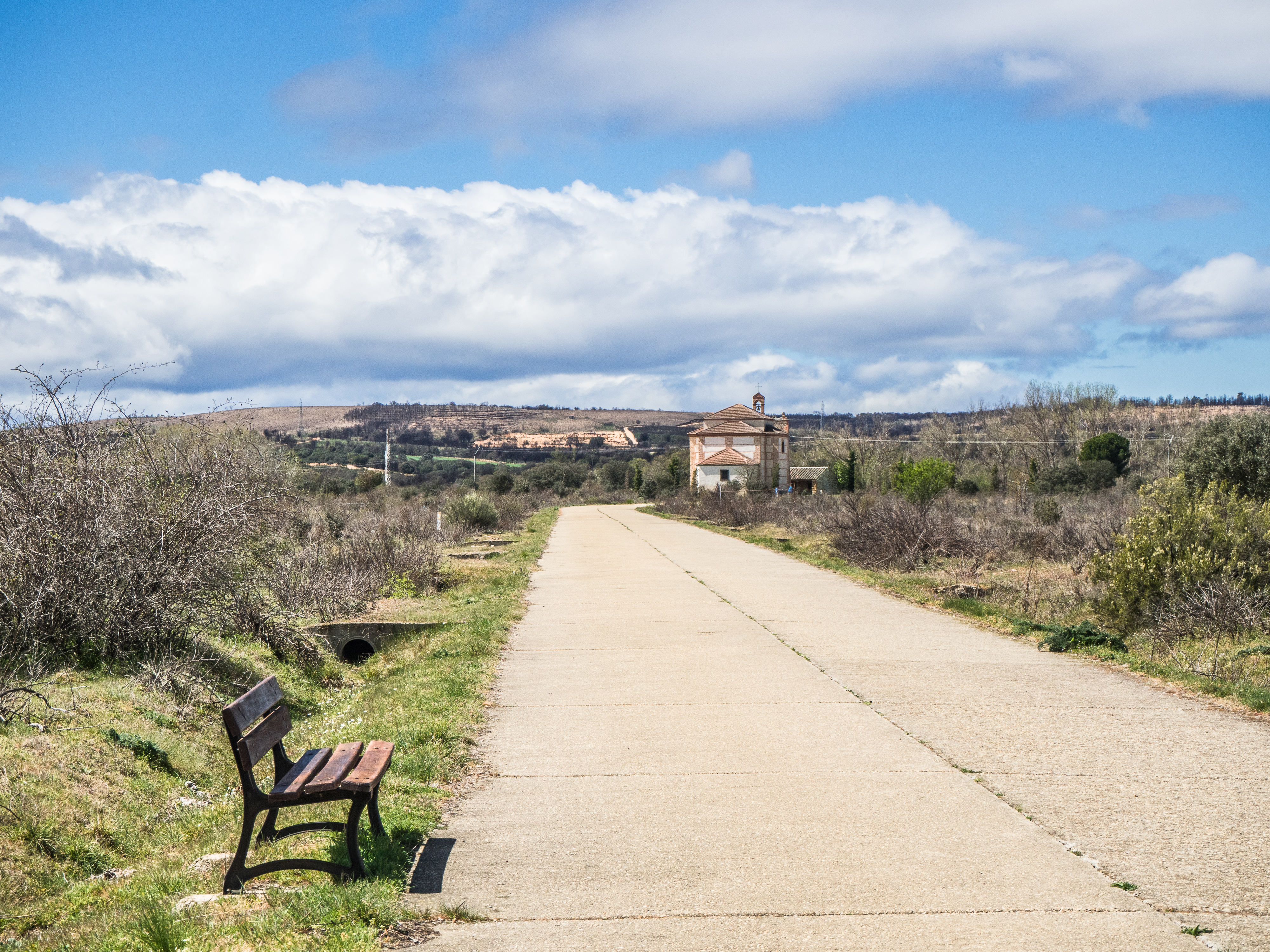


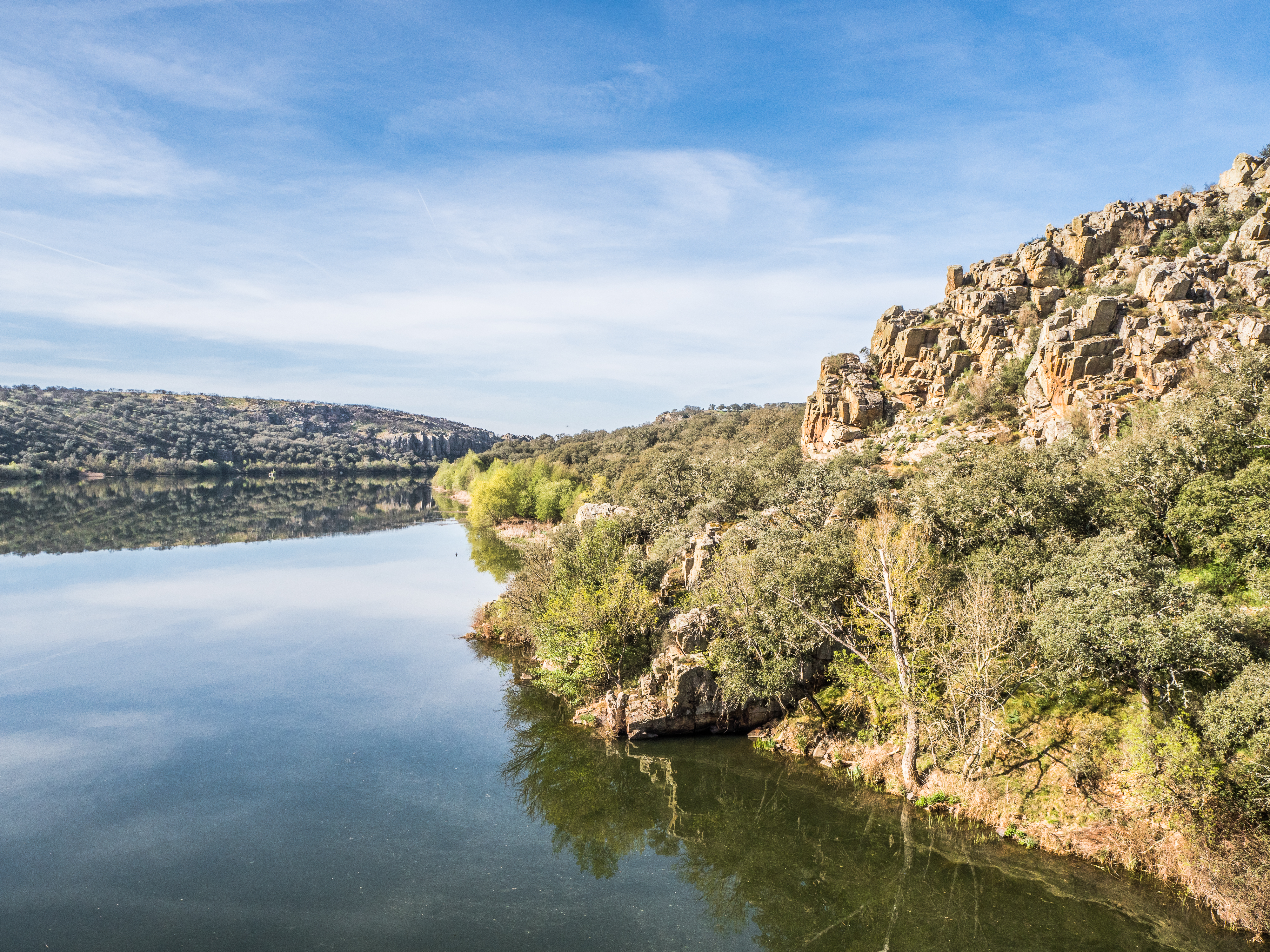
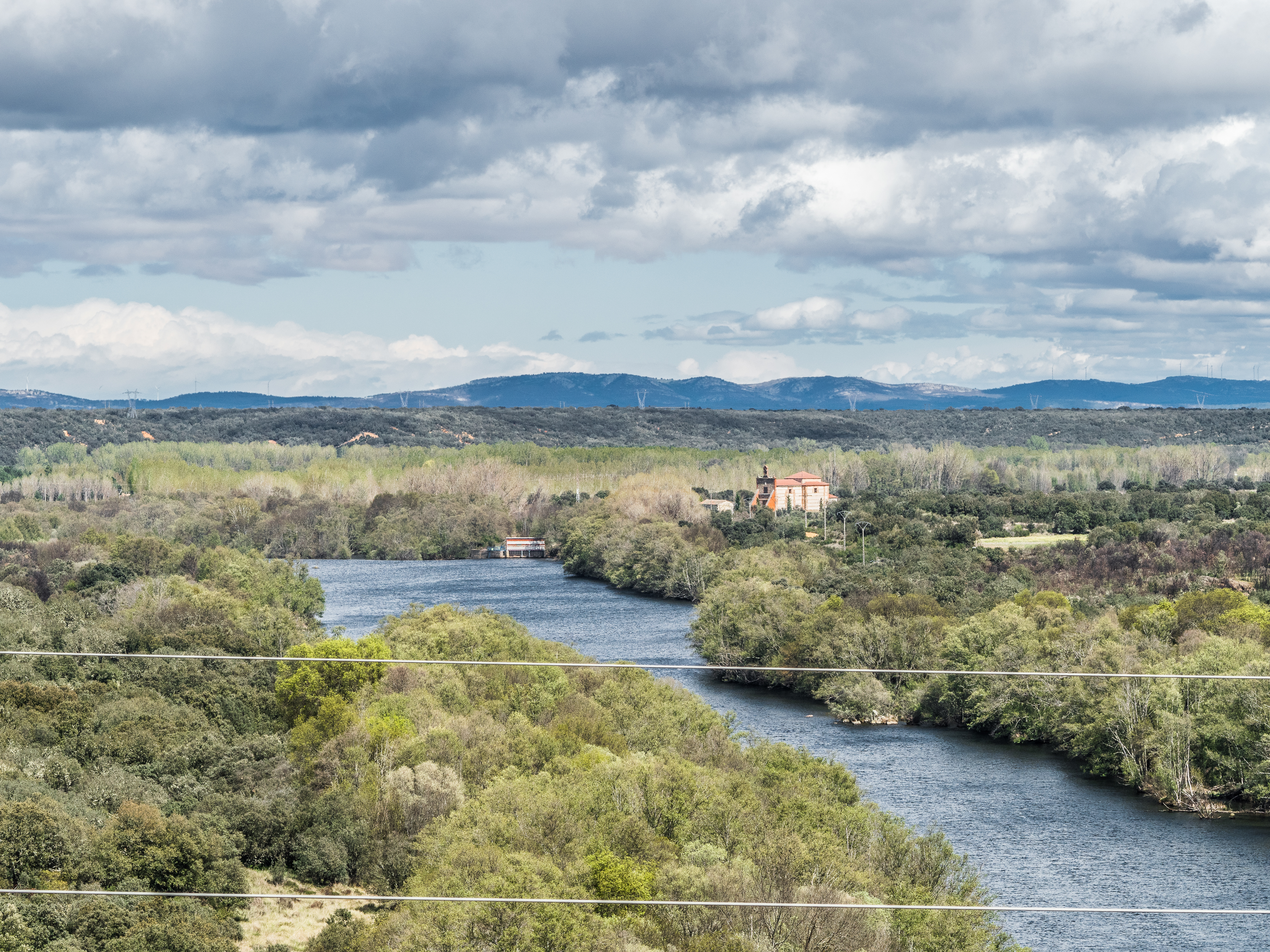
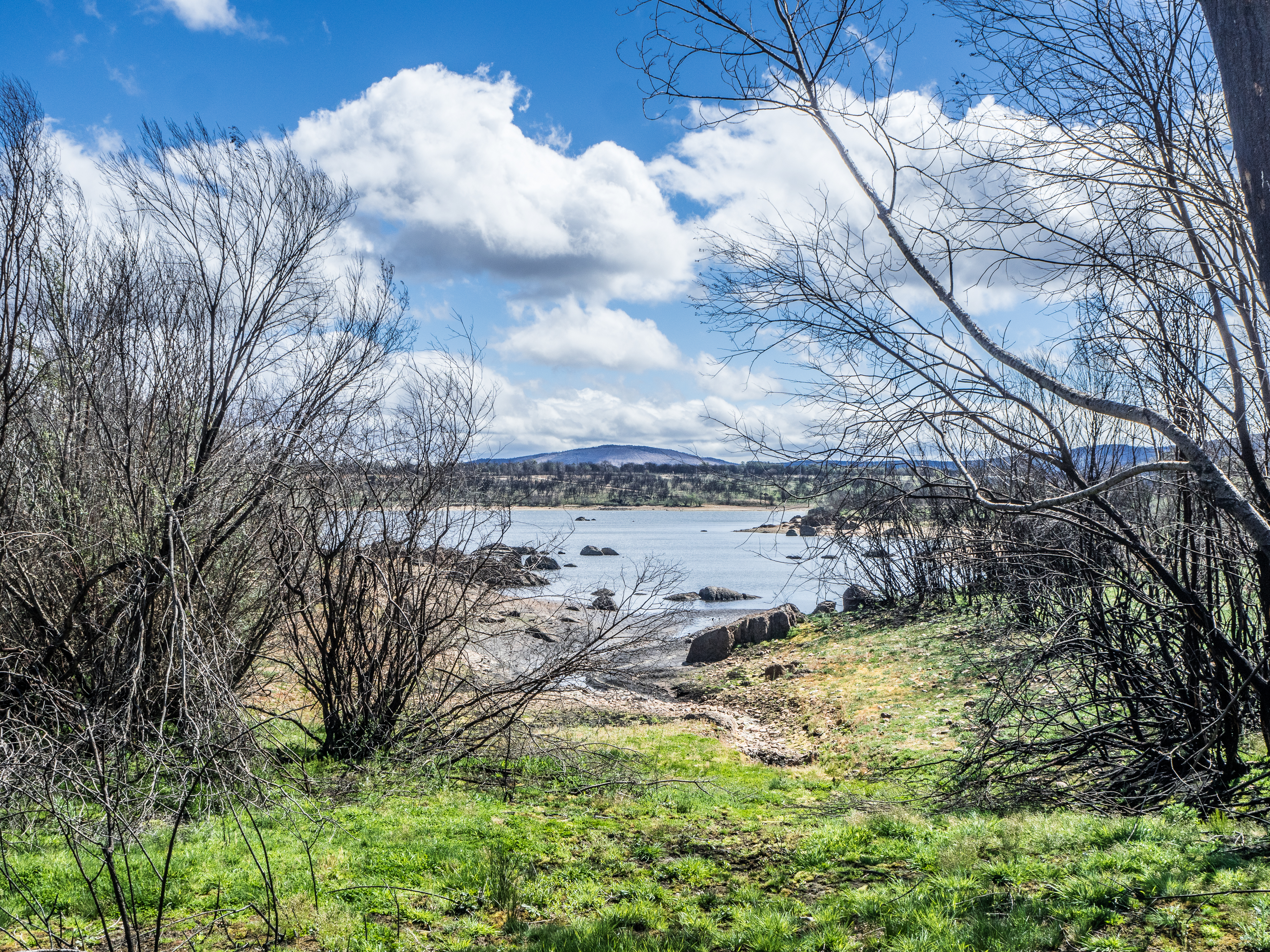
The path out of the village will lead you towards the church of Nuestra Señora de Agavanzal and the reservoir of the same name. This is probably the most spectacular part of this stage. You will cross over the dam and follow the coast of the reservoir, enjoy fantastic scenery and possibly even a dip on a fine day. Again, the remainder of the fires spoils the joy. I was told by the locals that the flames jumped across the 300 m wide lake as if it wasn’t even there.




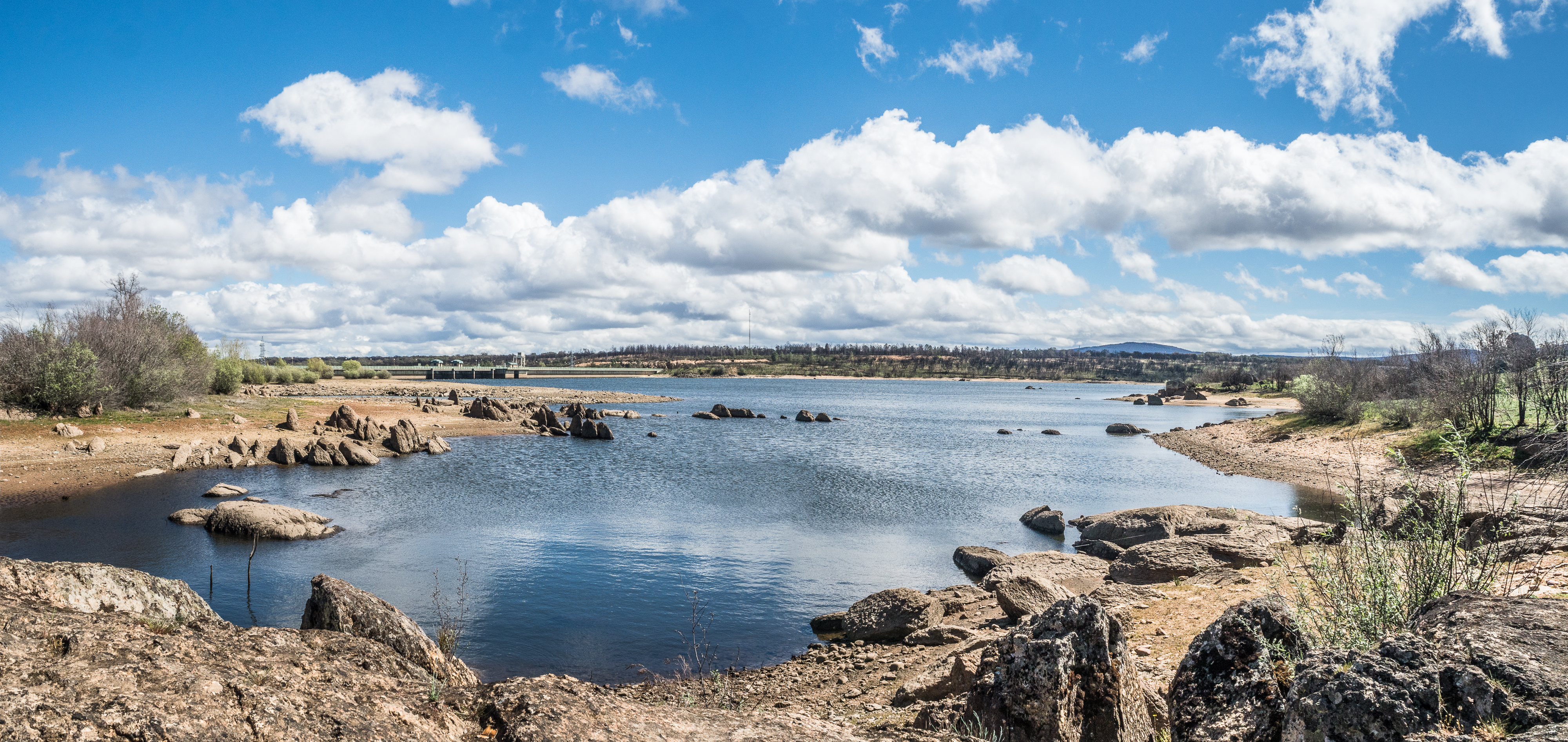
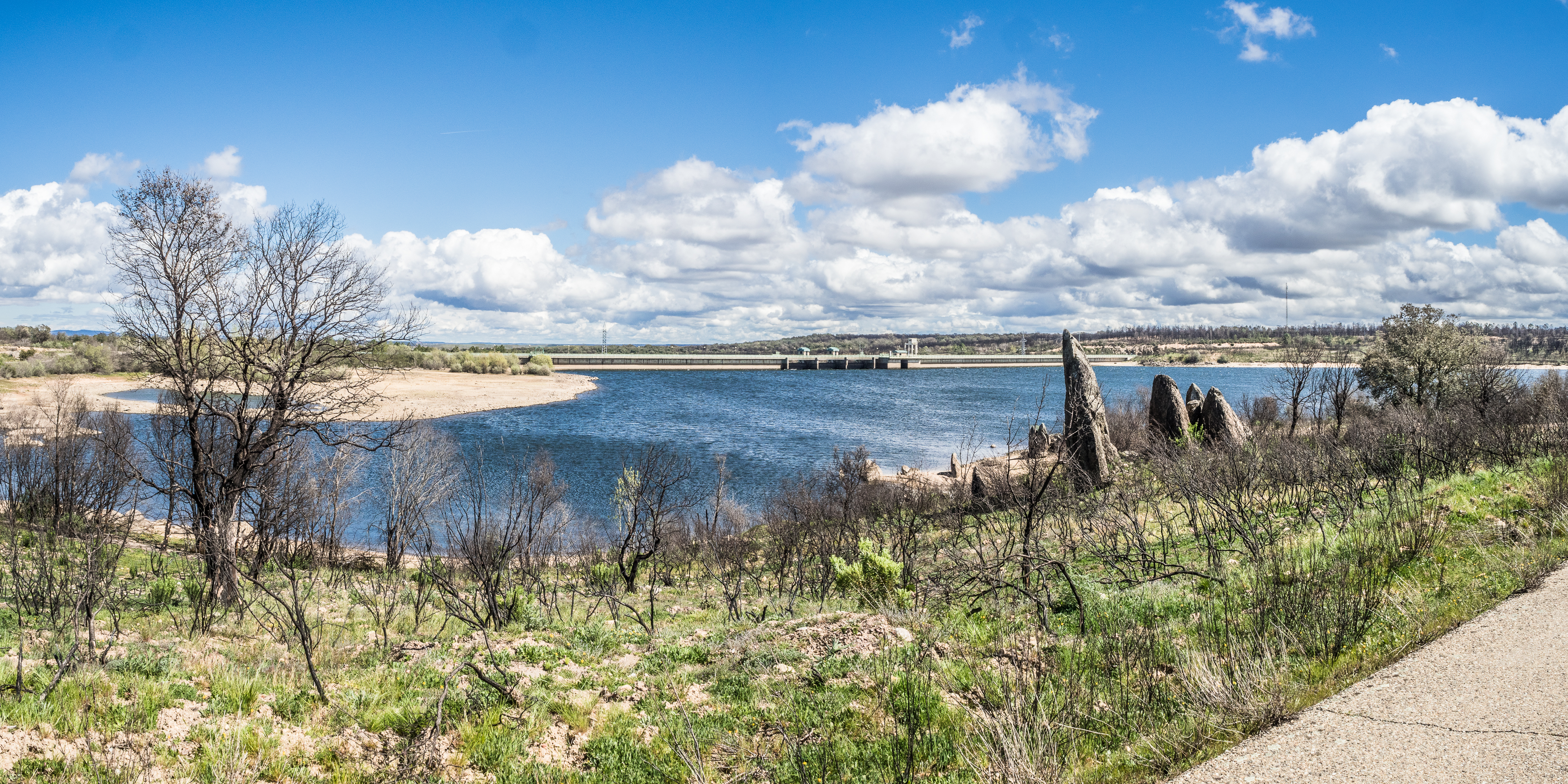
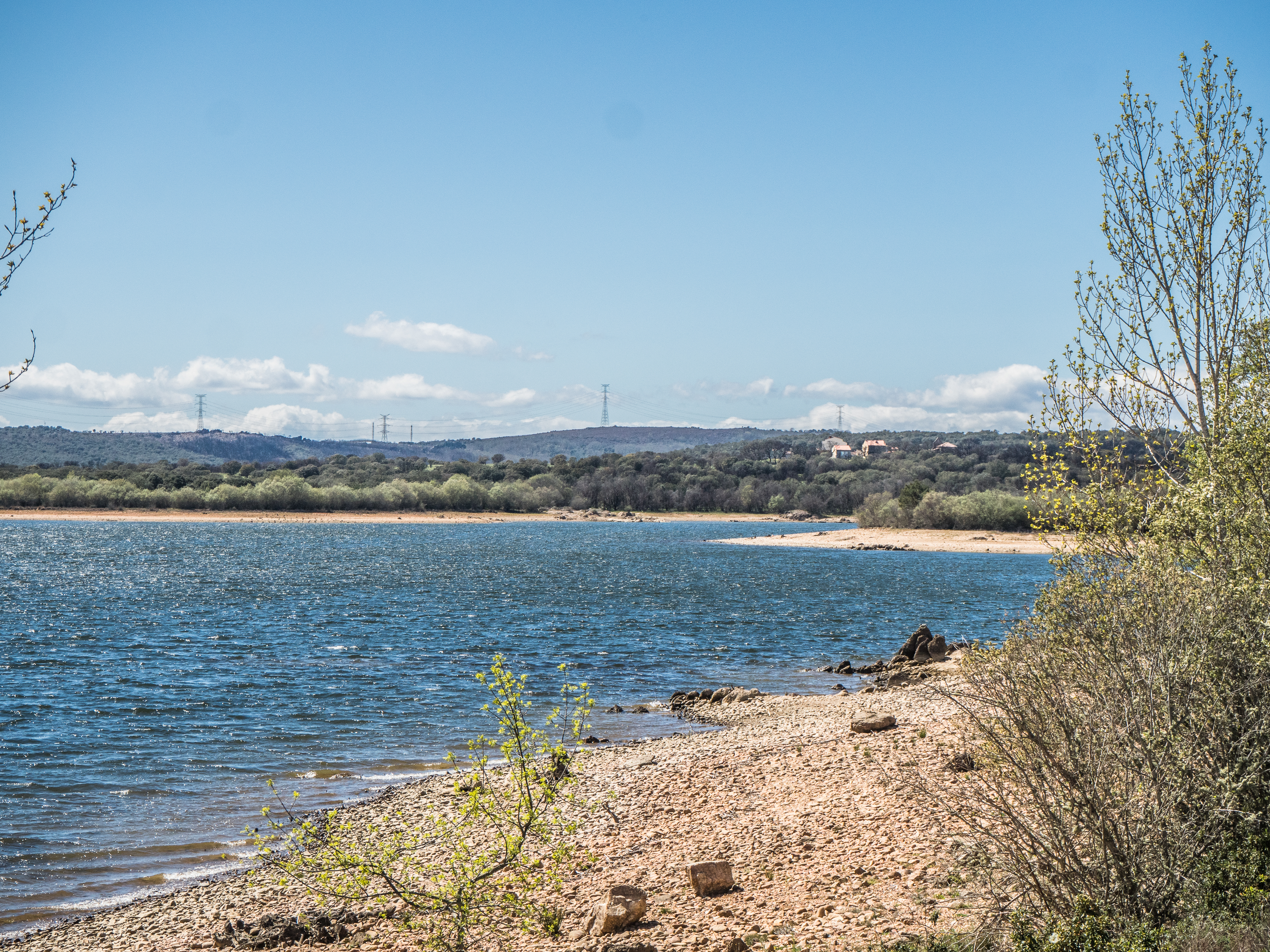
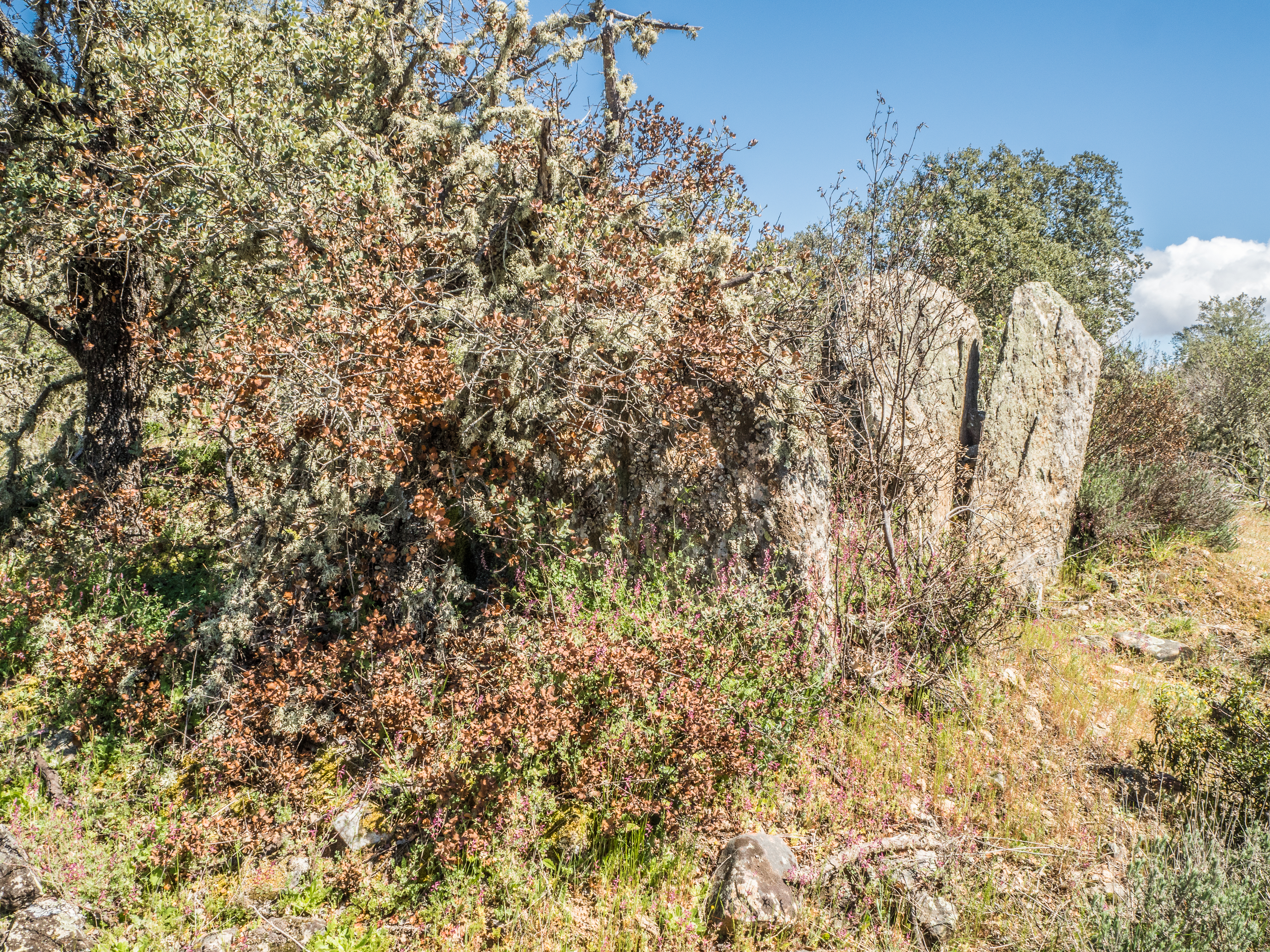
Villar del Farfón – if you can, spend the night. The village is beautiful and there is a spectacular albergue built from ruins and ran by Craig, but it only sleeps 5 people. You can reserve here and if you cannot get a reservation, at least stop for a coffee. The village has only two permanent inhabitants, but I think that excludes Craig’s wife Dorothea, so I’d rephrase that there are only two properties where people live all year round. If you wonder how a South African gentleman ends up in the middle of nowhere in rural Spain, do not worry, you will hear all about it. You will also get a dinner and a lecture in religion and Bible studies. But if you are averse to people being religious, maybe you should not be walking the Camino (even if your reasons – like mine – are not spiritual) in the first place.






Thank you for reading. Final part will be out soon.
 Kacenka on the road