Following the brief introduction into the western world’s ultimate pilgrimage during Easter weekend ’22, this spring I rejoined the journey where I abandoned it last year. I am not a very good pilgrim: for starters I am not walking the entire camino in one piece, lack of holiday being the major reason. I also cannot be bothered to do 40 km stages, or sleep in pilgrim albergues every night. It’s not that I am picky, those of you who have been with this blog since the beginning know that I travelled through some really weird places and am able to sleep basically anywhere, but that does not mean it is my preferred way of travelling. I also love to bivouac in the mountains, so it’s not about being comfortable. There is a huge difference between spending the night alone under the stars and waking up to birdsong, and being kept awake by 12 different tonalities of snoring and smelling 12 different pairs of hiking boots (30 nights in a row or more).
So while I still enjoy walking long distances, I want to savour the possibility to really experience the most profound Spain. I will walk shorter distances (about 25 – 28 km is my limit of comfort), stay in rural hotels if available, and sample local food and wine. I am not on a budget (and there is nothing wrong with being on a budget, I am jsut thankful this is not my case). I also do not want to miss interesting local sights, just because I feel like I must rush out in the morning to get a bed in the next albergue. After all, I’m on holiday, not on a journey of penitence.
The plan for this year’s camino was Salamanca – Puebla de Sanabria. I will not get into lenghtly descriptions, unless there is something really interesting to point out. I used this website to plan everything and it is gold for getting all the information you need about sleeping arrangements, restaurants and landmarks.
Photos from the first part: Salamanca – Zamora – Montamarta
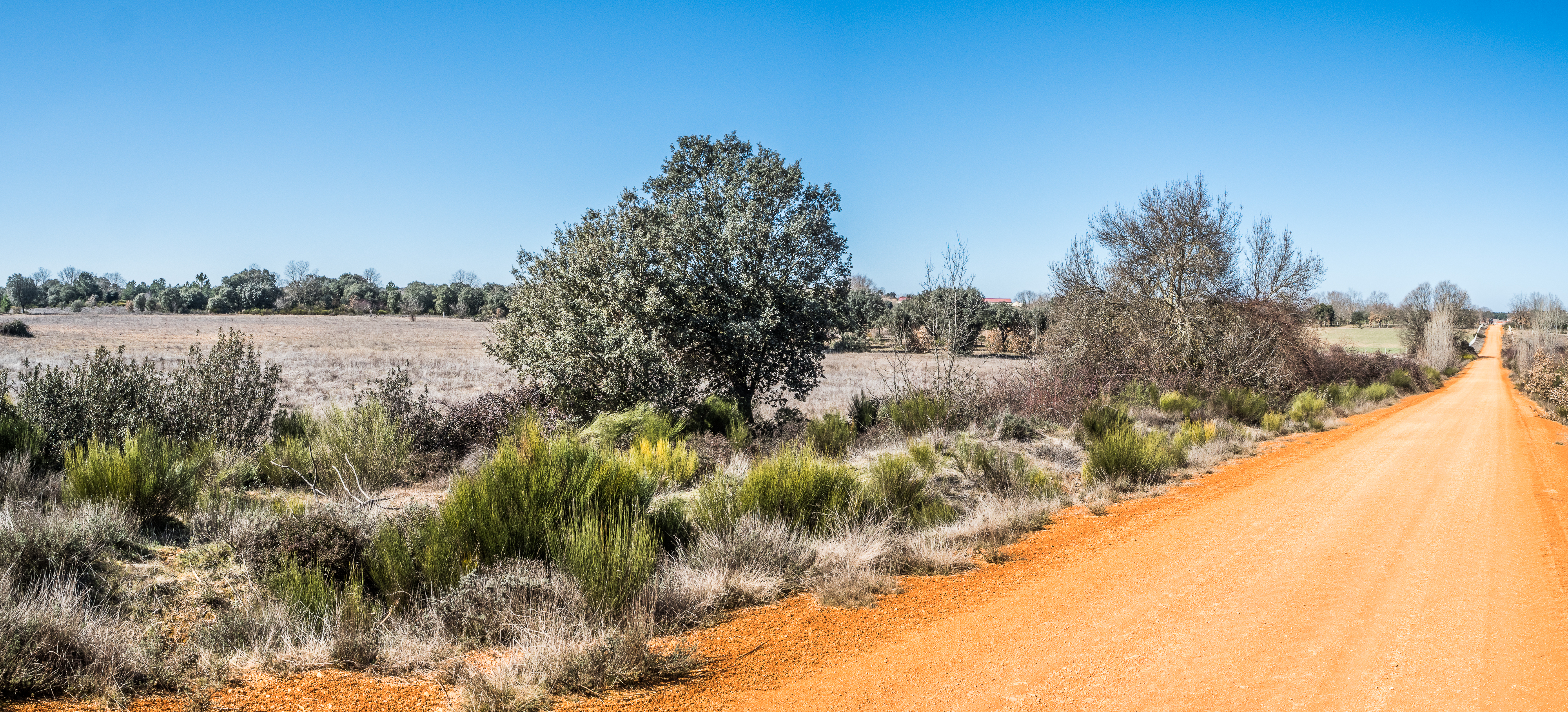
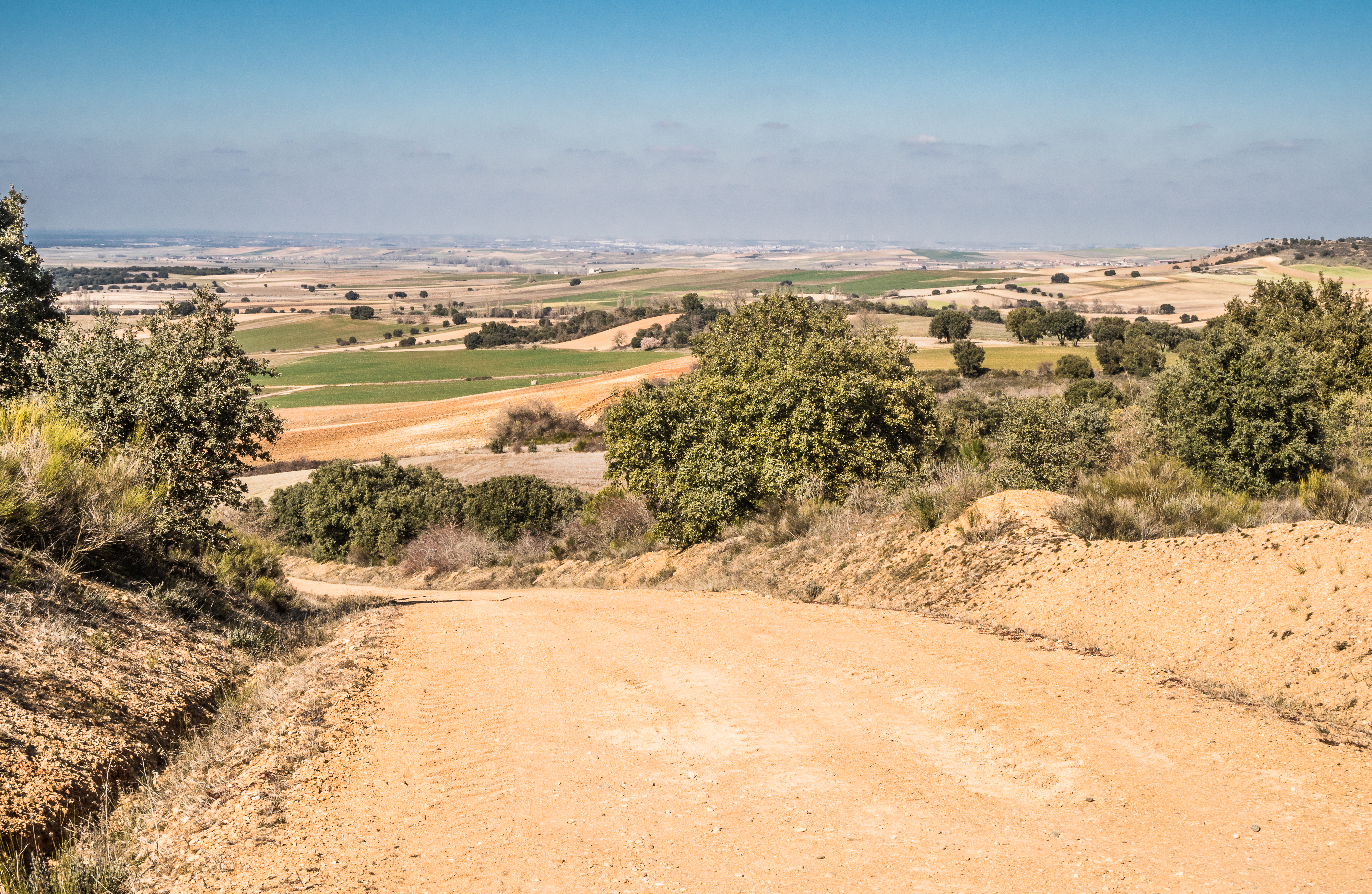
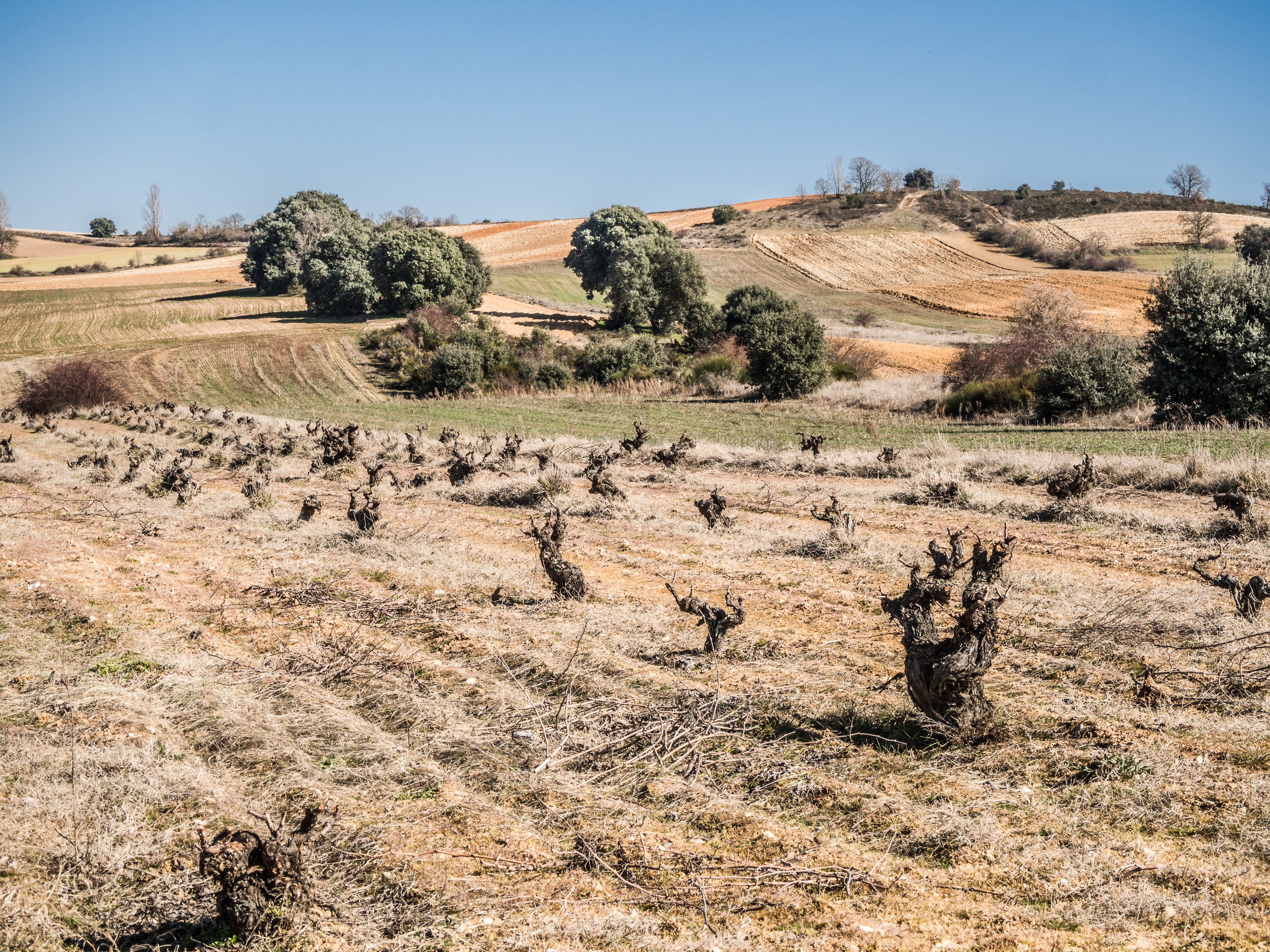
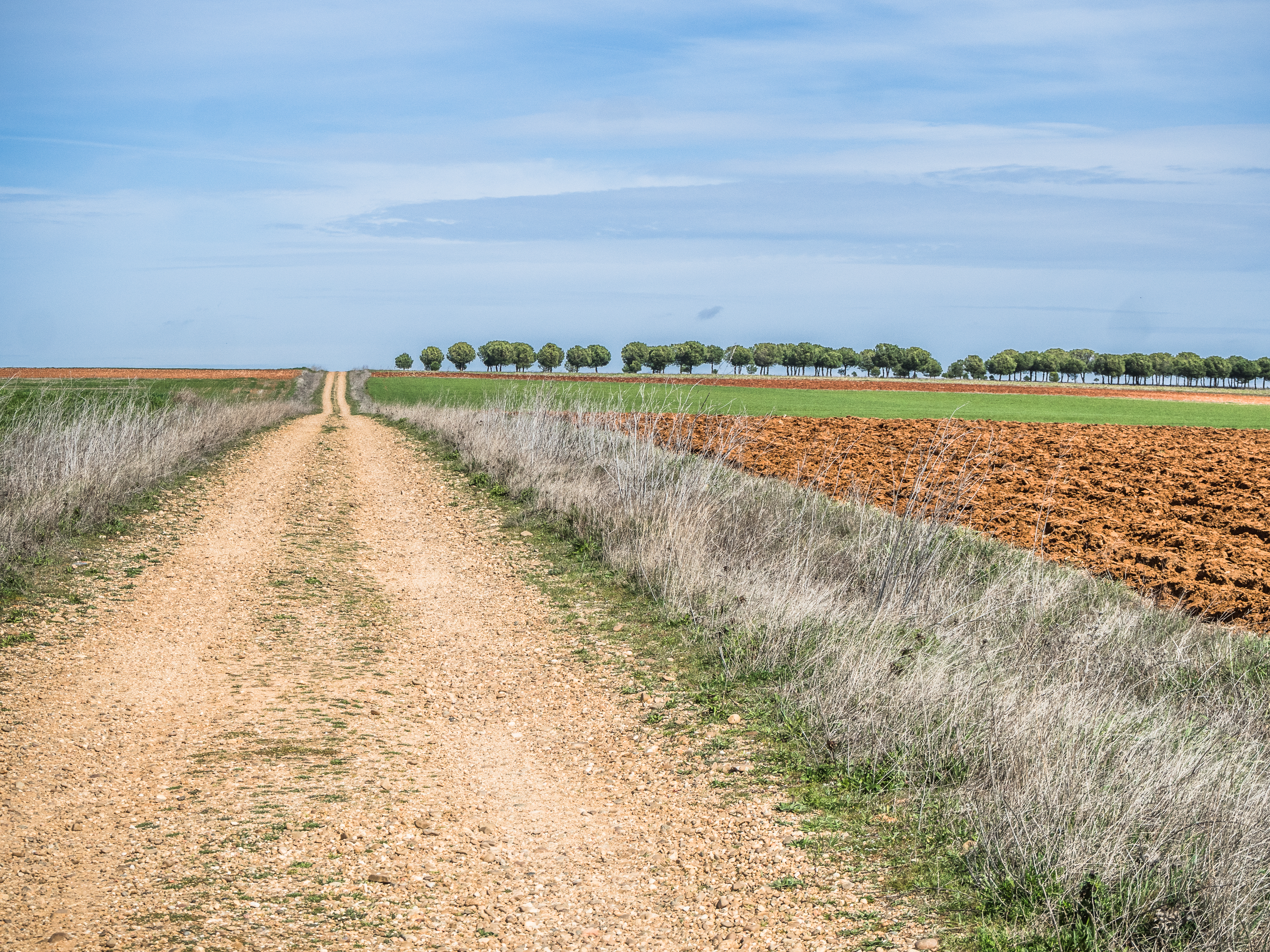
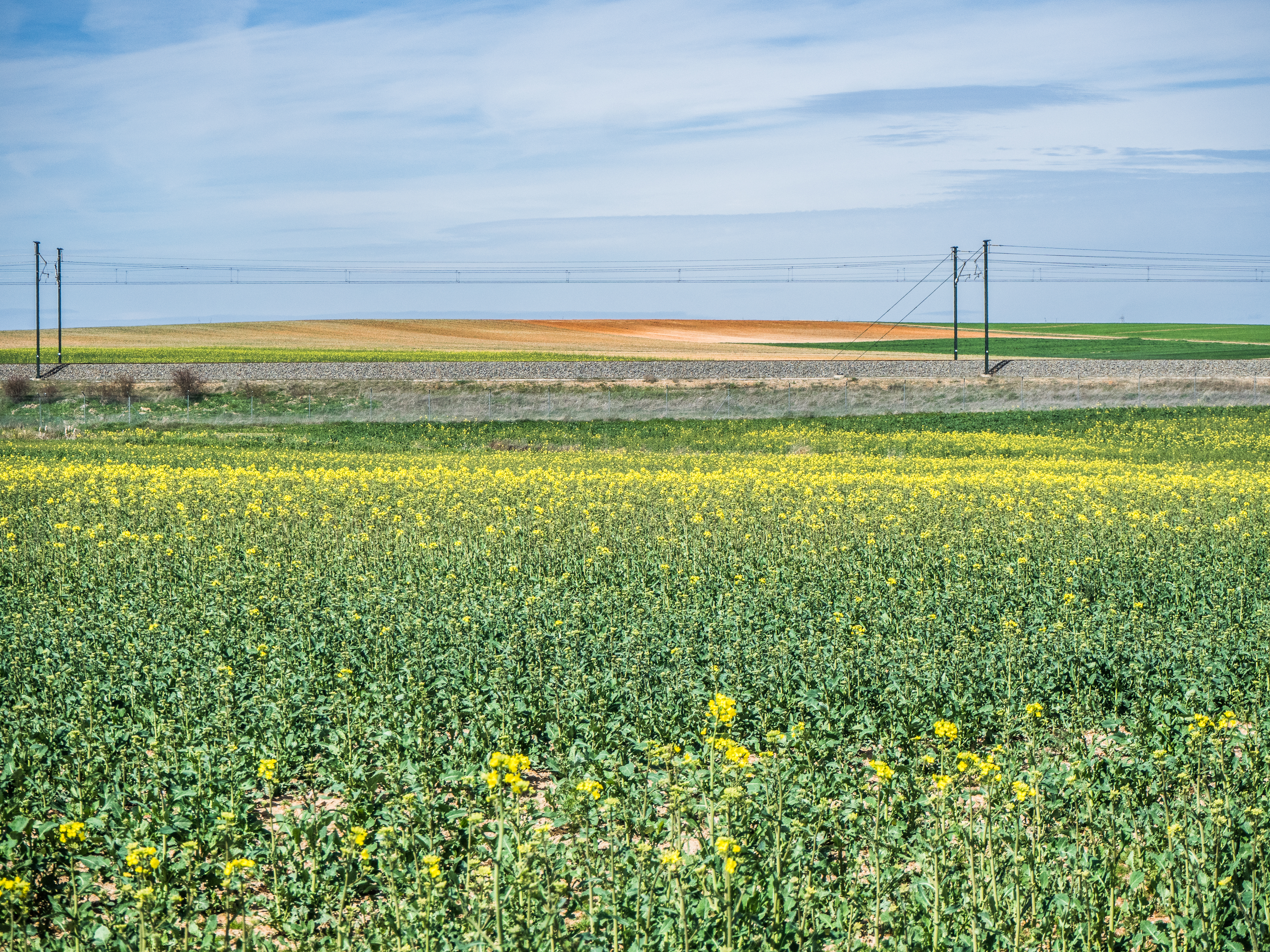
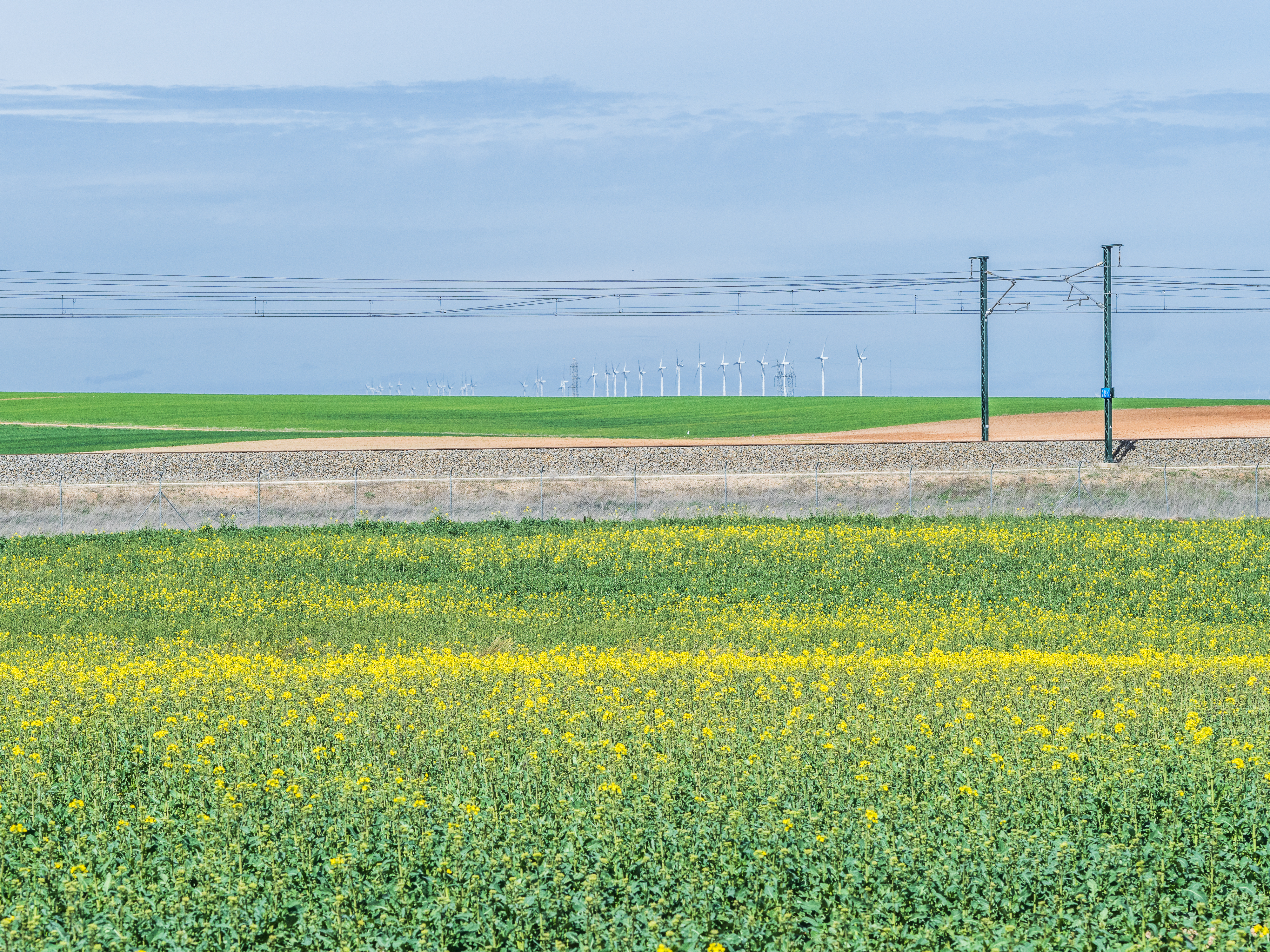
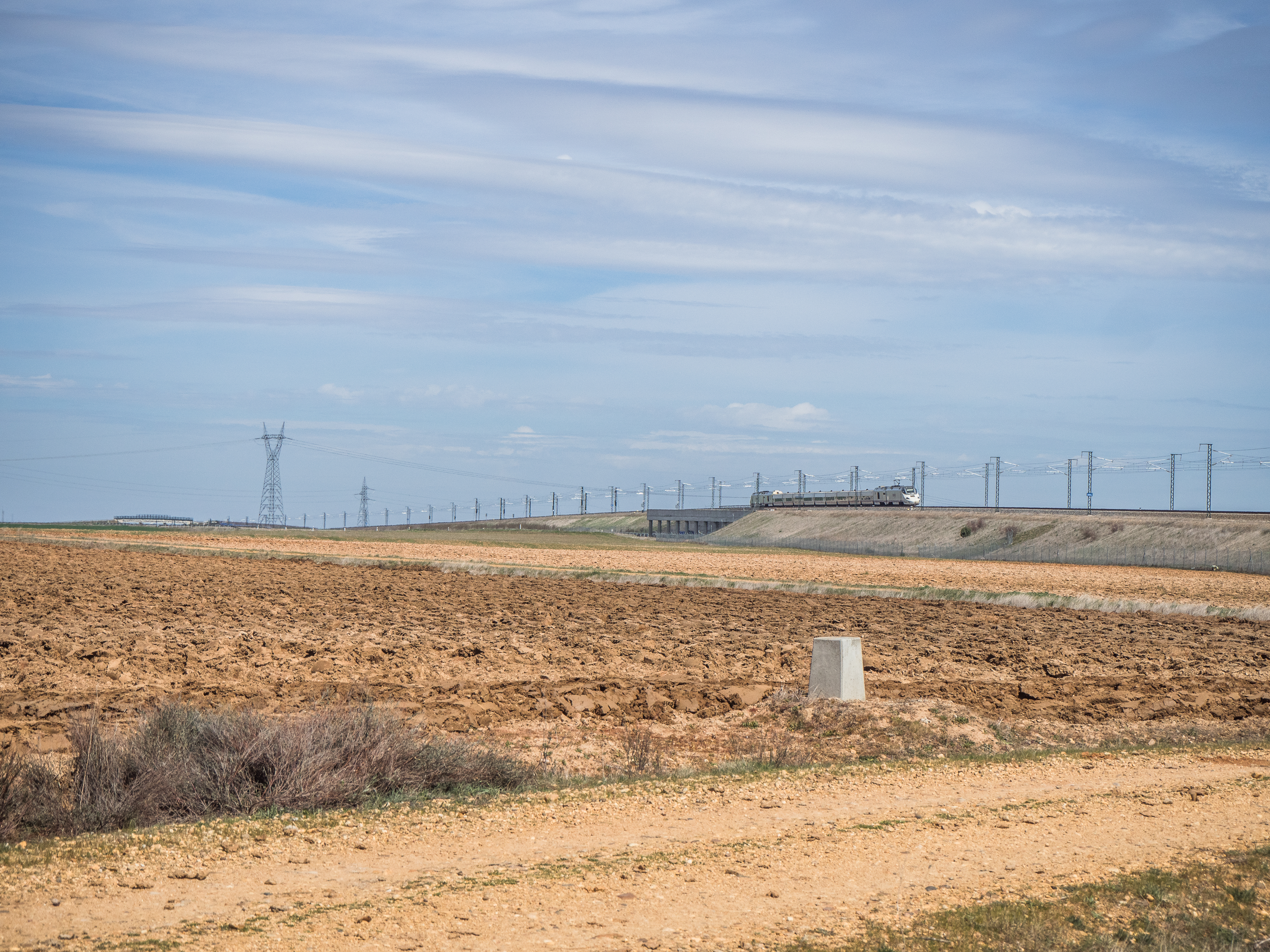
Tierra del Vino – the stretch of Via de la Plata between Salamanca and Zamora is not the nicest part of the Camino. The scenery is flat and boring for as far as you can see and it follows the highway and the high-speed train railroad, so the only distraction is offered by the occasional passing AVE. I deviated from the marked camino further “inland” precisely for this reason: it added about 10 km to the day, but I walked through a beautiful cork oak forest, may have accidentally entered a few private properties, but thankfully we’re not in the Land of the Free where people start shooting before asking questions, just because you happen to trespass in the middle of nowhere. Approaching Zamora you’ll walk among ancient (pre-phylloxera) wineyards. Tierra del Vino is now a denomination of origin and produces some very interesting wines, for when you are tired of the usual riojas and riberas and want to try something new.







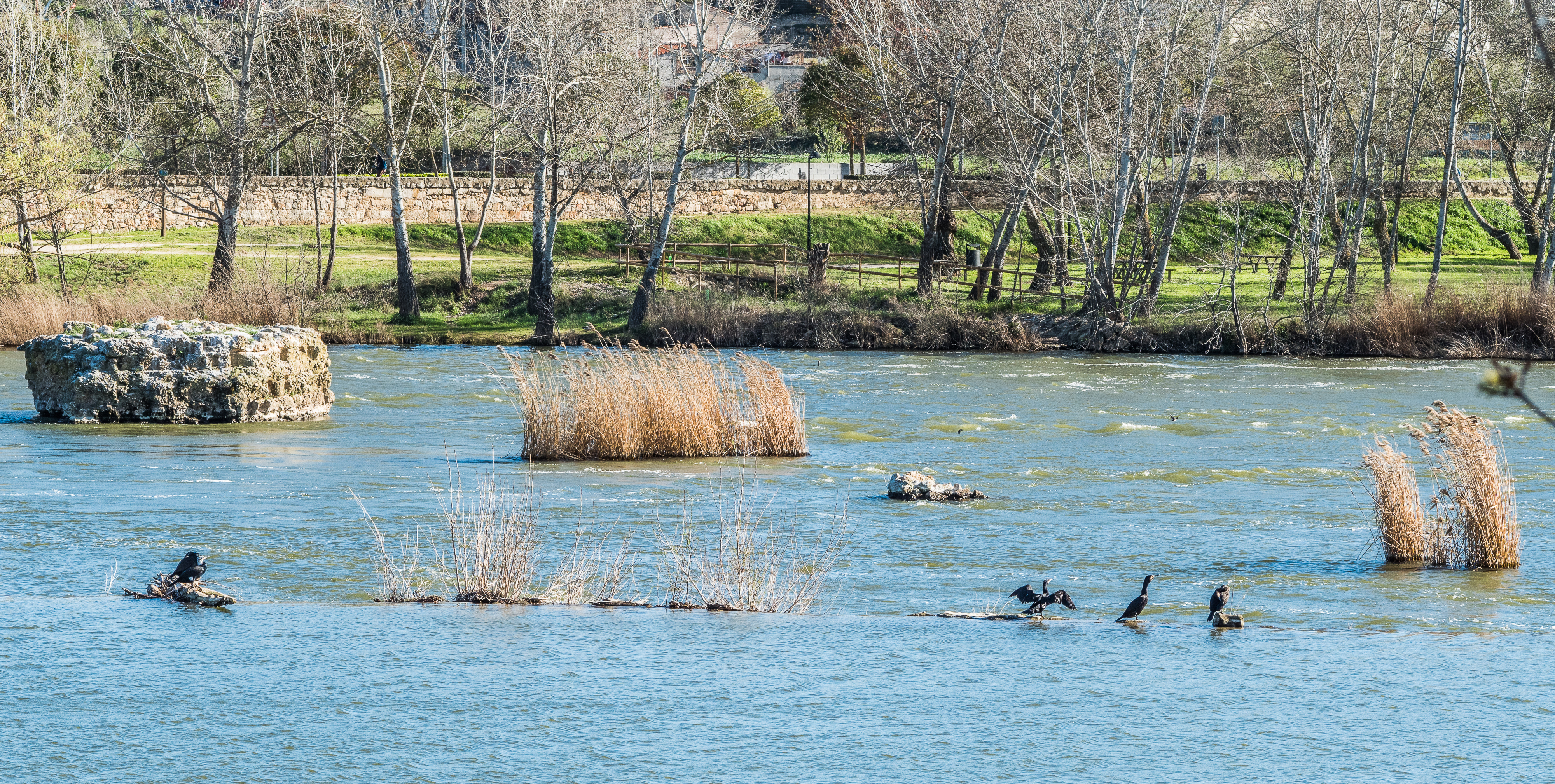
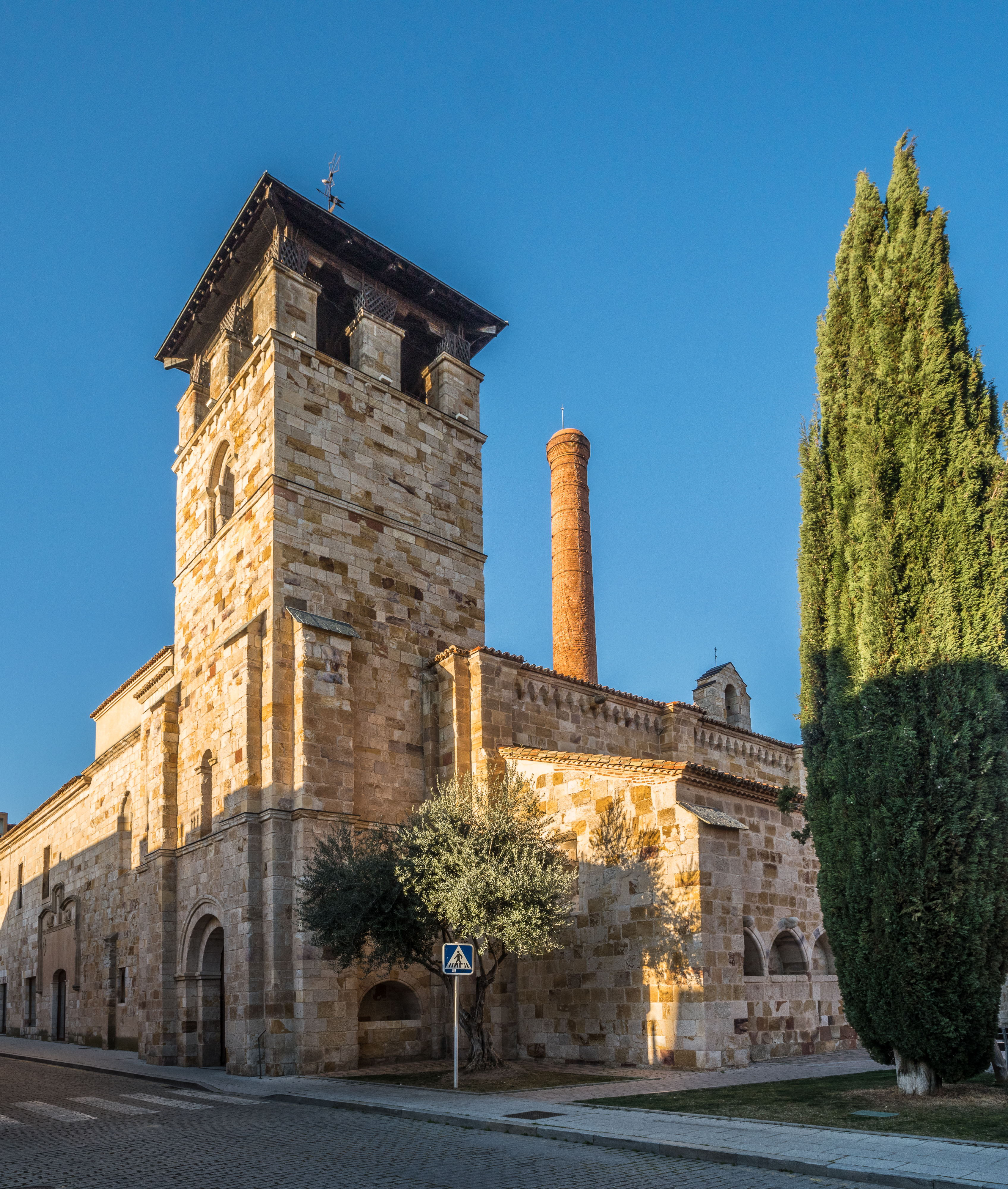
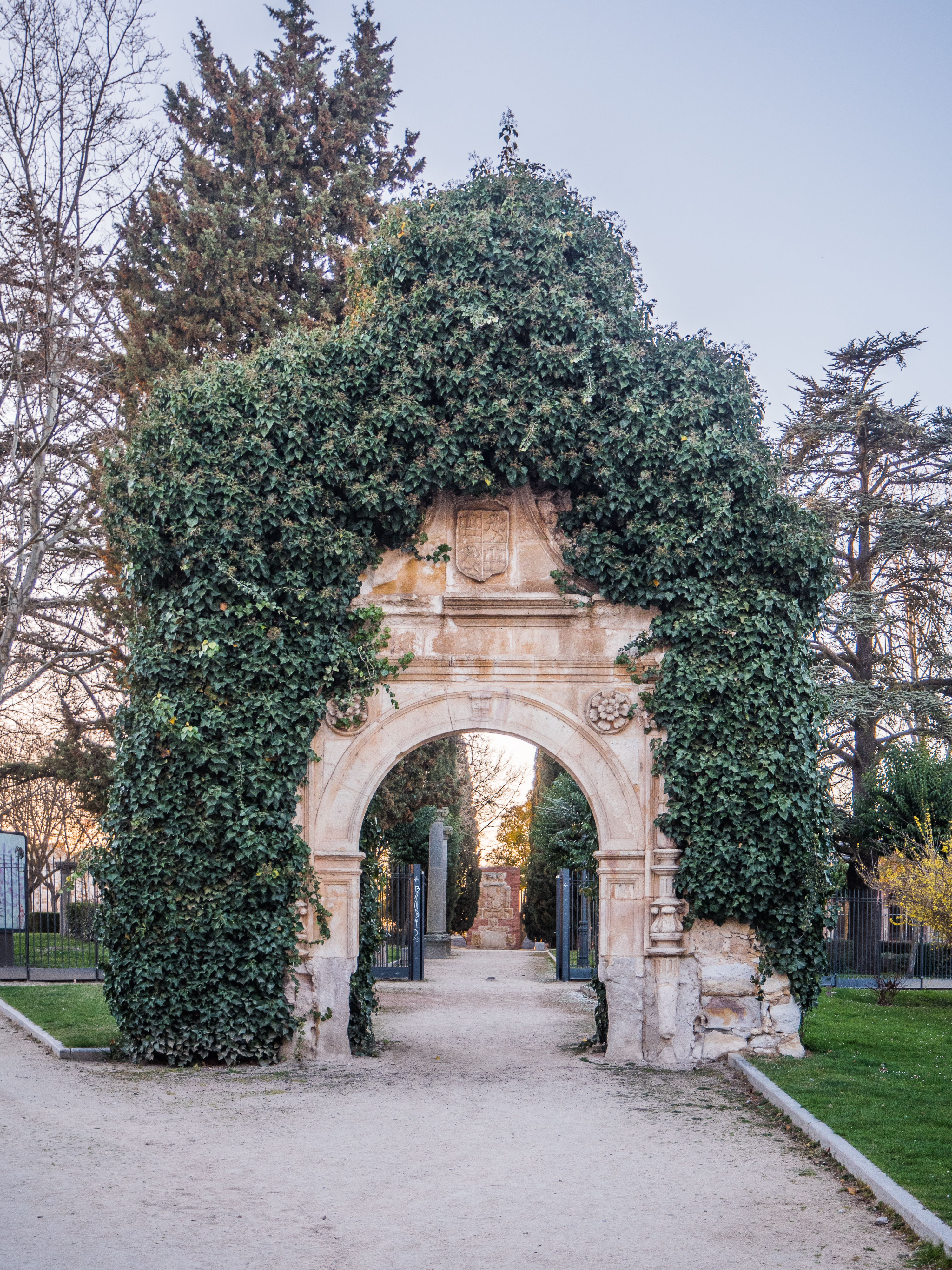
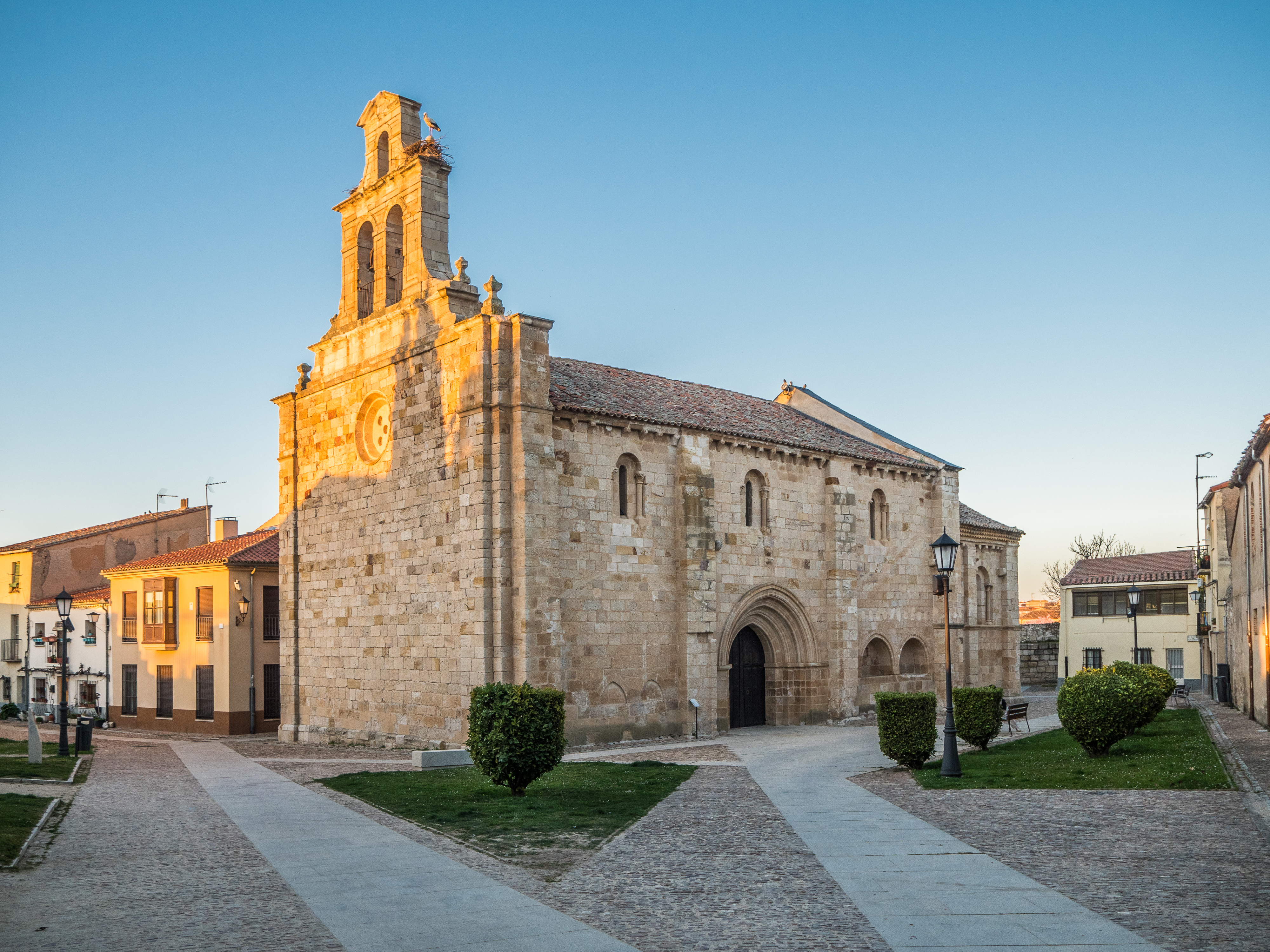
Zamora – a beautiful medieval town on the cliffs above river Duero. There are 14 romanesque churches, a cathedral a castle and a couple of palaces in the same style in the historical centre, which makes Zamora the city with the highest concentration of romanesque architecture in Europe. Within Spain, Zamora (apart form Sevilla) is famous for Easter week procession. If this is your idea of a weekend of passion (bad joke, sorry), Good Friday to Easter Sunday is the best time to visit, but be sure to book well ahead.

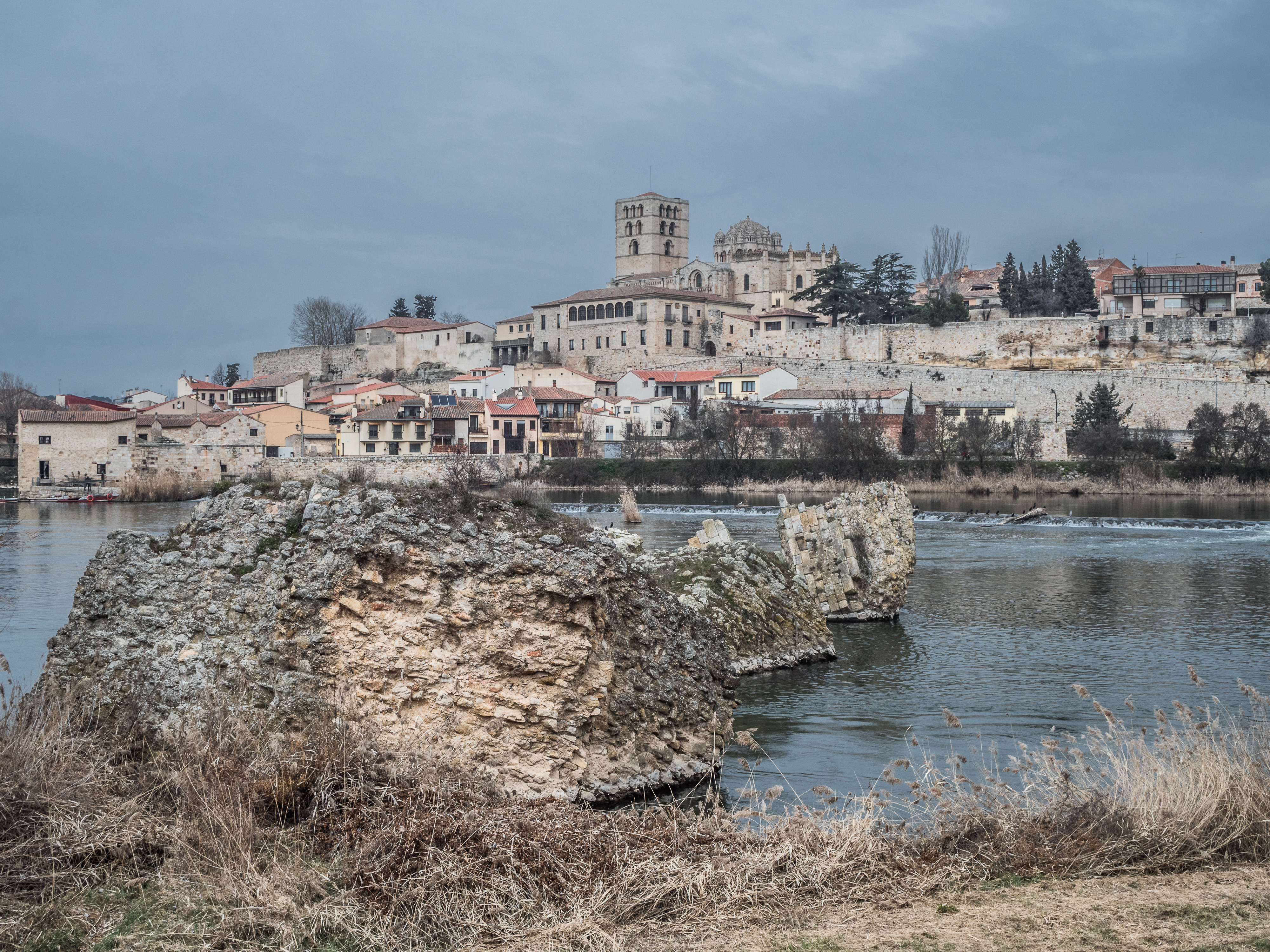

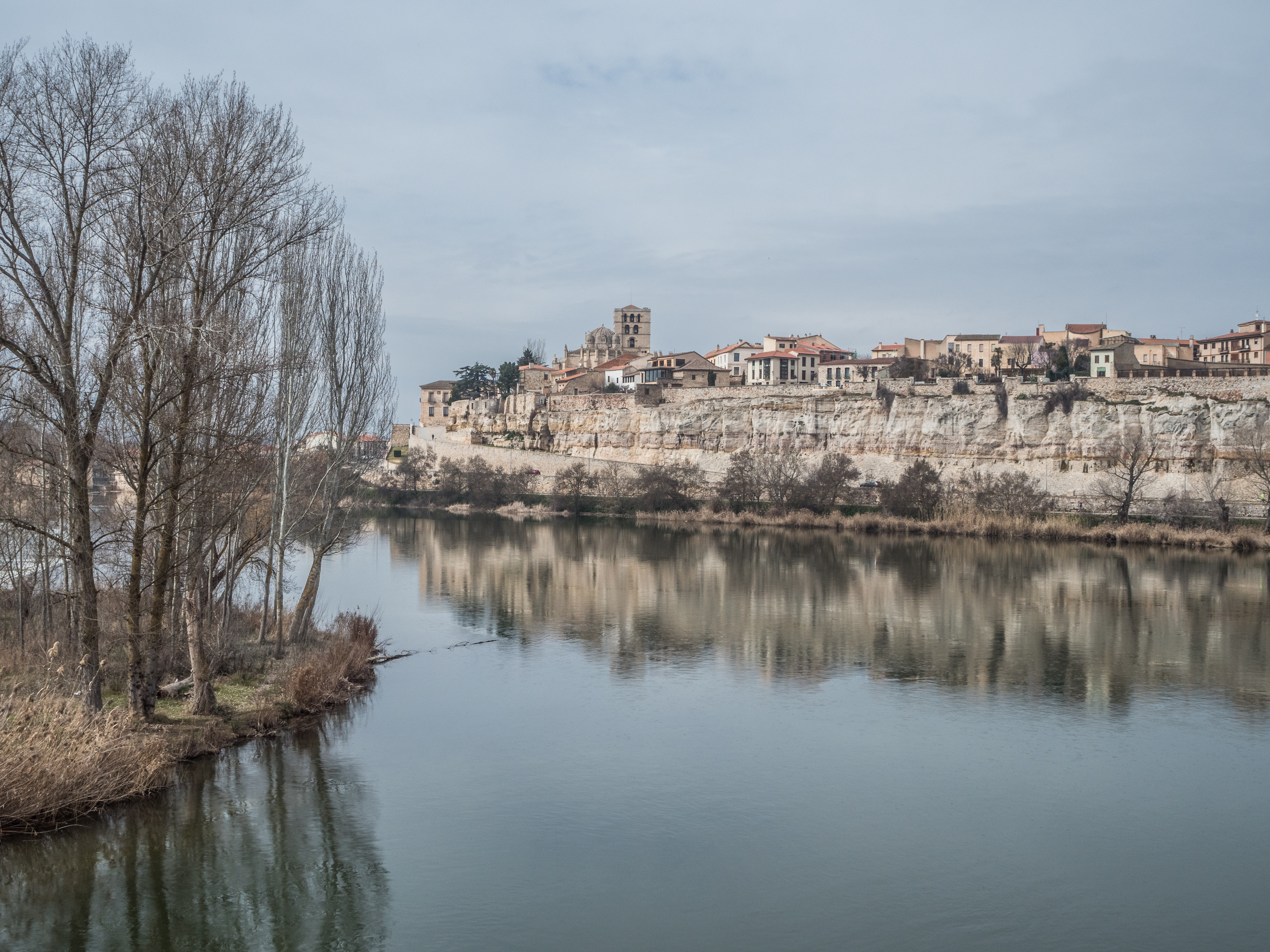


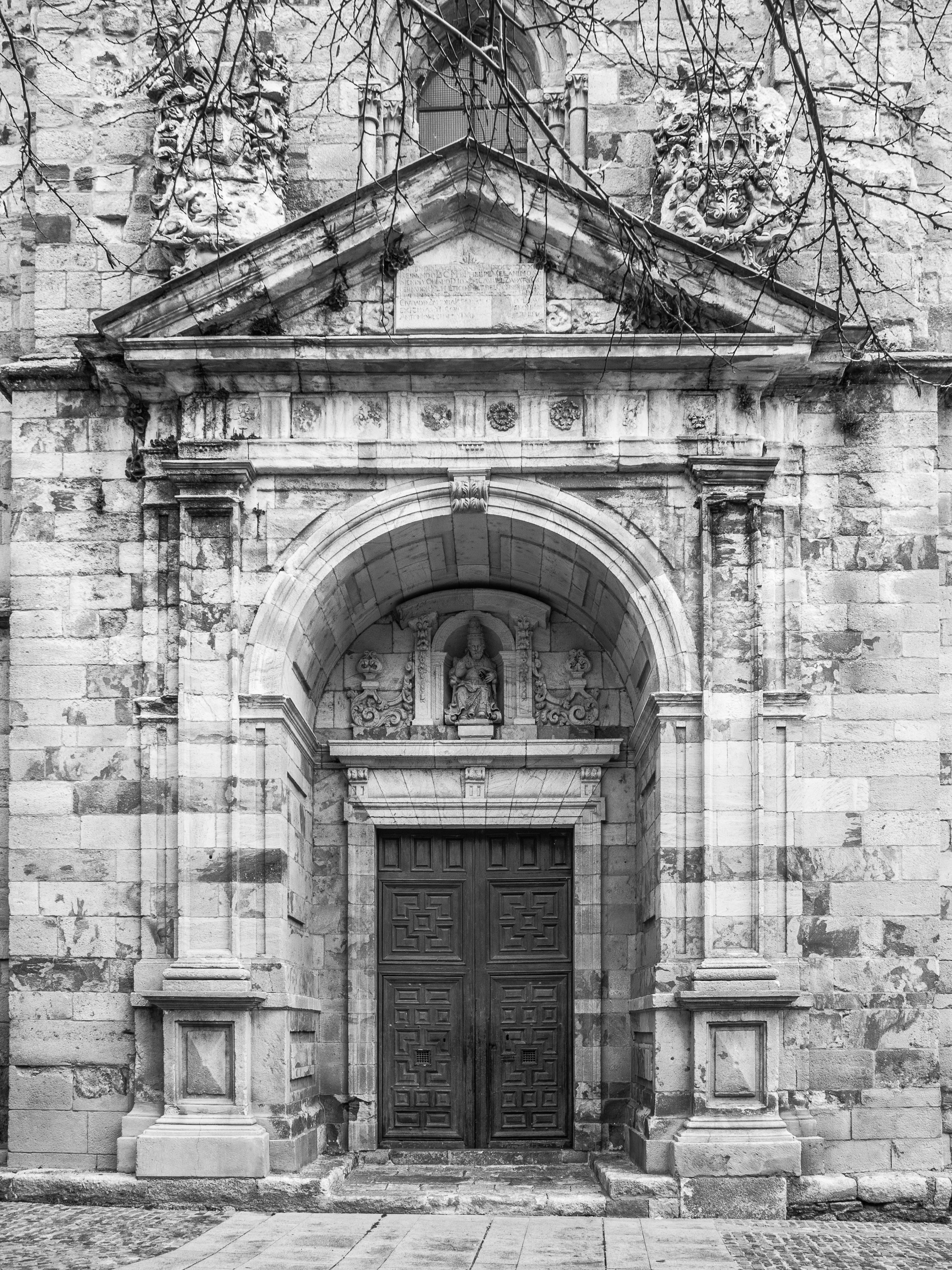


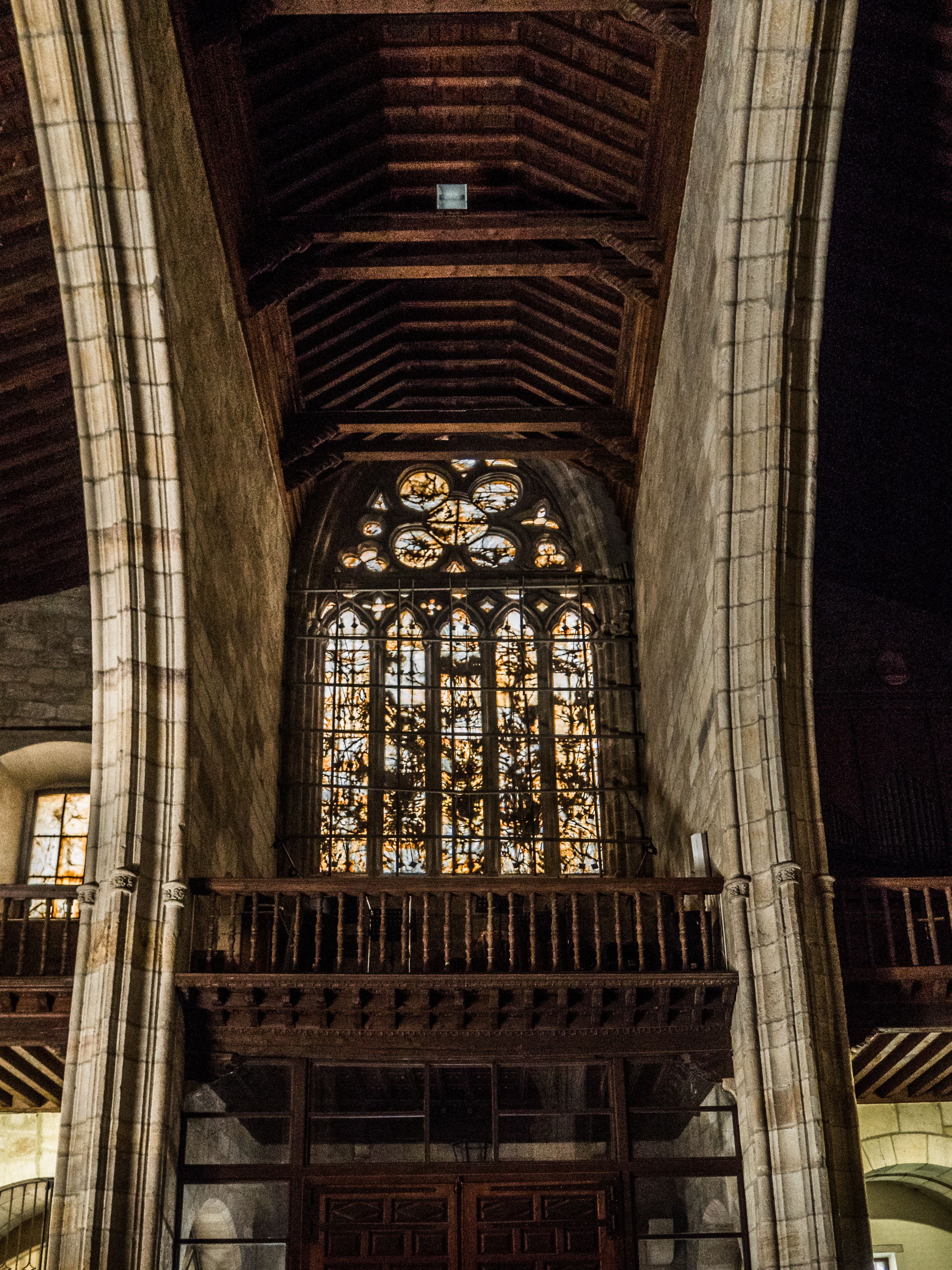
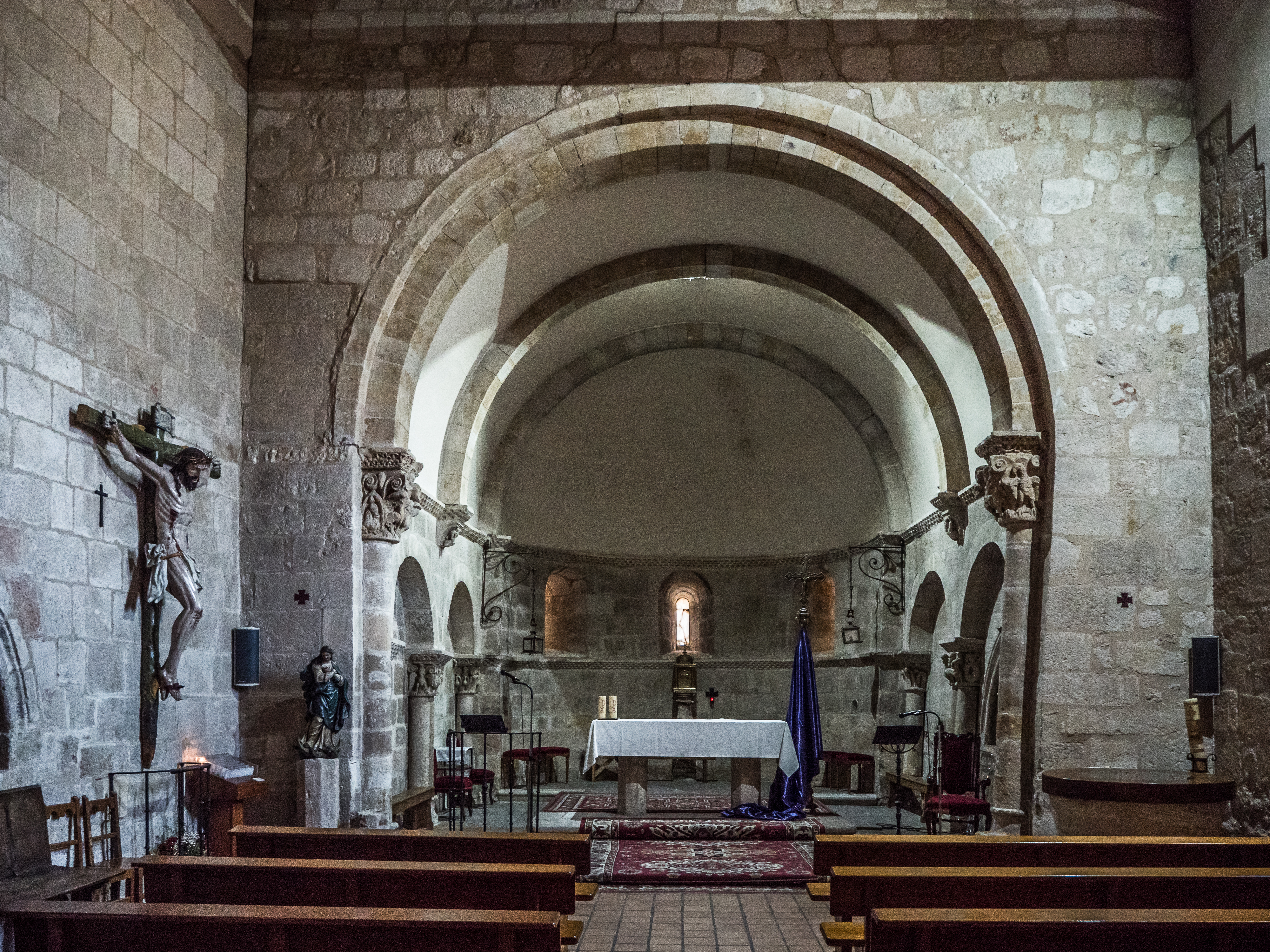
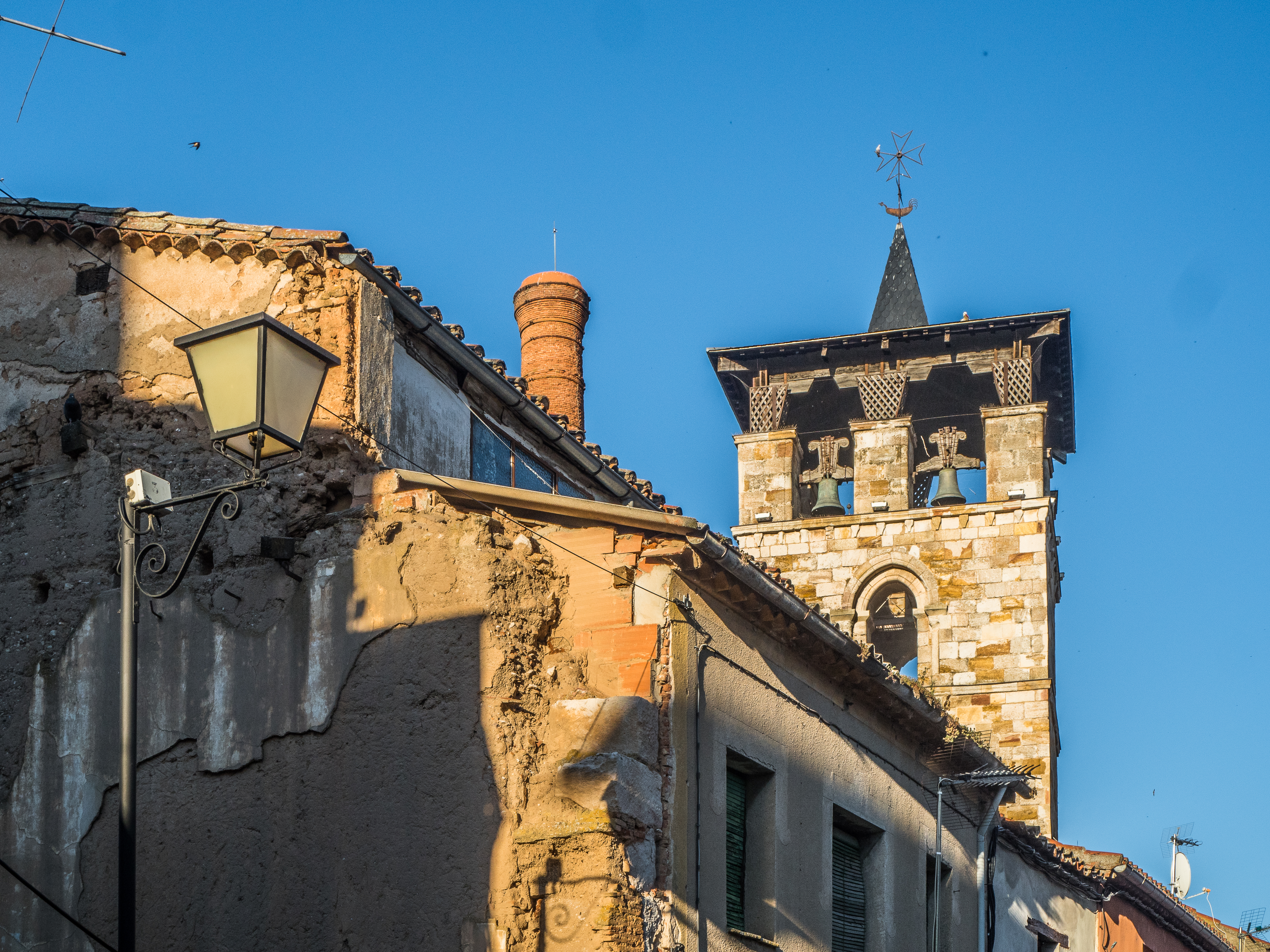
Zamora: cathedral and other churches built in local zamoran romanesque style. These days, you can get to Zamora in one hour sharp form Madrid on the fast train, which makes it a perfect weekend (or even day) destination. If you are just passing by here on the way to Santiago, consider spending an extra night and explore the city’s beautiful landmarks.


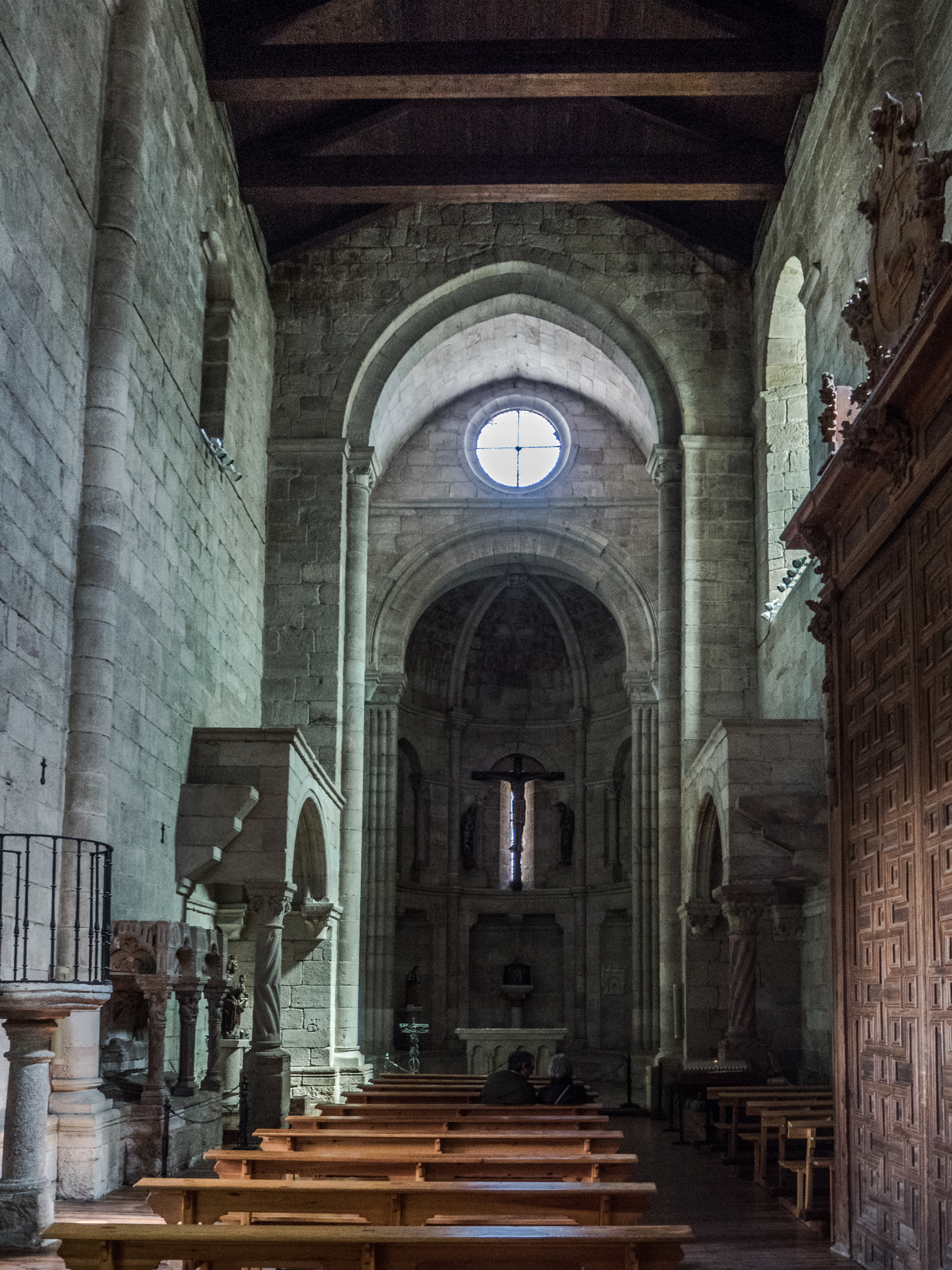
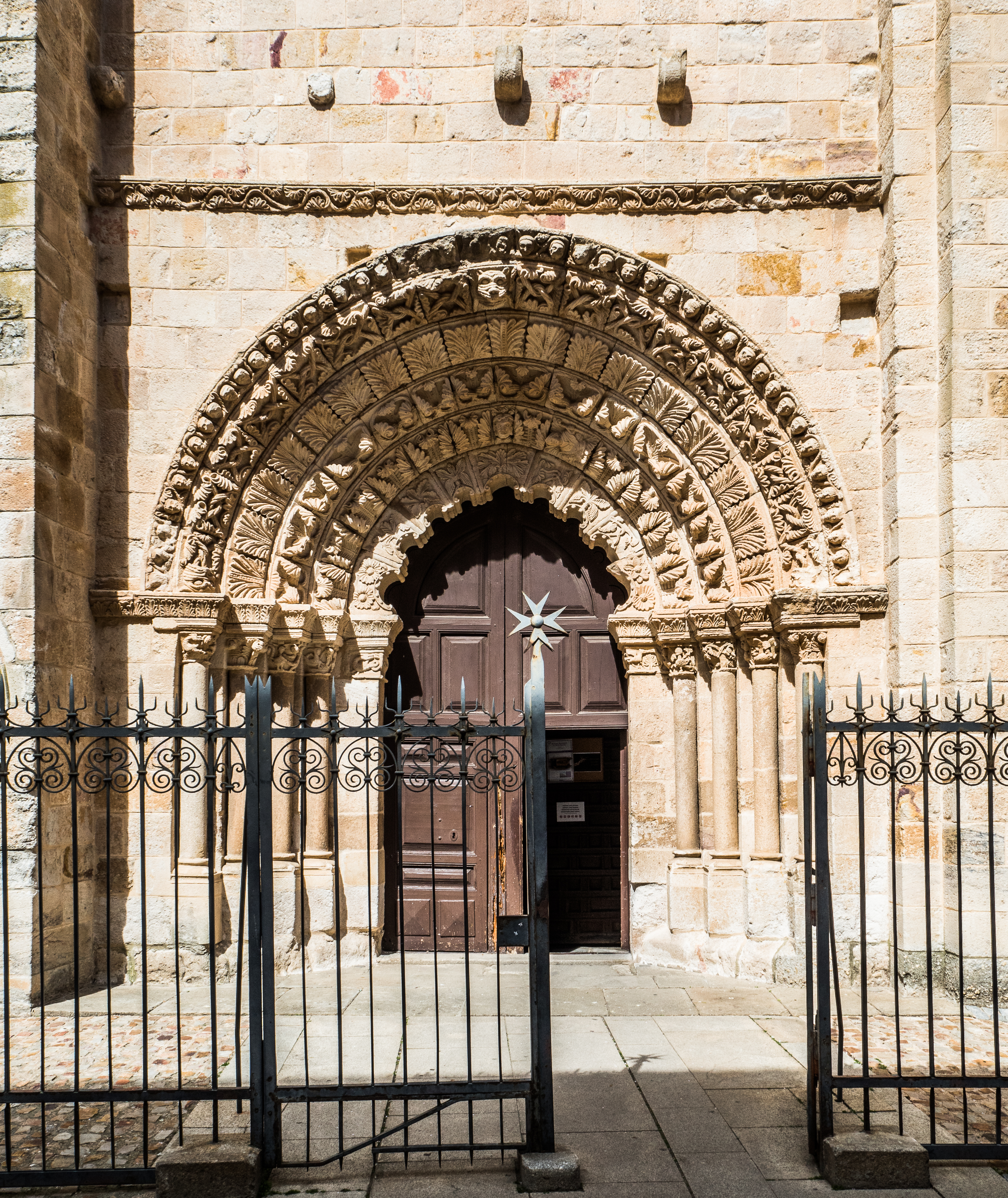
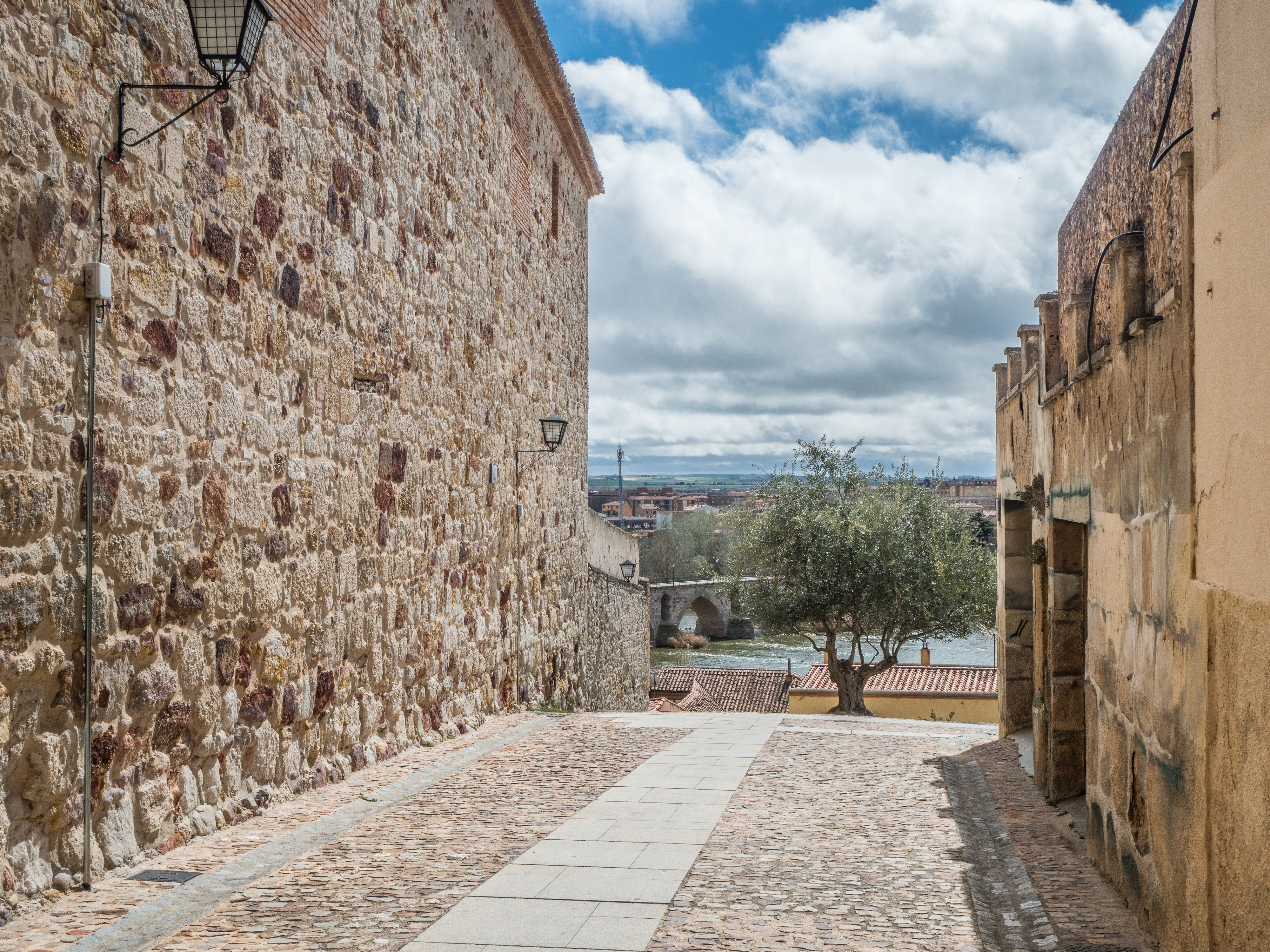
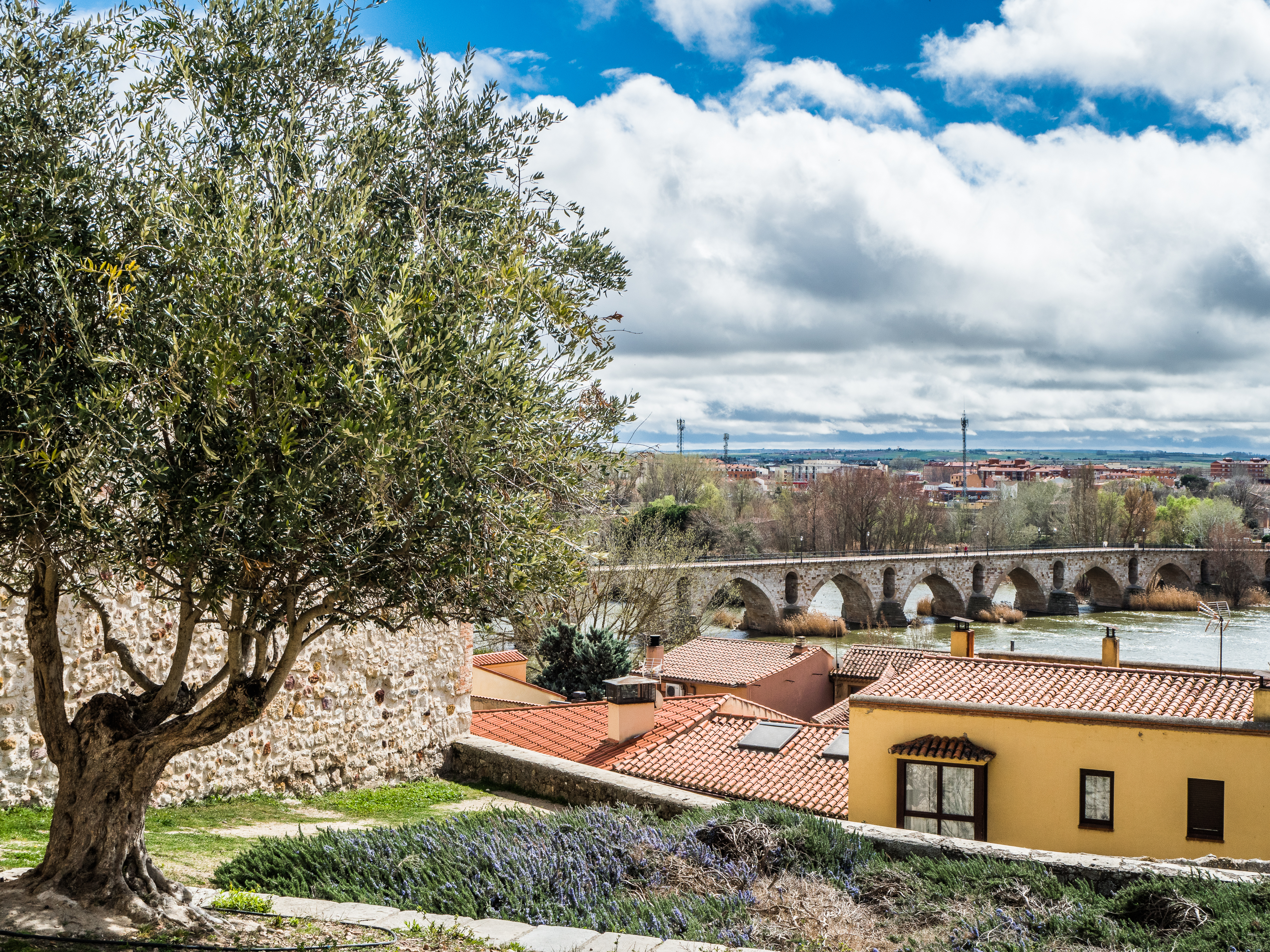


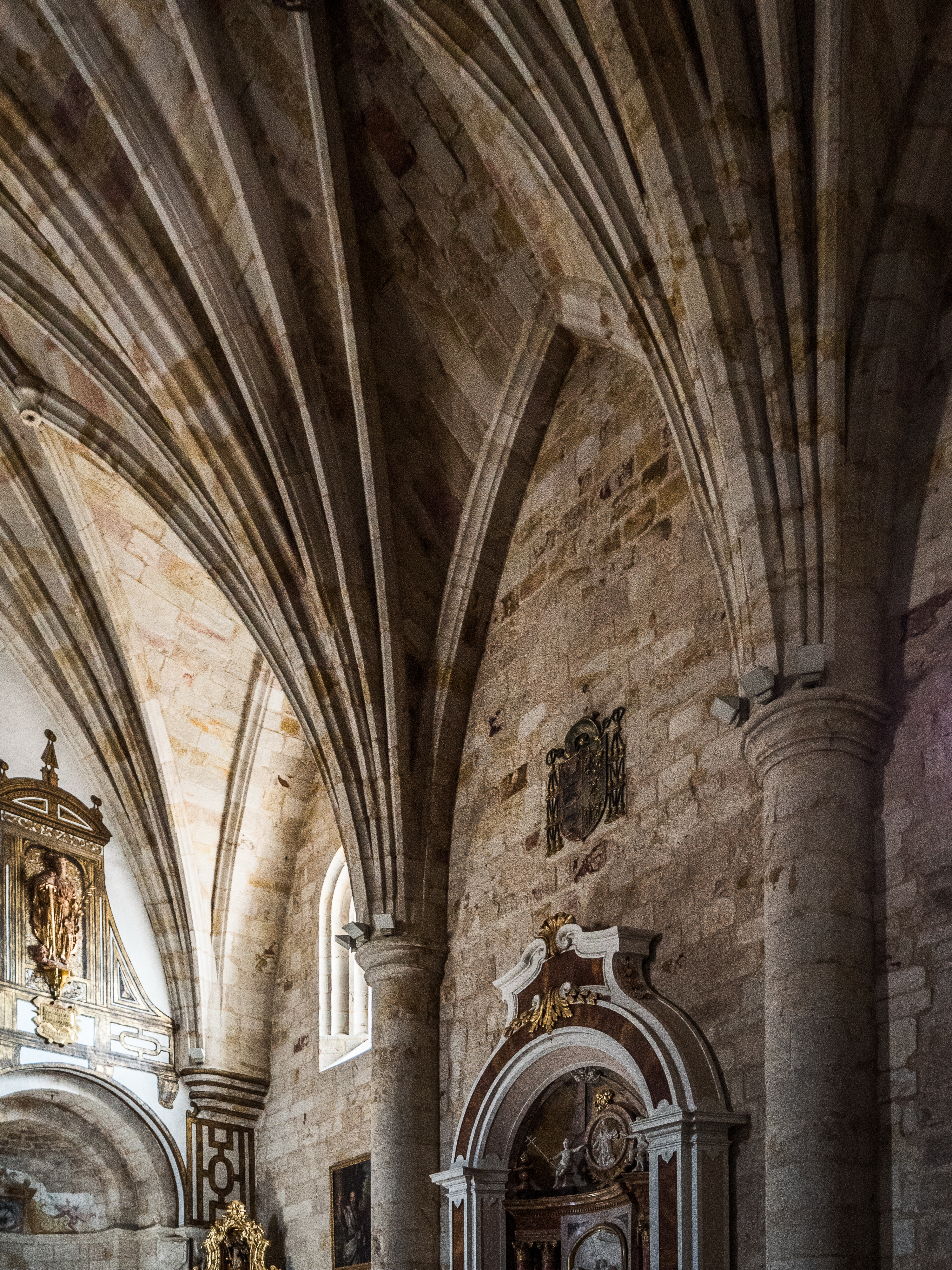


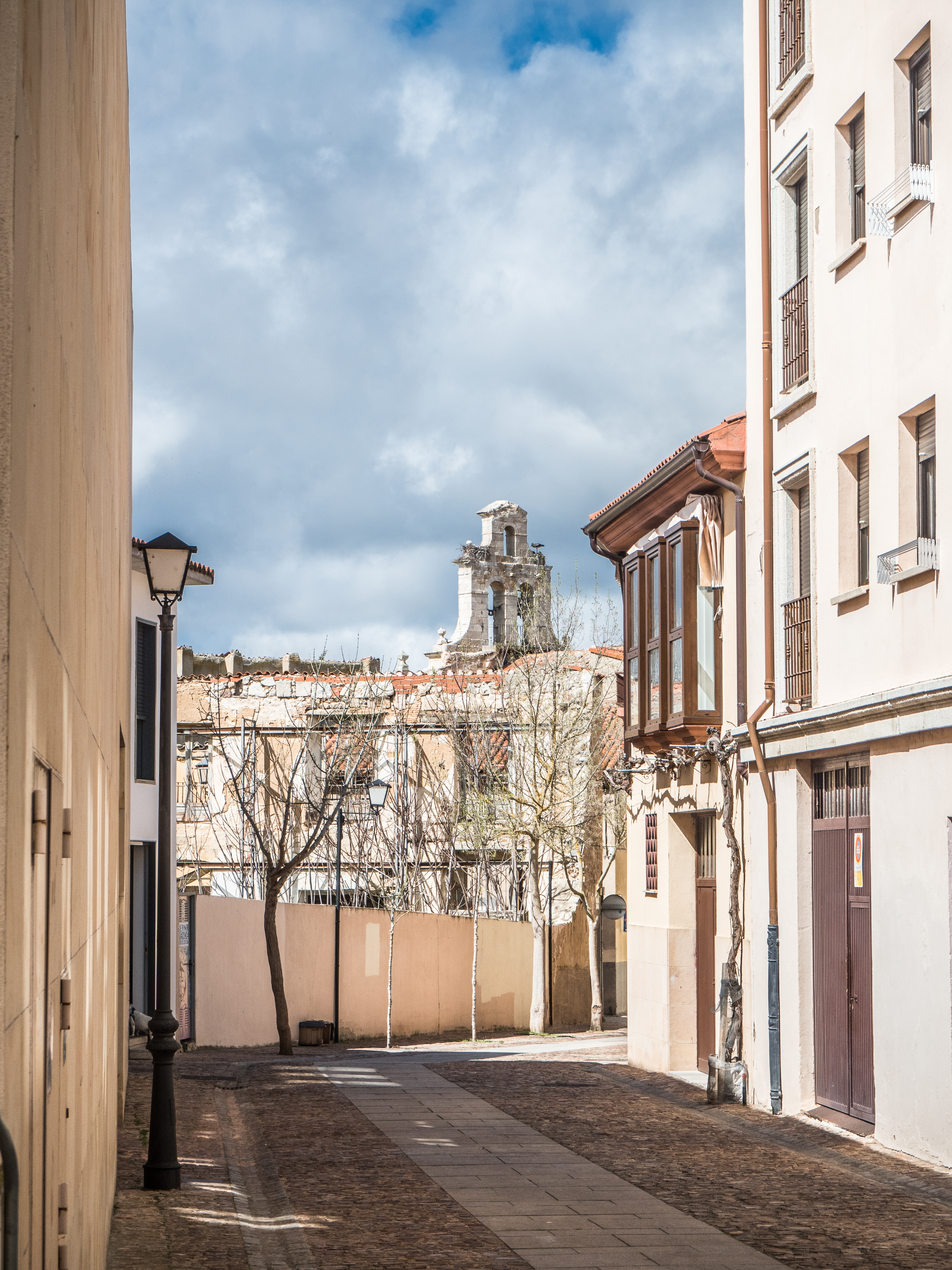


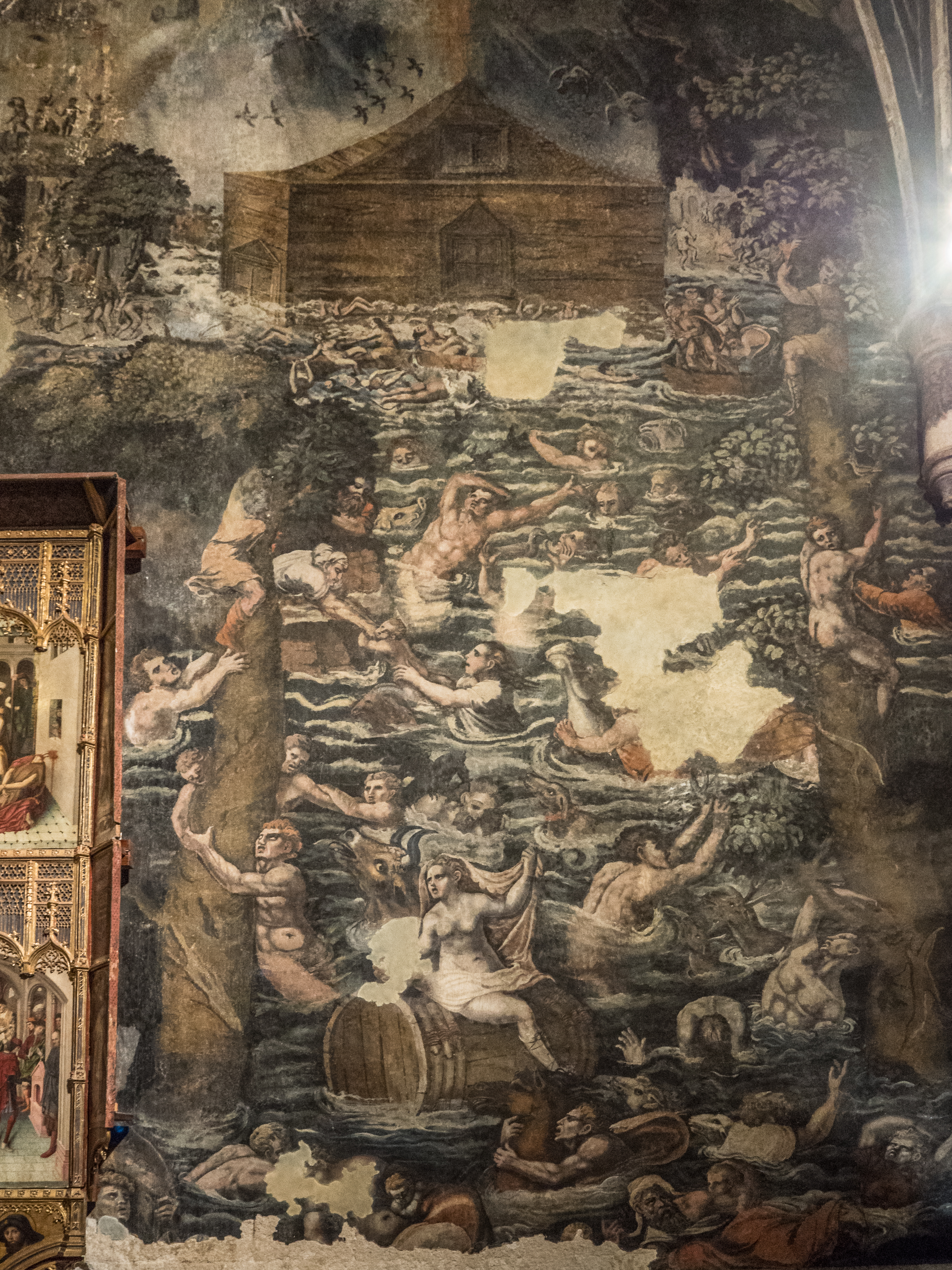
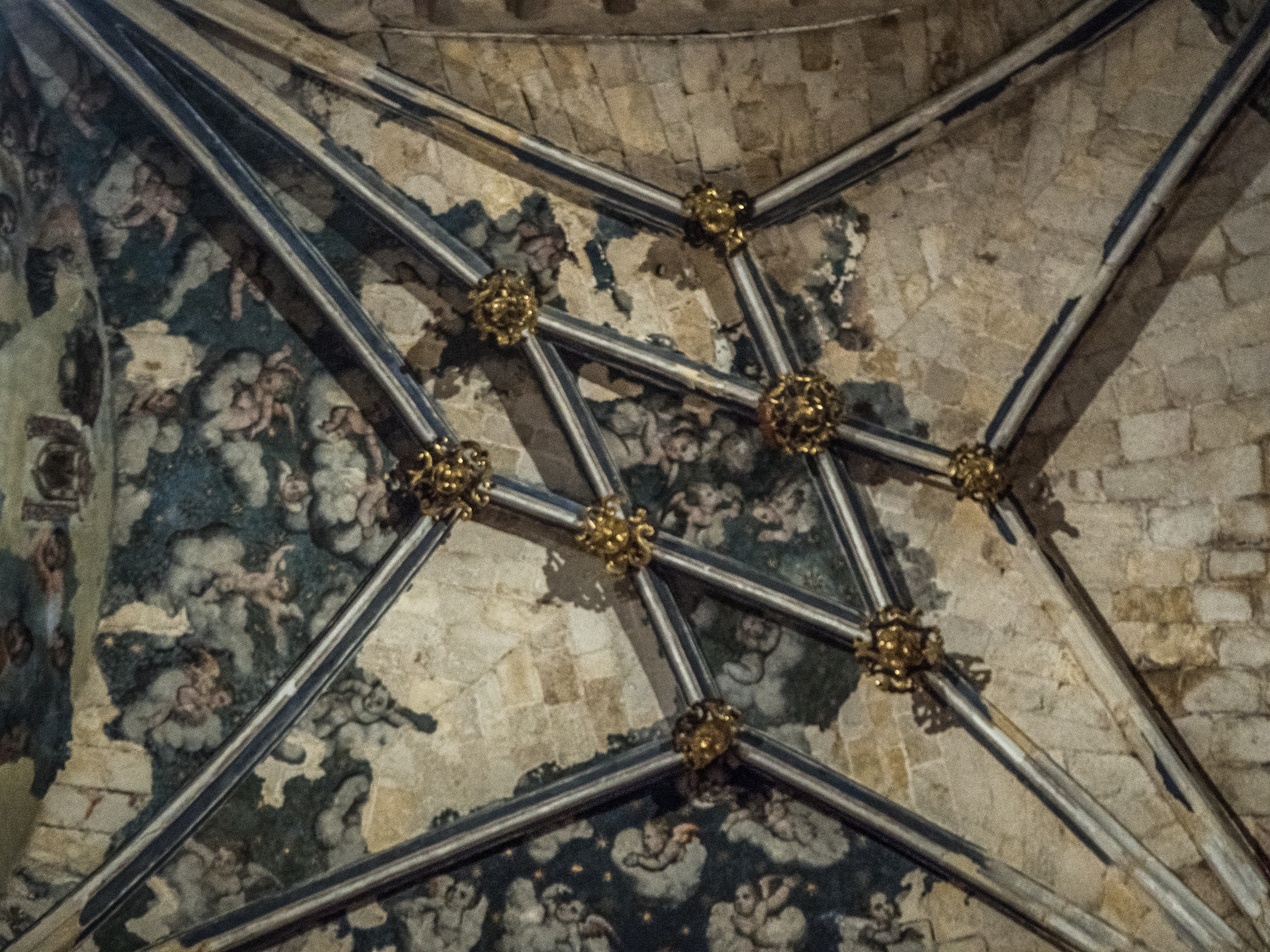


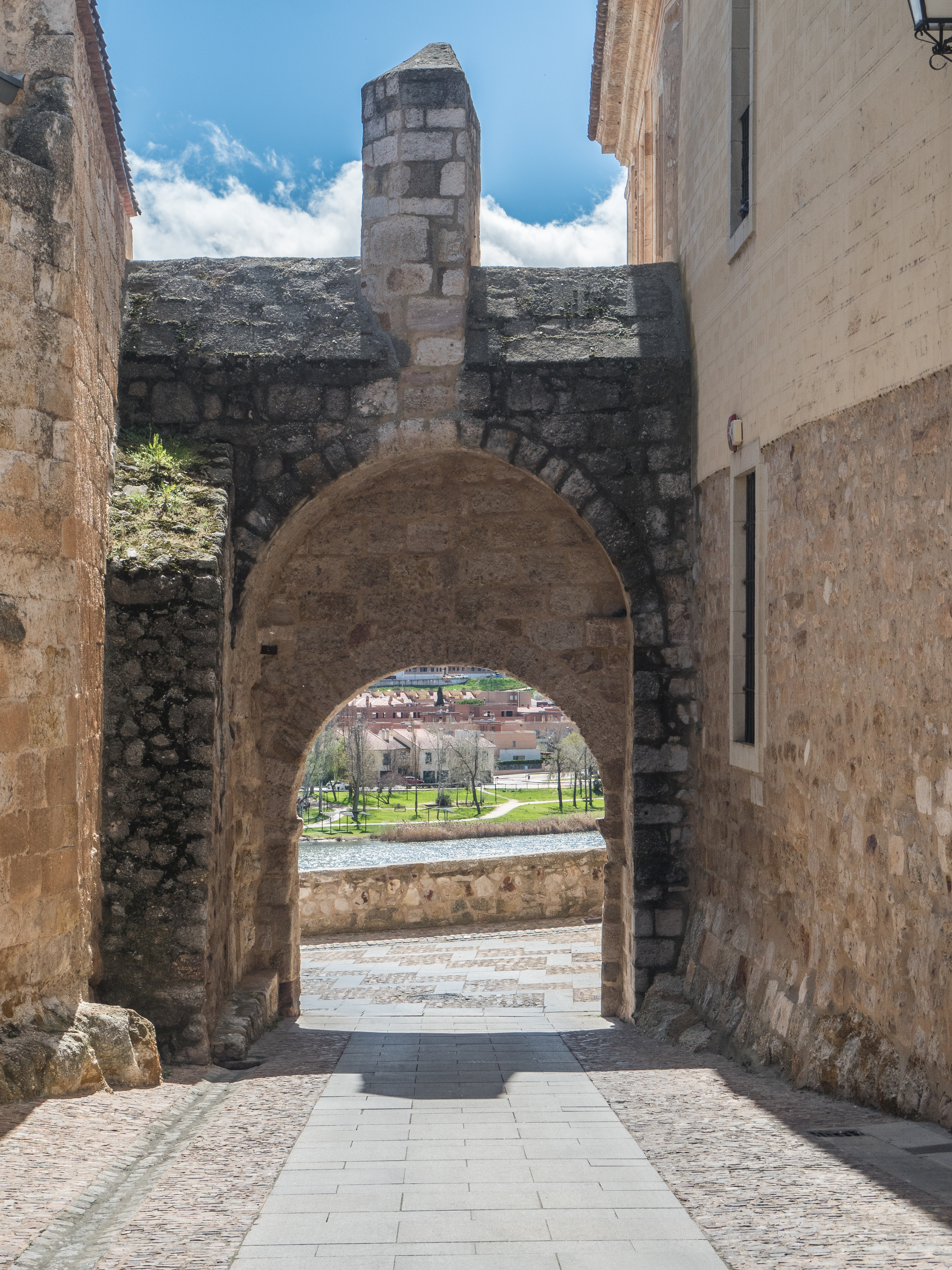
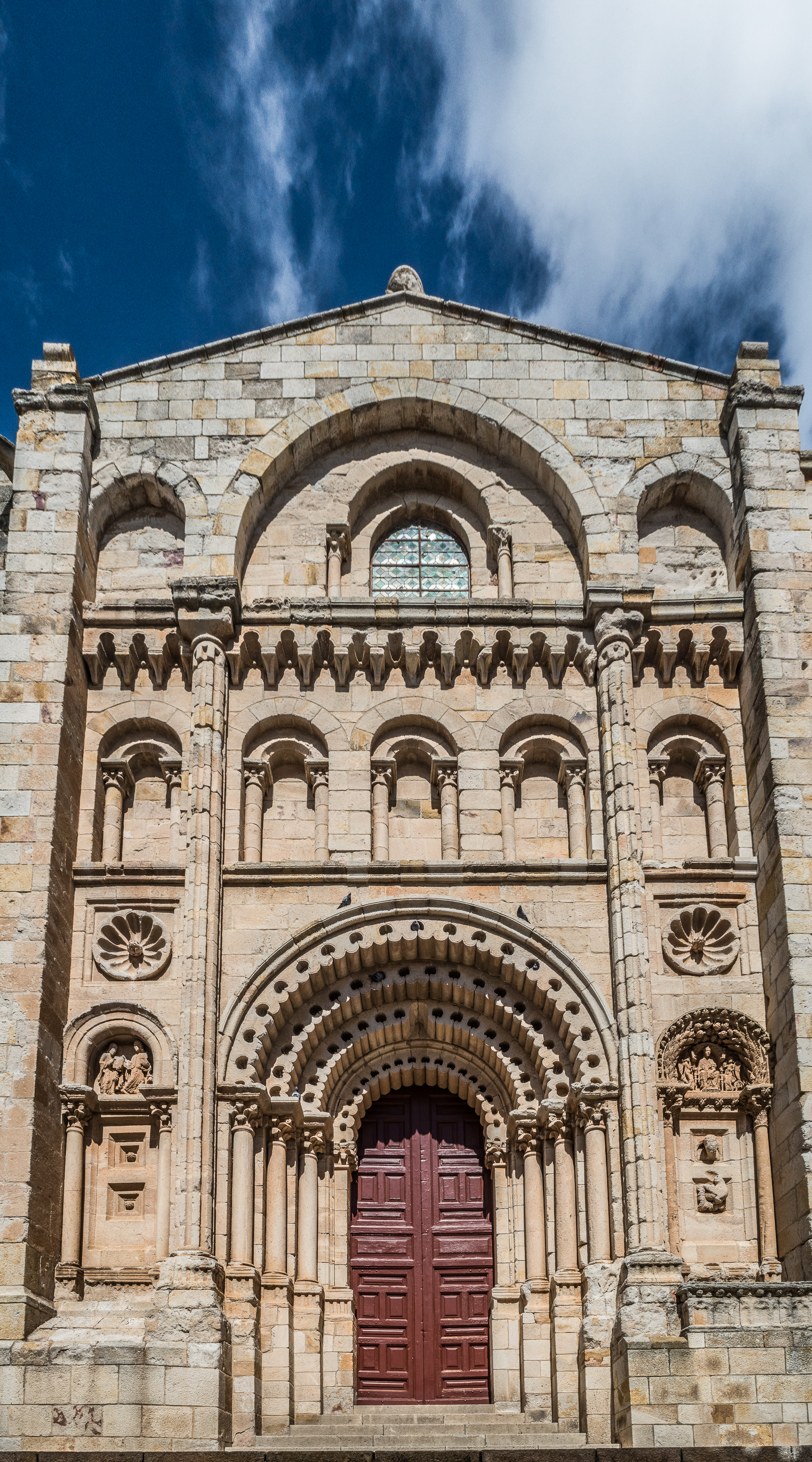


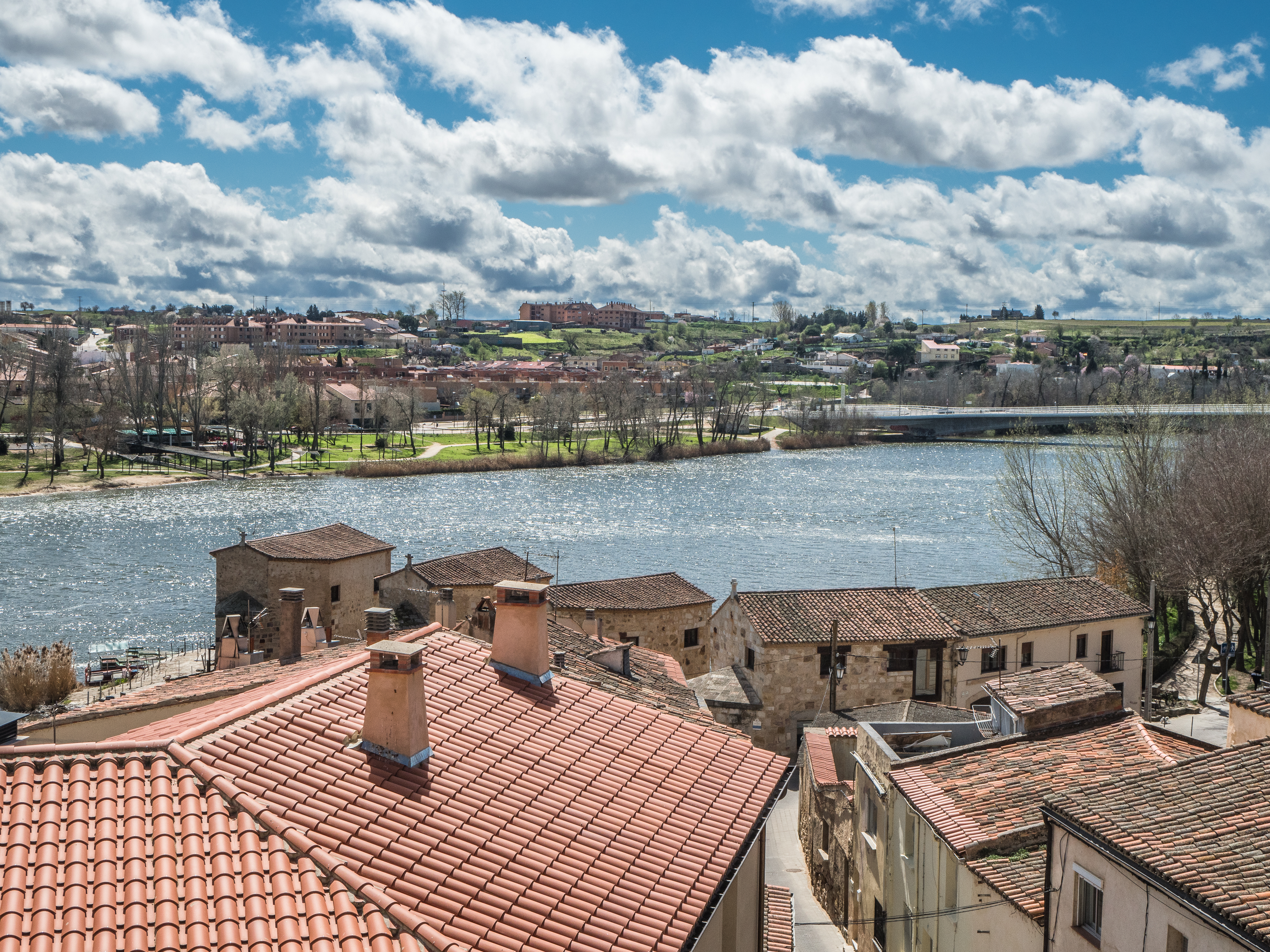


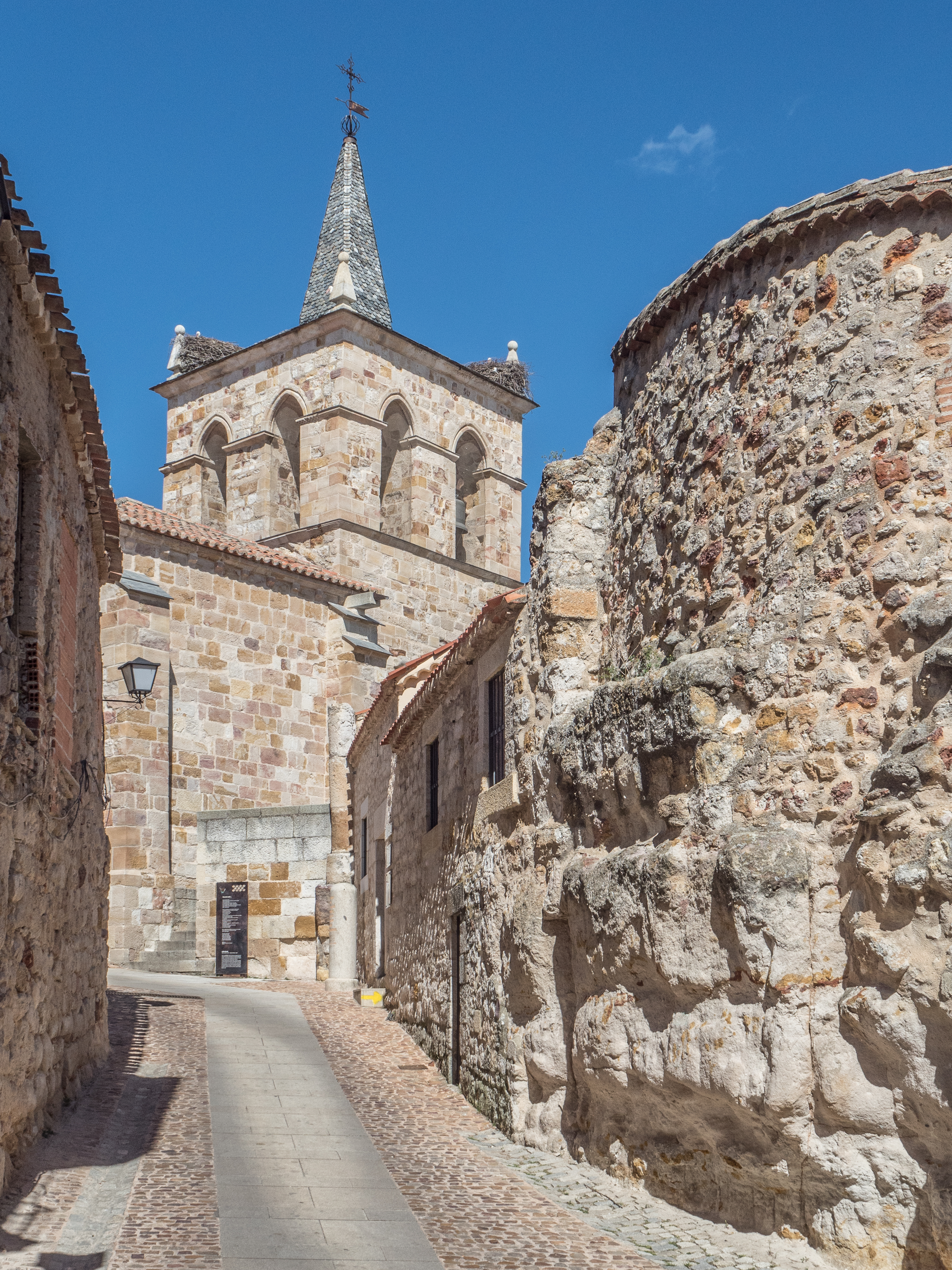

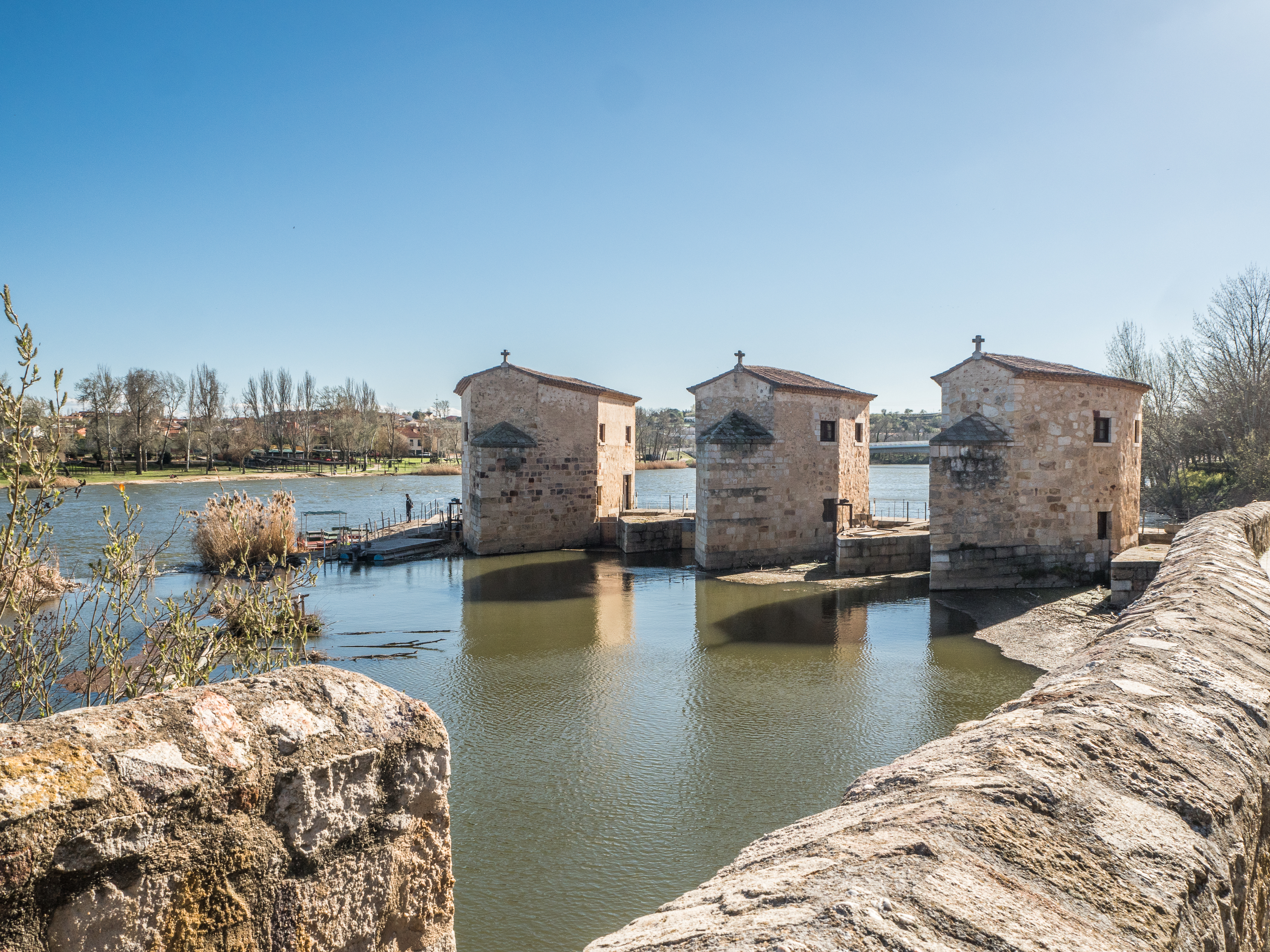
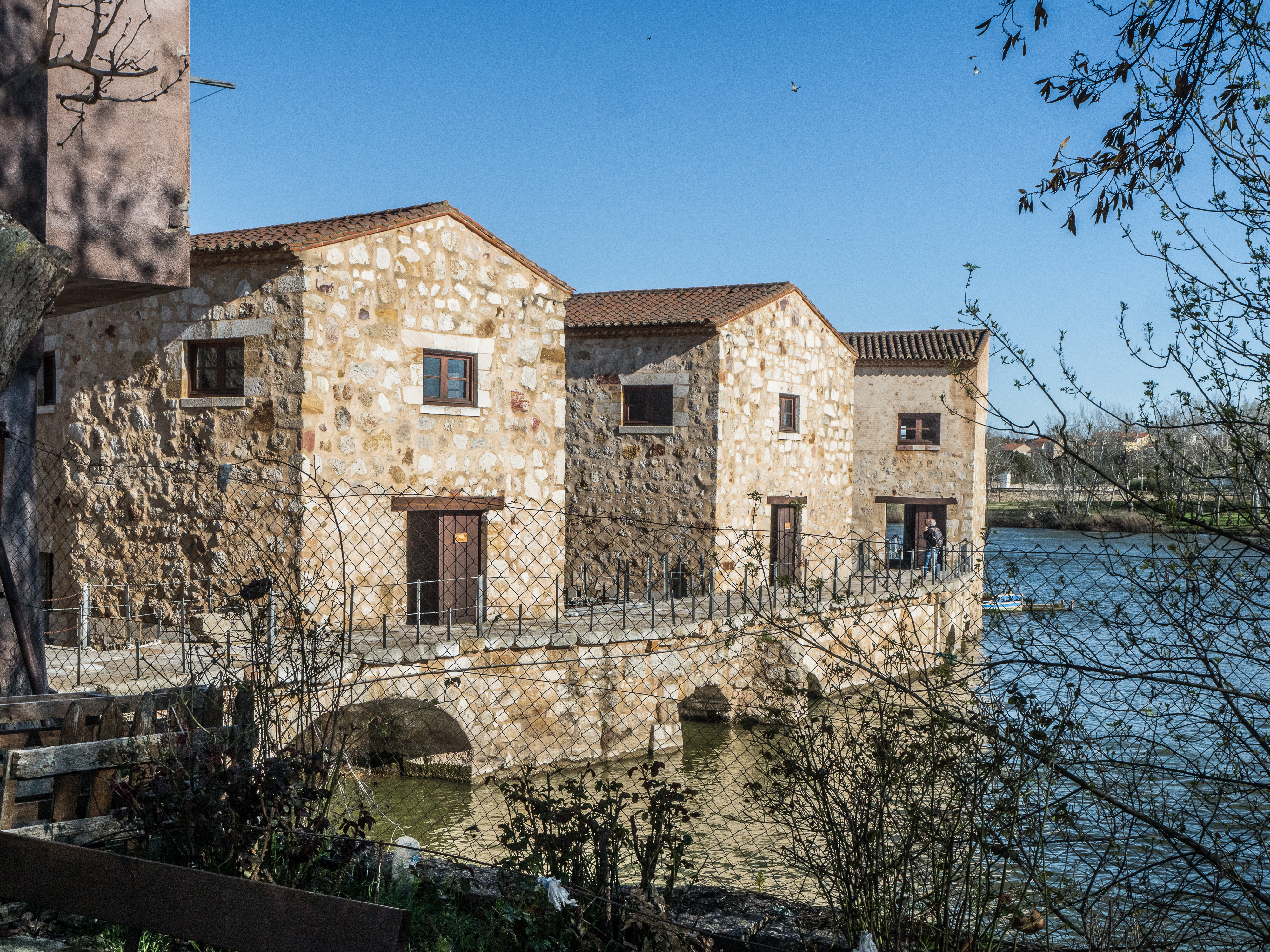
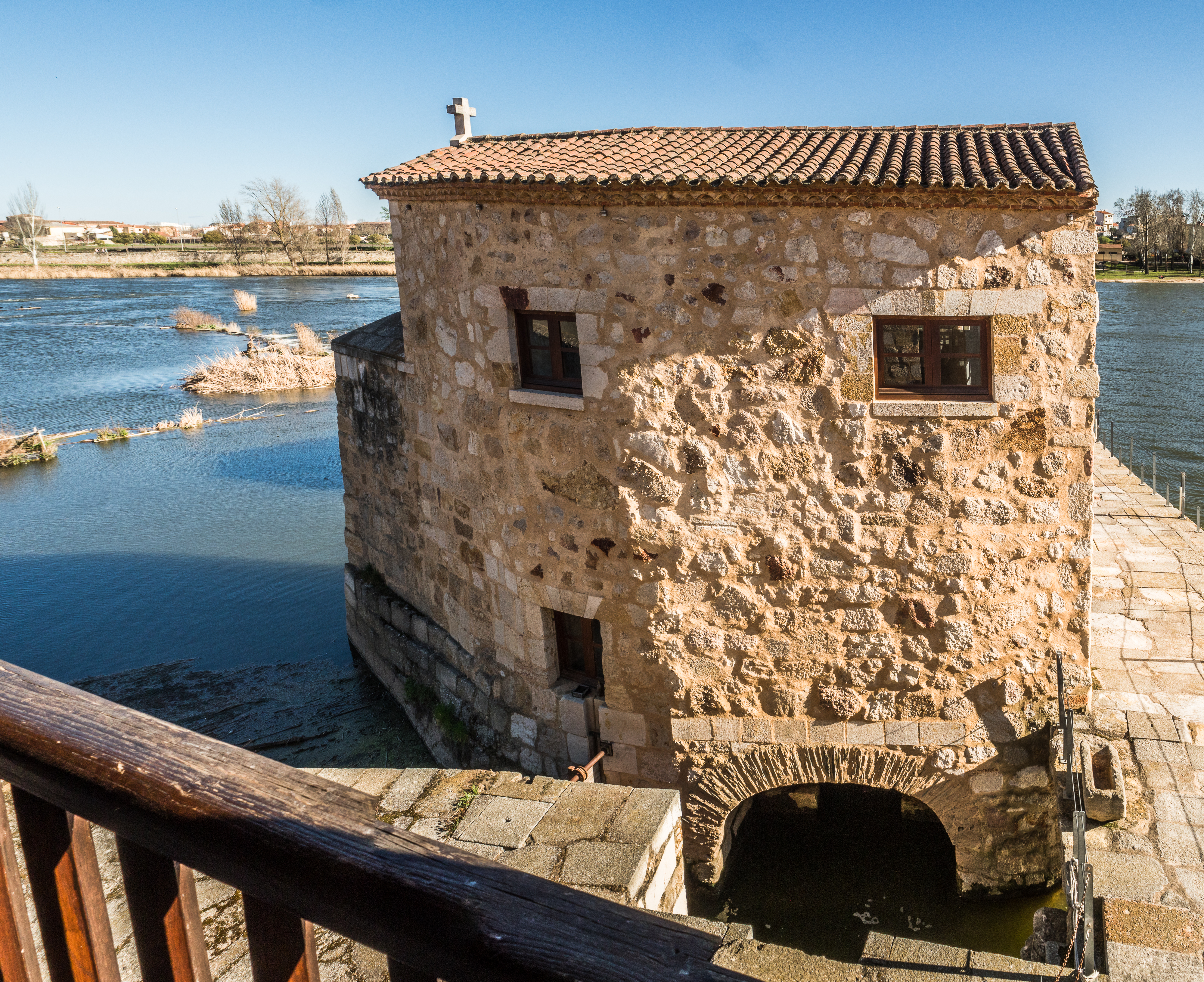
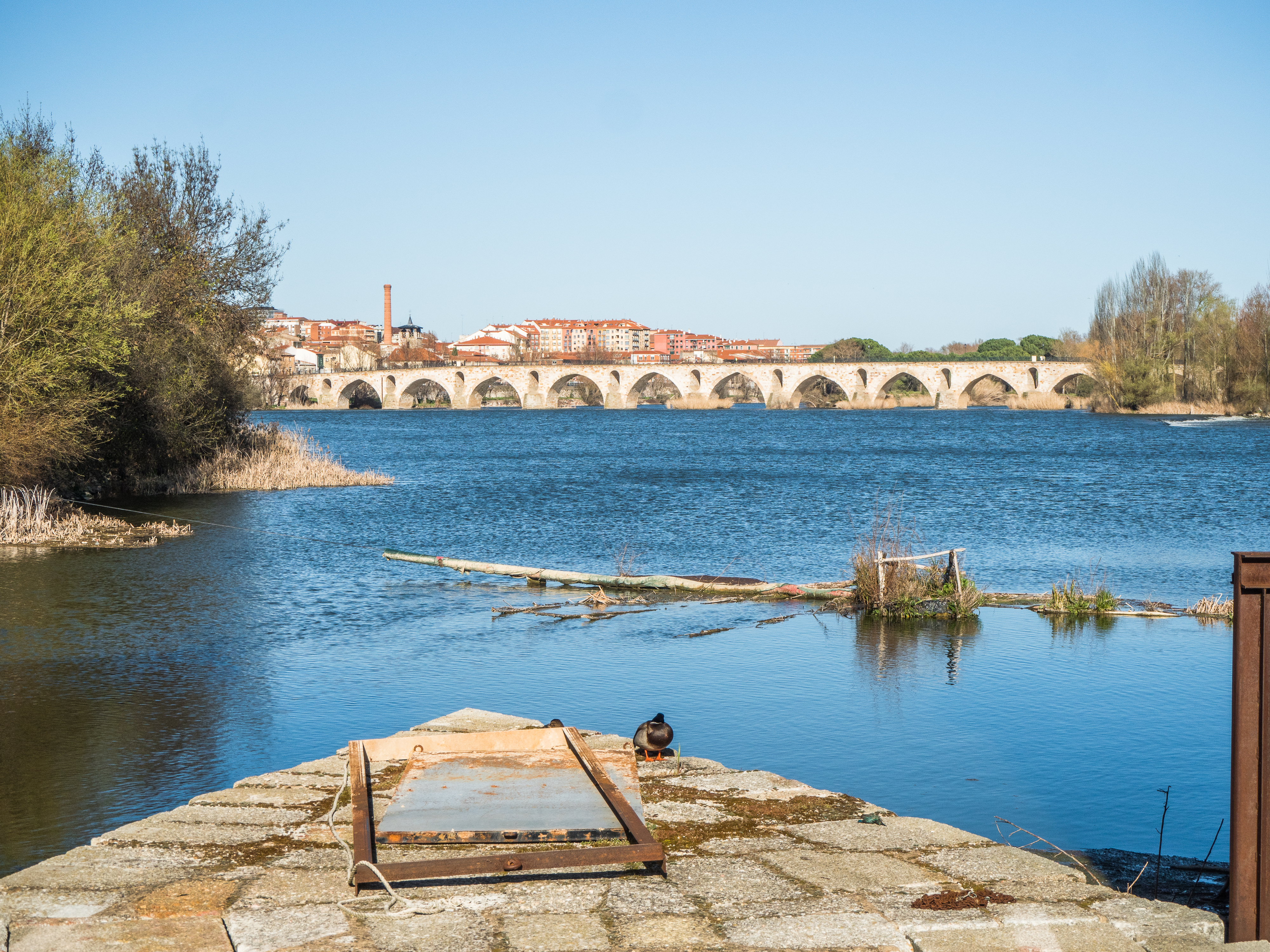
Zamora: Aceñas de Olivares (XI century mills) and more romanesque churches.









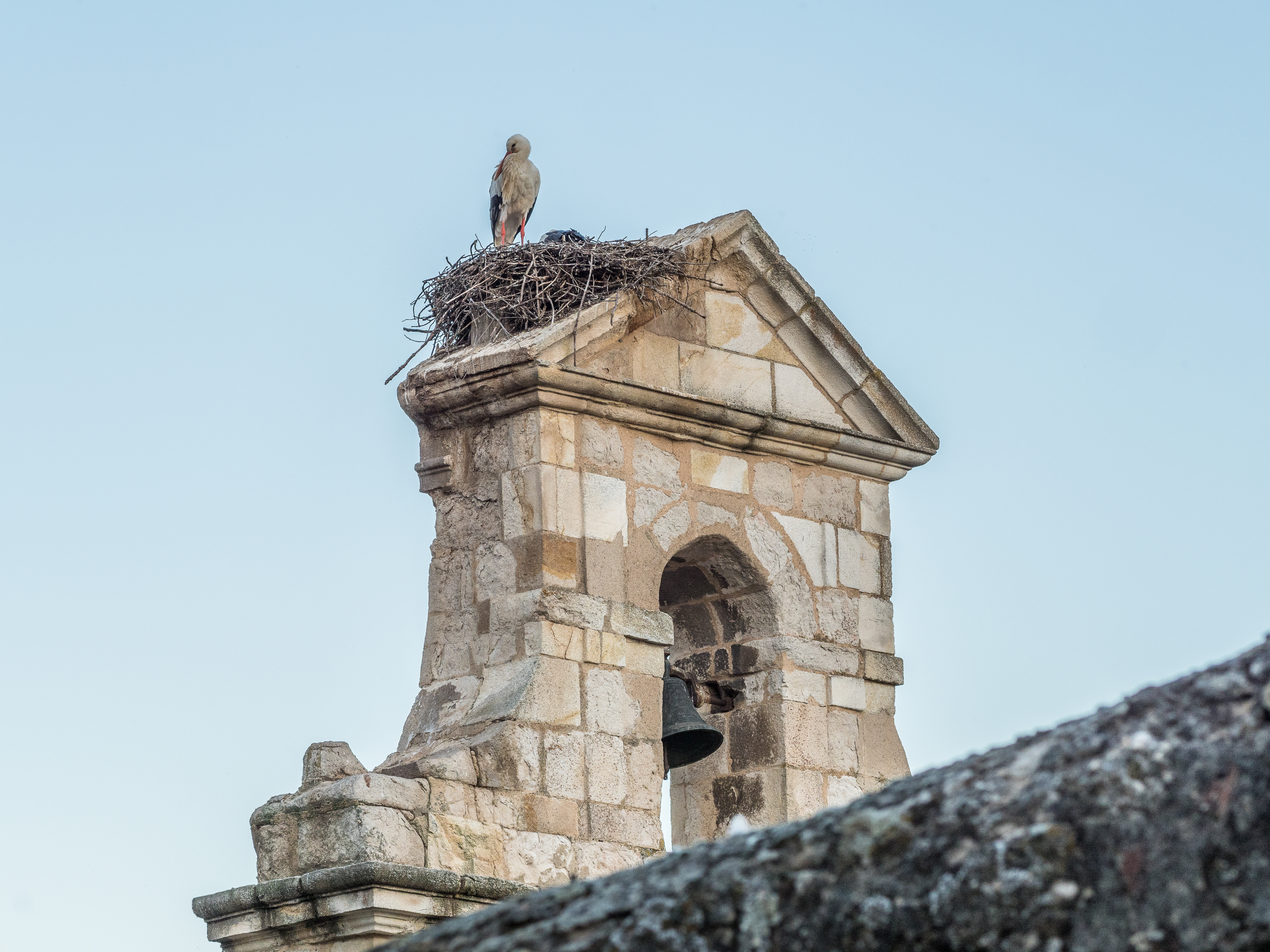



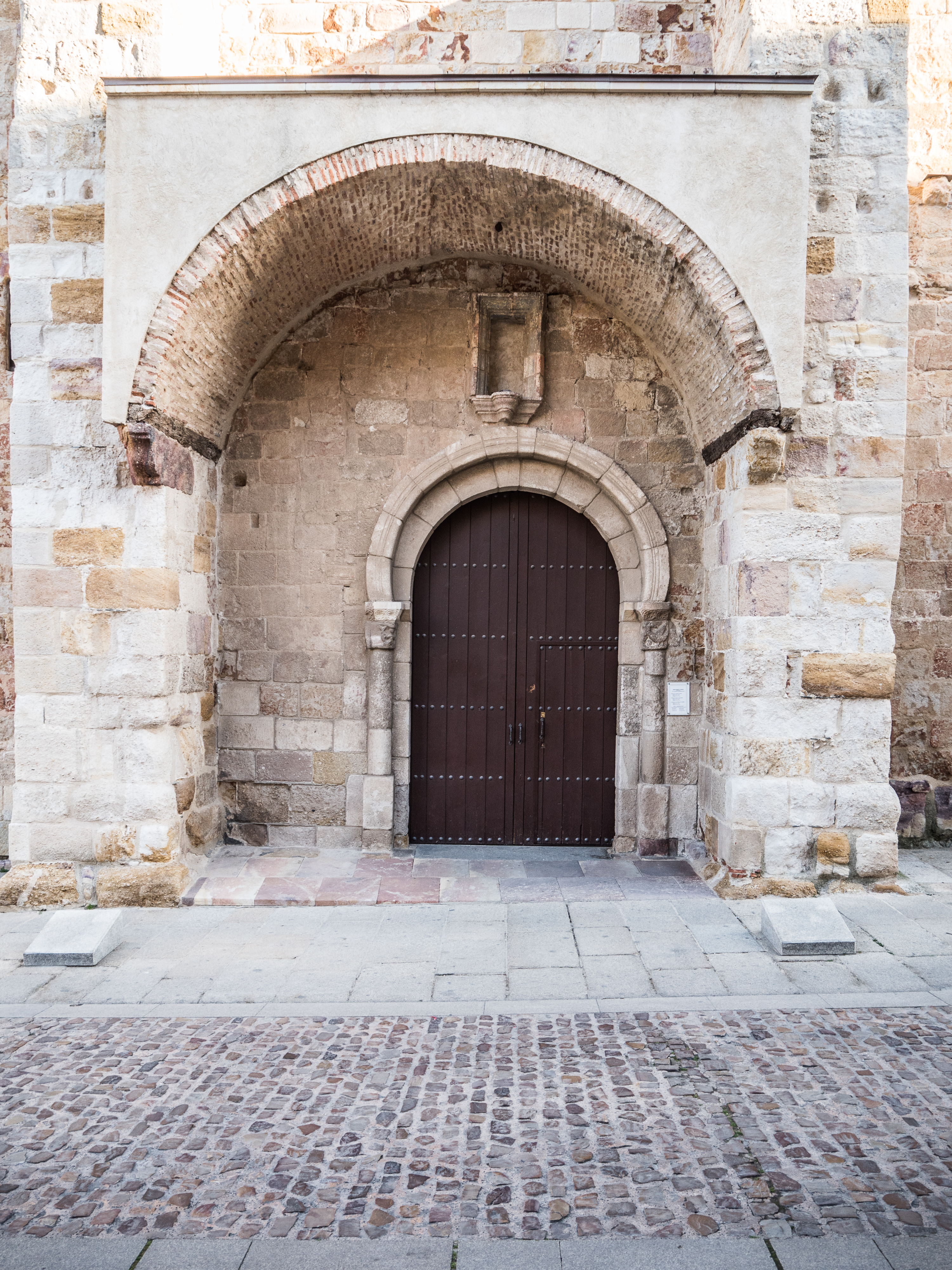

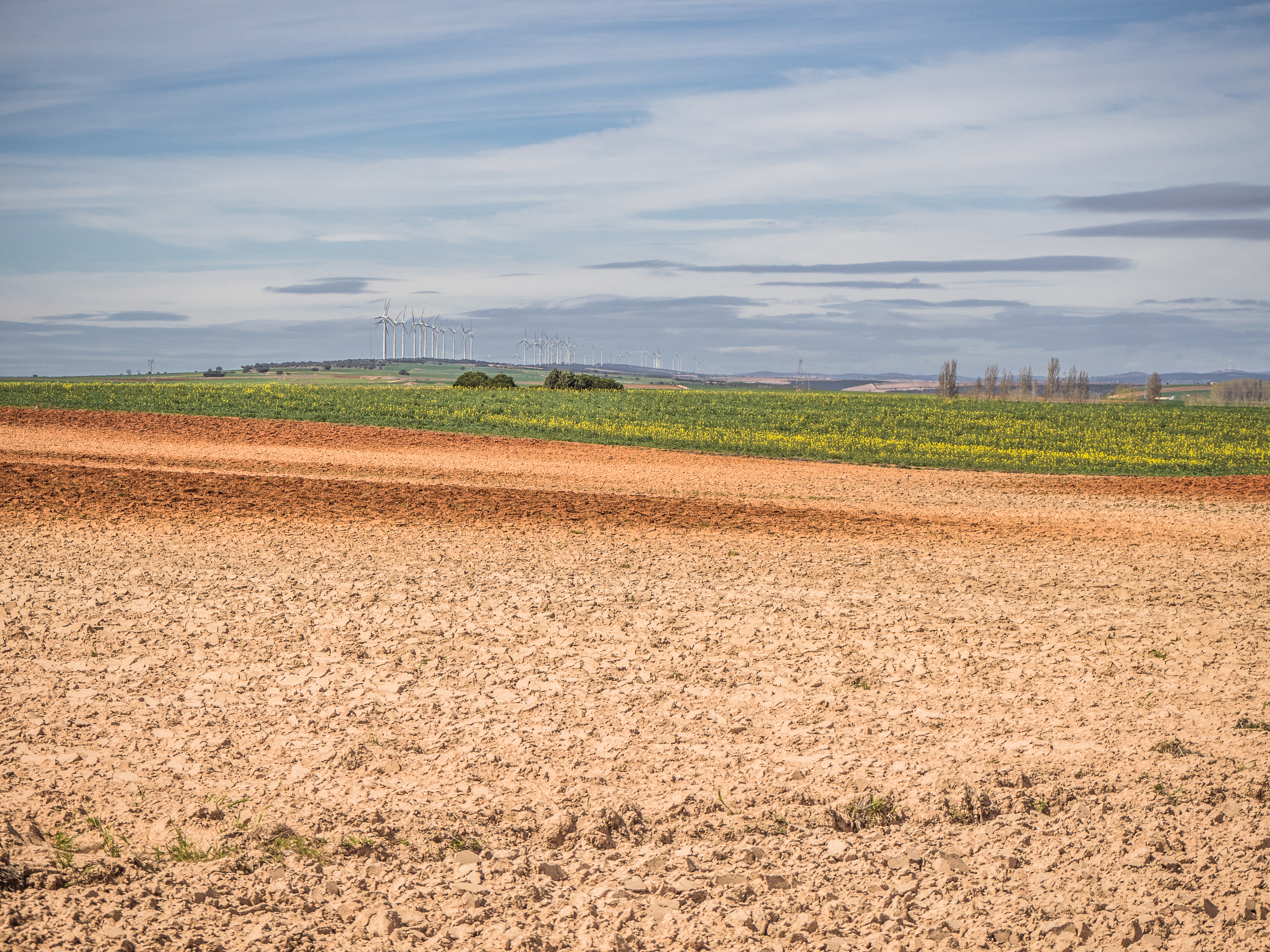
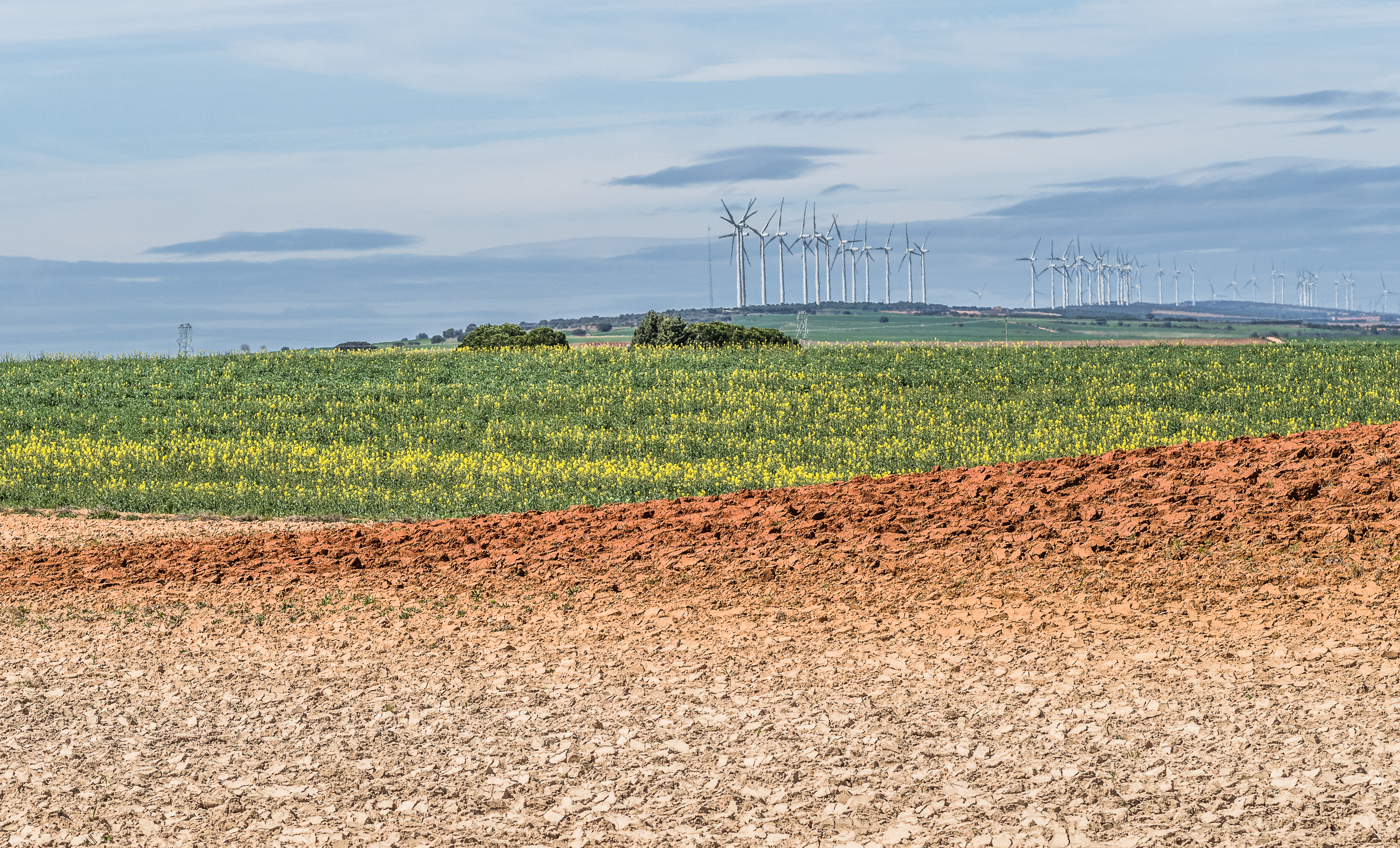
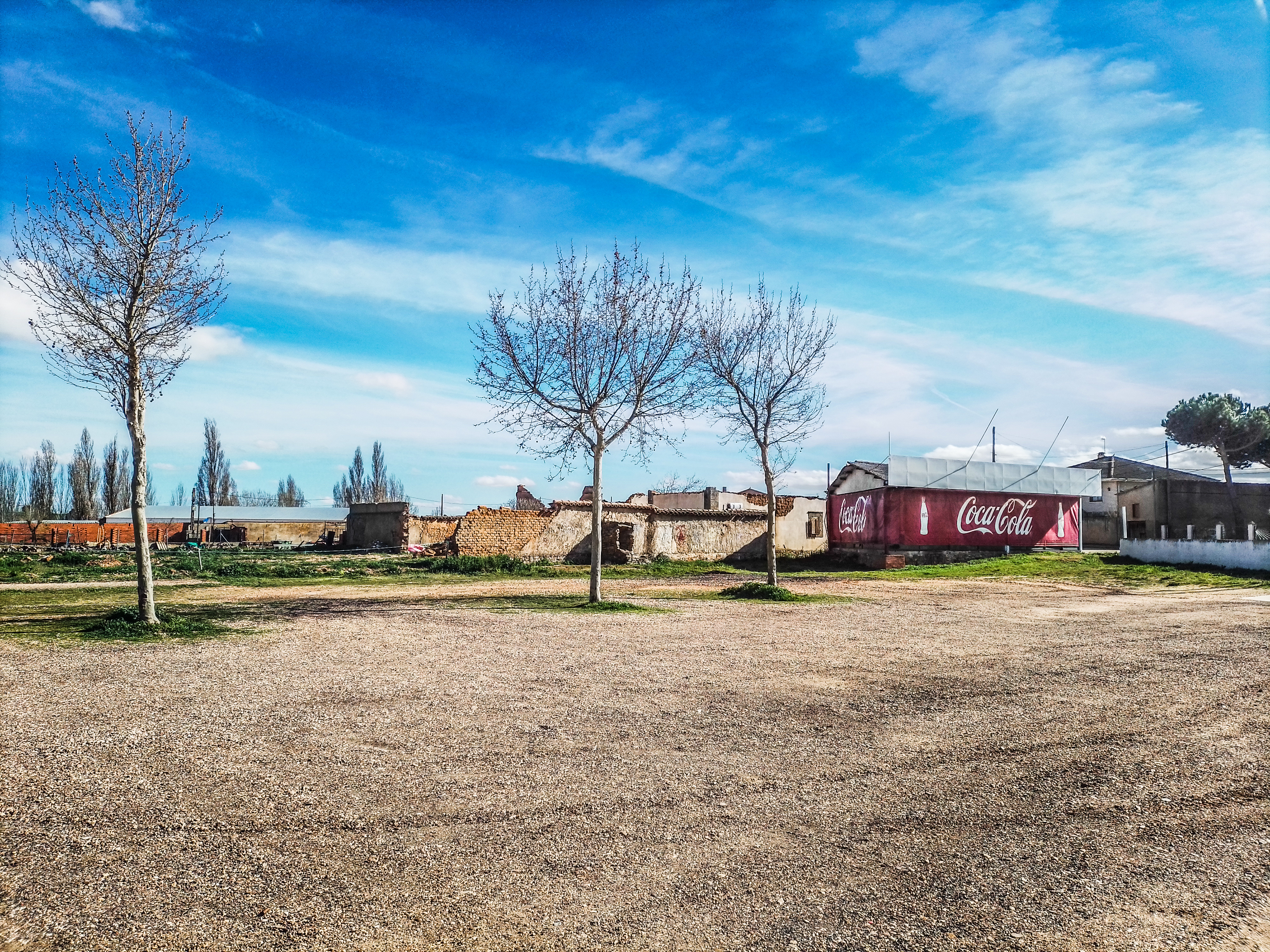
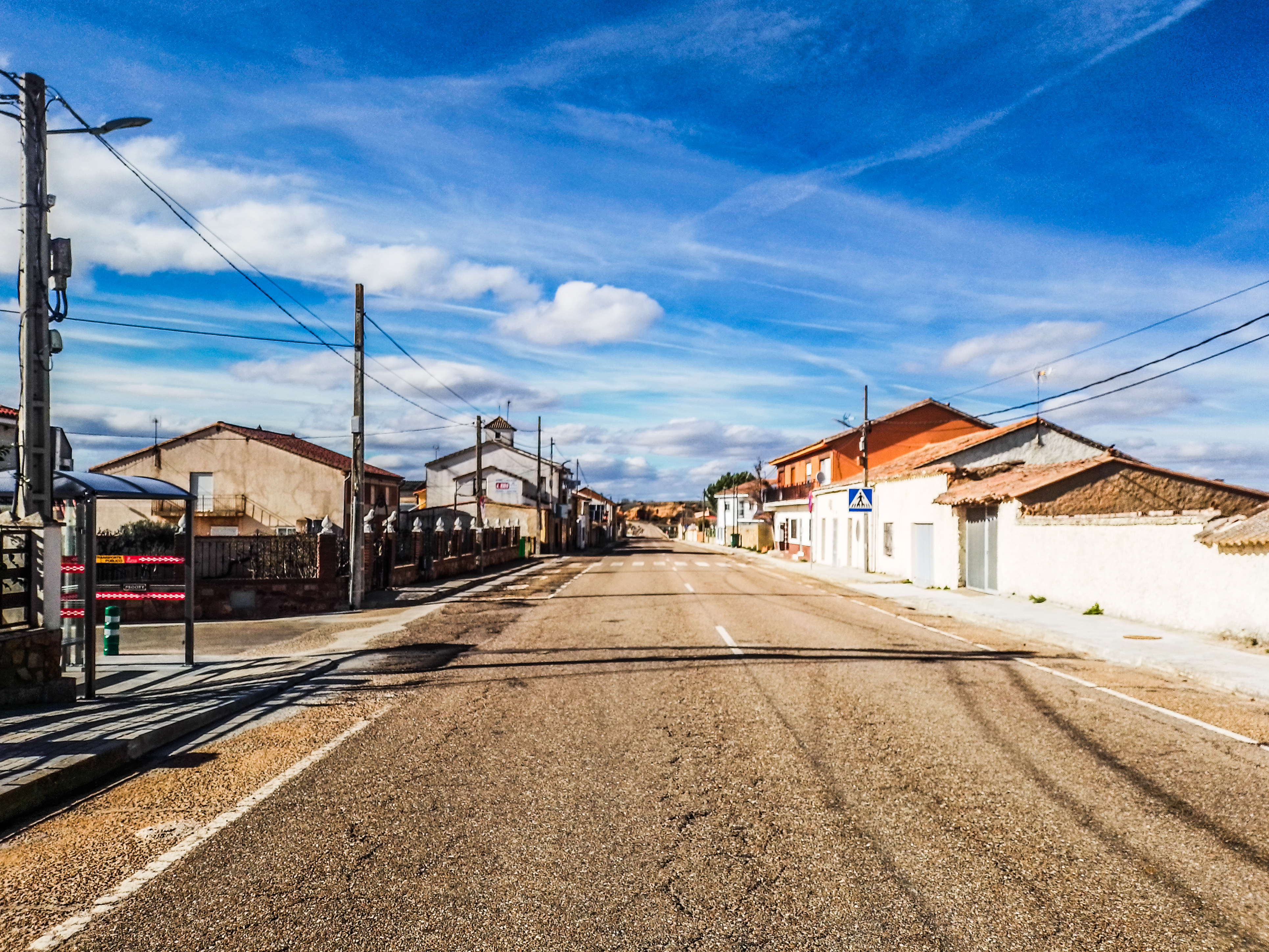
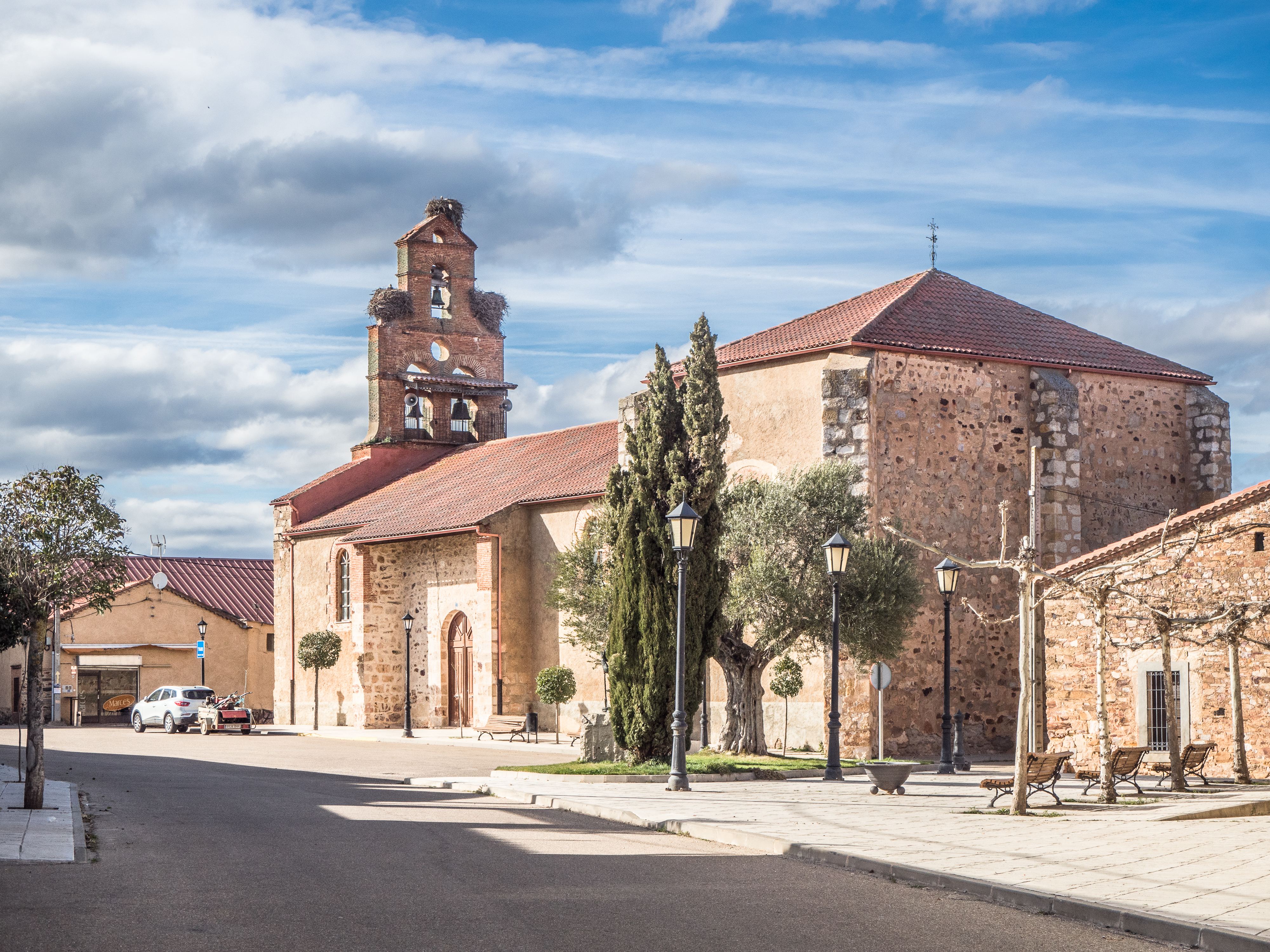
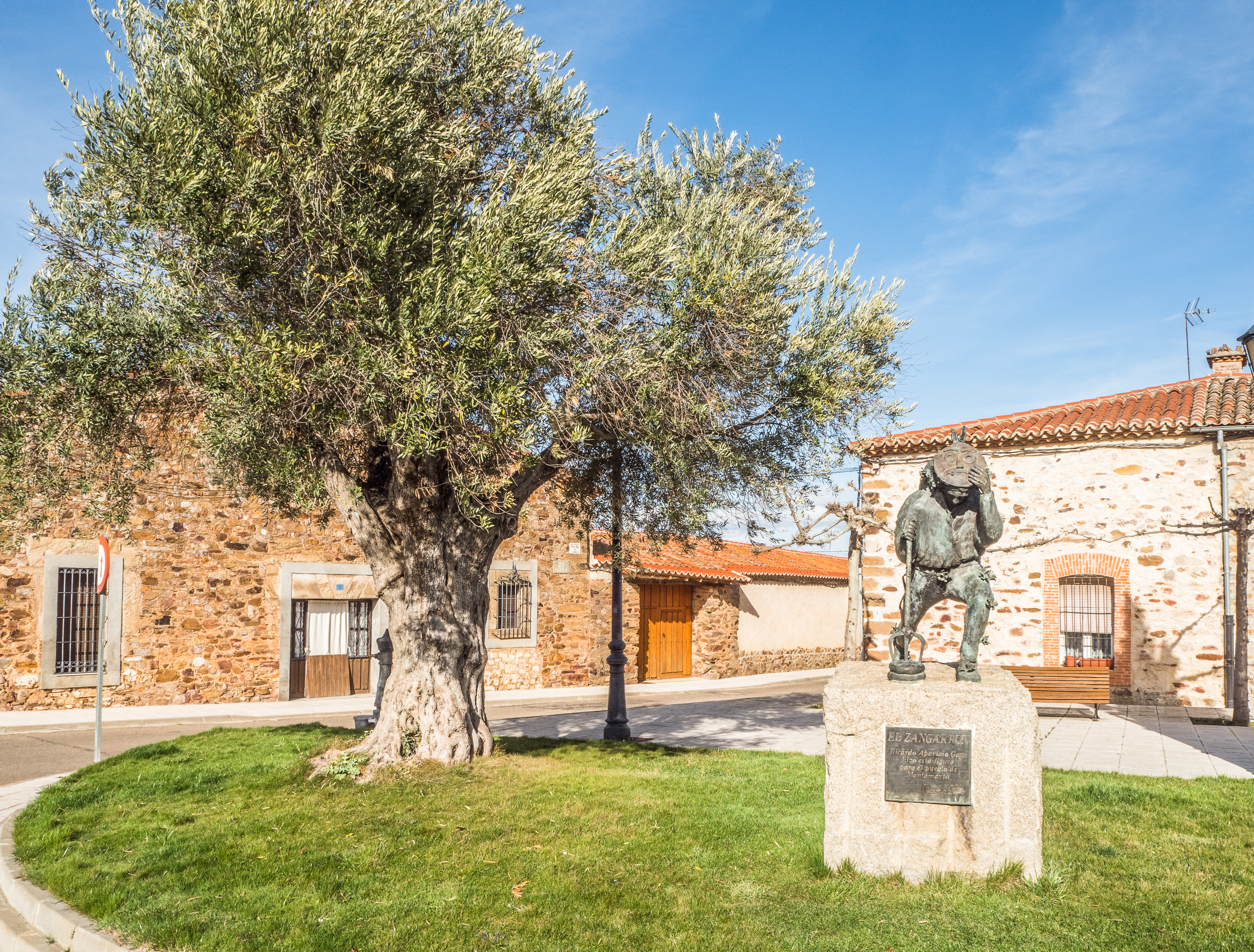
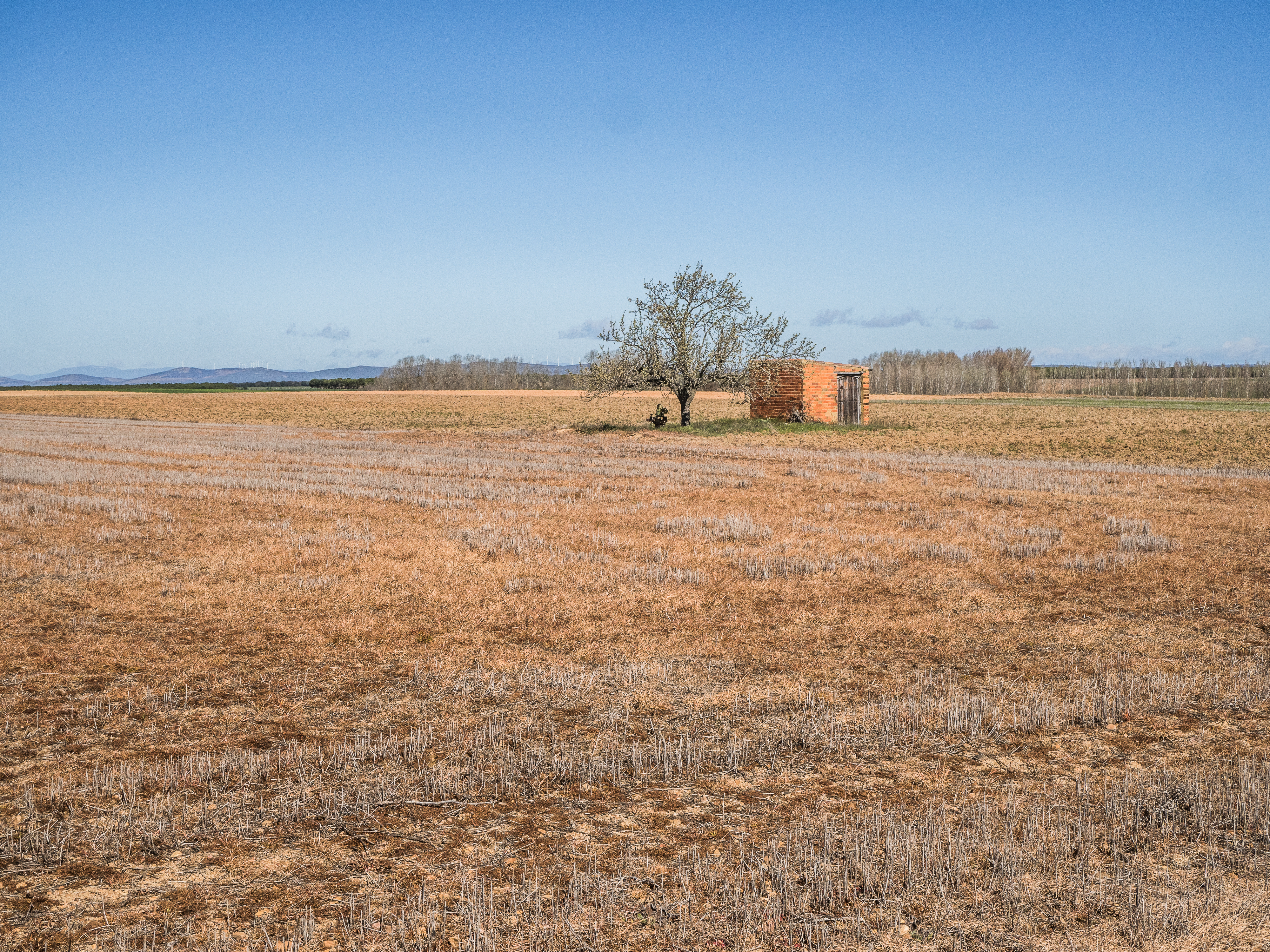
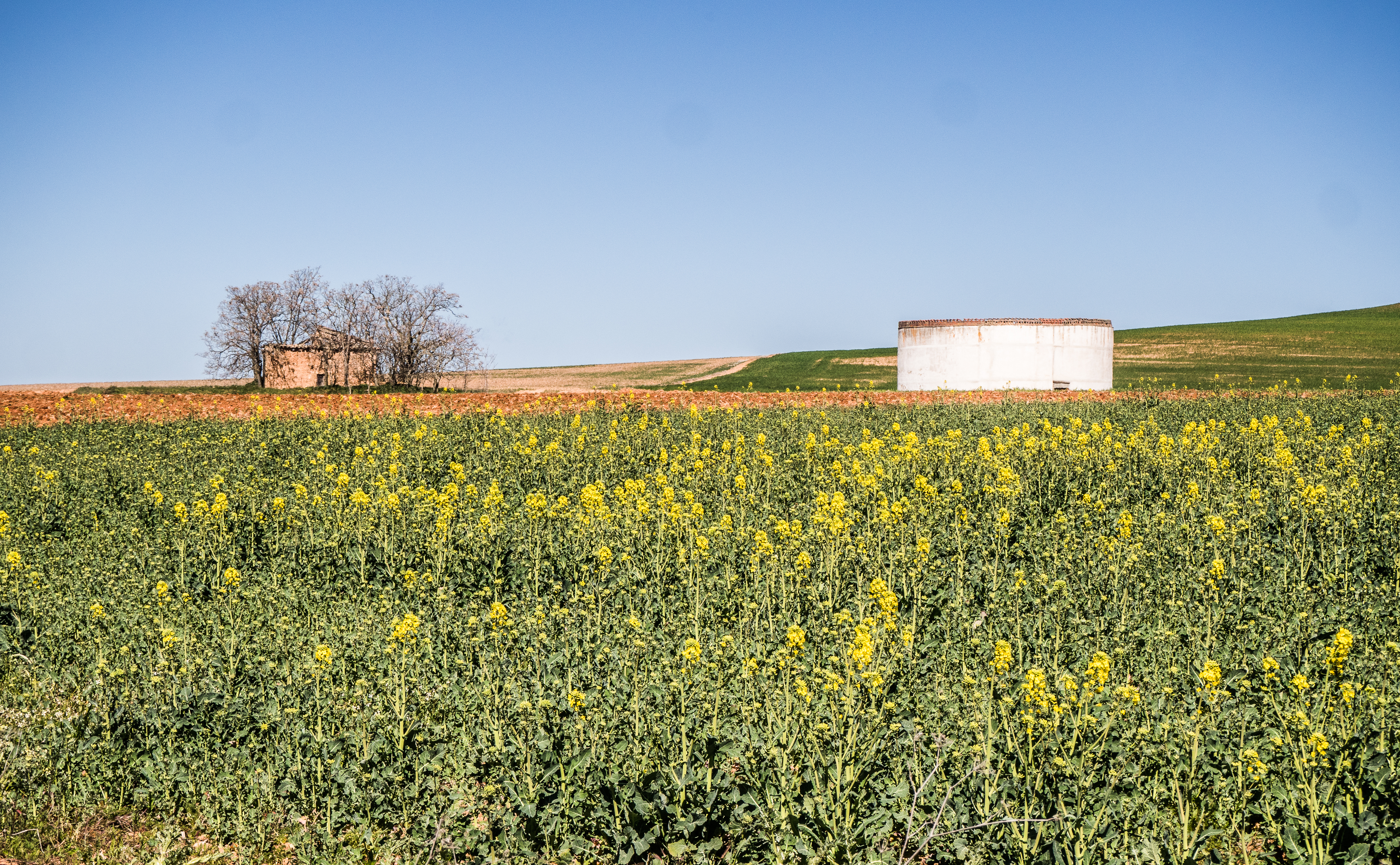
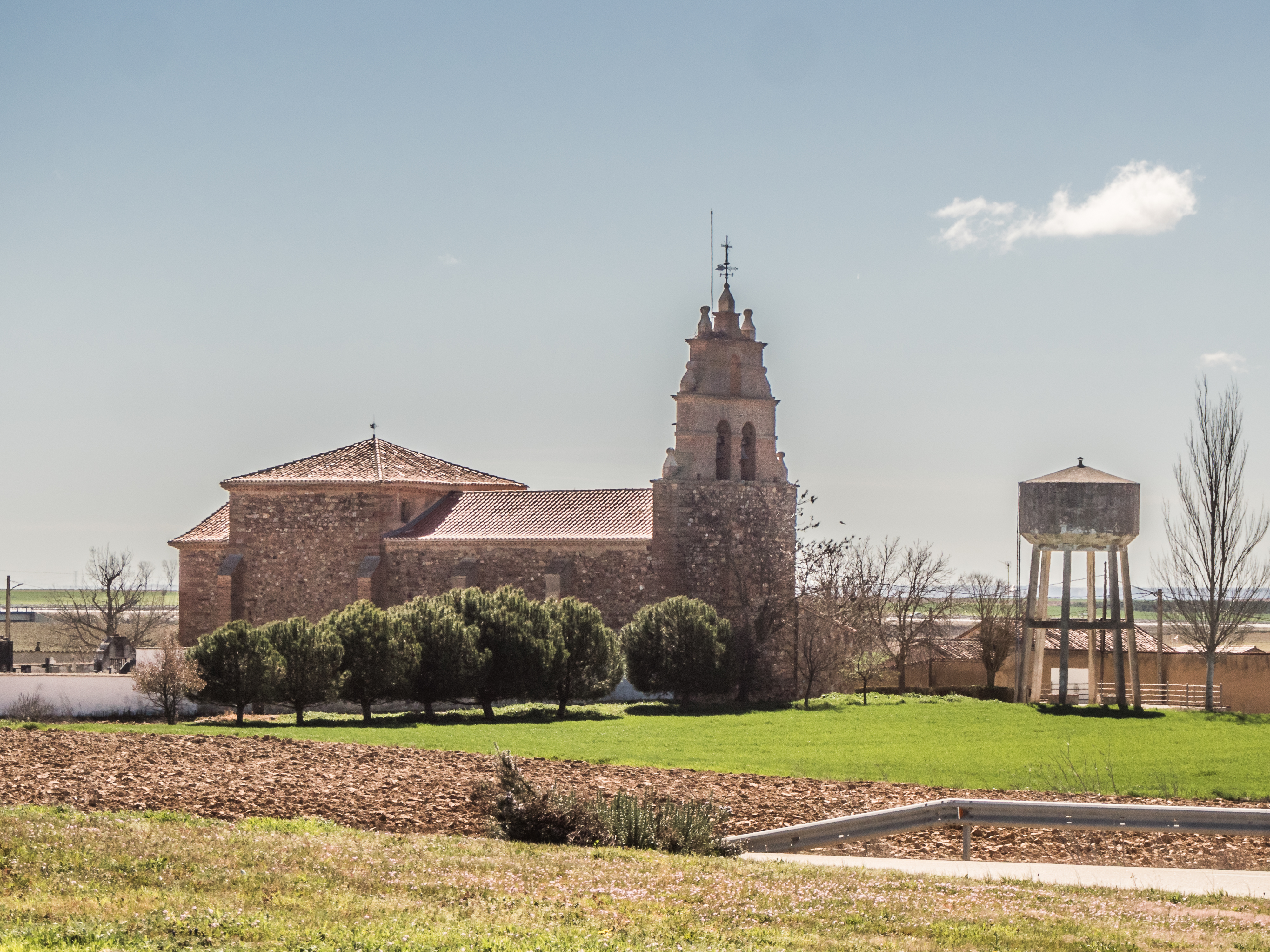
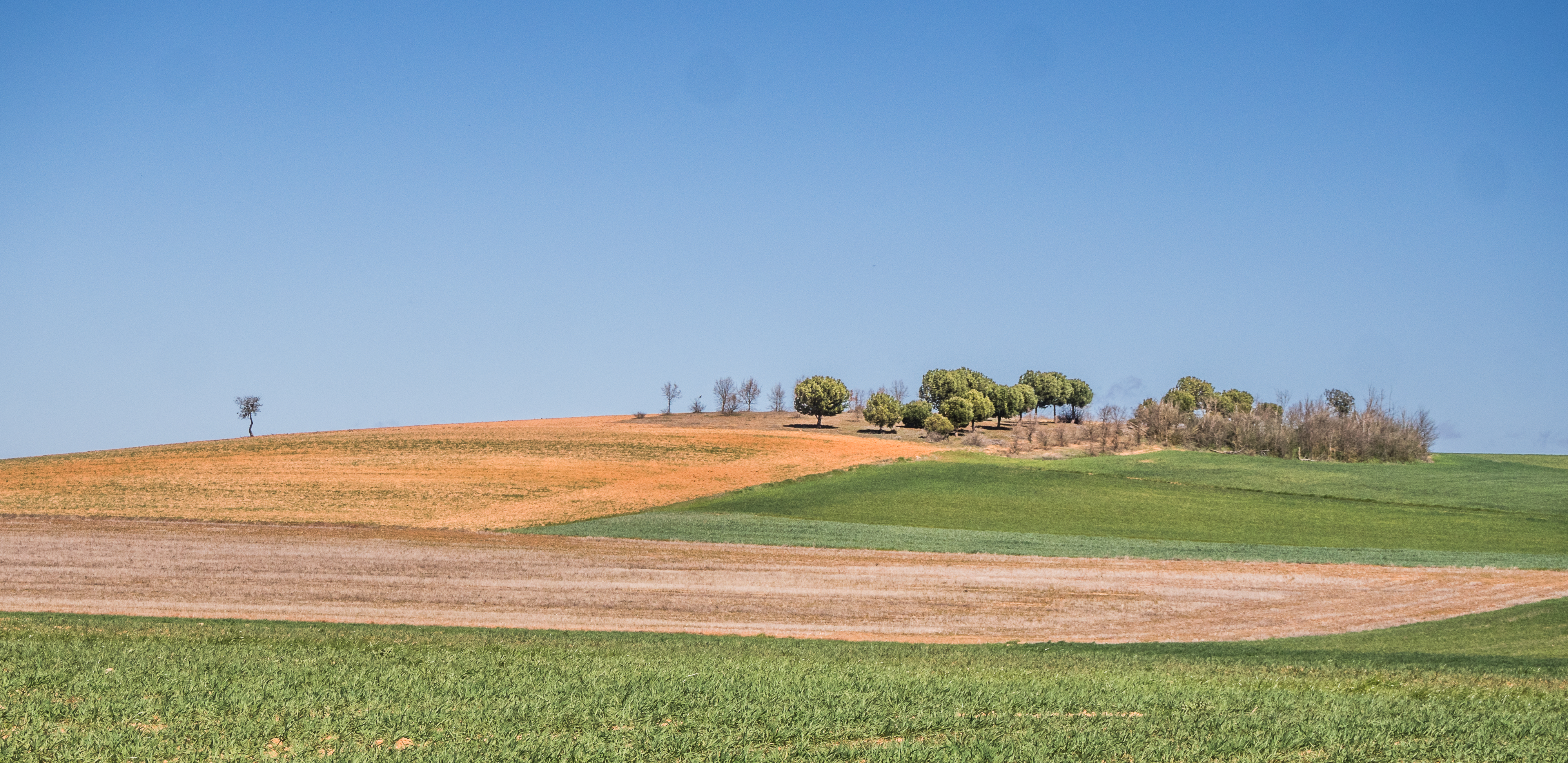
Continuing north from Zamora, you’ll enter into Tierra del Pan, the land of bread, as wineyards are replaced by wheat. The landscape is still rather uninteresting for the first part, and there are no alternatives this time, as there is only one viable bridge over the river Esla. The village of Montamarta is still inhabited (just) probably only because it’s on the camino. There are three (!!) bars in town, so you can even do a mini pub crawl. The locals do the same: I met the same people in every single one of them.









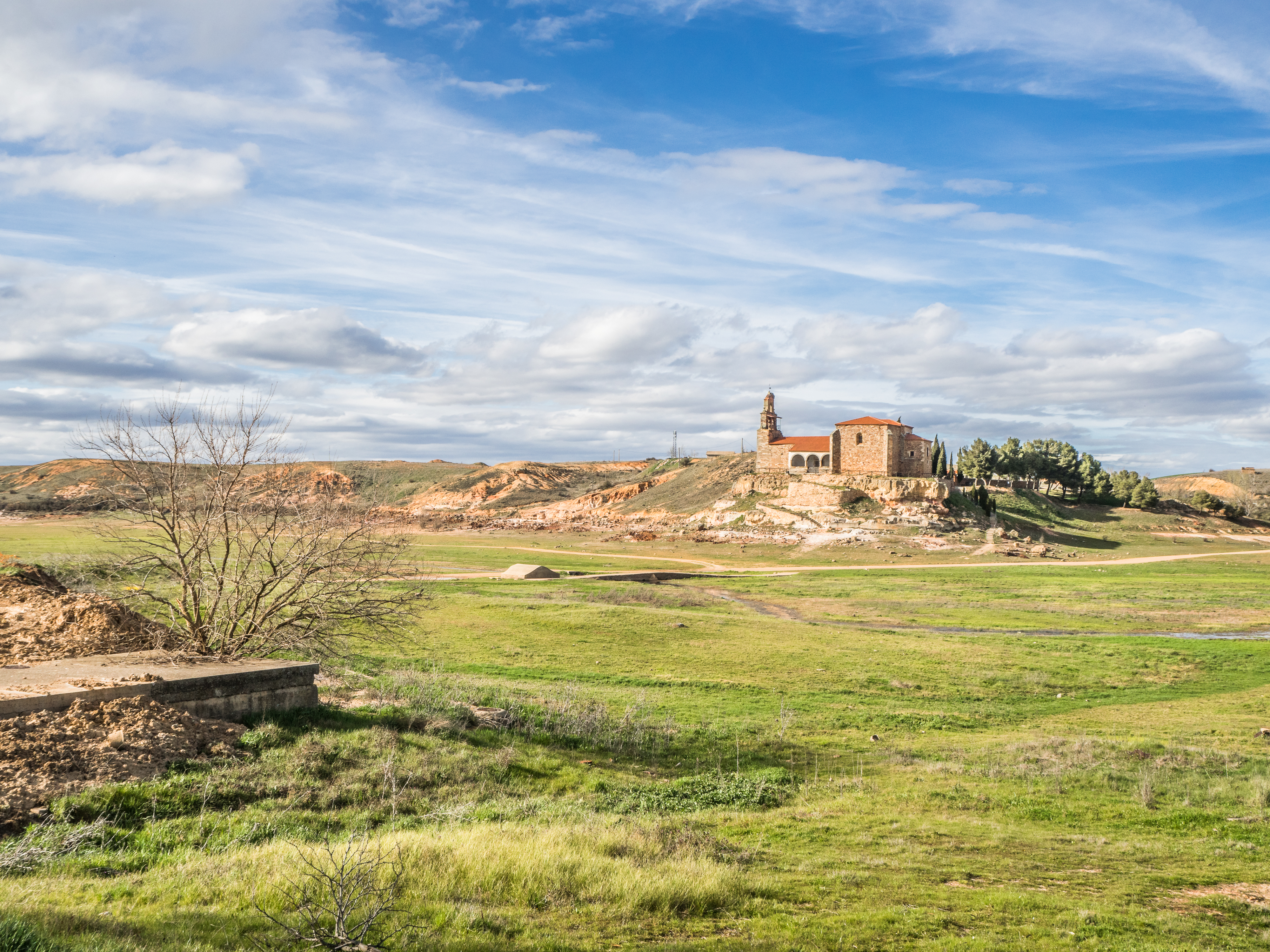
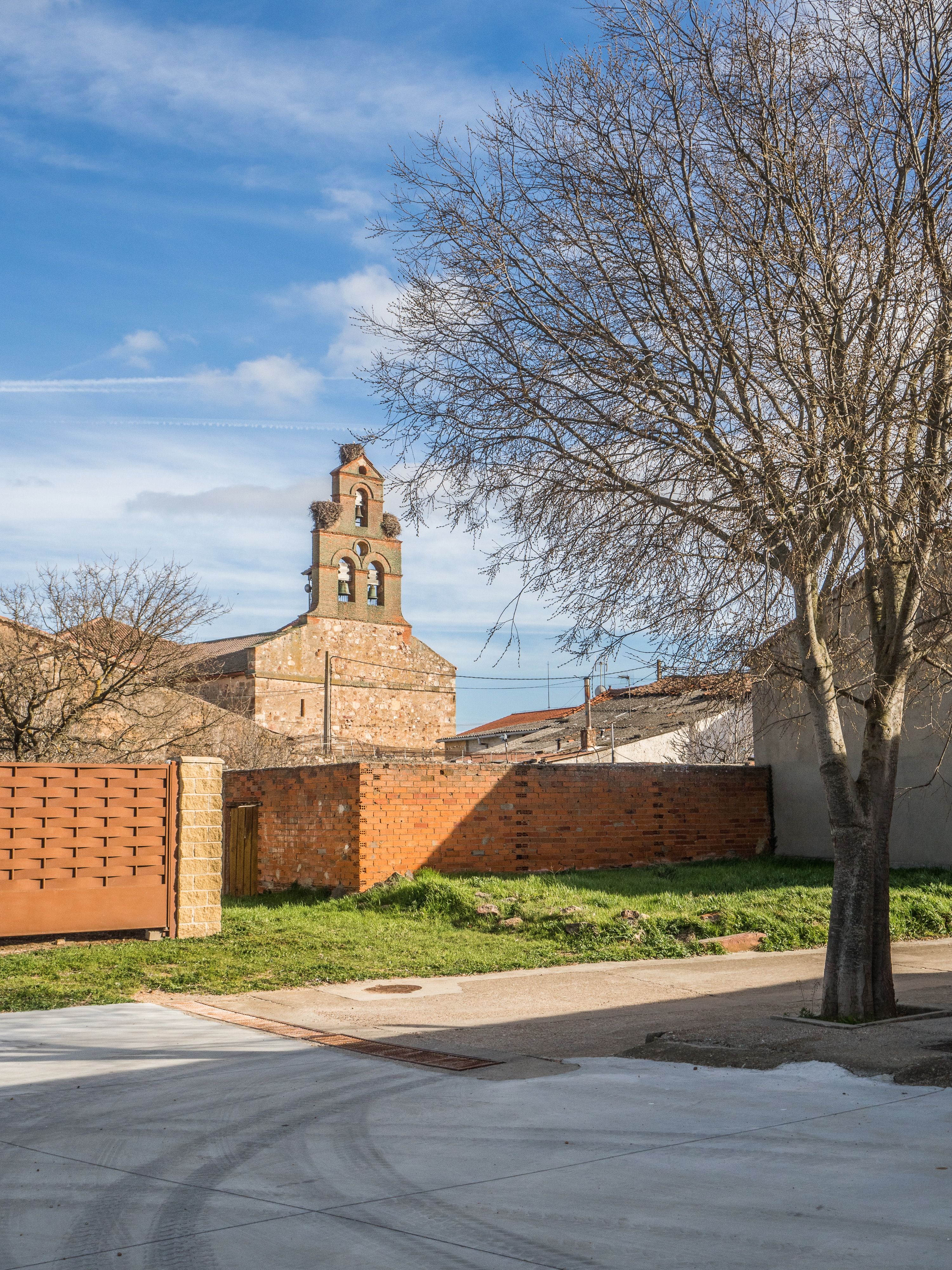


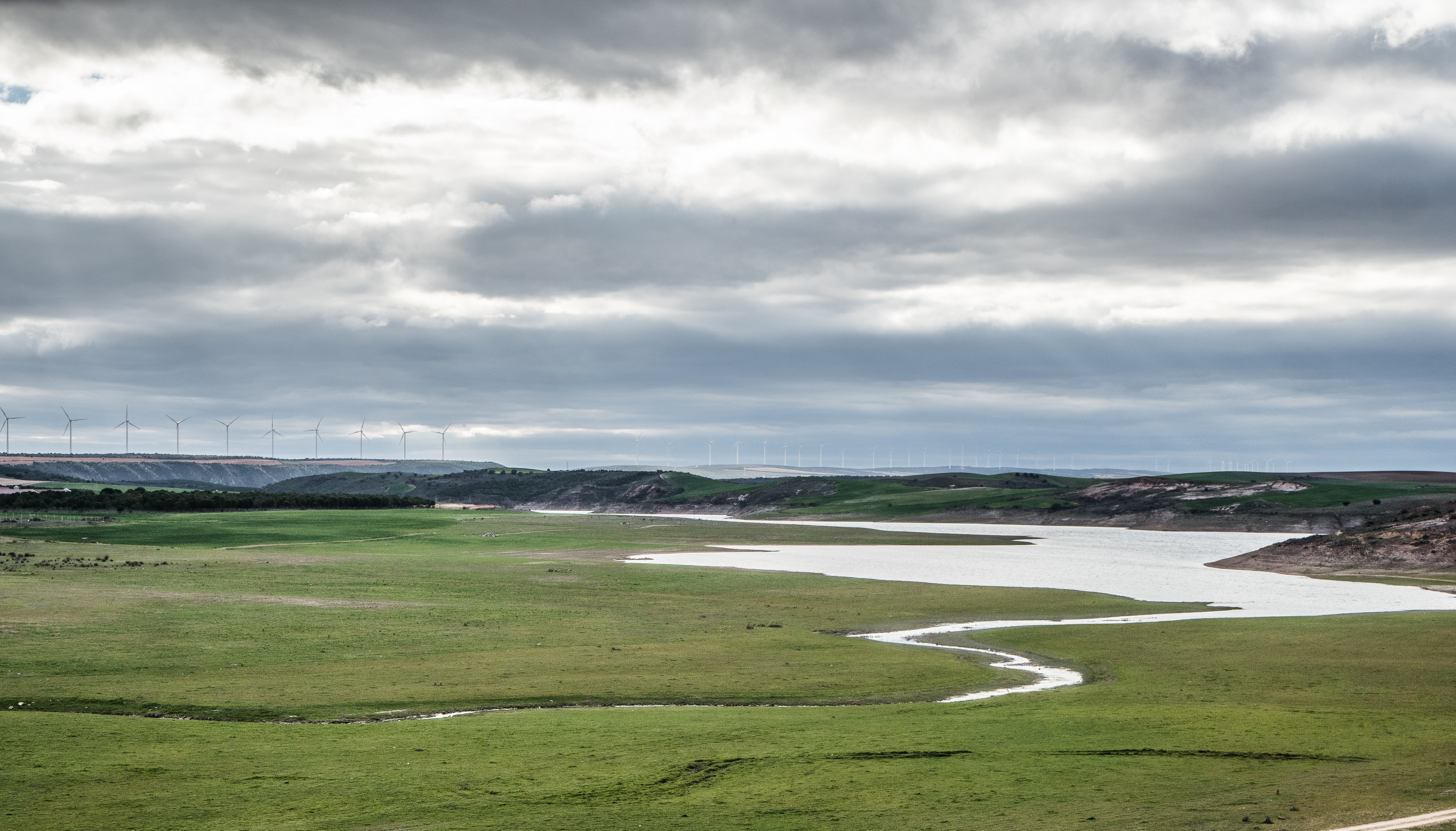

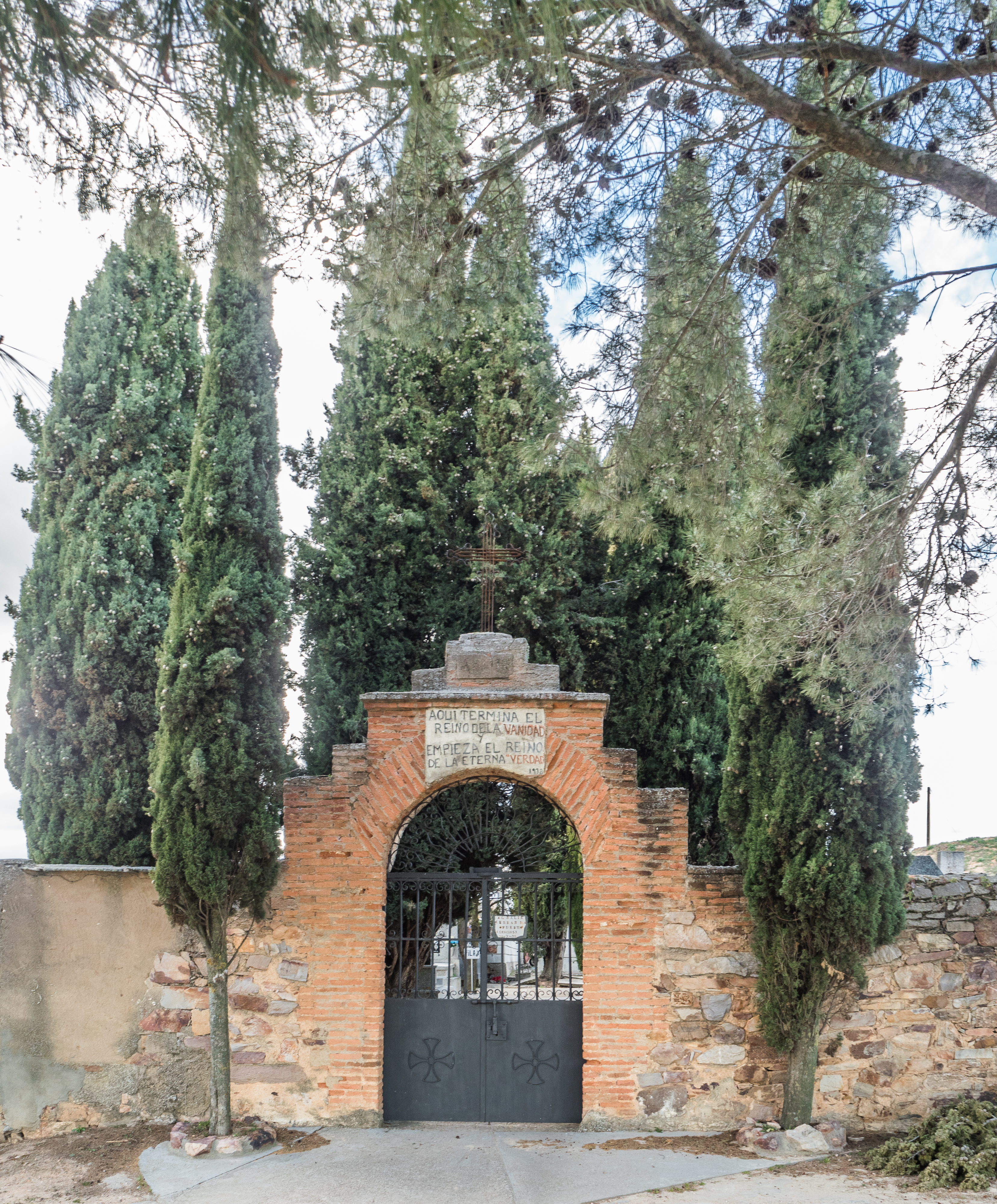
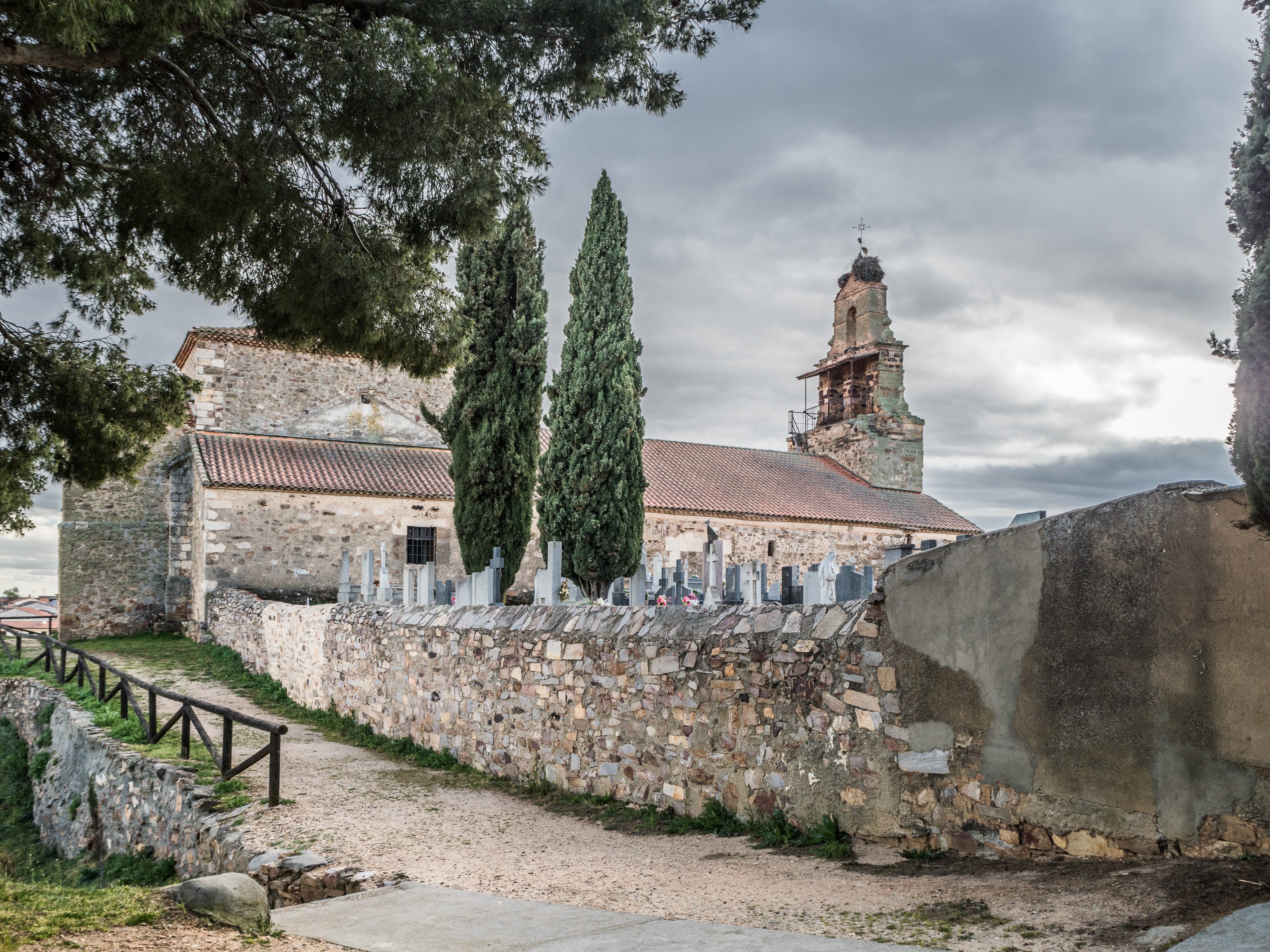
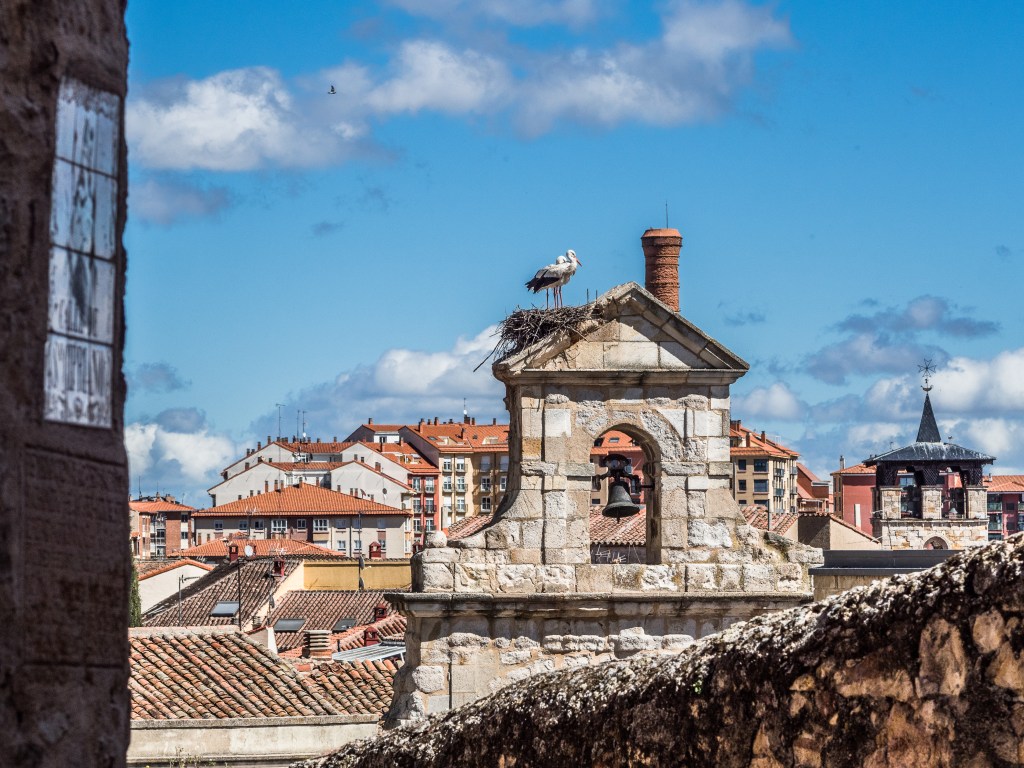
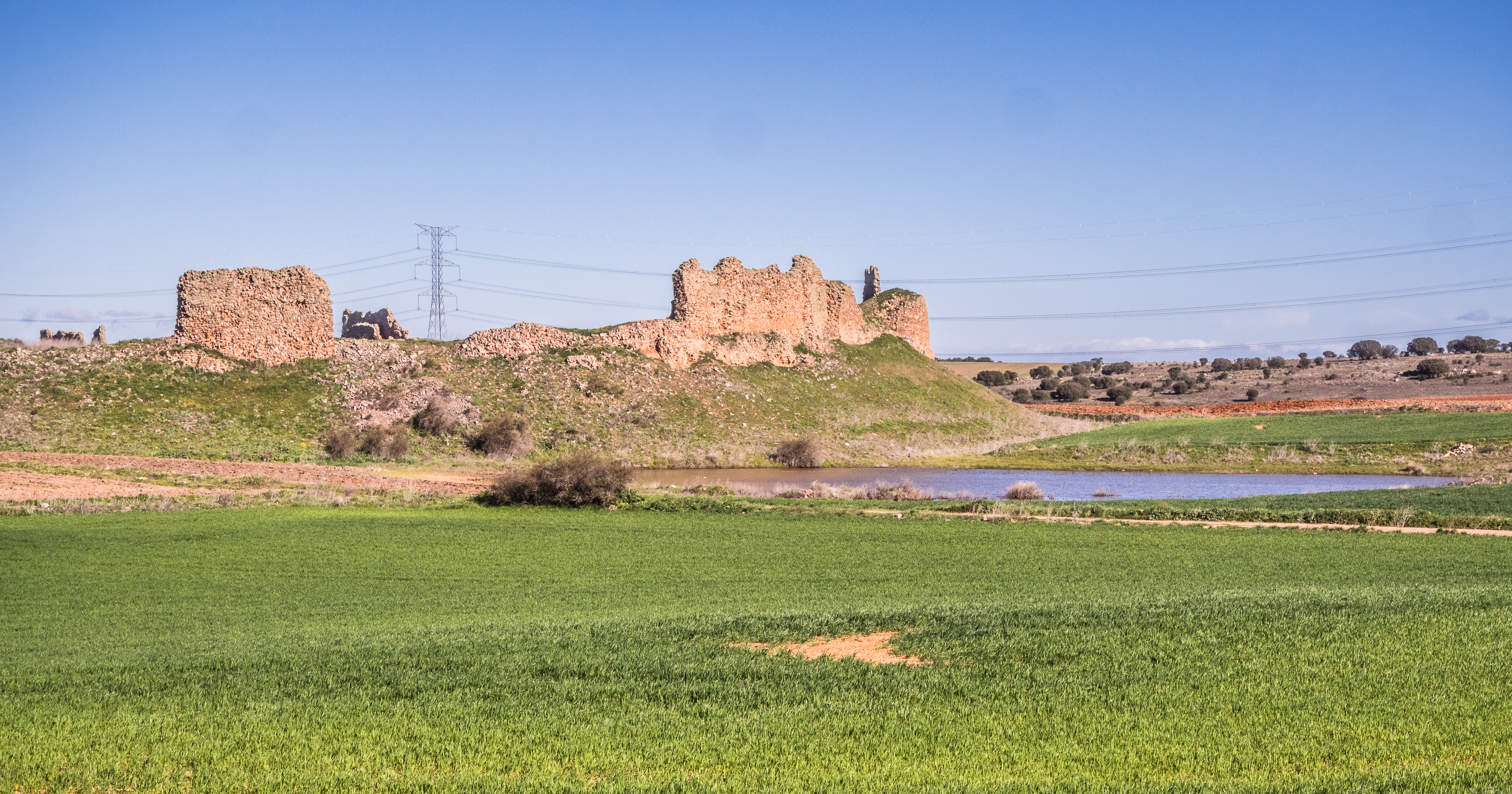
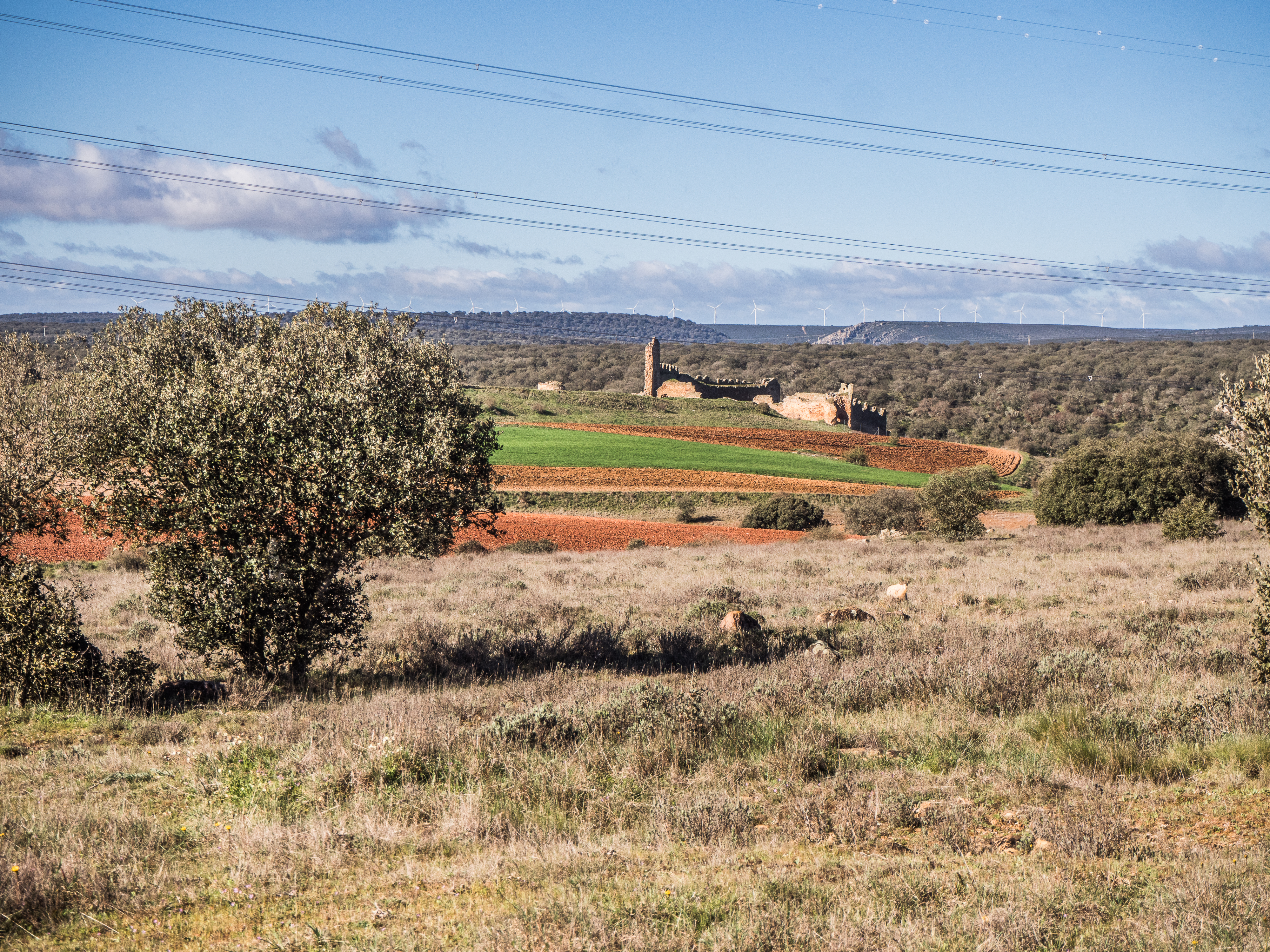
Ruins of Castillo de Castrotorafe on the shores of Ricobayo reservoir on river Esla, more fields and storks.









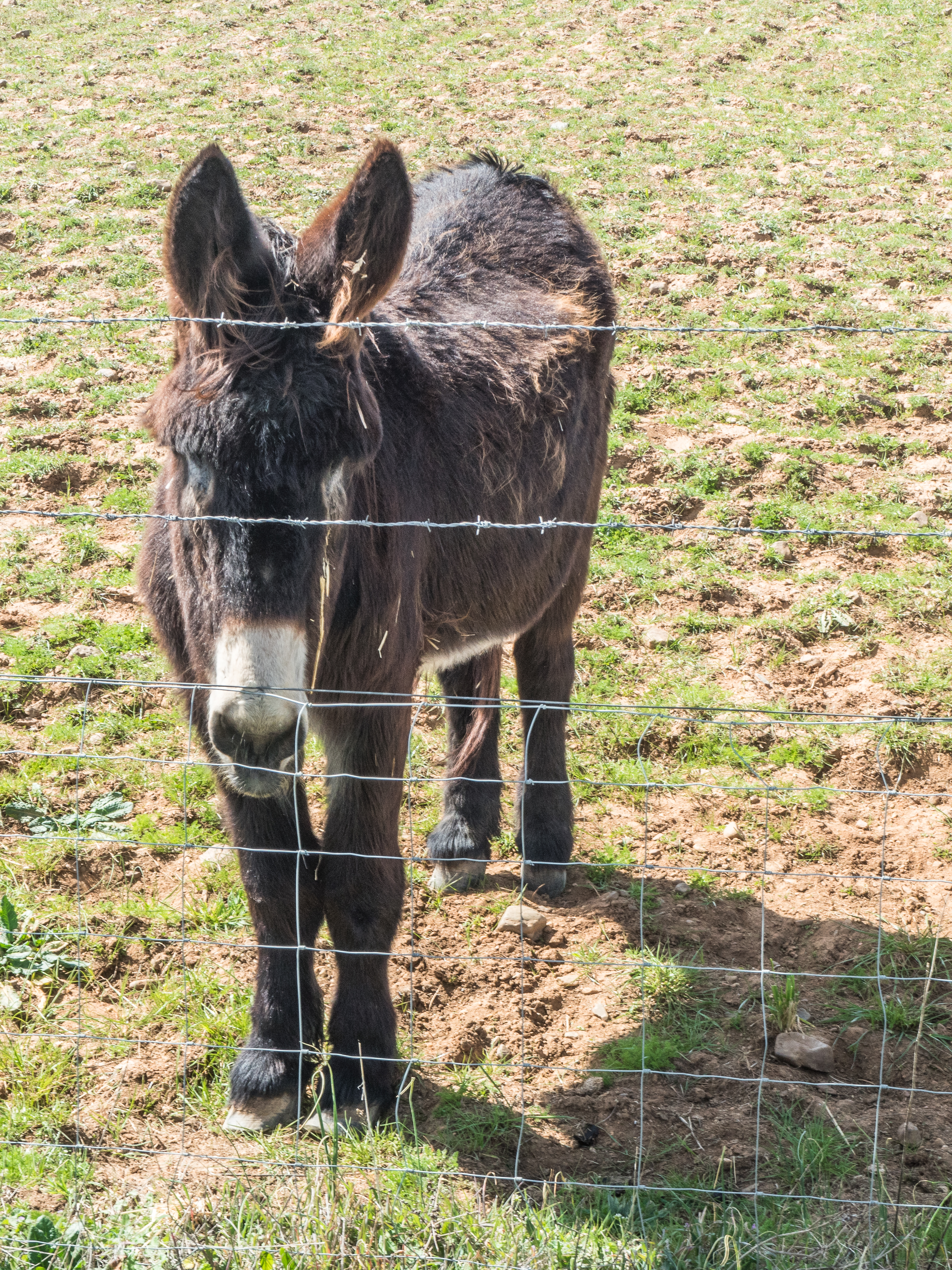
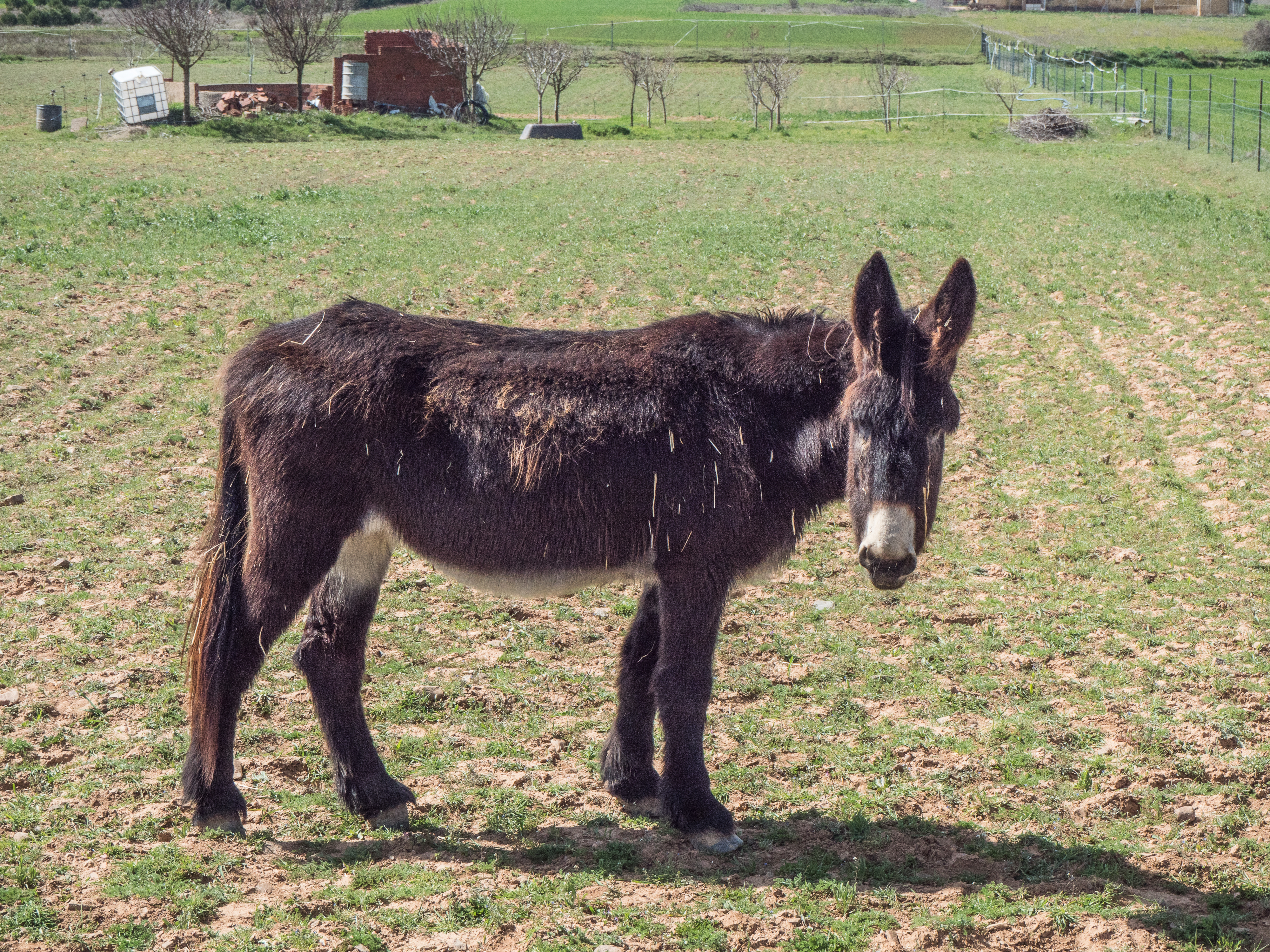
And to finish: burro zamorano, a local breed of big, strong donkey. Thank you for reading and stay tuned: to be continued soon.

 Kacenka on the road