Time for a lesson of colloquial Spanish with Kacenka. There is an amusing expression in Spanish that indicates a coitus more ferarum (intercourse in the manner of wild beasts), a somewhat dramatic latin expression for what is more commonly known as doggy style. The Spaniards look towards Cuenca, or more often, make someone else look towards Cuenca. There are two theories about the origin of this expression. One dates back to the XVI century during the reign of Joanna of Castille (known as Joanna the Mad) and her husband Philip the Handsome. It is said that Philip was a ladies’ man, and every time he wanted a moment with some lady-in-waiting, he would invite her to his observatory tower to “look towards Cuenca”. Joanna may have been mad, but she certainly wasn’t stupid, so I doubt this excuse would have worked more than once.
The second theory is a little more offensive (to an entire group of people, not just to the intelligence of Joanna). It refers to the position the Muslims assume at the time of the prayer. And when you look towards Mecca from Madrid, Cuenca is directly in the way. So, there you go. If someone invites you to look in that particular direction, bear in mind they are not testing your knowledge of Spanish geography or your orientation skills.
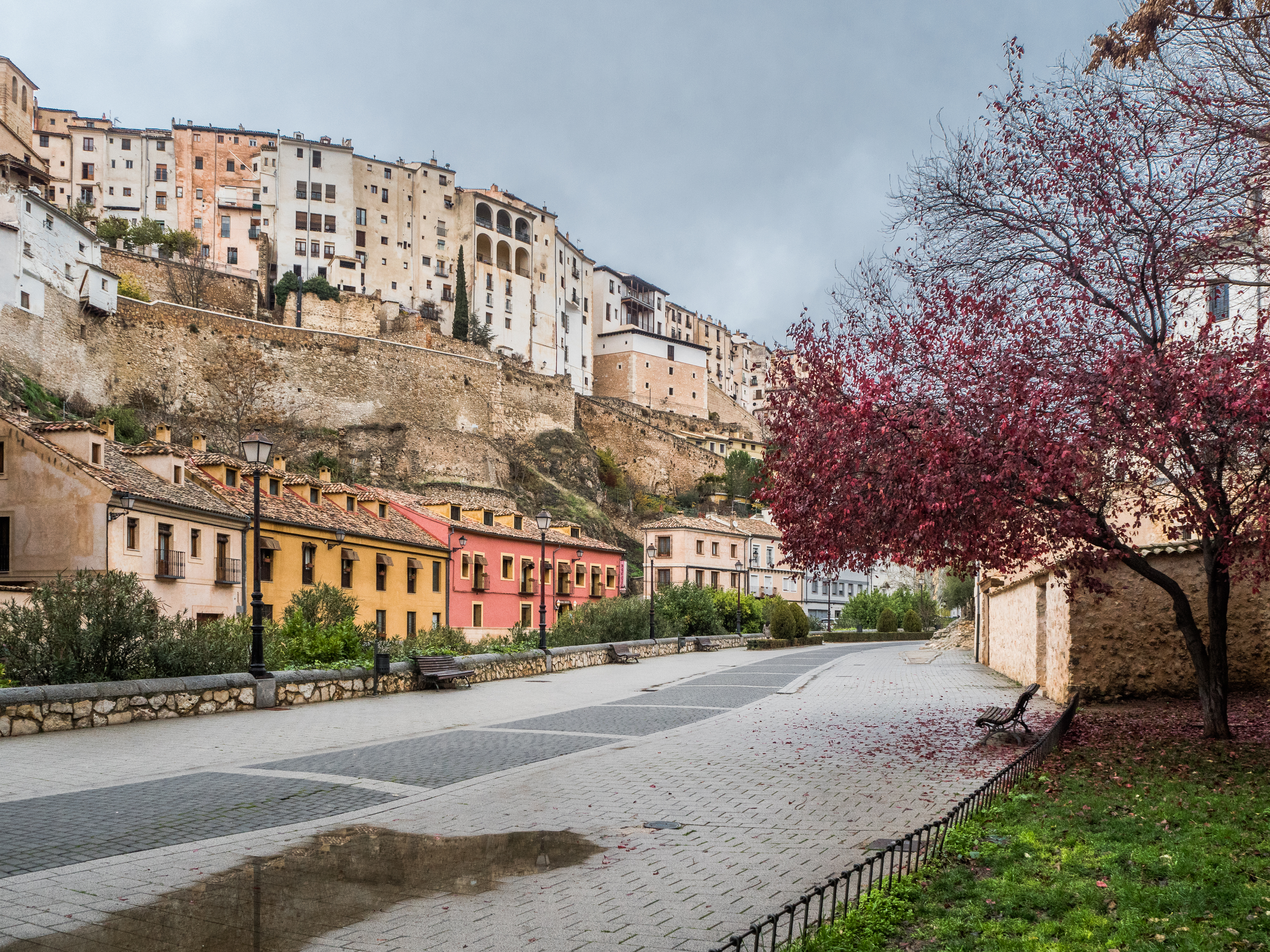
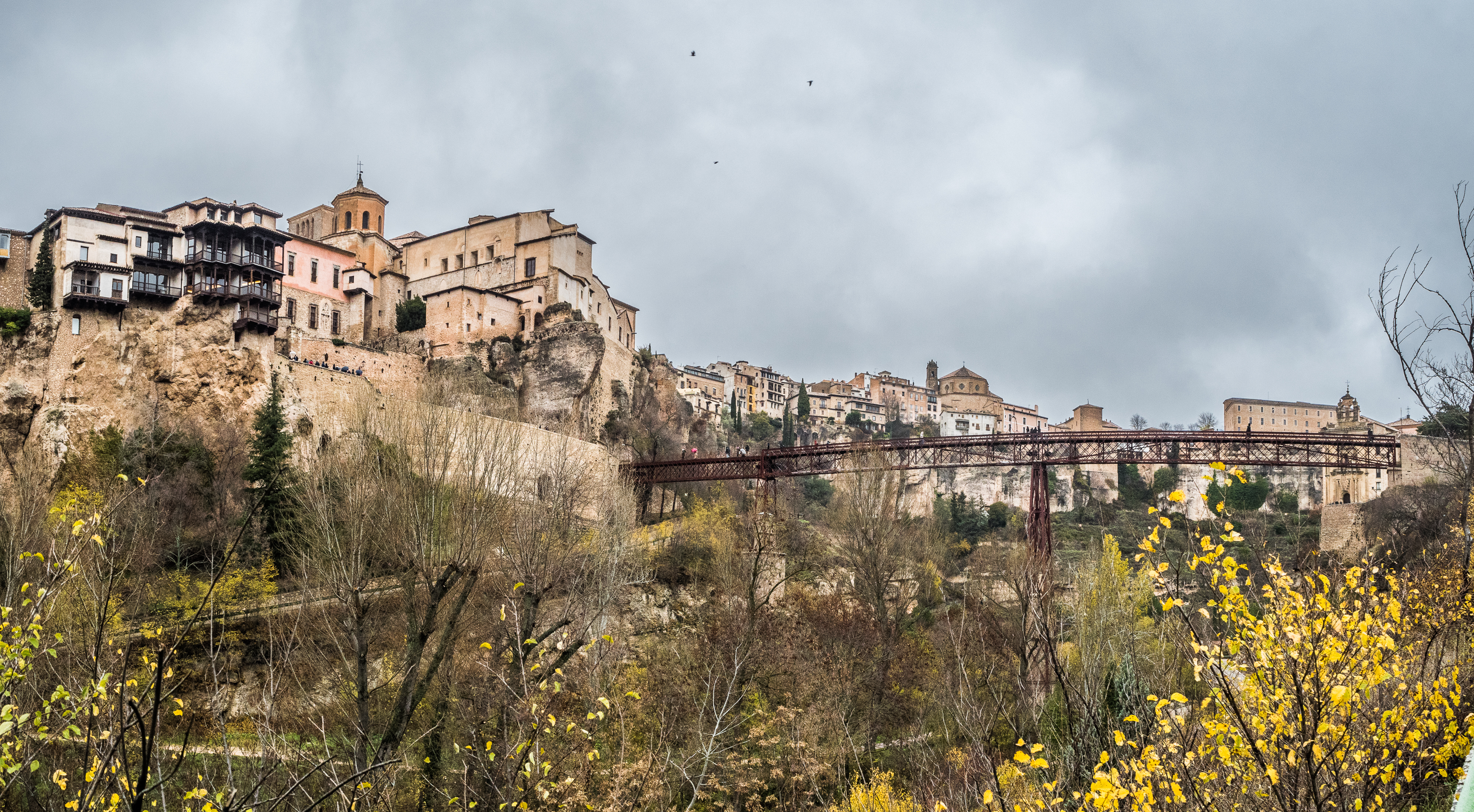
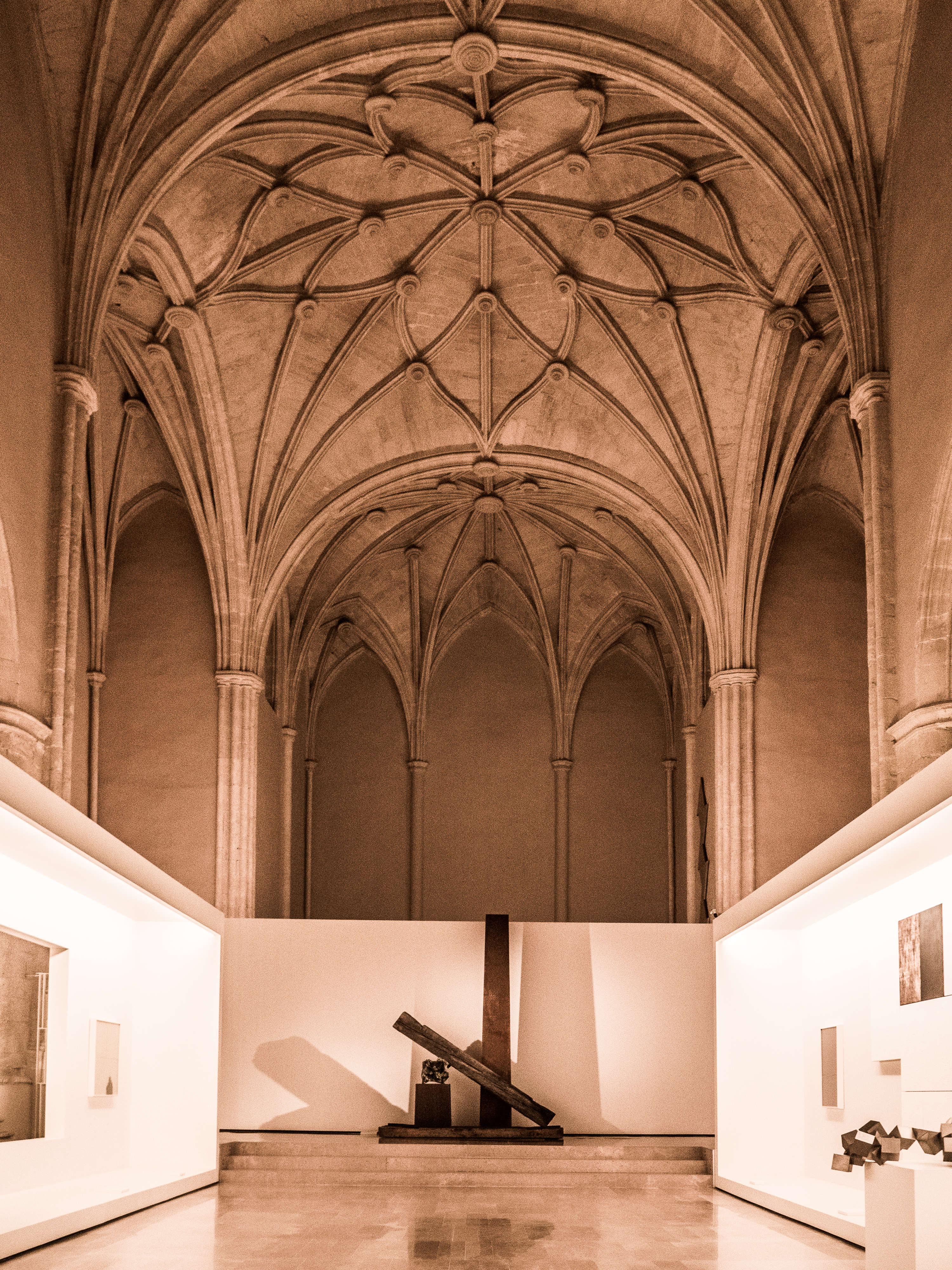


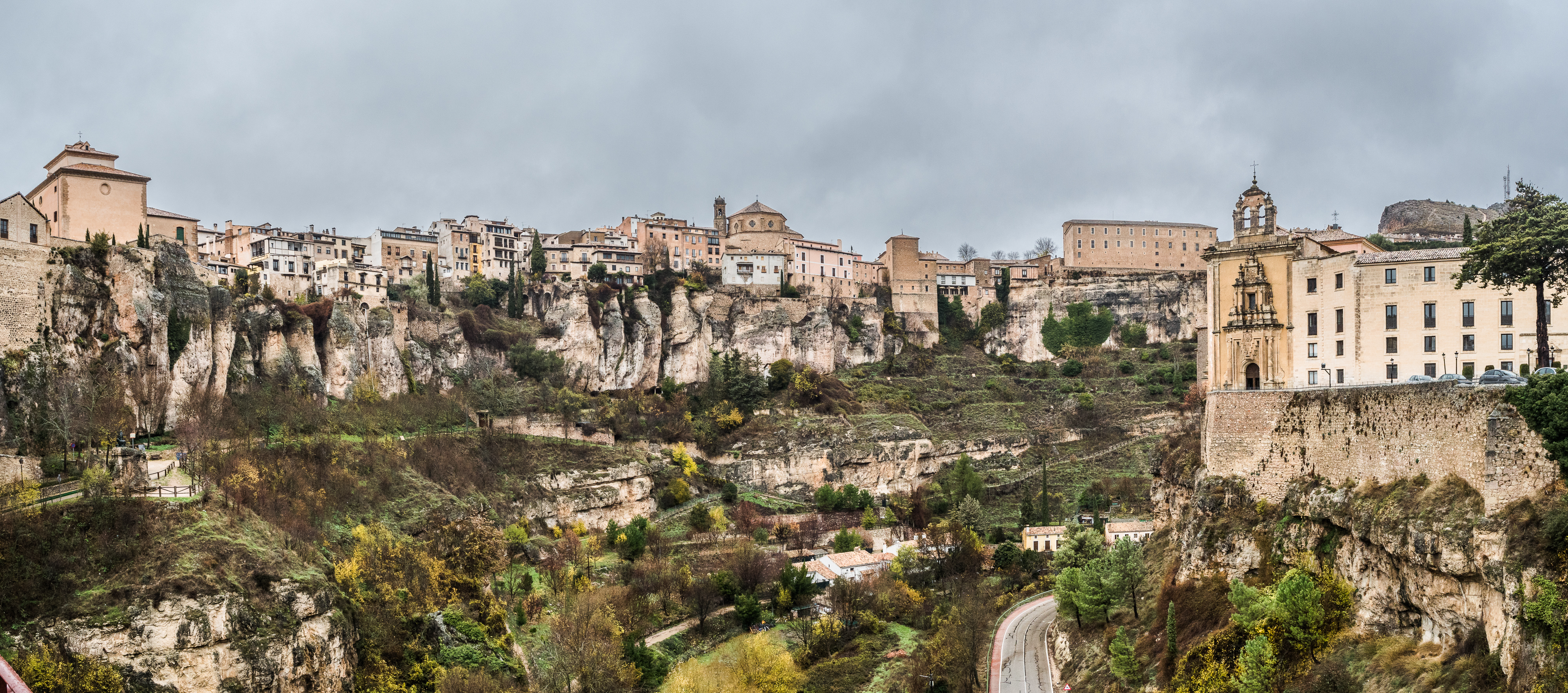
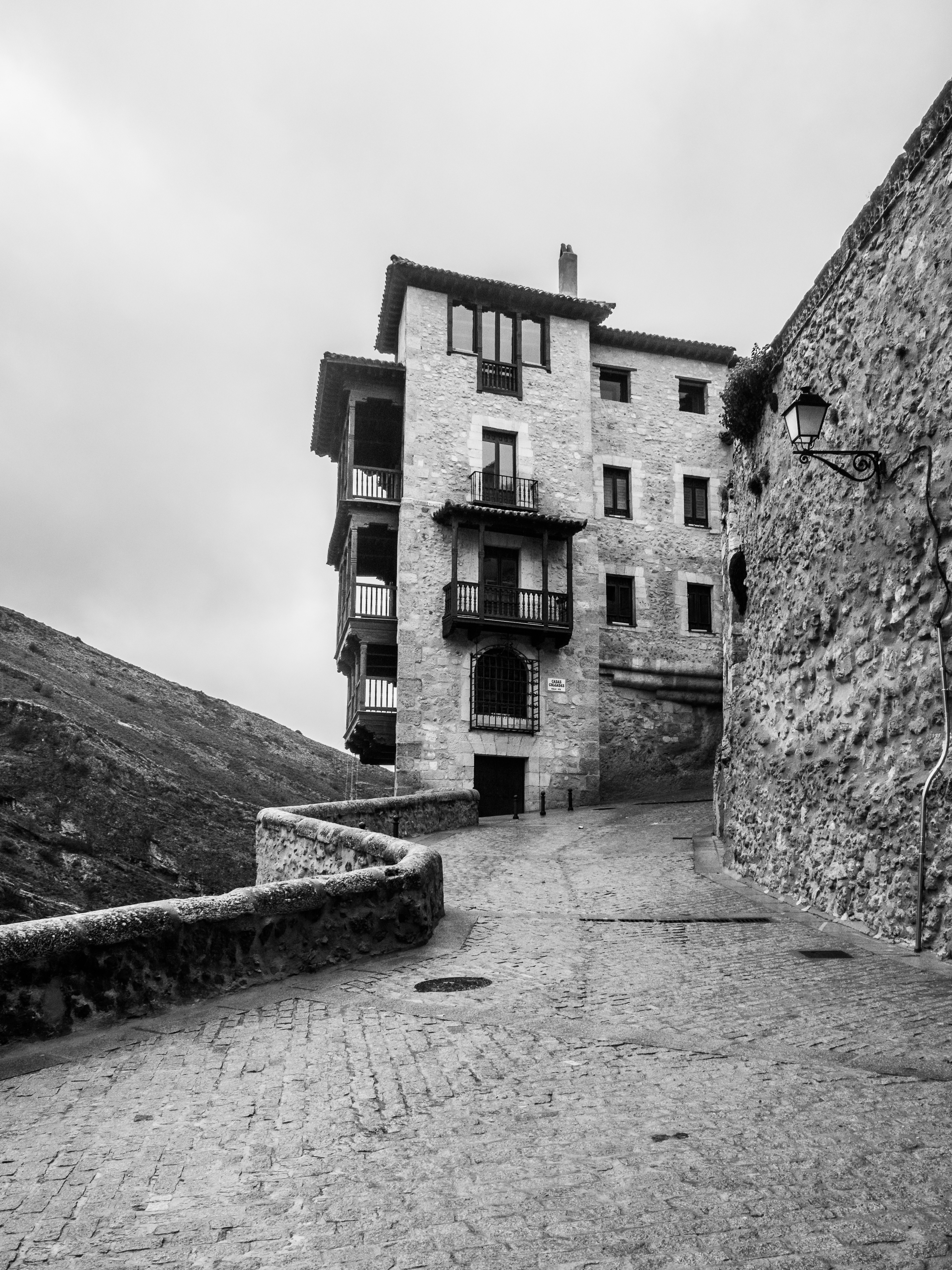
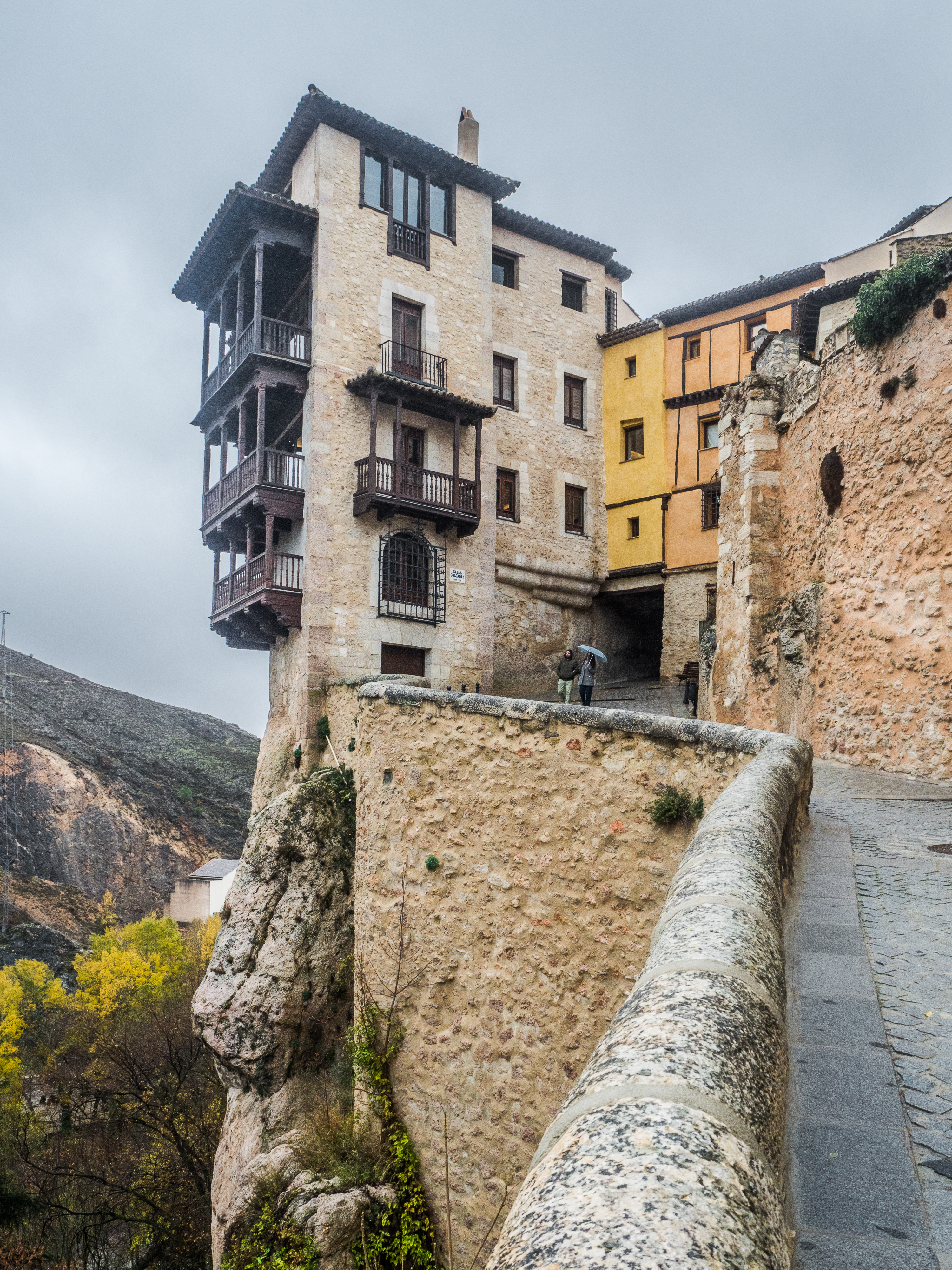
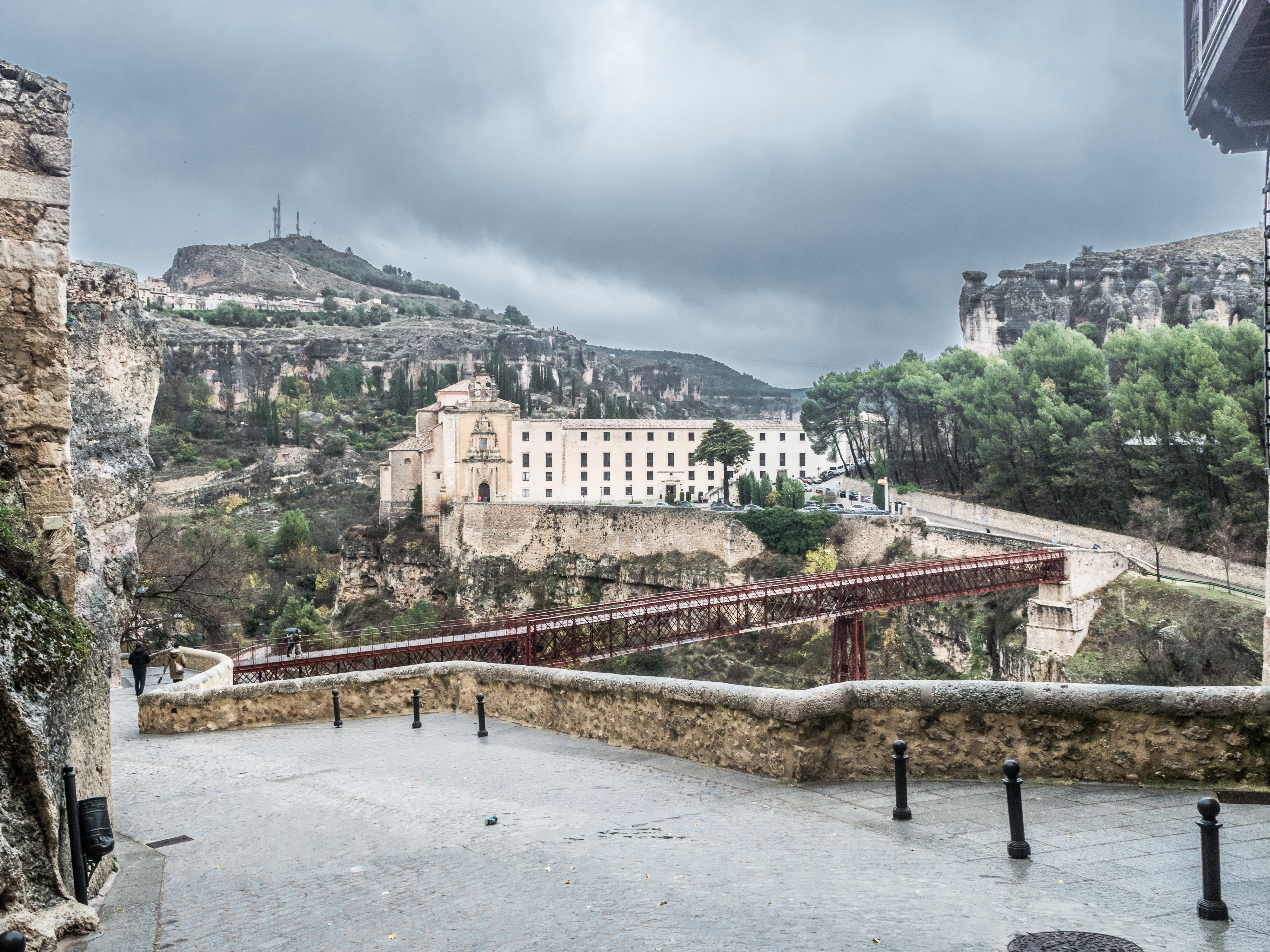


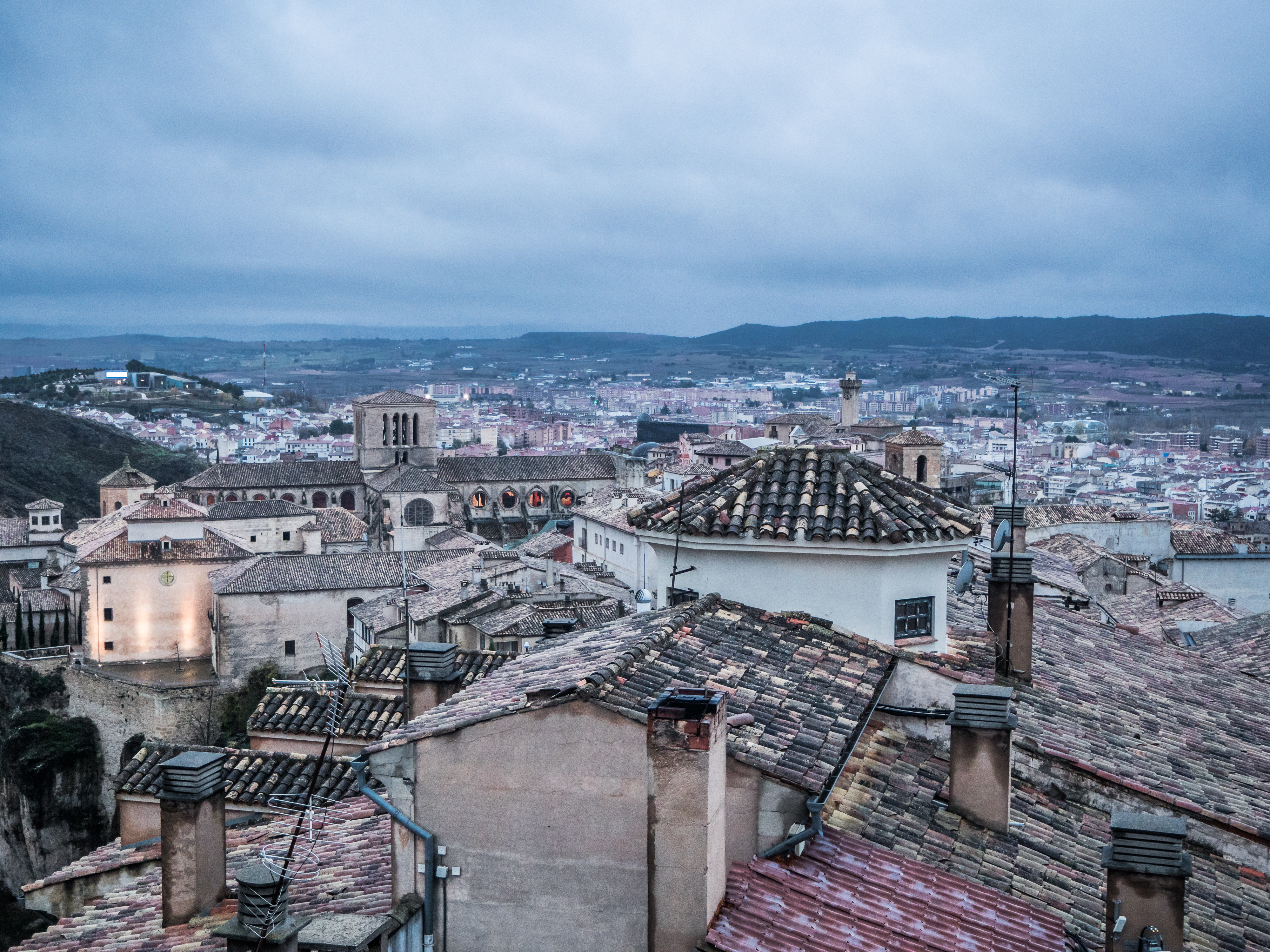
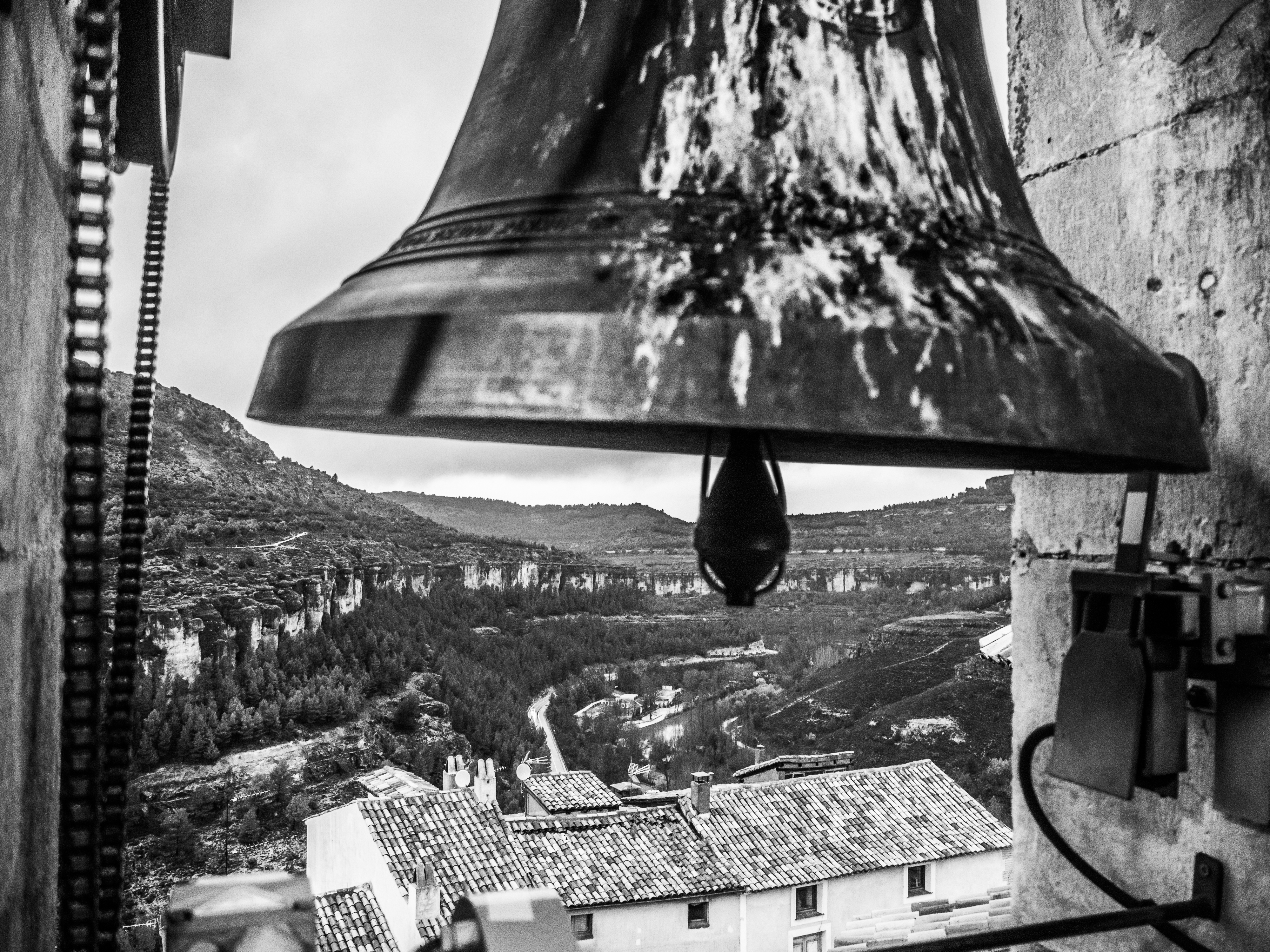

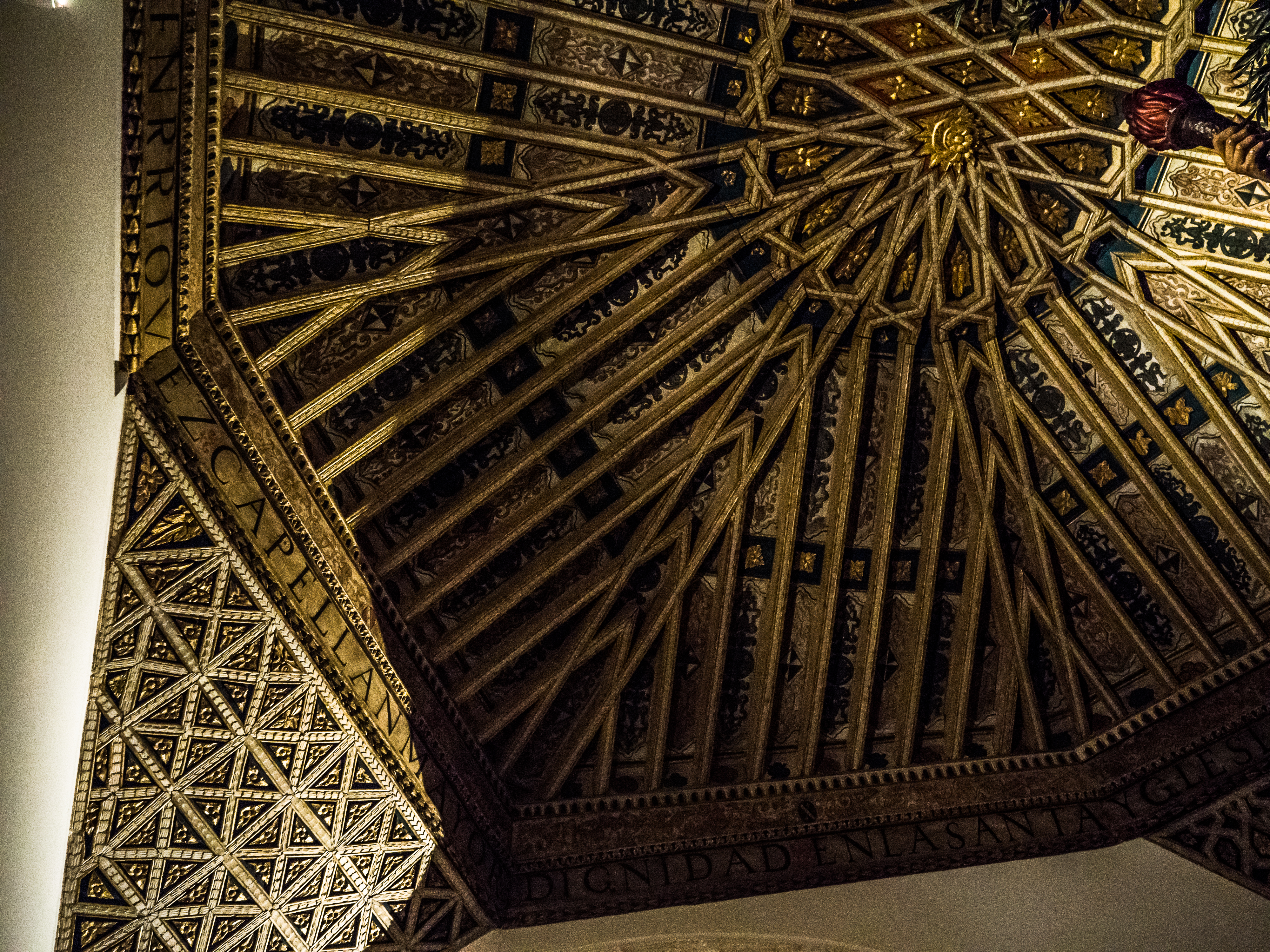
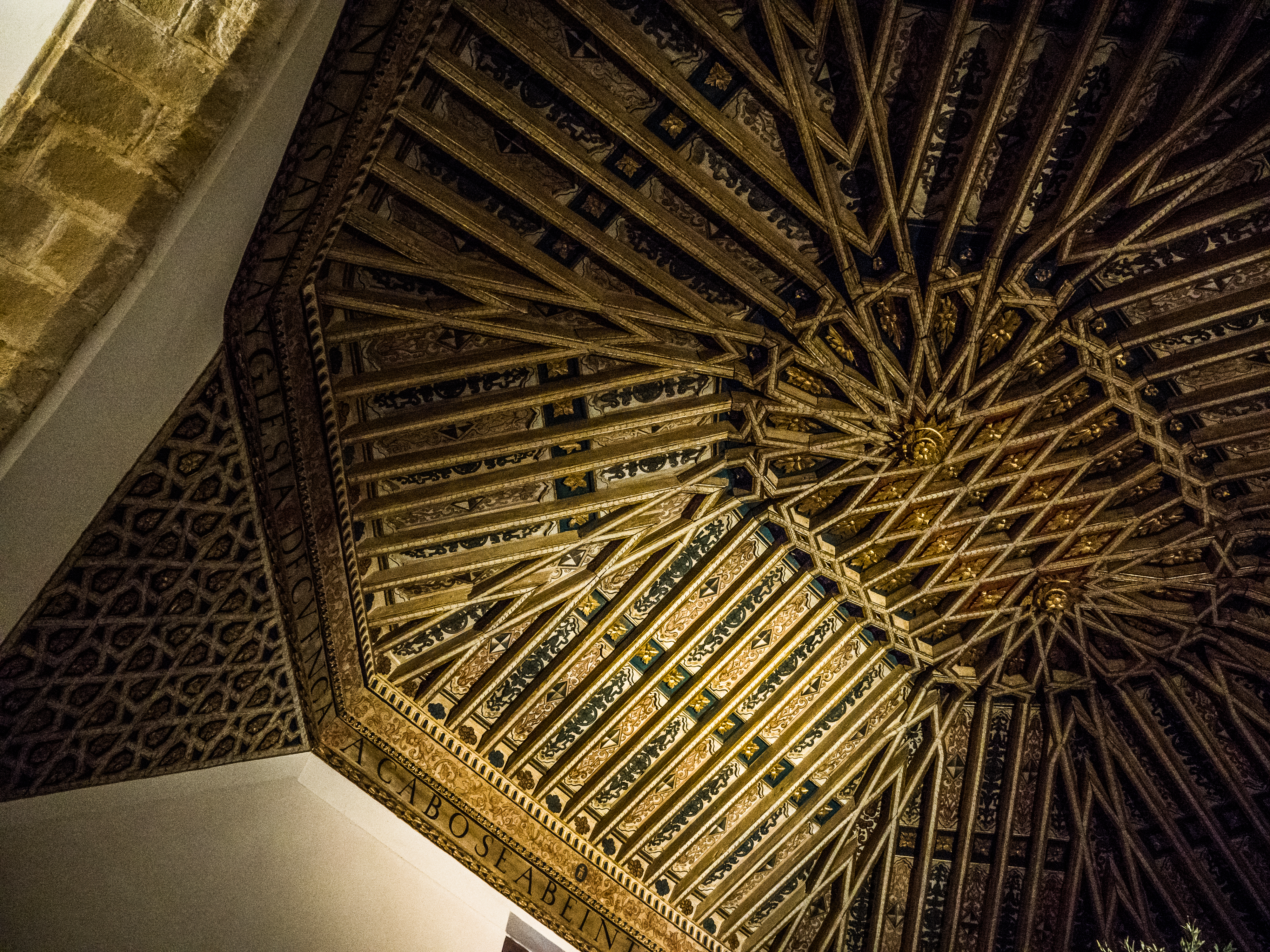
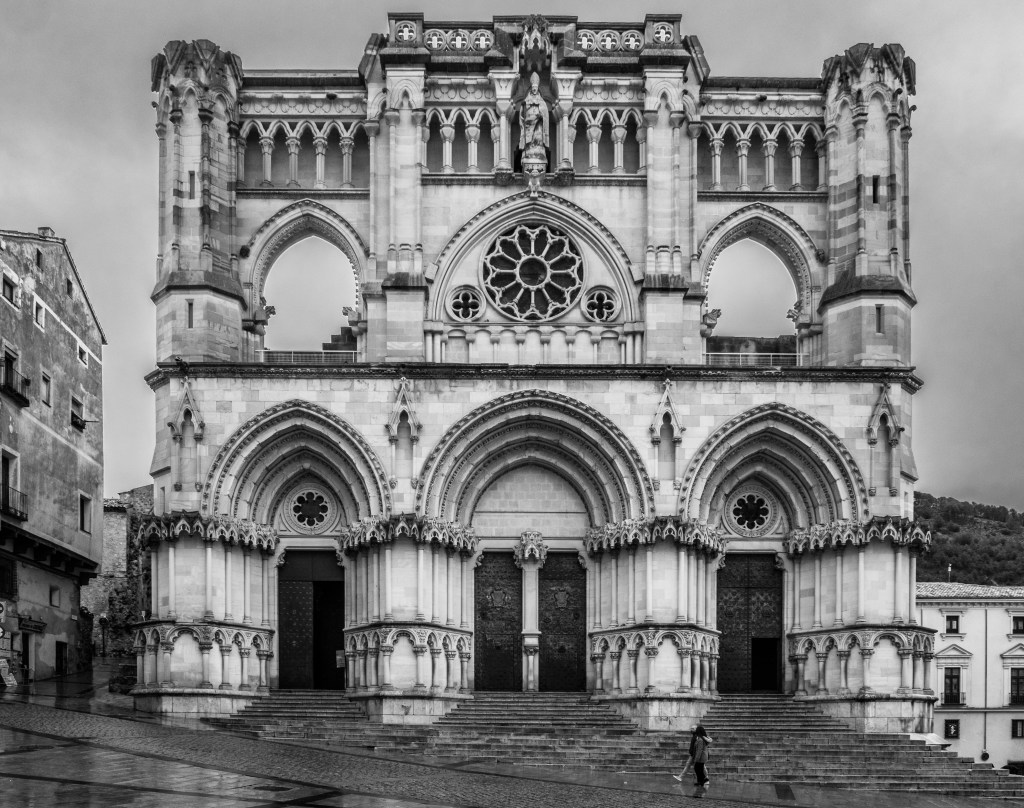
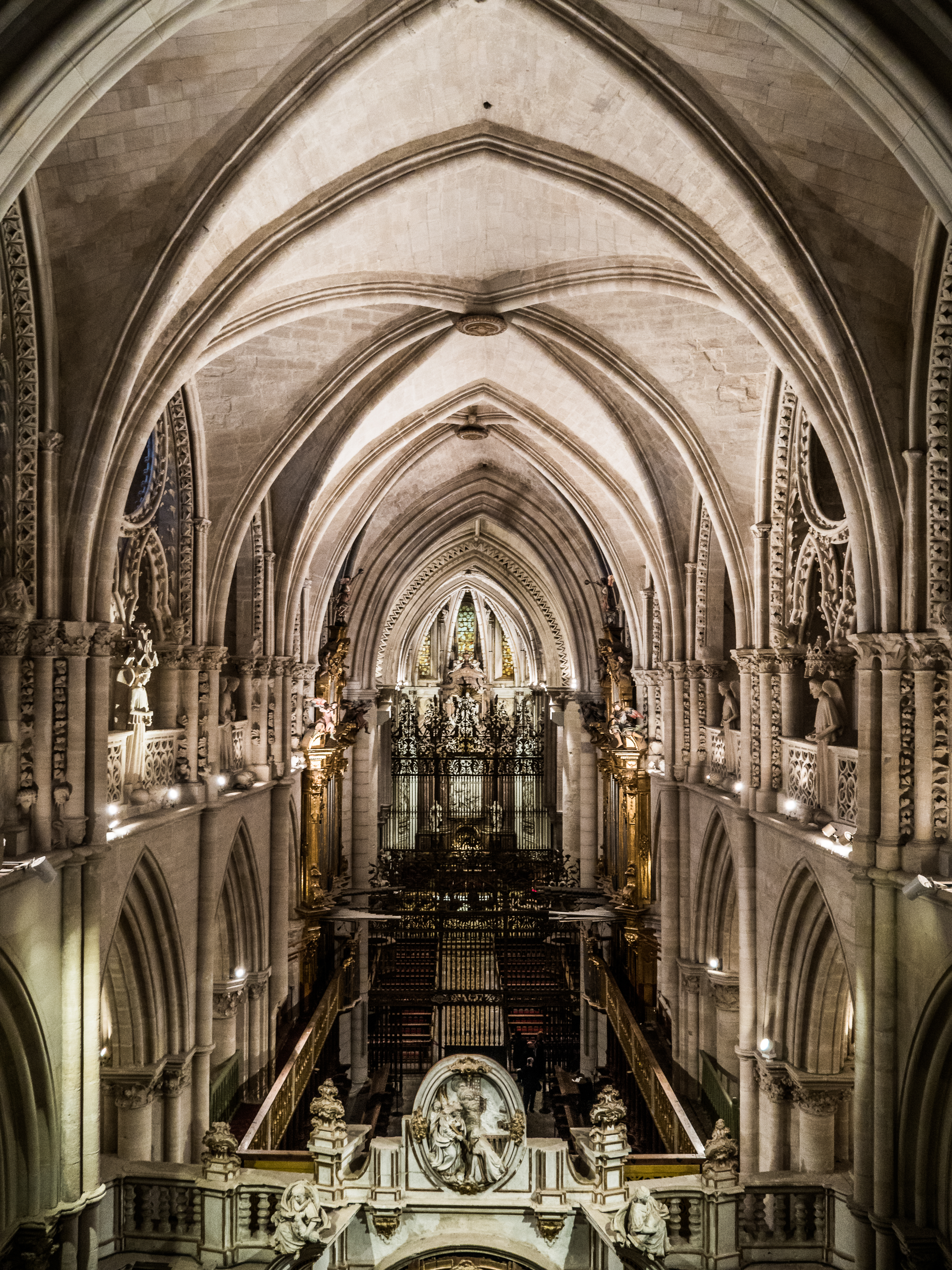
Cuenca can be reached in just one hour on the high speed train from Madrid, therefore it is a possible destination for a day trip, although I recommend driving (or at least, get a car once there), because there is much more to discover around. The city is situated on the confluence of rivers Júcar and Huécar, both create deep canyons, and the old town is built on the cliffs high above both rivers. The historical centre is small, you can visit the cathedral, the hanging houses (one of them is a restaurant, the other hosts a contemporary arts museum) and a handful of other churches comfortably in one day. Former Dominican monastery of San Pablo on the other side of river Huécar canyon is connected to the old town by a steel foot bridge. The convent is nowadays a Parador (a state-owned chain of high-end hotels located in historical landmarks that would be otherwise difficult to maintain), and the church is now a contemporary museum exhibiting works by mostly Spanish artists.








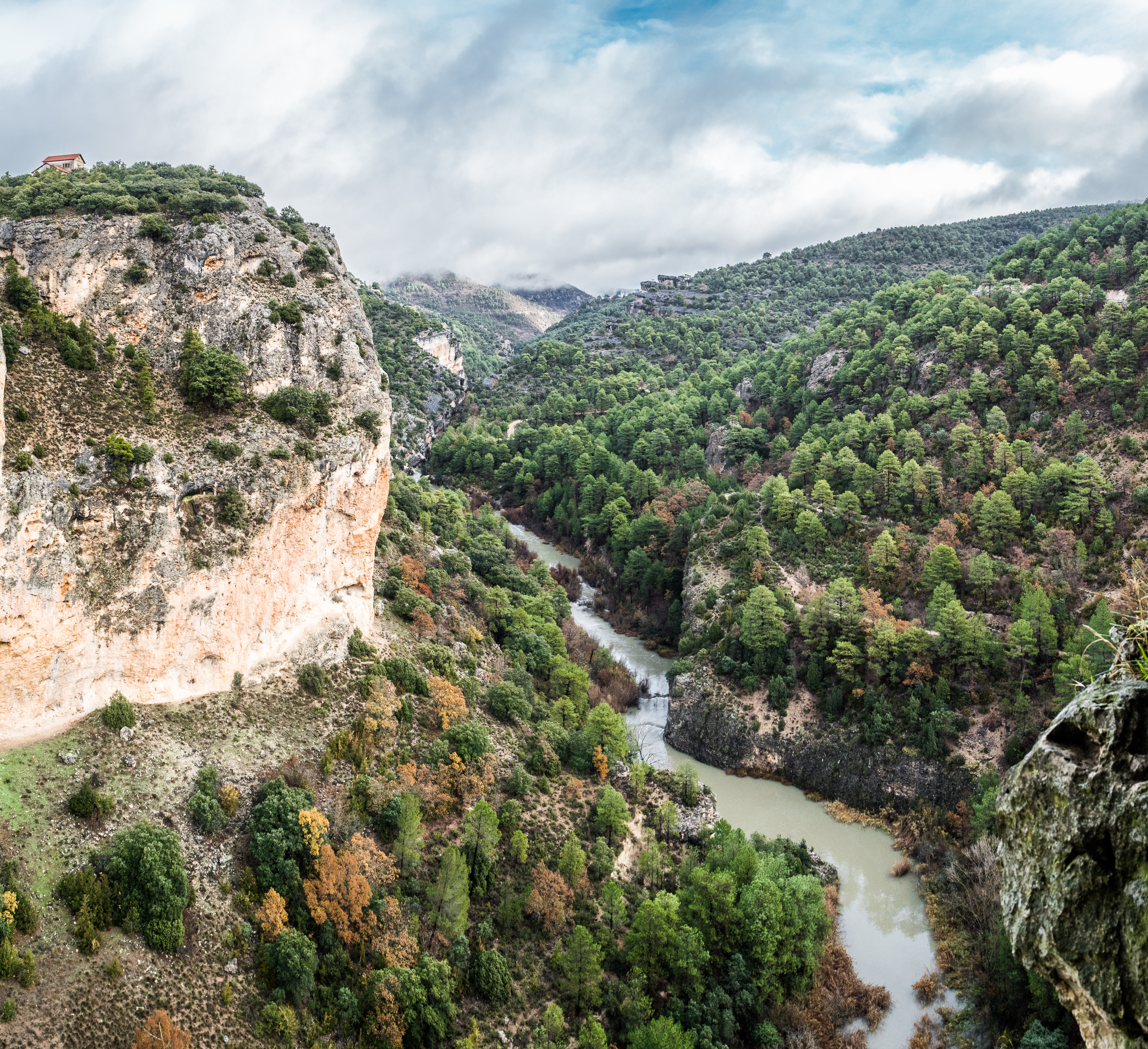
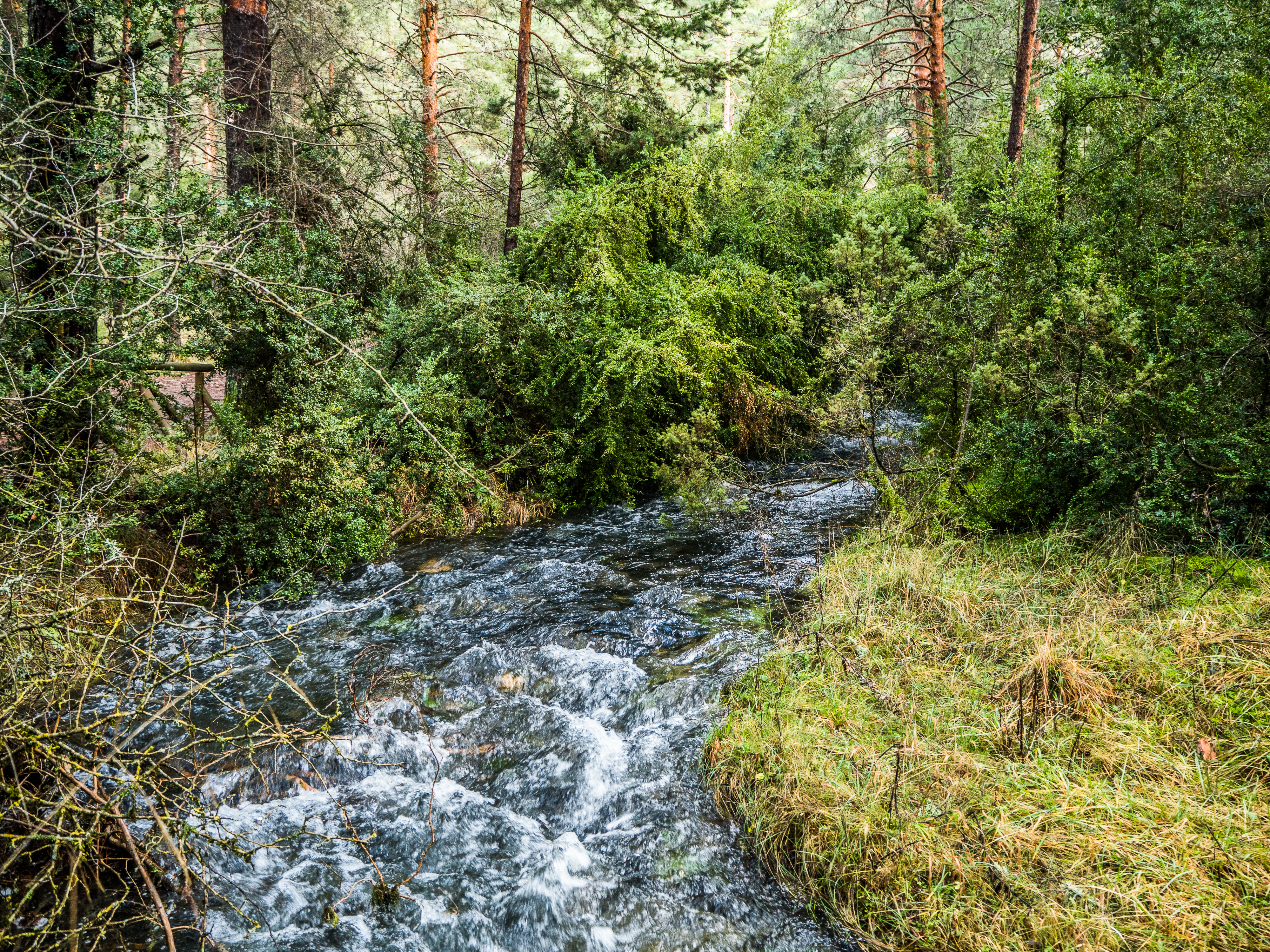
Some photos from the drive along the river Júcar: a stop at Ventana del Diablo (a viewpoint over the canyon, if this really is Devil´s window, the view isn’t bad at all) and a short hike to the source of the same river at Estrecho del Infierno (Hell’s Gorge). The name is really dramatic, but to be fair, all you’ll encounter is a tiny timid stream that doesn’t look at all like it’s coming from hell. But then this “tiny stream” created the entire canyon at one point, so what do I know.






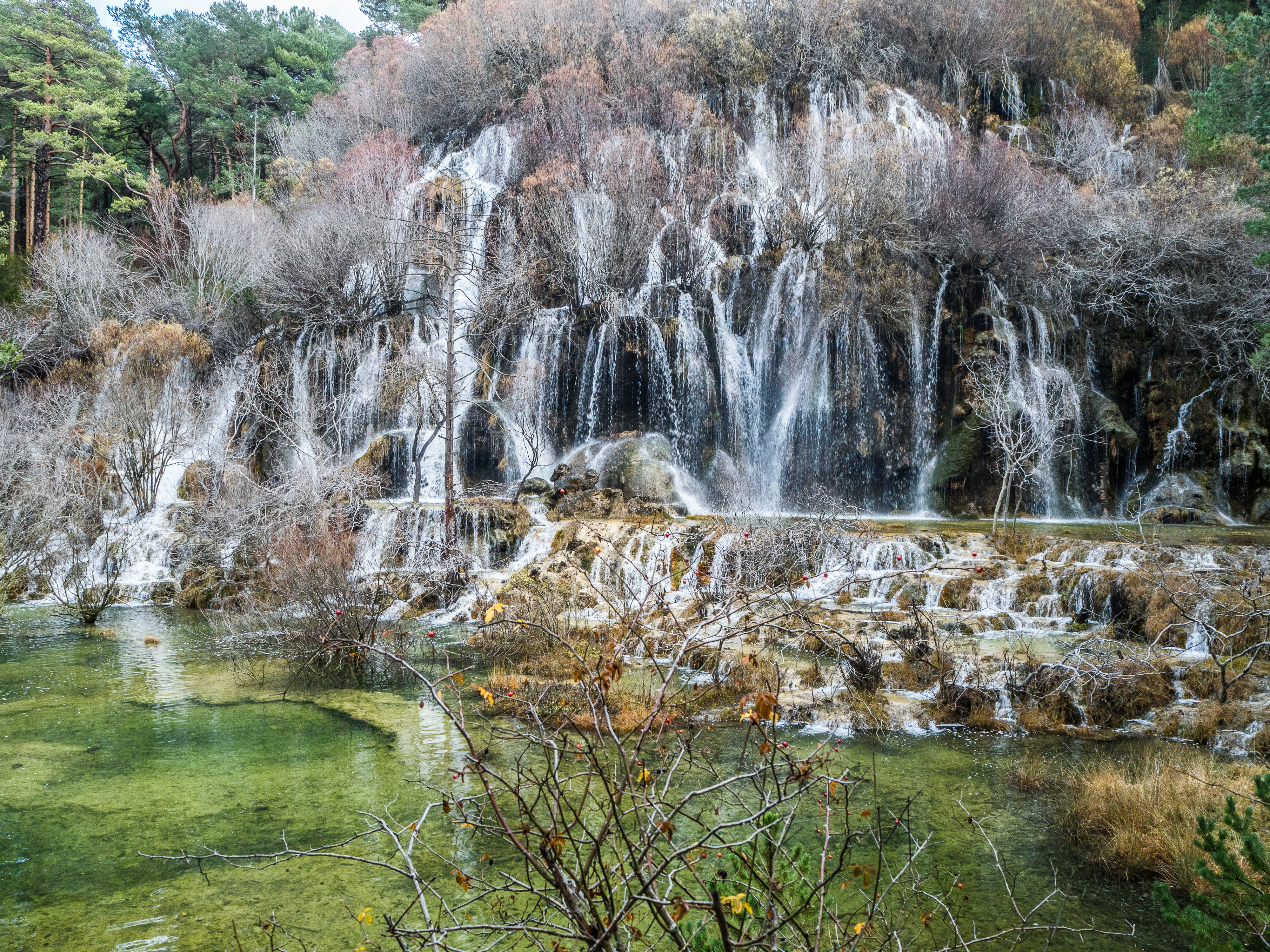
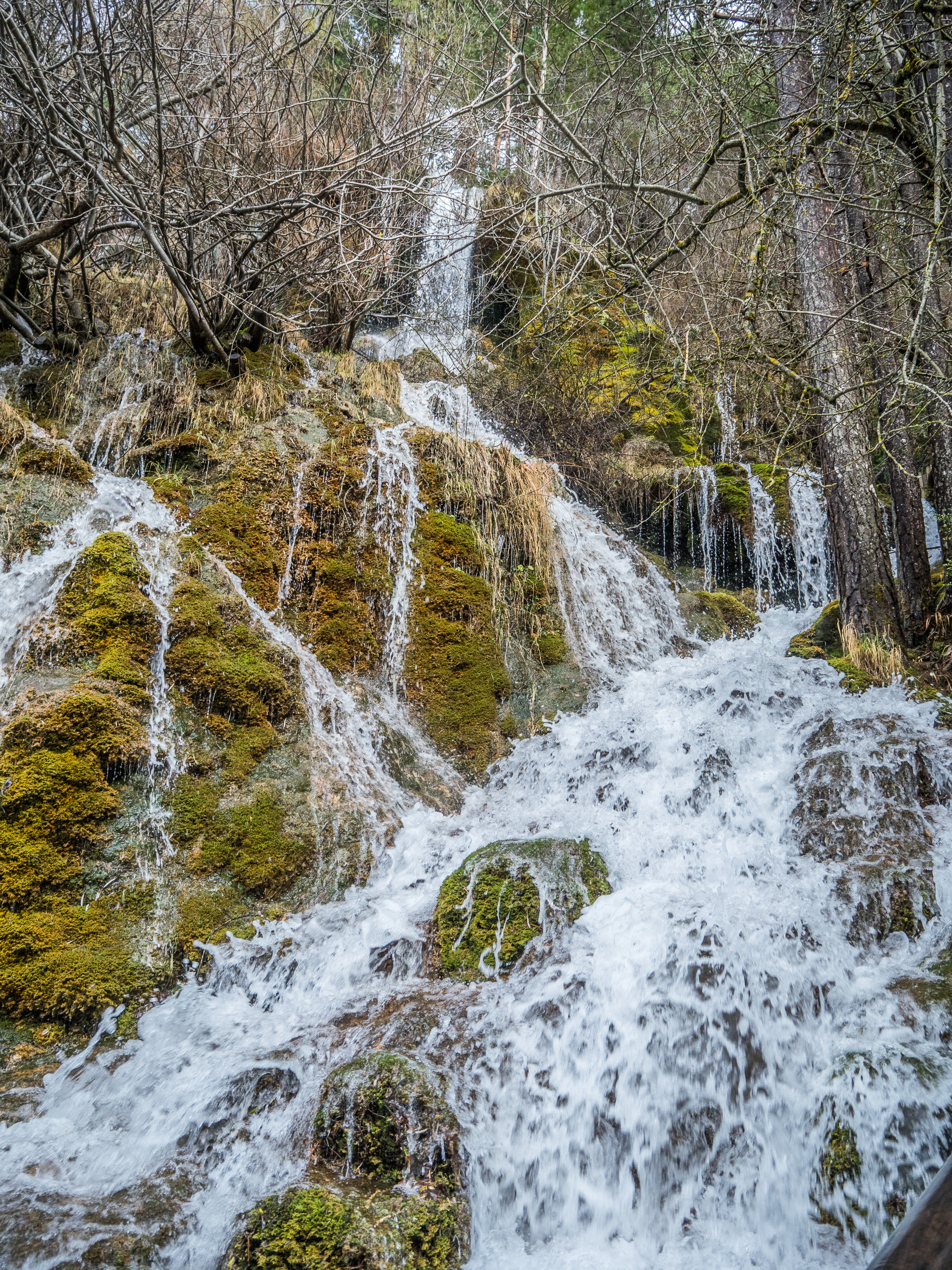
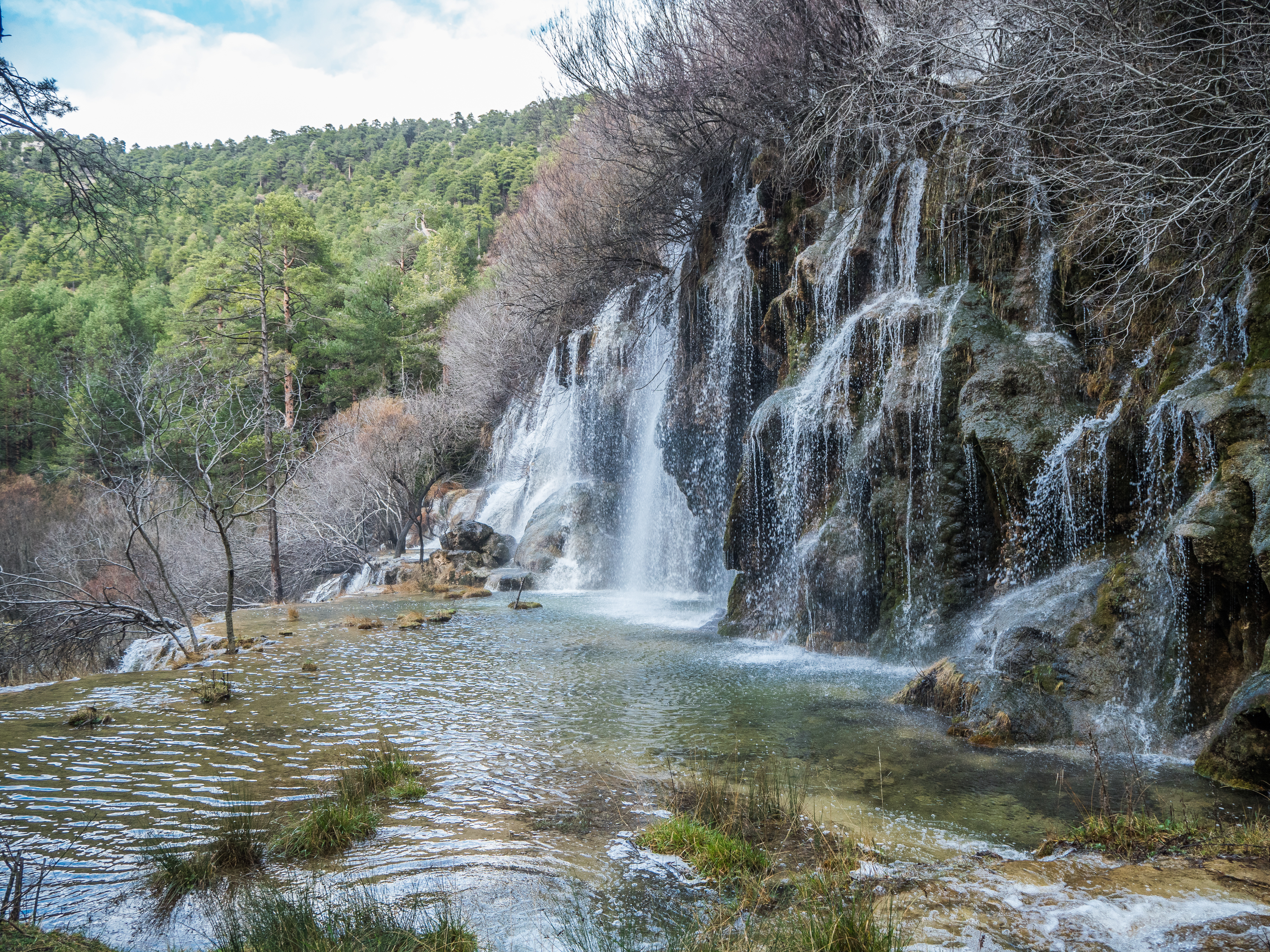
Much more spactacular cascades at the source of the river Cuervo, especially as there was plenty of water after the autumn rains (these photos were taken in early December). There are other places of natural beauty in the area, for example extensive sites of rock formations like Ciudad Encantada and Callejones de las Majadas, all reasonably easy yet spectacular hikes, but I didn’t have time and the weather wasn’t particularly favourable either. At least I have something left to see the next time.








 Kacenka on the road